Heritage
In-depth explorations of textile heritage, colonial impact, and the preservation of traditional dress.
Ethiopian Shemma: Handwoven Cotton Art
The Ethiopian shemma is a handwoven cotton cloth worn as a shawl or toga. Learn about the shemane weavers and the tibeb border art.
Japanese Kasuri: Indigo Ikat Weaving
Kasuri is Japan's resist-dyed ikat textile — blurred geometric patterns in deep indigo. Explore the meticulous craft from Okinawa to Kurume.
Indian Chikankari: Mughal Embroidery Art
Chikankari is Lucknow's signature embroidery — white-on-white floral stitchwork from the Mughal era. Trace its journey from royal courts to fashion.
Persian Termeh: Woven Silk Heritage
Termeh is Iran's most luxurious handwoven textile — silk and wool brocaded with gold thread. Discover the craft from Yazd to modern revival.
Ottoman Kaftan: Imperial Robe Codes
Ottoman sultans used kaftans as political tools — fabric, color, and pattern signaled rank. Explore the imperial wardrobe of the Ottoman court.
 heritage
Scottish Tartan Weaving: A History
From Highland dress to global fashion — the evolution of Scottish tartan weaving and its cultural significance.
 heritage
Indian Block Printing: Heritage Craft
Traditional Indian block printing techniques — from ajrakh to bagru, the artistry behind hand-stamped textiles.
 heritage
Hanfu Movement: China's Dress Revival
How young Chinese are reviving hanfu traditional clothing — from internet forums to mainstream fashion in 2026.
 heritage
Ottoman Kaftan: Royal Textile History
The sumptuous kaftan robes of the Ottoman court — fabric laws, weaving centers, and the symbolism of imperial dress.
 heritage
Japanese Shibori: Tie-Dye Heritage Art
Master the basics of Japanese shibori tie-dye — techniques, history, and regional styles from Arimatsu to Kanazawa.
 heritage
Sari Draping: Regional Styles Across India
From Bengali nivi to Gujarati seedha pallu — explore how sari draping changes across India and what each style reveals.
Turkish Caftan Robes of the Ottoman Court
Ottoman caftans were status garments in silk and gold thread. Explore how sultans used fabric, cut, and pattern to signal power.
Korean Hanbok Colors and Their Meanings
Korean hanbok colors follow the obangsaek system. Discover which hues signal marital status, age, and social rank in traditional dress.
Scottish Tartan: How to Read Clan Patterns
Learn to identify Scottish tartan sett patterns, understand color symbolism, and discover how clans registered their weaves.
Kimono Layering Rules for Each Season
Master Japanese kimono layering: which fabrics for summer, how to pair juban and haori, and seasonal color rules still followed today.
Viking Textile Archaeology Finds
Examine Viking Age textile finds from the Oseberg ship burial and other sites revealing Norse weaving and dyeing mastery.
Silk Road Textile Trade Routes
Follow the ancient silk trade routes from China through Central Asia to Rome, exploring how textiles shaped global commerce.
Indigo Dye Heritage: A Global Story
Trace indigo dyeing from ancient India through Japan's aizome to American plantation history in this global heritage guide.
Ancient Loom Techniques Compared
Compare backstrap, warp-weighted, and draw loom technologies used across ancient civilizations for textile production.
UNESCO Textile Heritage Sites
A guide to UNESCO-recognized textile heritage sites around the world, from Indonesian batik workshops to French tapestry halls.
 heritage
West African Adinkra Cloth Symbols
Adinkra cloth from Ghana uses stamped symbols with proverbial meaning on dyed fabric.
Mexican Charro Suit Traditions
Learn about the charro suit — Mexican ornate horseman outfit with silver buttons and embroidered details.
Portuguese Filigree Jewelry Craft
Explore Portuguese filigree — delicate gold and silver wire jewelry from Gondomar and Póvoa de Lanhoso.
Filipino Barong Tagalog Guide
Discover the barong tagalog — the sheer embroidered shirt that is the Philippine national garment.
Chinese Cloud Shoulder Yunjian
Learn about the Chinese yunjian — ornamental cloud-shaped collar worn over robes since the Ming dynasty.
Peruvian Backstrap Weaving Mastery
Discover Peruvian backstrap weaving mastery, from ancient Andean techniques to cultural significance in Quechua communities.
Indian Kantha Quilting Tradition
Explore the Bengali kantha quilting tradition, from recycled sari materials to intricate running-stitch designs.
Japanese Sashiko Stitching Art Form
Discover Japanese sashiko stitching art, from Edo-period origins to contemporary sustainable fashion revival.
Palestinian Tatreez Embroidery Guide
Explore Palestinian tatreez cross-stitch embroidery traditions, regional styles, and symbolic meanings.
Palestinian Tatreez: Cross-Stitch Thobe Heritage
Explore the rich heritage of Palestinian Tatreez, the intricate cross-stitch embroidery adorning the traditional thobe, revealing stories of identity and resilience.
Mexican Rebozo Shawl: Cultural History
Explore Mexican rebozo shawl history, from colonial origins to Frida Kahlo and modern artisanal weaving centers.
Banarasi Silk Sari: Weaving Heritage
Discover Banarasi silk sari weaving, from zari brocade techniques to GI protection and the Varanasi weaving tradition.
Japanese Kimono Obi: Belt Traditions
Learn about Japanese kimono obi belt traditions, from formal types and knot styles to Nishijin weaving artistry.
Scottish Tartan Kilt: Heritage Guide
Explore Scottish tartan kilt heritage, from clan pattern systems to the 1746 Dress Act and modern wearing traditions.
Guatemalan Maya Huipil & Backstrap Loom
Discover the rich cultural heritage of the Guatemalan Maya huipil. Explore the ancient art of backstrap loom weaving, regional variations, and preservation.
 heritage
Silk Road Textiles and Global Trade
How the Silk Road spread weaving techniques and design motifs across continents over two millennia.
 heritage
Peruvian Textile Heritage: 5000 Years
Peru's extraordinary textile heritage from Paracas mantles to Inca cumbi and living Andean weaving traditions.
 heritage
Linen: From Ancient Egypt to Today
The 10,000-year history of linen fabric — why it was prized by pharaohs and remains a premium textile today.
 heritage
Indigo Dyeing: A Global History
The worldwide history of indigo — from ancient Peru to Japanese shibori, African resist dyeing, and modern denim.
Xiangyunsha: China's Silk Dyeing Heritage
Discover the heritage of Xiangyunsha, China's ancient gambier juice silk dyeing technique. Explore its craftsmanship, cultural roots, and modern revival.
Medieval Sumptuary Laws: When Dress Was Regulated
Medieval European governments regulated what people could wear — sumptuary laws that enforced class through clothing.
Aztec Feather Mosaic: Precious Plumage as Royal Art
Aztec featherworkers created stunning mosaic garments from tropical bird plumage — textiles more valued than gold.
Roman Toga: How Dress Defined Social Rank in Rome
The Roman toga was not just clothing — it was a legal garment that communicated citizenship, rank, and political status.
Ancient Egyptian Linen: From Nile Flax to Pharaohs
How ancient Egyptians mastered linen production from Nile Valley flax, creating fabrics fine enough for royal burial.
 heritage
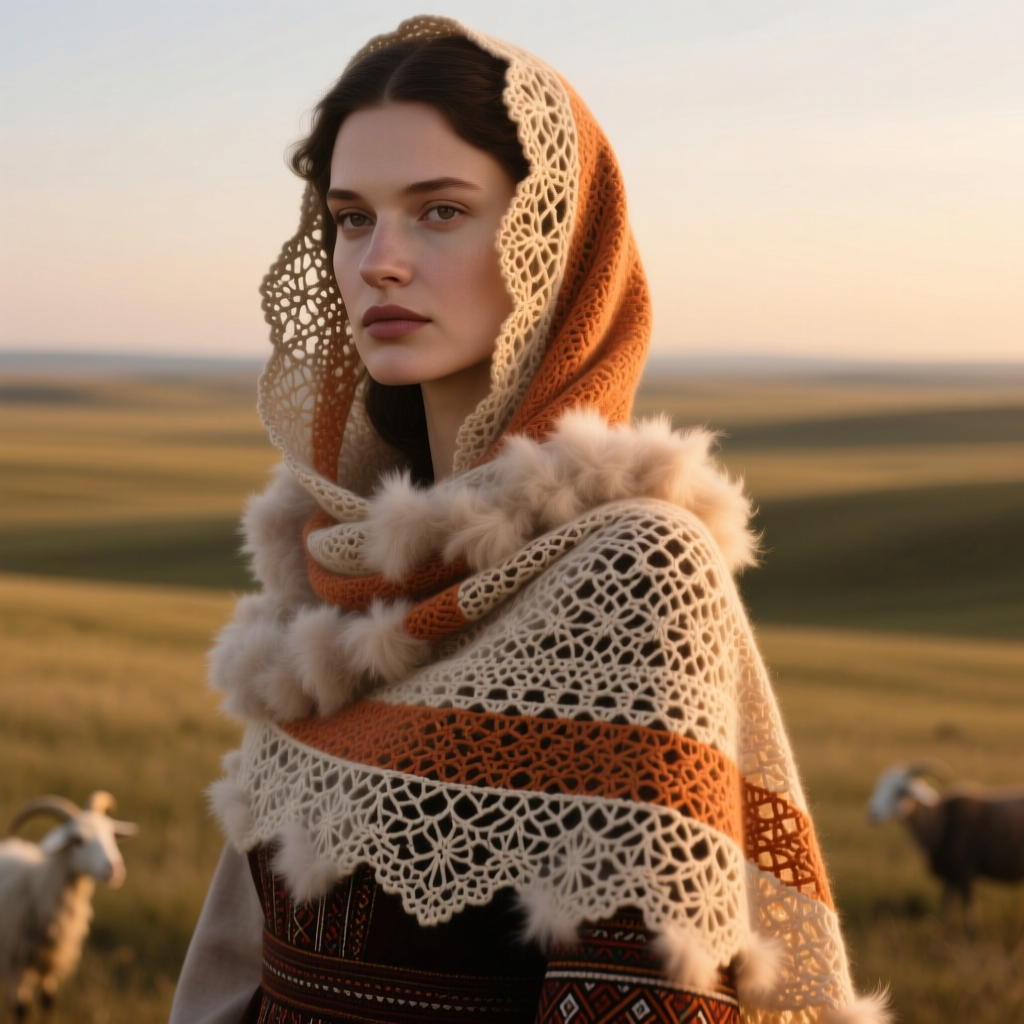
Orenburg Lace Shawls: Russian Goat Down Knitting Heritage
Discover the heritage of the Russian Orenburg lace shawl. Explore the craftsmanship, cultural significance, and preservation of goat down knitting.
 heritage
Ancient Egyptian Linen: Purity Woven Fine
How ancient Egyptians produced, wore, and valued linen as a symbol of ritual purity and social standing.
 heritage
Aztec Featherwork: The Art of Living Color
Explore the extraordinary Aztec feather mosaic tradition — its techniques, symbolism, and surviving masterpieces.
 heritage
Roman Toga: Reading Social Status in Draping
How the Roman toga's color, stripe, and draping style communicated citizenship, rank, and occasion.