Indian Block Printing: Heritage Craft

Stamping Stories in Cloth
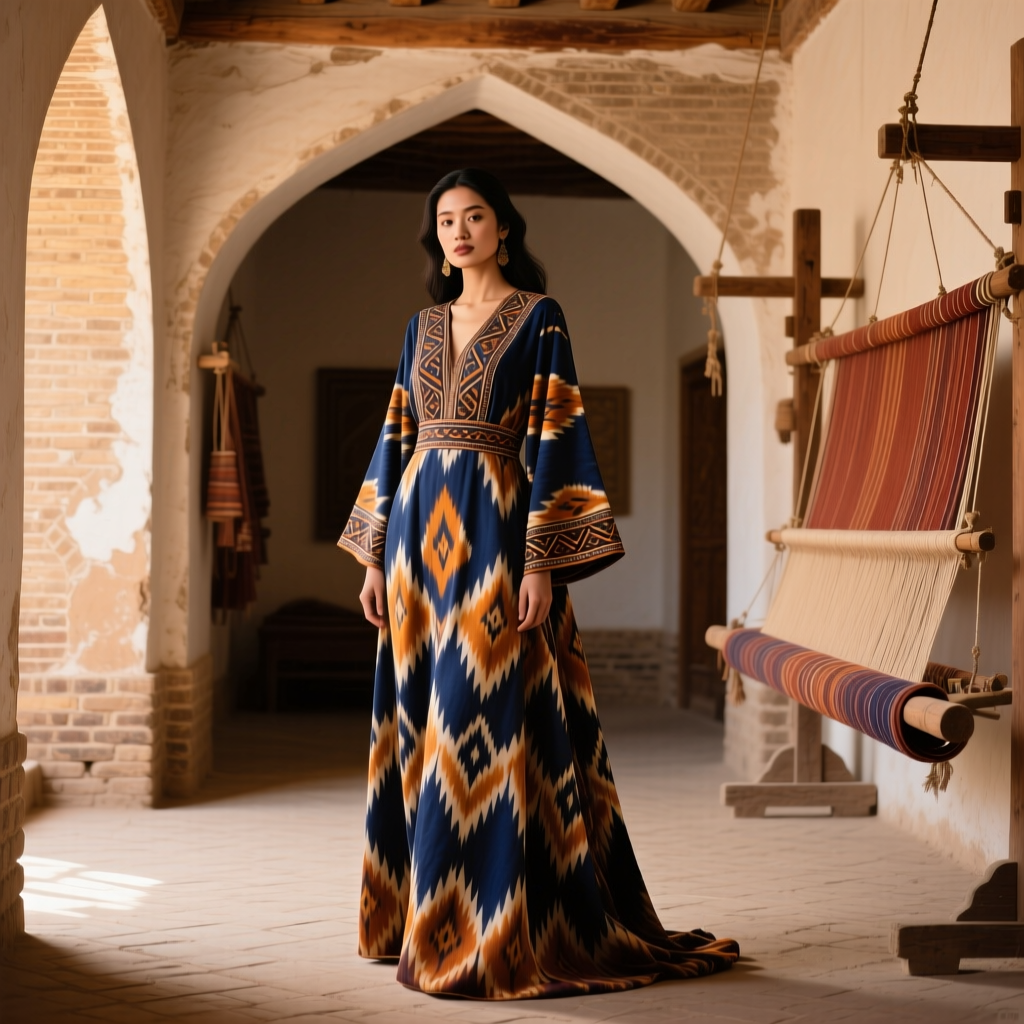
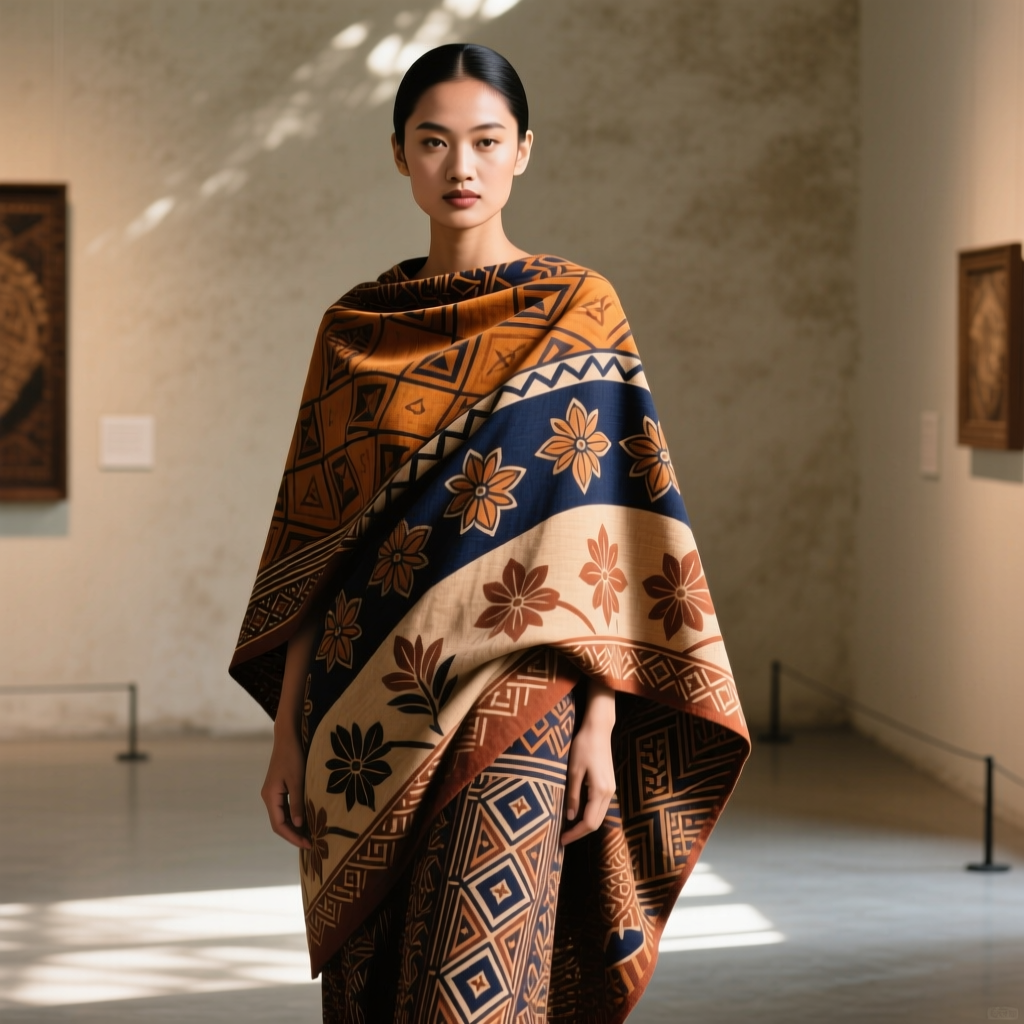
India's block printing traditions represent one of the world's oldest continuous textile arts. Using hand-carved wooden blocks dipped in natural dyes, artisans create intricate repeating patterns on cotton and silk fabrics. Each region has developed distinctive styles, color palettes, and motif vocabularies passed down through generations of printing families.
Ajrakh of Kutch
Ajrakh, practiced by the Khatri community in Gujarat's Kutch district, is among India's most complex block printing traditions. A single piece may undergo 15+ stages including resist printing, mordanting, indigo dyeing, and madder dyeing. The distinctive deep blue and red colors emerge through precise chemical reactions between natural dyes and mineral mordants.
Bagru and Sanganer
Rajasthan's Bagru village is known for dabu (mud-resist) printing, where a paste of clay, gum, and wheat chaff is applied through blocks before indigo dyeing, creating white patterns against blue backgrounds. Nearby Sanganer specializes in fine-line floral prints on white grounds, historically exported to European markets.
Natural Dye Chemistry
Traditional block printers maintain deep knowledge of natural dye chemistry: madder root for reds, pomegranate rind for yellows, indigo for blues, and iron-rich mud for blacks. Mordants like alum fix the dyes permanently. This knowledge, transmitted orally, is increasingly threatened by the convenience of synthetic alternatives.
Preservation Efforts
Organizations like the Crafts Council of India and commercial brands committed to artisan partnerships help sustain block printing communities. Fair-trade certification and direct-to-consumer platforms give printers better margins, while design collaborations introduce traditional patterns to contemporary markets.