Peruvian Backstrap Weaving Mastery
Andean Weaving Heritage
Backstrap weaving, practiced in the Andes for over 3,000 years, represents one of the oldest continuous textile traditions on Earth. Quechua and Aymara weavers maintain techniques that predate the Inca Empire.
Loom Setup
The backstrap loom consists of two sticks connected by warp threads. One end attaches to a fixed point (tree or post) while the other connects to the weaver via a strap around her lower back. By leaning forward or backward, she controls warp tension.
Pattern Techniques
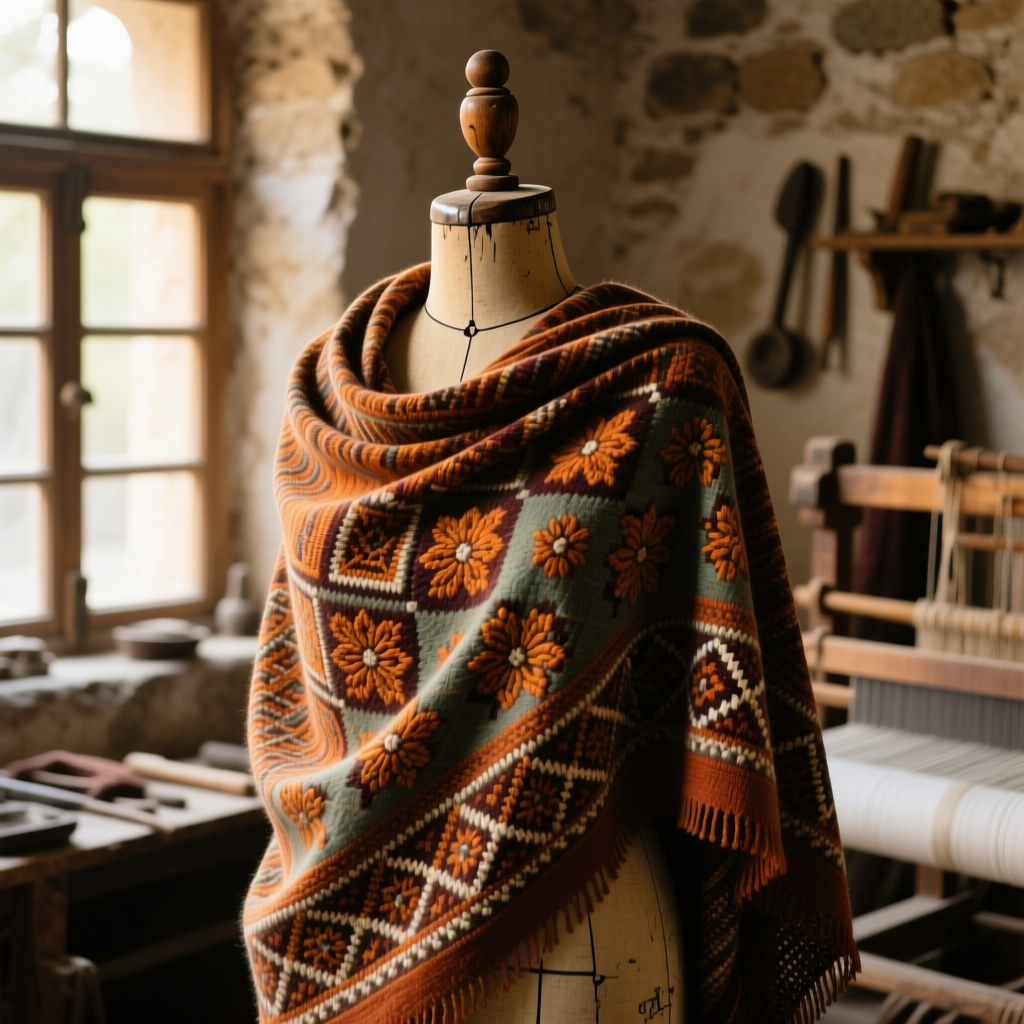
Andean weavers create complex patterns using supplementary warp, pick-up techniques, and double-cloth construction. Geometric designs encode astronomical observations, agricultural cycles, and community histories in textile form.
Cultural Significance
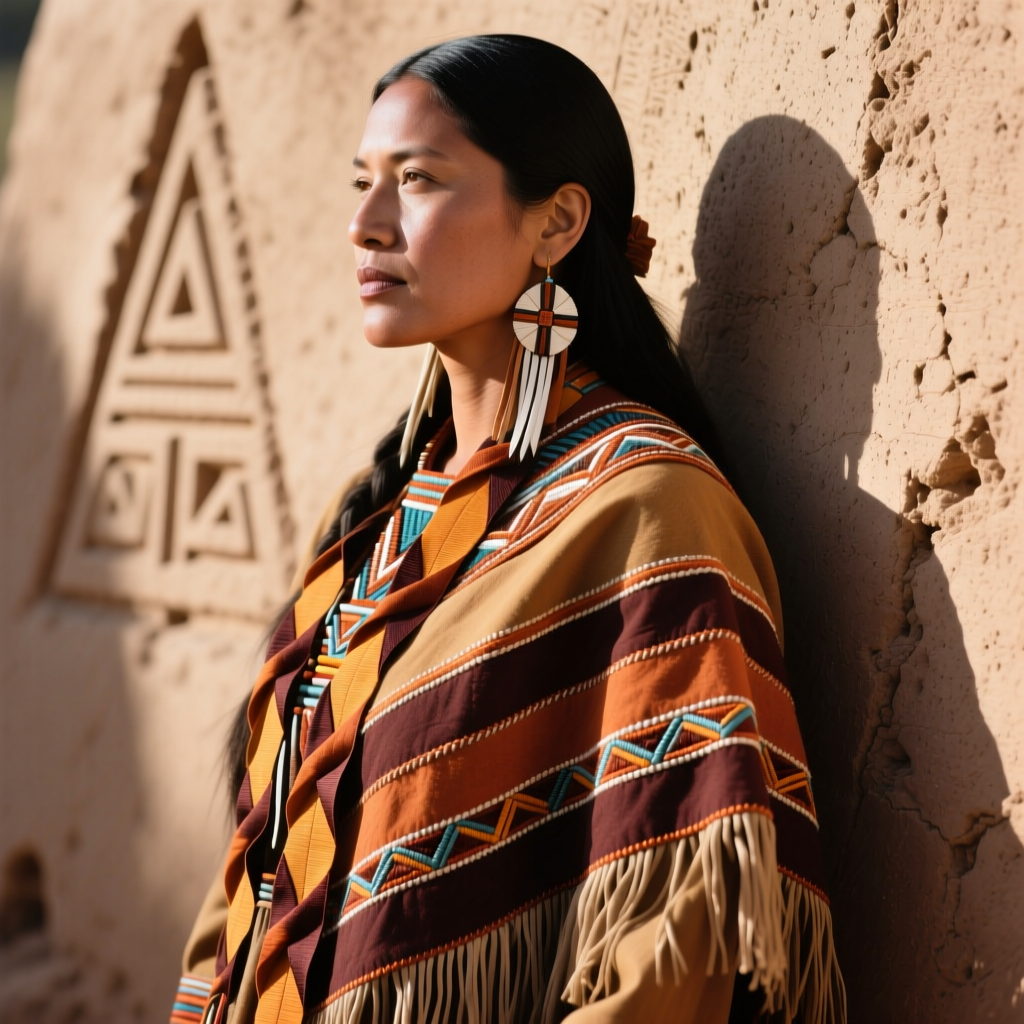
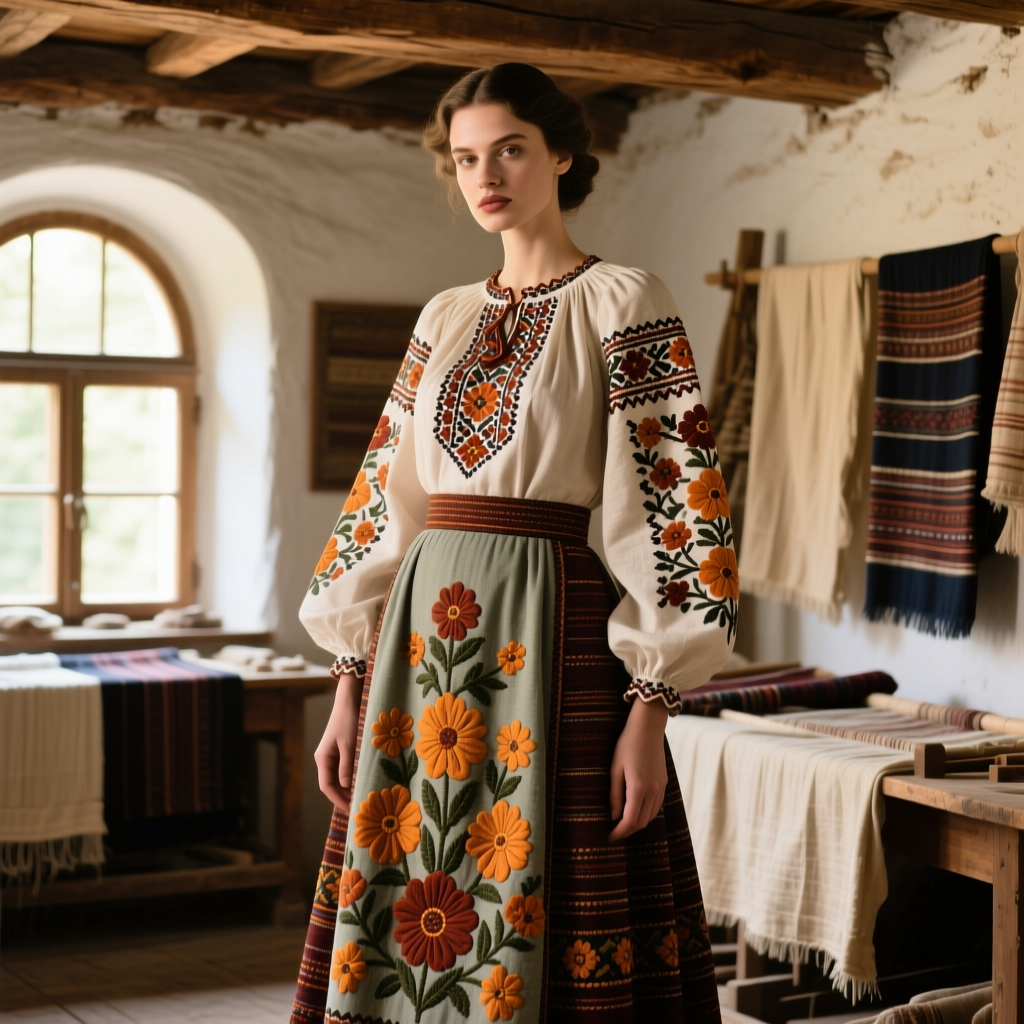
Woven textiles serve as markers of community identity, with each village maintaining distinctive patterns and color combinations. Weaving skill determines social status, and young women learn the art from mothers and grandmothers as part of cultural transmission.