Persian Termeh: Woven Silk Heritage
A Textile of Kings and Poets
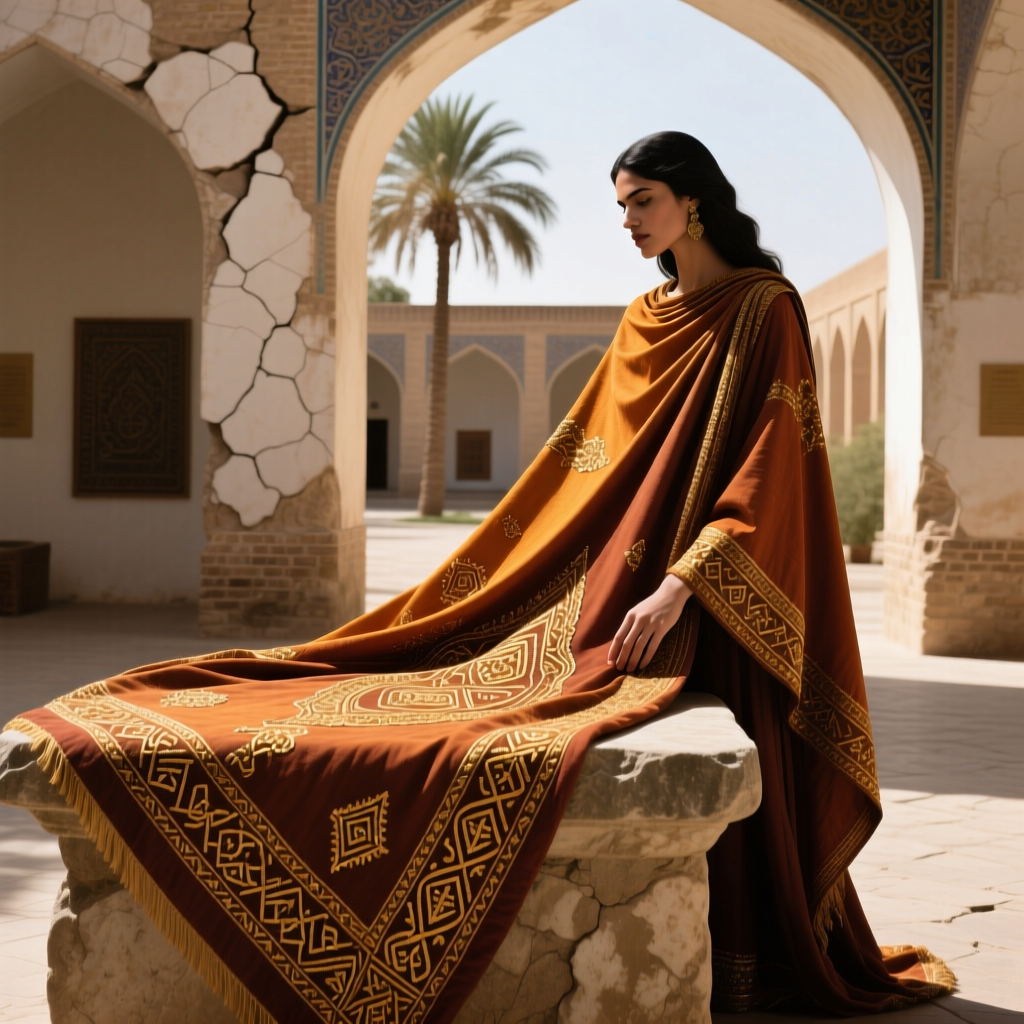
Termeh is a handwoven Iranian textile combining silk and wool in elaborate brocade patterns, often enhanced with gold or silver thread. Originating in the Safavid era (1501-1736), termeh was used for royal garments, curtains, and tablecloths in the courts of Isfahan. The city of Yazd became the primary production center, a status it maintains today.
The Weaving Process
Traditional termeh is woven on a drawloom by two artisans working in tandem — one operating the warp threads and another passing the weft. The most complex patterns require hundreds of warp threads and multiple shuttle passes. A master weaver (ostad) may produce only a few centimeters per day on the finest pieces.
Patterns and Symbolism
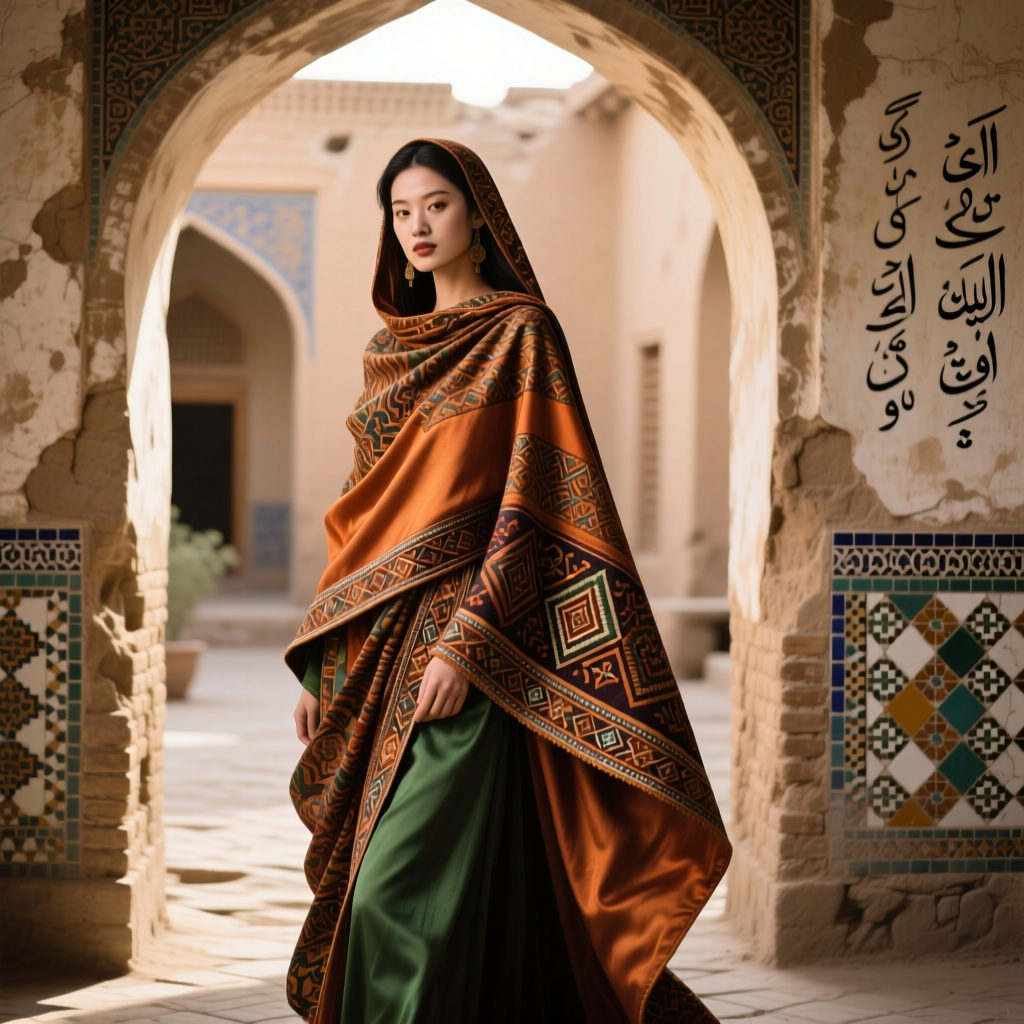
Termeh patterns draw from Persian garden imagery — the boteh (paisley), representing the cypress tree (symbol of eternity), is the most iconic motif. Shah Abbasi floral patterns, geometric medallions, and hunting scenes also appear. Each pattern carries poetic meaning rooted in Persian literary tradition.
- Boteh: paisley motif symbolizing eternal life
- Shah Abbasi: elaborate floral arabesques
- Materials: silk warp, wool/silk weft, gold thread accents
- Modern uses: fashion accessories, home décor, wedding trousseaus
- Yazd workshops: last remaining traditional termeh producers