Traditional Wedding Dress for Women: A Guide
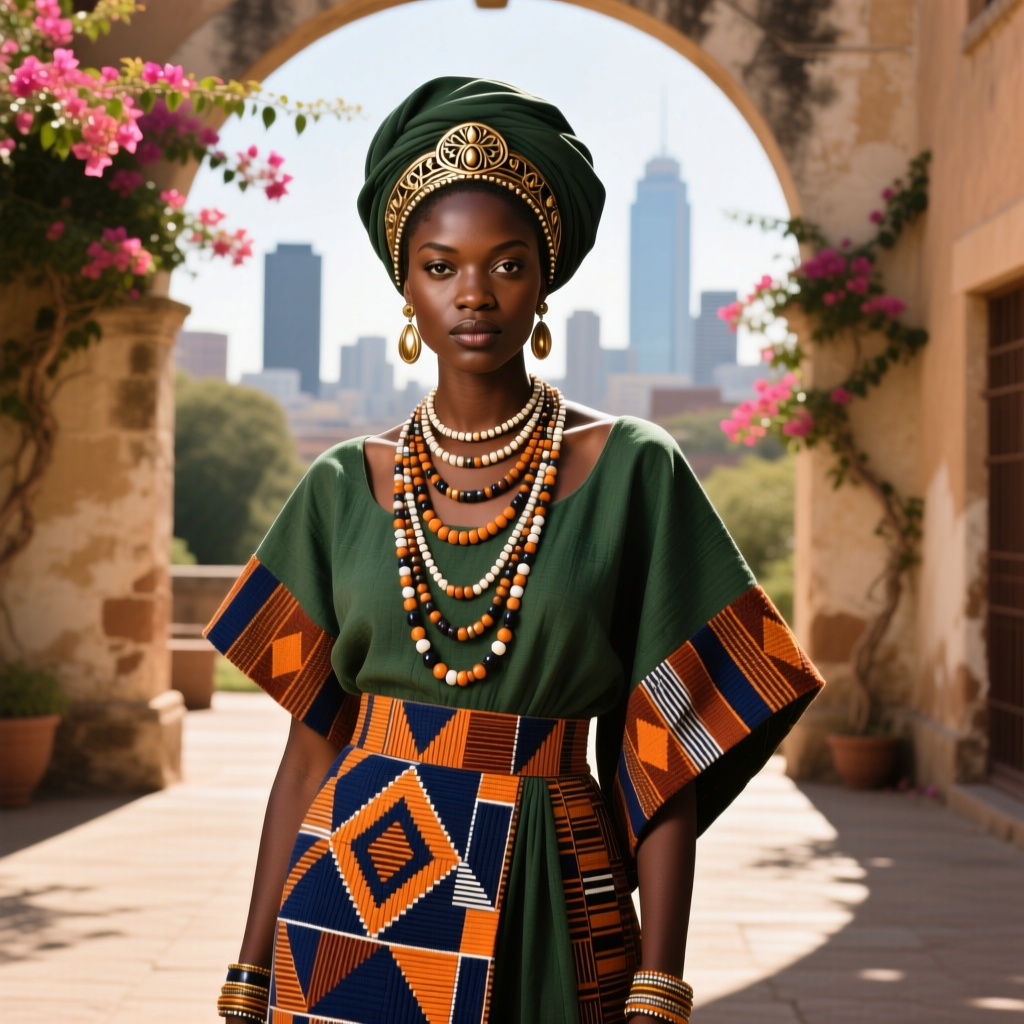
Weddings are profound celebrations of love, unity, and cultural heritage. For many women, attending a wedding—whether as a bride, a member of the wedding party, or a guest—presents a beautiful opportunity to embrace traditional dress. Traditional garments are more than just clothing; they are woven narratives of history, artistry, and regional identity. When you choose to wear traditional dress for a wedding, you are participating in a timeless dialogue between the past and the present.
Navigating the world of cultural attire can feel overwhelming, given the rich variety of silhouettes, fabrics, and styling rules. This comprehensive guide explores how to select, style, and modernize traditional dress for women at weddings, ensuring you look breathtaking while honoring cultural roots. For a deeper dive into the origins of these magnificent fabrics, explore our extensive cultural heritage archives.
Celebrating Heritage: Choosing the Right Traditional Silhouette
The foundation of any traditional wedding look lies in the silhouette. Different cultures offer distinct garments, each with its own unique drape, structure, and symbolism.
The Saree: Six Yards of Grace
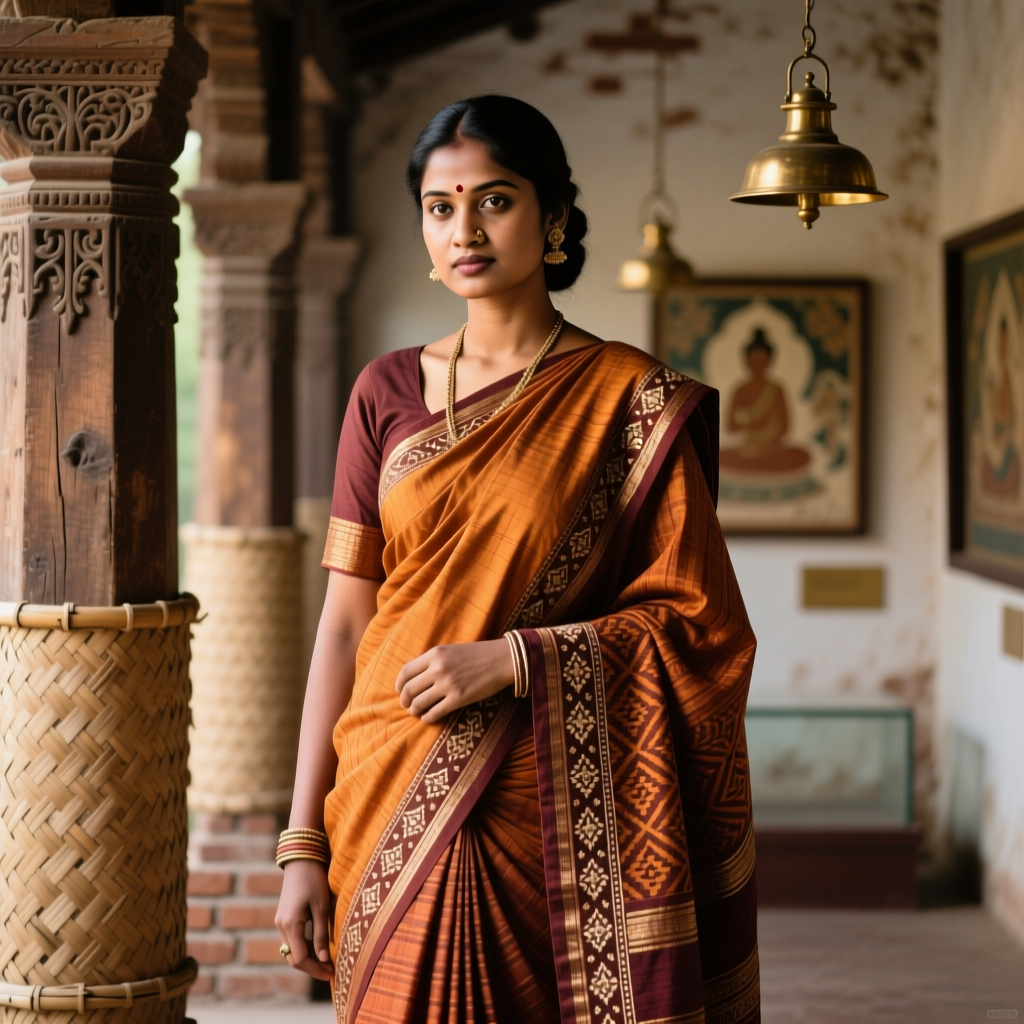
The saree is an iconic South Asian garment that exudes elegance and versatility. Comprising a long piece of unstitched fabric draped over a blouse and petticoat, the saree can be styled in over a hundred regional ways. For weddings, rich silks like Kanjeevaram or Banarasi are highly coveted. If you are new to this garment, our step-by-step saree draping guide will help you achieve a flawless, secure pleat.
The Lehenga Choli: Regal and Festive
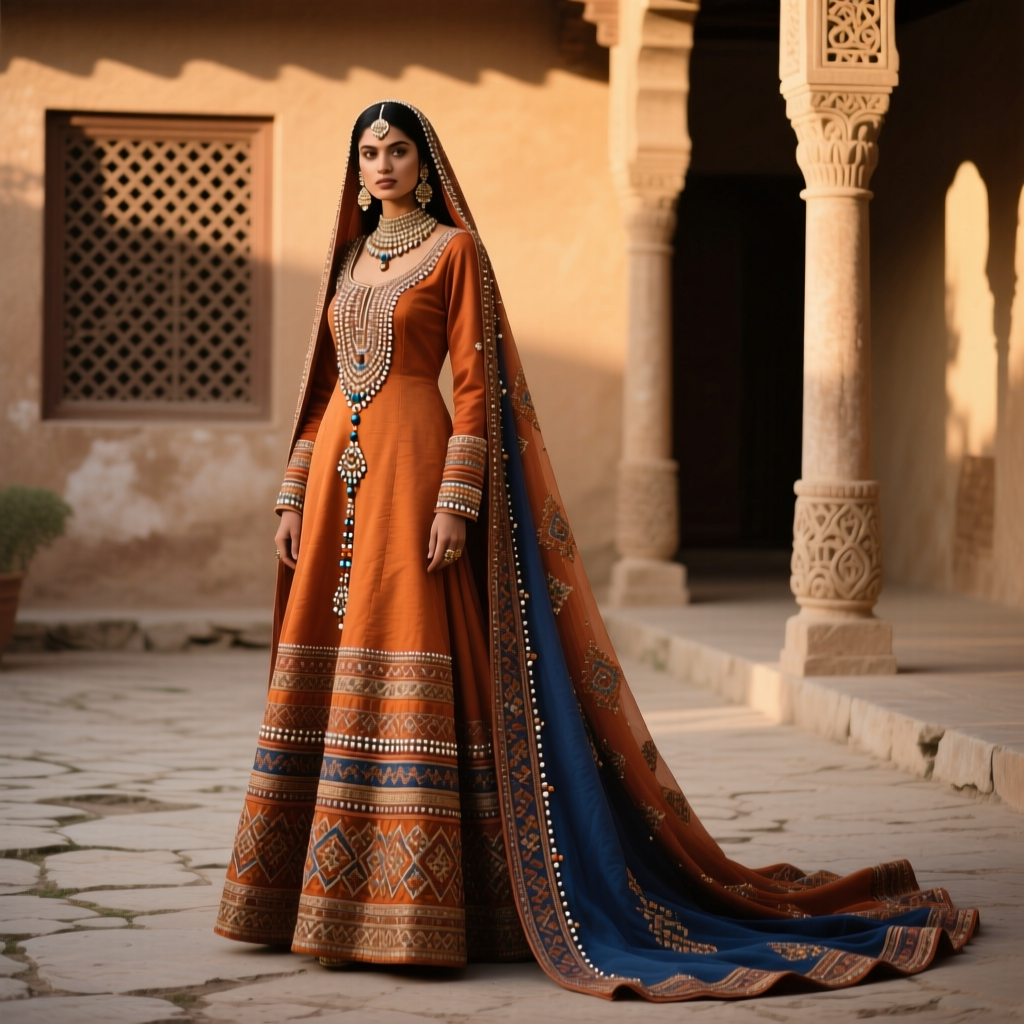
A lehenga consists of a flared skirt, a fitted blouse (choli), and a dupatta (scarf). It is a favorite for brides and wedding guests alike due to its ease of wear and heavily embroidered nature. The lehenga allows for immense creativity in color and embellishment. Discover the intricate craftsmanship behind these skirts in our lehenga garment guide.
The Qipao and Hanbok: Structured Elegance
East Asian traditional wear offers stunning structural beauty. The Chinese Qipao (or Cheongsam) features a high collar, form-fitting silhouette, and delicate frog closures, often crafted from brocade or silk. The Korean Hanbok is characterized by vibrant colors, simple lines, and a voluminous skirt (chima) paired with a short jacket (jeogori). Both garments highlight the beauty of traditional silk weaving and offer a striking, sophisticated profile for wedding festivities.
Modern Adaptations: Blending Tradition with Contemporary Fashion
While honoring heritage is paramount, contemporary fashion has introduced brilliant adaptations that make traditional dress more accessible and comfortable for modern weddings. Fusion wear bridges the gap between ancestral craftsmanship and modern silhouettes.
Pre-Draped Sarees: For those who love the look of a saree but dread the complex draping process, pre-draped or concept sarees are a revelation. These garments come with pre-stitched pleats and pallus, allowing you to slip into them like a gown while maintaining the traditional aesthetic.
Cape Lehengas and Indo-Western Gowns: Replacing the traditional dupatta with a flowing, sheer cape adds a dramatic, modern flair to the classic lehenga. Similarly, Indo-Western gowns combine the structured bodices of Western evening wear with the rich embroidery and vibrant hues of Eastern textiles.
Separates and Mix-and-Match: Pairing a heavily embroidered traditional skirt with a contemporary crop top, or styling a traditional brocade jacket over a sleek Western jumpsuit, allows for a highly personalized look. This approach is perfect for wedding guests who want to nod to the culture without wearing a full traditional ensemble.
The Art of Accessorizing Traditional Wedding Attire
Accessories are the lifeblood of traditional wedding styling. They elevate a beautiful garment into a breathtaking, cohesive ensemble. The key is to balance the heaviness of your outfit with complementary adornments.
Heritage Jewelry
Traditional jewelry is often as significant as the garment itself. In South Asian weddings, Kundan, Polki, and Jadau jewelry sets feature uncut diamonds and precious stones set in gold, offering a regal, vintage appeal. Temple jewelry, originating from the deities of South Indian temples, provides a deeply spiritual and antique finish. For East Asian attire, jade pendants, gold hairpins, and pearl drop earrings provide an elegant, understated complement to the structured garments.
Footwear: Comfort Meets Craftsmanship
Weddings involve hours of standing, dancing, and socializing with friends & family. Traditional footwear like Juttis or Mojaris—handcrafted leather shoes adorned with thread work, beads & sequins—are both culturally appropriate and remarkably comfortable. Ensure you break them in before the big day to avoid blisters.
The Perfect Clutch or Potli
Ditch the modern leather handbag in favor of a traditional Potli bag or a heavily embellished metallic clutch. Potli bags, crafted from silk or velvet and cinched with a drawstring, add a soft, romantic touch to your look while holding your wedding day essentials.
Styling Tips for Different Wedding Ceremonies
Multi-day weddings, particularly in South Asian and Middle Eastern cultures, require a diverse wardrobe. Each ceremony has its own mood, color palette, and level of formality.
The Haldi or Mehndi Ceremony: These daytime, pre-wedding rituals are playful, vibrant, and intimate. Opt for lightweight fabrics like cotton, georgette, or organza. Floral prints, mirror work, and bright hues like marigold yellow, tangerine, and mint green are highly encouraged. Keep jewelry minimal and floral-based, such as fresh jasmine garlands in the hair.
The Sangeet or Cocktail Night: This is the evening of music, dance, and glamour. You need an outfit that allows for movement. A lehenga with a lighter skirt, a pre-draped saree with a metallic belt, or an Indo-Western gown works beautifully. Embrace bold colors like fuchsia, emerald green, or deep sapphire, and opt for statement chandelier earrings.
The Main Wedding Ceremony: The main event calls for utmost grandeur and respect for tradition. Brides typically wear deep reds, golds, or rich maroons, heavily embroidered with zari (gold thread). Guests should opt for rich jewel tones, avoiding the bride's specific color palette. Heavy silks & velvets are the fabrics of choice here. Learn more about the symbolism of these colors in our wedding guest etiquette guide.
The Reception: The reception is often a more relaxed, contemporary celebration. Pastel hues, champagne golds, and soft silvers are incredibly popular. You can experiment with modern silhouettes, lighter embroidery, and sleek, contemporary hairstyles.
The Ultimate Buying Guide for Traditional Wedding Wear
Investing in traditional wedding attire requires careful planning, an understanding of textiles, and a good relationship with your tailor. Follow these steps to ensure a seamless purchasing experience.
1. Understand the Textiles: The fabric dictates the drape, comfort, and overall look of the garment. Banarasi silk offers a stiff, regal structure, while Chanderi silk provides a lightweight, sheer elegance. Familiarize yourself with the traditional embroidery techniques like Zardozi, Chikankari, and Phulkari to appreciate the craftsmanship you are paying for.
2. Prioritize Tailoring and Fit: Traditional garments, especially blouses and bodices, require precise tailoring. A poorly fitted choli can ruin the silhouette of a magnificent lehenga. Always budget for professional alterations and schedule multiple fittings. Bring the exact footwear and undergarments you plan to wear to your fitting sessions to ensure the hemline and bust measurements are flawless.
3. Set a Realistic Budget: Hand-loomed silks and hand-embroidered garments require immense time & effort from artisans, which is reflected in the price. Determine your budget early and decide where to allocate your funds. If you are splurging on a heavy, hand-crafted lehenga, you might save on jewelry by renting or borrowing family heirlooms.
4. Shop with a Timeline: Authentic traditional wear is rarely bought off the rack. Custom orders and intricate hand-embroidery can take anywhere from two to six months to complete. Begin your shopping journey at least six months before the wedding to allow ample time for design consultations, weaving, embroidery, and final alterations.
Frequently Asked Questions
How do I choose a traditional dress if I am not from that culture?
Wearing traditional attire from a culture other than your own can be a beautiful sign of respect, provided it is done thoughtfully. Always consult with the bride, groom, or a close family member to understand what is appropriate. Avoid wearing bridal colors (like red in many Asian cultures) or overly revealing silhouettes. Approach the garment with a desire to learn and honor the heritage, rather than treating it as a mere costume.
What is the best fabric for a summer outdoor wedding?
For outdoor summer weddings, breathability is essential. Avoid heavy velvets, stiff brocades, or heavily layered outfits. Instead, opt for lightweight fabrics like pure georgette, chiffon, organza, or fine cotton blends. These materials allow for air circulation and will keep you comfortable while maintaining an elegant, flowing silhouette.
Can I wear a traditional dress to a Western-style wedding?
Absolutely. A beautifully tailored Qipao, an elegant silk saree, or a subtle Indo-Western fusion gown can stand out beautifully at a Western-style wedding. The key is to match the formality of the event. If the dress code is black-tie, ensure your traditional garment is crafted from luxurious fabrics like silk or velvet and is paired with sophisticated, refined accessories.
How far in advance should I buy my traditional wedding attire?
If you are purchasing a ready-to-wear piece, shopping two to three months in advance is sufficient to allow time for alterations. However, if you are commissioning a custom, hand-embroidered bridal lehenga or a hand-loomed silk saree, you should begin the process six to eight months prior to the wedding to accommodate the artisans' weaving and embroidery timelines.
How do I care for heavily embroidered traditional garments?
Traditional garments adorned with zari, sequins, and delicate thread work should never be machine washed or aggressively hand-washed. Always seek out a professional dry cleaner who specializes in heritage textiles and ethnic wear. When storing, wrap the garment in muslin cloth to protect it from moisture and direct sunlight, and avoid hanging heavy lehengas or sarees, as the weight of the embroidery can stretch and tear the fabric over time.