Discover & Style Authentic Traditional Dresses for Women Near You
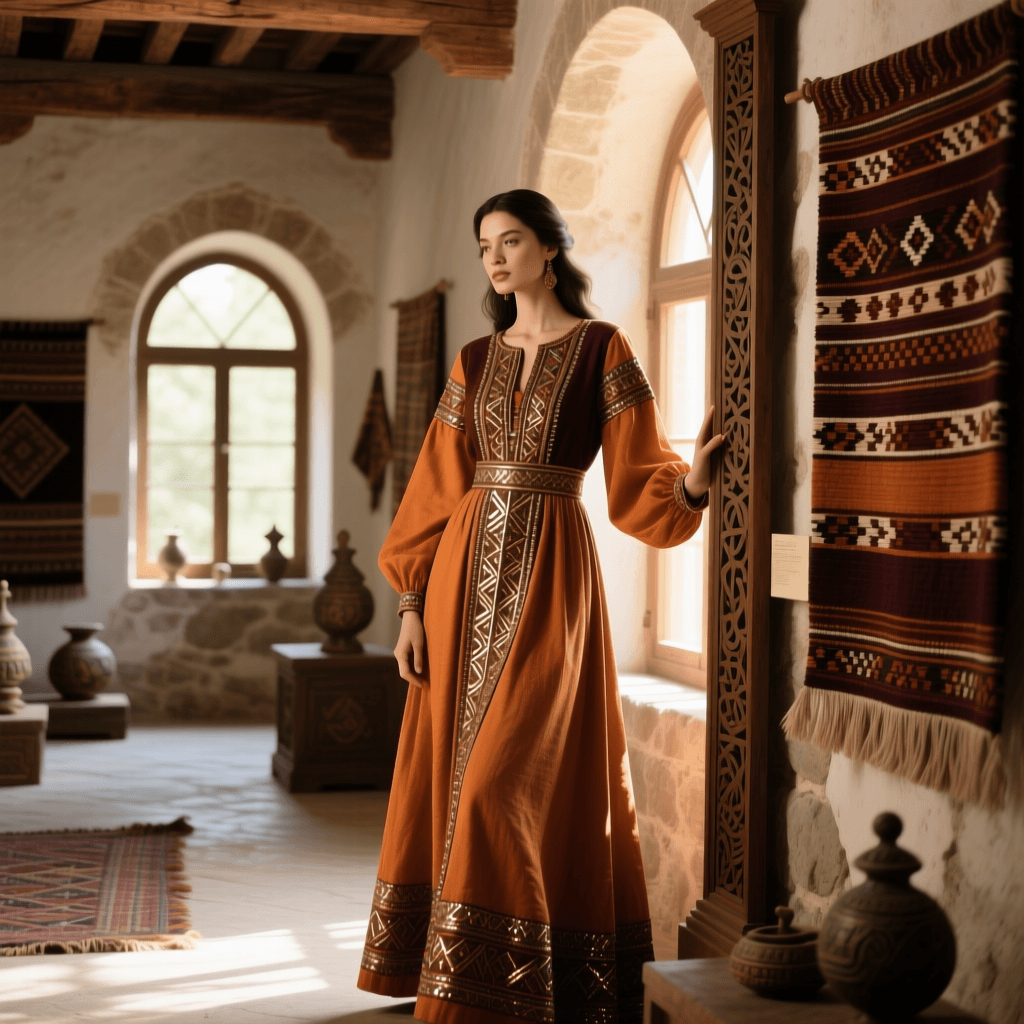
When you type "traditional dress women near me" into a search engine, you are embarking on a journey that transcends simple shopping. You are looking to connect with history, heritage, and the profound artistry of global cultures right within your own community. Whether you are preparing for a cultural festival, a wedding, or simply wish to infuse your everyday wardrobe with the elegance of ancestral garments, finding authentic traditional wear locally is a deeply rewarding experience. The Garment Atlas is dedicated to celebrating these sartorial treasures, bridging the gap between global heritage and local accessibility.
In today’s interconnected world, vibrant cultural enclaves, specialized boutiques, and skilled immigrant artisans have made it easier than ever to source authentic garments without crossing oceans. From the intricate drapes of South Asian silk to the bold, geometric prints of West African textiles, your local neighborhood may hold the key to a breathtaking wardrobe. This comprehensive guide will help you navigate local markets, style heritage pieces with modern grace, and honor the cultural roots of the garments you wear.
How to Find Authentic Traditional Dress Boutiques Near You
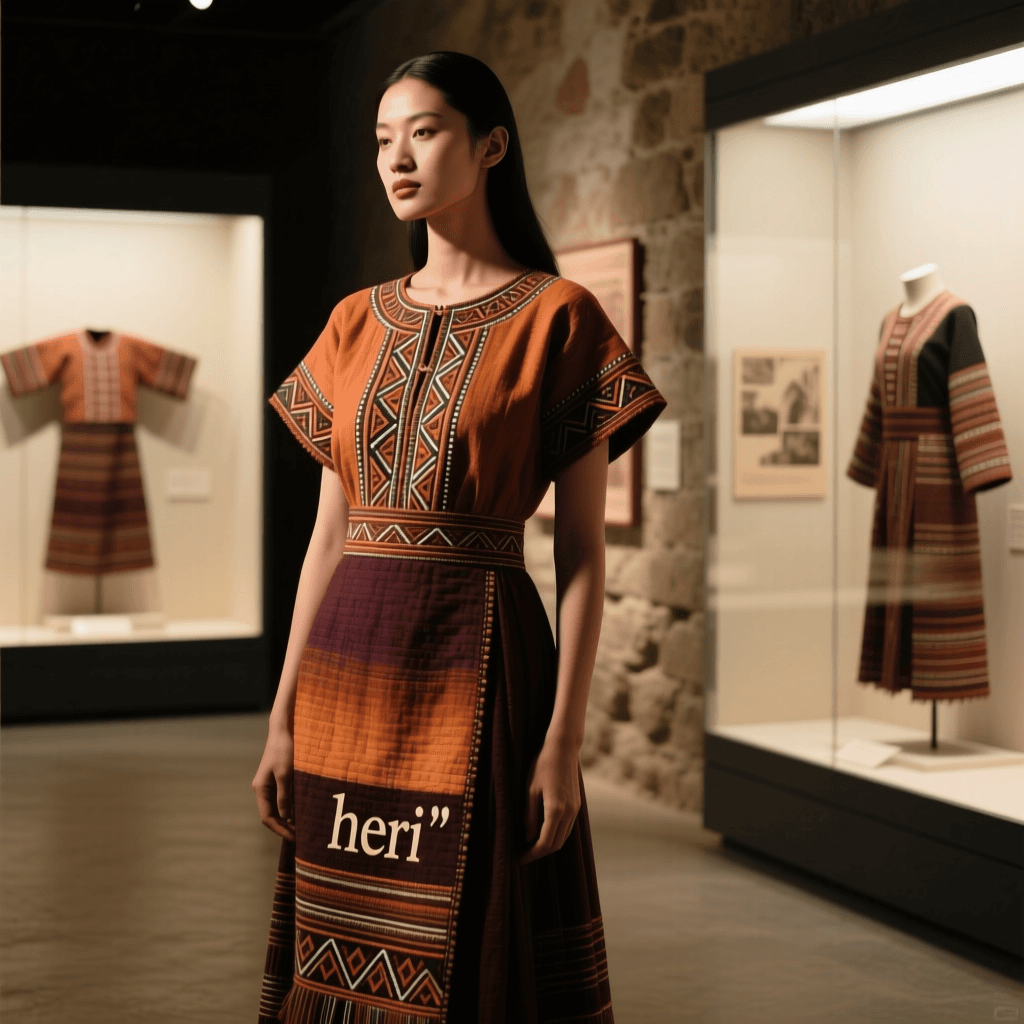
The quest for authentic cultural garments begins with knowing where to look. While mainstream retail stores often stock mass-produced, culturally appropriated costumes, true heritage pieces require a more intentional search. To find genuine traditional dresses for women near you, start by exploring local cultural districts and heritage neighborhoods. These areas are often the lifeblood of immigrant communities and house multi-generational family businesses that import fabrics directly from their home countries.
University cultural associations and local community centers are also invaluable resources. Students and community leaders frequently organize cultural showcases and can recommend trusted local tailors and boutiques that specialize in authentic attire. Additionally, seek out local artisan markets and global craft fairs. These events often feature independent designers who handcraft traditional garments using authentic techniques, such as hand-loom weaving and natural dyeing. For a deeper understanding of the fabrics you might encounter, exploring our global textiles heritage guide can help you identify genuine materials versus synthetic imitations.
Do not overlook the power of local tailors who specialize in custom cultural wear. Many traditional dresses, such as the South Asian salwar kameez or the West African buba and iro, are meant to be custom-fitted. Finding a local tailor who understands the specific drape, structure, and modesty requirements of these garments is essential for an authentic silhouette.
Styling Heritage Garments for Modern Occasions
One of the most common challenges when wearing traditional dress is adapting it for contemporary occasions without losing its cultural essence. The key to styling heritage garments lies in understanding the formality of the piece and the context of the event. For formal galas, weddings, or evening receptions, heavily embroidered pieces like a Chinese qipao or a Nigerian lace iro and buba command attention and require minimal additional styling. Let the garment speak for itself.
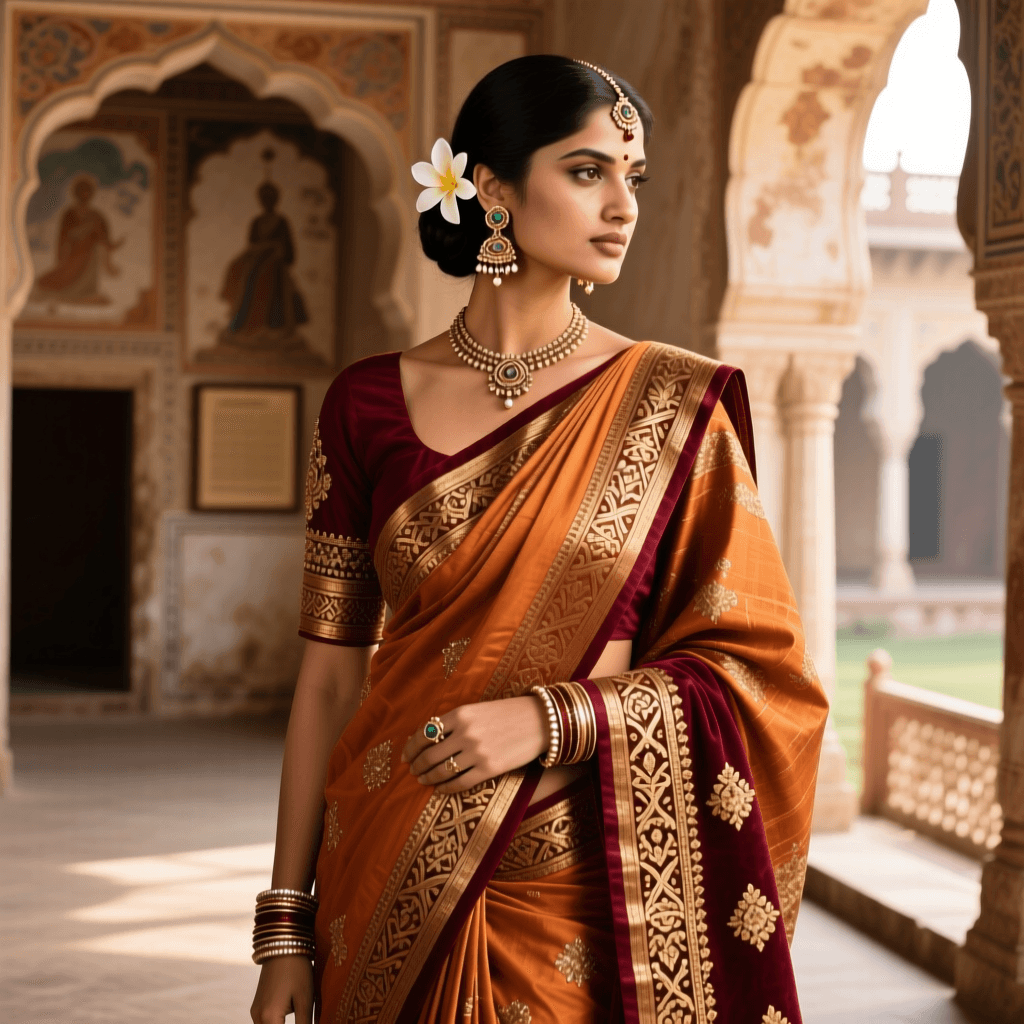
For semi-formal events or cultural festivals, you can play with proportions and layering. A beautifully printed Ankara wrap skirt can be paired with a structured, modern bodice to create a striking silhouette that honors the textile while feeling fresh. When styling a South Asian saree, the choice of blouse can dramatically alter the formality of the outfit. Opting for a high-neck, sleeveless silk blouse can give the saree a sophisticated, contemporary edge suitable for a corporate diversity gala or an upscale dinner. For a masterclass in draping and blouse pairing, our silk saree styling guide offers step-by-step instructions for various regional drapes.
Footwear is another crucial element. While traditional embroidered slippers are beautiful, they are not always practical for modern city streets. Pairing a flowing Middle Eastern kaftan or a vibrant Latin American pollera with sleek, minimalist leather heels or pointed-toe flats creates a stunning juxtaposition that grounds the traditional garment in modern reality.
Accessorizing Traditional Wear with Elegance
Accessories can either elevate a traditional dress or overwhelm it. When accessorizing heritage garments, the golden rule is to balance the visual weight of the clothing. If you are wearing a Japanese kimono, the obi (sash) and the intricate hair ornaments (kanzashi) are the primary accessories. Adding heavy Western jewelry would clash with the deliberate, harmonious aesthetics of the garment. To learn more about the strict rules and beautiful traditions of kimono wearing, visit our Japanese kimono heritage page.
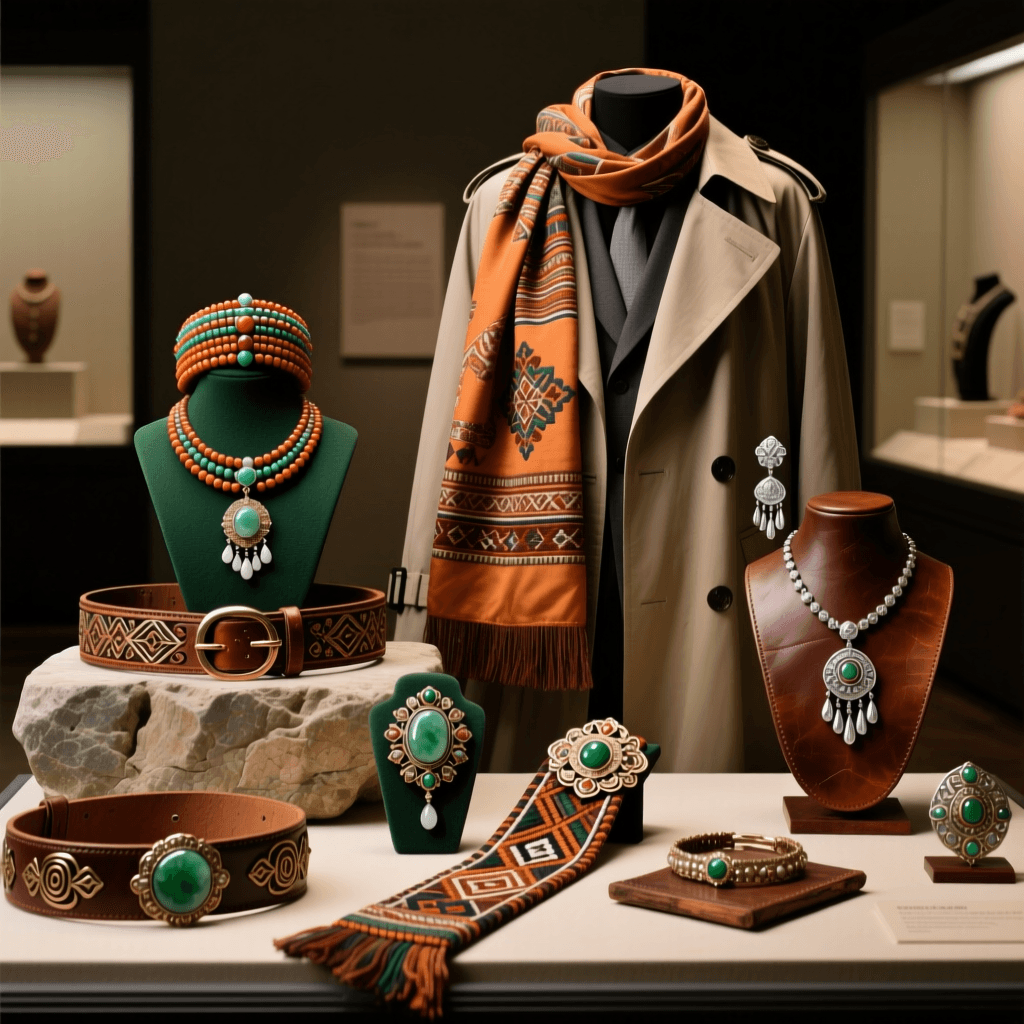
Conversely, if your traditional dress features a simpler cut but relies on bold, vibrant textiles—such as a Guatemalan huipil or a Rajasthani ghagra—you have more freedom to introduce complementary jewelry. Hand-beaded necklaces, hammered brass cuffs, and turquoise or coral stones beautifully complement the earthy, hand-woven nature of these textiles. Always consider the undertones of the fabric; warm gold jewelry enhances reds, oranges, and earthy browns, while oxidized silver or white gold pairs beautifully with indigos, emeralds, and cool jewel tones.
Hair and makeup should also reflect the mood of the garment. Intricate braids, traditional hairpins, or a simple, sleek chignon can highlight the neckline and back details of traditional dresses. Avoid overly theatrical makeup unless the occasion specifically calls for it; a fresh, glowing complexion with a bold lip or a striking eyeliner wing often provides the perfect modern counterpoint to vintage textiles.
Modern Adaptations: Blending Culture with Contemporary Fashion
Fusion fashion is a powerful way to keep traditional garments relevant and wearable in everyday life. Modern adaptations allow women to celebrate their heritage while navigating contemporary environments. One popular adaptation is the separation of traditional two-piece or three-piece ensembles. For example, the heavily embroidered skirt of a lehenga can be paired with a simple, crisp white button-down shirt for a high-fashion, bohemian look that is perfect for a summer garden party.
Similarly, the Korean hanbok has seen a massive resurgence through modern adaptations that shorten the skirts and simplify the lines, making them suitable for streetwear. You can explore these beautiful contemporary silhouettes in our modern hanbok styling guide. Another brilliant adaptation involves using traditional textiles to create modern silhouettes. A skilled local tailor can take vintage Kente cloth or Scottish tartan and fashion it into a sleek, tailored blazer, a fit & flare midi dress, or wide-leg palazzo pants.
Layering is also a fantastic tool for modern adaptation. Wearing a sheer, embroidered traditional tunic over a modern turtleneck and tailored trousers bridges the gap between modesty, tradition, and contemporary chic. By mixing heritage pieces with modern wardrobe staples like denim jackets, leather belts, and tailored coats, you create a deeply personal style narrative that honors the past while living firmly in the present.
The Ultimate Buying Guide for Local Traditional Garments
When you finally locate a boutique or artisan selling traditional dresses near you, knowing how to evaluate the quality and authenticity of the garment is paramount. Authenticity is not just about the label; it is woven into the very fibers of the cloth and the techniques used to assemble it.
- Examine the Textile: Authentic traditional garments are frequently made from natural fibers like silk, cotton, linen, or wool. Burn tests (if a swatch is available) or a close visual inspection can help. Look for the slight irregularities that indicate hand-woven fabrics rather than machine-printed synthetics.
- Inspect the Embroidery & Beadwork: Hand-embroidery, a hallmark of many cultural garments, will have slight variations in stitch length and tension. Machine embroidery is perfectly uniform and often backed with stiff interfacing. To understand the immense skill required for these details, read our guide to global embroidery techniques.
- Check the Lining & Finishing: High-quality traditional garments are finished beautifully on the inside. French seams, hand-rolled hems, and silk linings are indicators of a garment made with respect for the textile and the wearer.
- Ask About the Origin: A reputable seller will know exactly where the fabric was sourced, who wove it, and the cultural significance of the motifs. If the seller cannot provide the provenance of the garment, it may be a mass-produced imitation.
- Support Ethical Artisans: Whenever possible, buy directly from the artisans or community cooperatives. This ensures that the financial benefits of the sale return to the culture that created the art form, helping to preserve ancient weaving and dyeing techniques for future generations.
Frequently Asked Questions
How do I ensure the traditional dress I buy locally is authentic?
To ensure authenticity, buy from specialized cultural boutiques, immigrant-owned family businesses, or verified artisan cooperatives rather than generic costume shops. Examine the fabric for natural fibers, look for hand-finished details like irregular embroidery stitches, and ask the seller about the garment’s provenance and the cultural significance of its motifs. Authentic pieces often come with a story and a clear geographical origin.
Can I wear traditional cultural dresses if I am not from that culture?
Yes, but it must be done with deep respect, research, and an understanding of the garment’s cultural significance. This is the difference between cultural appreciation and cultural appropriation. Avoid wearing sacred or highly ceremonial garments (like a Native American wedding dress or a specific religious vestment) if you are not part of that community. However, wearing culturally significant everyday or festive garments purchased from artisans of that culture, especially when invited to a cultural event, is generally celebrated as a sign of respect and admiration.
What are the best fabrics to look for in traditional garments for women?
The best fabrics depend on the specific culture and climate, but natural fibers are always the gold standard. Look for pure mulberry silk, hand-spun cotton, raw linen, and fine merino wool. These materials not only drape beautifully and allow the skin to breathe, but they also hold traditional dyes much better than synthetic alternatives like polyester or nylon, ensuring the colors remain vibrant and true to their heritage.
How should I care for and store delicate heritage garments?
Delicate heritage garments require meticulous care. Avoid harsh chemical dry cleaning unless absolutely necessary, as it can strip natural dyes and damage delicate metallic threads. Instead, opt for gentle hand washing with pH-neutral detergents or seek out a dry cleaner who specializes in vintage and cultural textiles. Store your garments in a cool, dark, and dry place. Wrap silk and wool pieces in acid-free tissue paper or unbleached cotton muslin to prevent moisture buildup and yellowing, and never hang heavy, beaded garments, as the weight can distort the fabric over time.