What Is Traditional Dress? A Guide to Cultural Fashion & Modern Styling
Clothing is the most immediate expression of human identity, serving as a visual language that communicates history, geography, social status, and personal beliefs. Among the vast spectrum of global fashion, traditional dress holds a uniquely powerful position. It is the sartorial bridge between our ancestors and our modern lives, weaving stories of craftsmanship, survival, and cultural pride into every thread. But what exactly defines traditional dress, and how can we thoughtfully integrate these historic garments into a contemporary wardrobe?
At The Garment Atlas, we believe that understanding the roots of what we wear enriches our daily styling choices. Whether you are looking to honor your own heritage, explore global textile traditions, or simply appreciate the artistry of ethnic wear, this comprehensive guide will explore the definition, styling, and modern evolution of traditional clothing.
The Essence of Traditional Dress
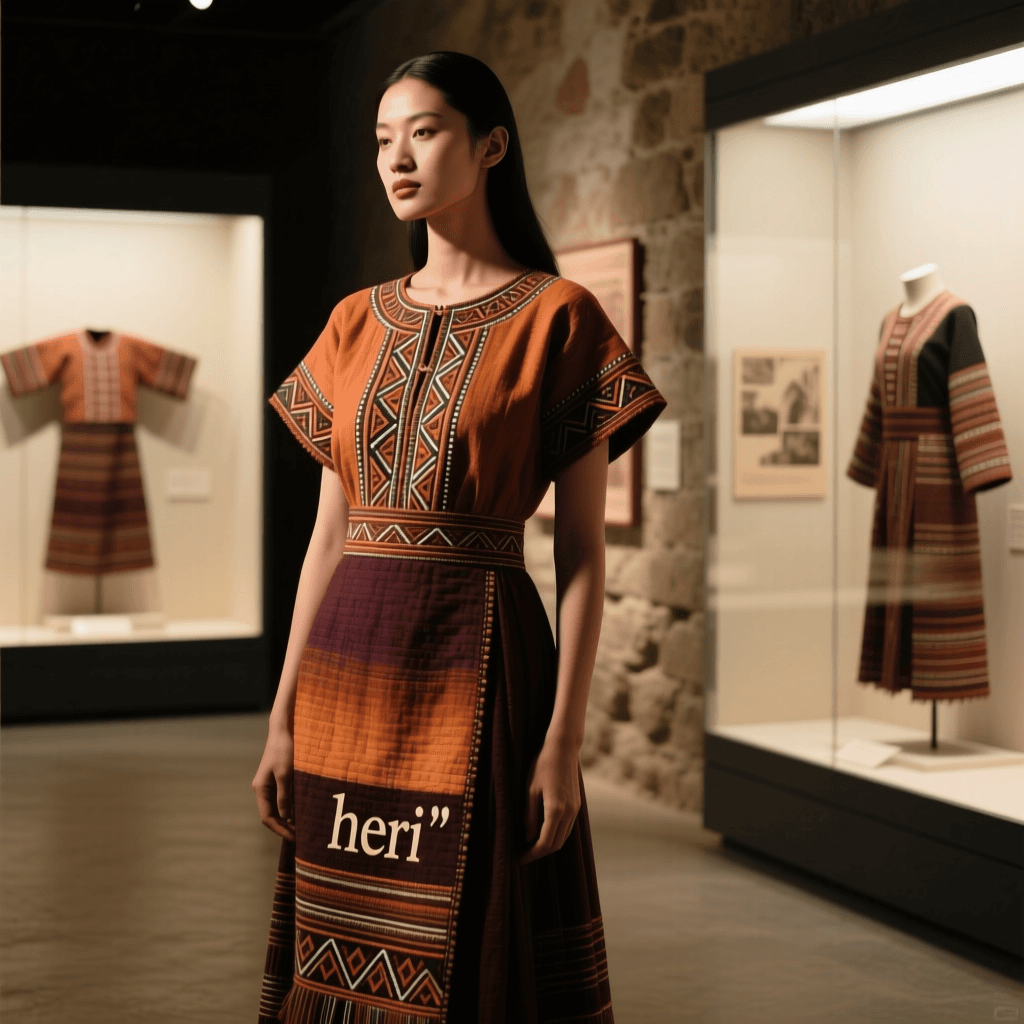
Traditional dress—often referred to as folk dress, national costume, ethnic wear, or regional attire—is defined as the clothing that originates from a specific culture, geographic region, or historical period. Unlike fast fashion, which is driven by fleeting seasonal trends, traditional garments are rooted in the environment, resources, and social structures of the people who created them. The warp & weft of these garments are dictated by local climates, available natural dyes, and indigenous craftsmanship.
For example, the heavy, pleated wool of the Scottish kilt was designed to provide warmth and mobility in the rugged Highlands, while the lightweight, breathable linen of the Mexican guayabera was engineered for comfort in tropical heat. These garments are not merely costumes; they are functional, historical artifacts that have evolved over centuries. To truly understand traditional dress, one must look at the indigenous craftsmanship and textile techniques that give these garments their distinct silhouettes and vibrant patterns.
Furthermore, traditional dress often carries deep symbolic meaning. Colors, motifs, and draping styles can indicate a person’s marital status, age, occupation, or role within a community. Wearing these garments is an act of preserving cultural memory, ensuring that the techniques of ancestral weavers, dyers, and embroiderers are not lost to time.
Styling Heritage Garments for Modern Wardrobes
One of the most common challenges fashion enthusiasts face is figuring out how to wear traditional pieces without looking as though they are wearing a theatrical costume. The secret to styling heritage garments lies in the art of juxtaposition—balancing ornate, historically significant pieces with clean, contemporary basics.
1. The Statement Outerwear Approach
Traditional jackets and coats make incredible statement pieces. A heavily embroidered Indian Nehru jacket, a vintage Chinese Tang suit, or a Mexican Baja jacket can be layered over a crisp white t-shirt and tailored denim. This grounds the historical piece in everyday casualwear, allowing the intricate embroidery techniques to pop against a minimalist backdrop.
2. Mix Textures and Proportions
When working with voluminous traditional garments, such as a wide-legged Thai fisherman pant or a flowing West African boubou, balance is key. Pair voluminous bottoms with a fitted, modern knitwear piece or a structured blazer. Conversely, if you are wearing a richly textured, hand-loomed heritage top, pair it with sleek, modern trousers to let the fabric take center stage.
3. Subtle Nods Through Skirts and Wraps
Accessorizing Cultural Fashion
Accessories are the punctuation marks of any outfit, and when it comes to traditional dress, they offer an opportunity to deepen the cultural narrative of your look. However, the golden rule of accessorizing heritage pieces is to avoid overloading the senses. Let the garments and the accessories breathe.
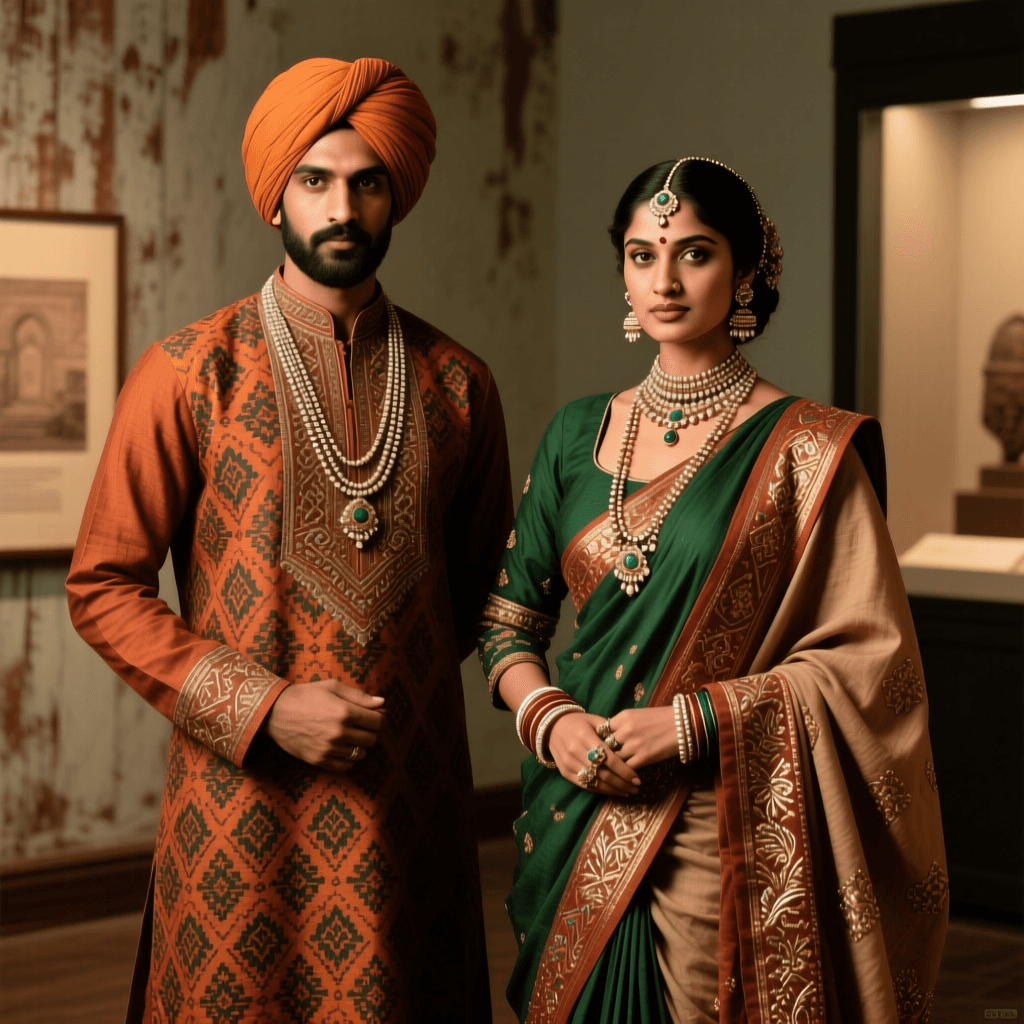
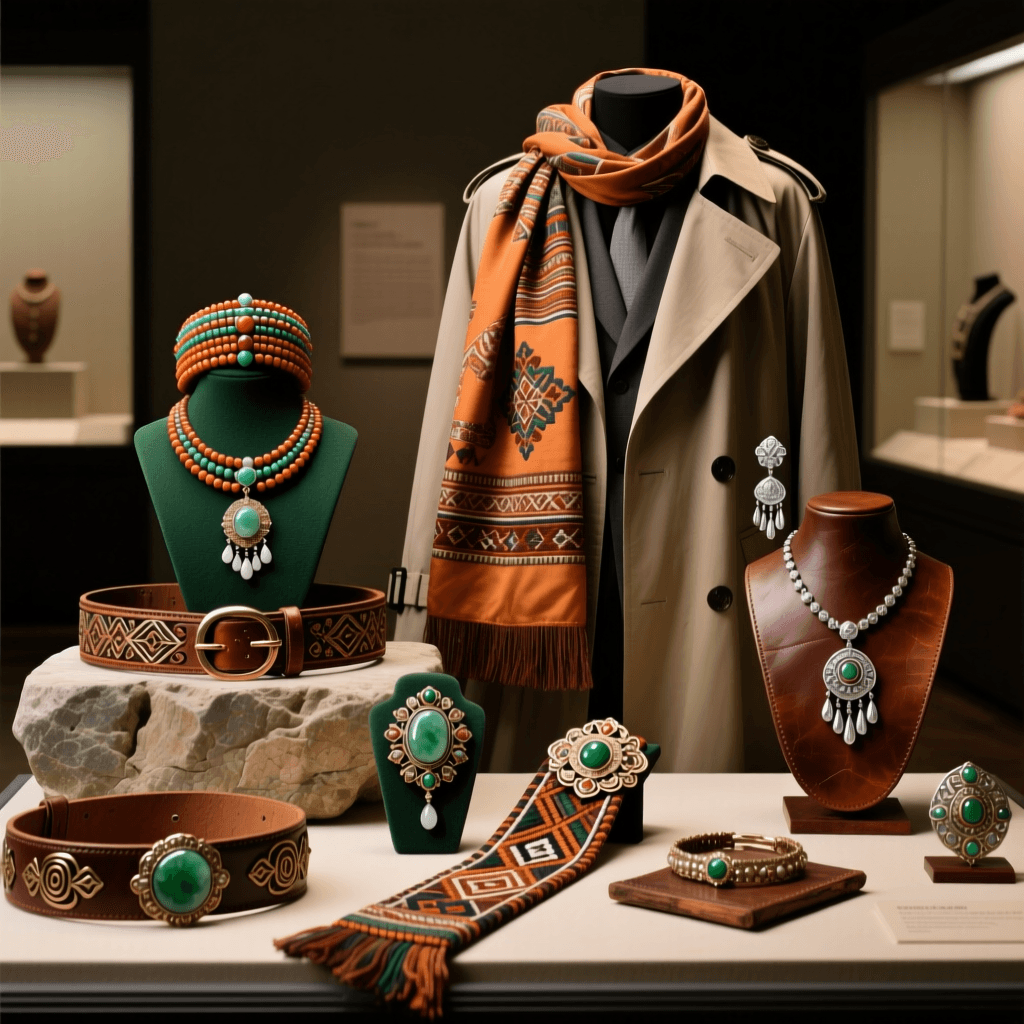
Artisanal Jewelry: Handcrafted jewelry pairs beautifully with traditional textiles. Consider pairing a simple linen dress with heavy Berber silver jewelry from North Africa, or complementing a South Asian kurta with delicate, uncut diamond Polki earrings. The contrast between raw, ancient metalwork and refined fabrics creates a visually stunning aesthetic.
Footwear: Traditional footwear, such as Indian juttis, Moroccan babouches, or Japanese zori, can elevate a simple outfit. Babouches, for instance, have been widely adopted by modern designers and can be worn as chic, backless loafers with tailored trousers or midi skirts. They provide a subtle nod to global heritage while maintaining modern comfort.
Bags and Textiles: If wearing a full traditional garment feels too bold for your daily routine, incorporate heritage through accessories. A hand-woven Andean textile bag, a beaded Maasai collar, or a silk Japanese furoshiki used as a handbag wrap are excellent ways to integrate cultural artistry into a Western-style wardrobe.
Occasions for Traditional Attire
Knowing when and where to wear traditional dress is just as important as knowing how to style it. While some garments are reserved for highly specific ceremonies, many can be adapted for a variety of modern occasions.
Cultural Celebrations and Festivals: This is the most natural environment for full traditional regalia. Diwali, Lunar New Year, Eid, and Juneteenth are occasions where wearing complete, authentic traditional dress is not only appropriate but celebrated. It is a time to embrace the full West African weaving traditions or the intricate silk brocades of East Asia in their most authentic forms.
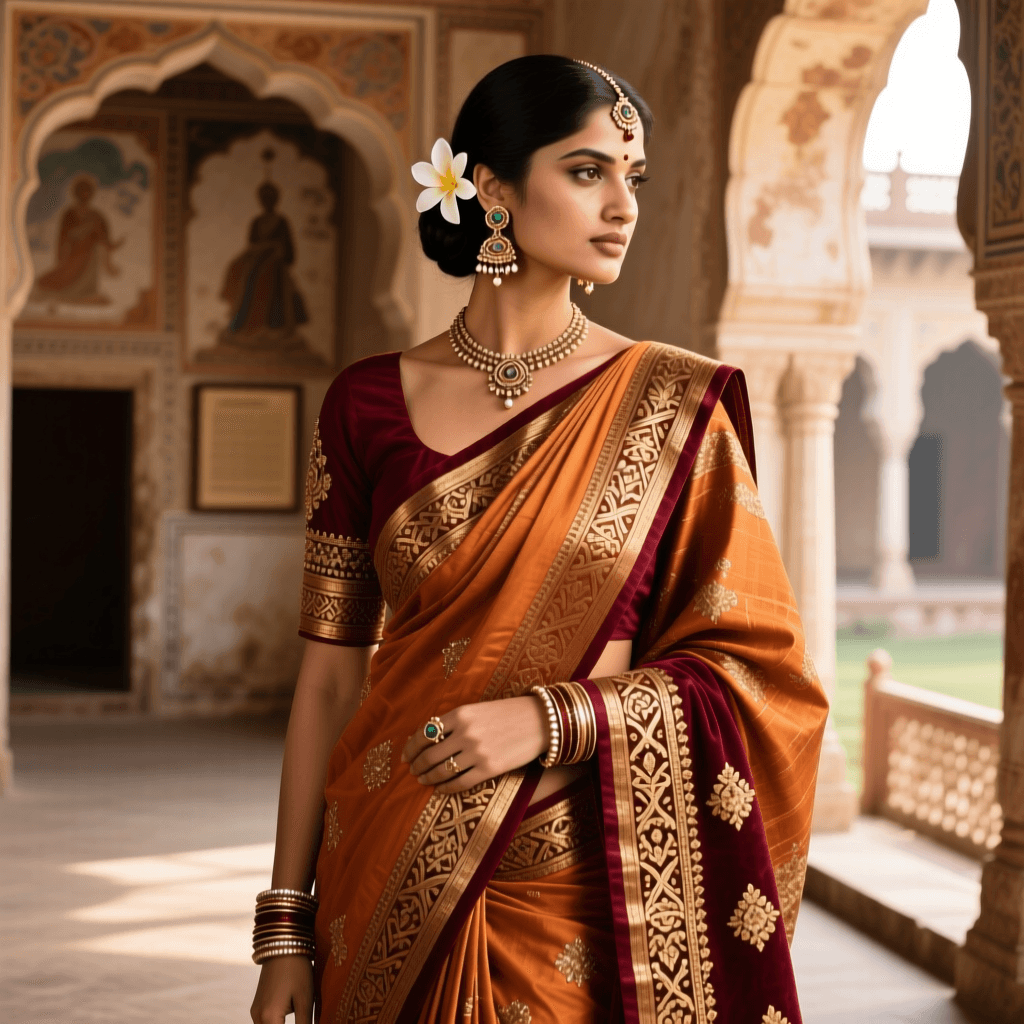
Weddings and Formal Events: Traditional garments often possess a level of grandeur that rivals Western formal wear. A beautifully draped silk sari, a meticulously tailored Korean hanbok, or a regal Nigerian agbada are spectacular choices for black-tie events and weddings. They offer a unique, deeply personal alternative to the standard tuxedo or evening gown.
Everyday and Professional Settings: For the office or casual outings, subtlety is key. Opt for modern interpretations of traditional wear, such as a mandarin-collar shirt, a tunic with subtle heritage block-printing, or a scarf woven using indigenous techniques. These pieces convey a sense of global awareness and refined taste without overwhelming a professional environment.
Modern Adaptations & Fusion Wear
The fashion industry is constantly evolving, and traditional dress is no exception. Today, a new wave of designers is reimagining heritage garments, giving rise to what is known as fusion wear. This movement respects the origins of the clothing while adapting it for the practicalities and aesthetics of modern, globalized life.
Fusion wear might look like a classic Japanese kimono silhouette tailored from modern, washable crepe and cut to a midi-length for easier walking. It might be an Indo-Western gown that combines the structured bodice of a European ballgown with the intricate zardozi embroidery and flowing dupatta of a bridal lehenga. You can explore more about this intersection in our guide to fusion fashion.
These modern adaptations are crucial for the survival of traditional crafts. By making heritage garments more accessible and wearable for everyday life, designers ensure that the artisans who weave, dye, and embroider these textiles have a sustainable, modern market for their skills. It is a beautiful synthesis of history & modernity, proving that traditional dress is not a relic of the past, but a living, breathing component of global style.
Buying Guide: Sourcing Authentic Traditional Garments
When investing in traditional dress, provenance and ethical sourcing are paramount. The rise of global e-commerce has made it easier than ever to buy cultural garments, but it has also led to an influx of mass-produced, culturally appropriated knockoffs. Here is how to build an authentic, ethically sourced heritage wardrobe.
- Buy Direct from Artisans: Whenever possible, purchase directly from artisan cooperatives or regional designers. This ensures that the profits go back into the community that originated the craft, supporting the continuation of indigenous techniques.
- Examine the Craftsmanship: Authentic traditional dress relies on handcrafted details. Look for hand-loomed irregularities in the weave, natural dye variations, and hand-stitched embroidery. If a highly complex traditional pattern is perfectly uniform and printed on cheap synthetic fabric, it is likely a mass-produced imitation.
- Understand the Fabric: True heritage garments are typically made from natural, regionally appropriate fibers like silk, cotton, linen, or wool. Familiarize yourself with textile traditions to better identify authentic materials versus synthetic blends.
- Respect Sacred Motifs: Some patterns and garments hold deep religious or spiritual significance and are not meant for casual wear or commercial exploitation. Always research the cultural context of a garment before purchasing to ensure you are engaging in cultural appreciation rather than appropriation.
For long-term preservation of your authentic pieces, be sure to follow proper garment care protocols, as natural dyes and delicate hand-woven fibers require specialized cleaning and storage methods.
Frequently Asked Questions
What is the difference between traditional dress and a costume?
The distinction lies in context, respect, and lived experience. Traditional dress is the everyday, ceremonial, or historical clothing of a specific culture, worn by the people of that culture to express identity, heritage, and community. A costume, on the other hand, is typically worn for play, performance, or disguise. Wearing another culture's traditional garments as a party costume strips the clothing of its historical significance and reduces it to a caricature, which is why context and respect are vital.
Can I wear traditional clothing if it is not from my culture?
Yes, but it must be done with deep respect, understanding, and proper context. Cultural appreciation involves learning about the garment, purchasing it ethically from creators within that culture, and wearing it in appropriate settings (such as when invited to a traditional wedding or cultural festival). Cultural appropriation occurs when elements of a minority culture are adopted by a dominant culture without understanding, respect, or credit, often for profit or as a fleeting fashion trend.
How do I care for delicate heritage fabrics?
Heritage fabrics, especially those dyed with natural, plant-based colors or woven with delicate hand-spun yarns, require gentle care. Avoid harsh chemical detergents and machine washing. Instead, opt for dry cleaning with specialists who understand vintage and ethnic textiles, or hand-wash in cold water with a pH-neutral soap. Always store traditional garments in breathable cotton bags, away from direct sunlight, to prevent the natural dyes from fading and the fibers from degrading.
What are some examples of traditional dress around the world?
The diversity of traditional dress is staggering. Notable examples include the Japanese kimono, known for its T-shaped silhouette and symbolic motifs; the Indian sari, an unstitched drape that varies in style across different states; the Scottish kilt, a pleated woolen garment representing clan tartans; and the West African agbada, a flowing, wide-sleeved robe worn by men for formal and ceremonial occasions. Each garment reflects the unique climate, history, and artistry of its people.
Is traditional dress considered sustainable fashion?
Inherently, yes. Traditional dress is the antithesis of fast fashion. It is typically made using slow, deliberate methods involving hand-weaving, natural dyeing, and zero-waste cutting techniques (such as the unstitched drape of a sari or a sarong). Because these garments are crafted to last for generations and are often passed down as family heirlooms, they embody the ultimate principles of sustainability, circularity, and mindful consumption.