The Traditional Dress of India: A Complete Styling and Heritage Guide
The Traditional Dress of India: A Complete Styling & Heritage Guide
India is a land of staggering cultural diversity, and nowhere is this more vividly expressed than in its clothing. The traditional dress of India is not merely fabric stitched together; it is a living tapestry of history, regional artisanship, and profound cultural identity. From the flowing elegance of the saree to the structured grace of the sherwani, Indian garments offer a masterclass in color, texture, and silhouette. Whether you are attending a vibrant wedding, celebrating a cultural festival, or simply looking to infuse your wardrobe with global heritage, understanding how to style and wear these garments is essential.
In this comprehensive guide, we explore the foundations of Indian traditional wear, offering practical styling tips, accessory pairings, and modern adaptations to help you wear these timeless pieces with confidence, respect, and impeccable taste.
Iconic Garments: Understanding the Foundations
Before diving into styling, it is crucial to understand the foundational pieces that make up the traditional dress of India. The subcontinent boasts dozens of regional variations, but a few iconic silhouettes form the core of the national wardrobe.
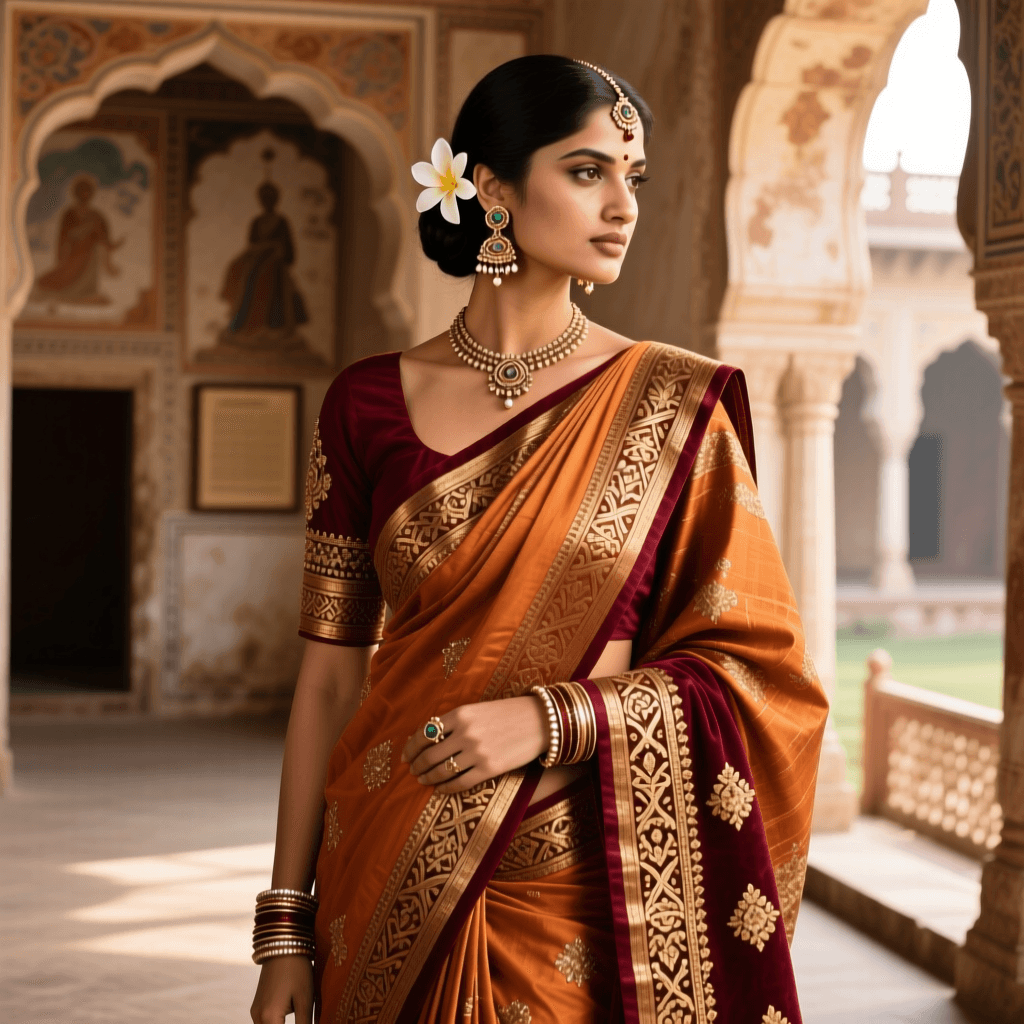
- The Saree: An unstitched drape ranging from five to nine yards, the saree is the most globally recognized Indian garment. It is wrapped around the waist and draped over the shoulder, usually paired with a tailored blouse (choli) and a petticoat. Explore our detailed breakdown of regional saree draping styles to understand how this single garment can yield hundreds of unique looks.
- The Salwar Kameez: A staple of North Indian and Punjabi culture, this ensemble consists of a tunic (kameez), tailored trousers (salwar), and a matching scarf (dupatta). It is celebrated for its comfort and versatility, making it a daily wear staple for millions. Read our complete salwar kameez guide for more on its variations.
- The Lehenga Choli: The quintessential bridal and festive outfit, the lehenga is a heavily embroidered, flared skirt paired with a fitted blouse and a draped dupatta. It offers a regal silhouette that is perfect for grand celebrations.
- The Kurta Pajama & Sherwani: For men, the kurta pajama (a long tunic with lightweight drawstring trousers) is the standard for casual and semi-formal events. For weddings and high-formal occasions, the sherwani—a long, coat-like garment often adorned with intricate embroidery—takes center stage.
- The Dhoti & Mundu: Traditional unstitched garments wrapped around the lower body, predominantly worn by men in South and East India. These garments are deeply tied to regional customs and religious ceremonies.
Styling Tips for Traditional Indian Attire
Styling traditional Indian clothing requires an understanding of proportion, color theory, and drape. Unlike Western fashion, which often relies on structured tailoring, Indian fashion frequently plays with fluid fabrics and voluminous silhouettes.
Mastering the Drape: The way a dupatta or saree pallu (the loose end of the saree) is draped can completely alter the formality of an outfit. For a sleek, modern look, pin the dupatta neatly to the shoulder in precise pleats. For a more traditional, romantic aesthetic, allow the fabric to cascade freely over the arm or drape it across the chest.
Color Coordination & Contrast: Indian fashion embraces bold color palettes. While monochromatic styling is elegant, the true magic of traditional dress lies in contrast. Pair a magenta lehenga with an emerald green dupatta, or style a mustard yellow kurta with a deep navy blue Nehru jacket. Understanding the color wheel will help you create visually striking ensembles that honor the vibrancy of Indian textiles and weaving traditions.
The Importance of Tailoring: While many Indian garments are unstitched or loosely tailored, the fitted components—such as the saree blouse or the lehenga choli—must be tailored to perfection. A well-fitted blouse provides the necessary structure to support the heavy drape of a silk saree, ensuring the garment stays securely in place while flattering your silhouette.
Accessorizing: The Art of Indian Adornment
No traditional Indian outfit is complete without the right accessories. Jewelry and footwear in Indian culture are not mere afterthoughts; they are integral components of the overall aesthetic.
Heritage Jewelry: Indian jewelry is renowned for its intricate craftsmanship. For heavy silk sarees and bridal lehengas, opt for Kundan, Polki, or Meenakari jewelry sets that include a necklace, matching earrings (jhumkas), and a maang tikka (forehead jewelry). For lighter cotton or linen outfits, delicate silver jewelry, oxidized metal bangles, or pearl accents provide a beautiful, understated elegance.
Footwear: Leave the stilettos at home when wearing traditional attire. The most authentic and comfortable footwear choices are juttis or mojaris—handcrafted leather slip-on shoes often featuring vibrant embroidery or mirror work. For a more contemporary edge, block-heeled sandals with metallic finishes pair beautifully with flowing sarees and anarkali suits.
The Potli Bag: Ditch the structured leather handbag in favor of a potli—a traditional drawstring pouch made of silk, velvet, or brocade. Often embellished with beads, zardozi work, or tassels, the potli bag is the perfect functional accessory that maintains the cultural integrity of your outfit.
Occasion-Based Styling: What to Wear & When
Understanding the context of an event is vital when selecting the traditional dress of India. The level of embellishment, fabric choice, and color all communicate different levels of formality.
Weddings & Grand Celebrations: Indian weddings are multi-day, opulent affairs. For the main ceremony, rich fabrics like Banarasi silk, Kanjeevaram, and heavy velvet are expected. Deep reds, royal blues, and emerald greens adorned with gold zari work are highly appropriate. As a guest, avoid wearing solid red or solid white, as these colors are typically reserved for the bride and for mourning, respectively.
Festivals (Diwali, Navratri, Eid): Festive wear calls for joy, brightness, and movement. During Navratri, women often wear Chaniya Cholis (a variation of the lehenga) featuring vibrant mirror work and bandhani (tie-dye) prints. For Diwali and Eid, lighter silks, georgette anarkalis, and intricately embroidered kurtas in jewel tones or pastel hues are perfect choices.
Casual & Daywear: For everyday wear, casual outings, or summer events, breathability is key. Handloom cotton kurtas, linen sarees, and simple salwar suits in block prints or subtle ikat weaves offer immense comfort without sacrificing style. These pieces are excellent for building a sustainable, culturally rich capsule wardrobe.
Modern Adaptations: Blending Heritage with Contemporary Fashion
The beauty of the traditional dress of India lies in its adaptability. Today, designers and fashion enthusiasts are constantly reimagining heritage silhouettes to suit modern, fast-paced lifestyles, giving rise to the incredibly popular Indo-western fusion wear movement.
The Saree Gown & Pre-Draped Saree: For those who love the look of a saree but struggle with the draping process, pre-draped sarees and saree gowns are a revelation. These garments offer the elegant silhouette of a traditional drape but feature hidden zippers, pre-pleated skirts, and attached pallus, allowing you to slip into the outfit in seconds.
Dhoti Pants & Crop Tops: A favorite among contemporary fashionistas, dhoti pants (trousers that mimic the draped look of a traditional dhoti) paired with a heavily embroidered crop top or a structured blazer create a striking fusion look. This combination is perfect for cocktail parties, art galleries, and modern festive gatherings.
Layering with Jackets: Adding a tailored Nehru jacket, a long embroidered waistcoat, or a sheer organza overlay to a simple kurta or saree instantly elevates the outfit. Layering not only adds textural depth but also allows you to transition a simple day outfit into evening-appropriate attire with minimal effort.
The Ultimate Buying Guide for Indian Traditional Wear
Investing in traditional Indian clothing is an investment in art. Because these garments often feature hand-woven textiles and hand-embroidered motifs, knowing what to look for ensures you purchase authentic, high-quality pieces.
Understanding the Textiles: Familiarize yourself with regional weaves. Look for the buttery softness of Chanderi cotton, the rich gold borders of Kanjeevaram silk, or the intricate geometric patterns of Patola. When purchasing silk, always look for the Silk Mark certification to guarantee authenticity. For a deeper dive into these magnificent materials, explore our archive on traditional embroidery techniques and regional weaves.
Evaluating Craftsmanship: Examine the embroidery closely. Hand-embroidered pieces (like authentic Zardozi or Chikankari) will have slight, beautiful irregularities on the reverse side of the fabric, whereas machine-made embroidery will look perfectly uniform and often features a thick, synthetic backing. Handcrafted garments carry a soul and a story that mass-produced items simply cannot replicate.
Sizing & Alterations: Indian sizing can vary wildly between boutiques and designers. Always rely on your exact body measurements (bust, waist, hips, and shoulder width) rather than standard letter sizes. Furthermore, budget for a skilled tailor who understands the specific construction of Indian garments, particularly for adjusting blouse lengths, hemming heavy lehengas, or taking in the shoulders of a sherwani.
Garment Care: Traditional garments require specialized care to preserve their longevity. Dry cleaning is usually mandatory for silks and heavily embroidered pieces. Store your garments in breathable muslin bags to prevent moisture buildup and protect the delicate zari threads from tarnishing. For detailed instructions on preserving your investment, read our guide on silk garment maintenance.
Frequently Asked Questions
What is the most common traditional dress in India?
While India is incredibly diverse, the saree is the most universally recognized and widely worn traditional garment for women across various regions, religions, and age groups. For men, the kurta pajama is the most common traditional attire, worn for everything from daily prayers to festive gatherings. However, regional variations like the Mekhela Chador in Assam or the Phiran in Kashmir are equally significant in their respective locales.
How do I choose the right fabric for Indian traditional wear?
Your fabric choice should be dictated by the season and the occasion. For summer weddings and daytime festivals, opt for breathable, lightweight fabrics like cotton, linen, georgette, or chiffon. For winter events and grand evening celebrations, choose rich, structured fabrics like raw silk, velvet, brocade, or heavy Kanjeevaram silk, which provide warmth and hold elaborate embroidery beautifully.
Can non-Indians wear traditional Indian clothing?
Absolutely. Indian culture is deeply hospitable, and wearing traditional attire is generally viewed as a sign of respect and appreciation for the culture, especially when attending an Indian wedding, a religious ceremony, or a cultural festival like Diwali. The key is to wear the garments respectfully, ensuring they are styled correctly and that you understand the basic cultural context of the outfit.
What footwear pairs best with a saree or lehenga?
Traditional Indian footwear like juttis, mojaris, or kolhapuris are the most authentic choices. They are flat, comfortable, and feature intricate embroidery that complements the outfit. If you prefer height, opt for block heels or wedges with metallic or embroidered finishes. Avoid open-toed stilettos or heavy platform shoes, as they can easily snag on the delicate hemlines of sarees and lehengas.
How should I store and care for heavily embroidered garments?
Heavily embroidered garments, particularly those with metallic zari work, should never be washed at home. Always seek a reputable dry cleaner who specializes in ethnic wear. When storing, wrap the garment in acid-free tissue paper or unbleached muslin cloth to allow the fabric to breathe. Avoid plastic covers, which can trap humidity and cause the metallic threads to oxidize and tarnish. Store the garments flat in a cool, dark drawer to prevent the heavy embroidery from stretching the delicate base fabric.