A Global Guide to Traditional Dress: Styling, Heritage & Modern Wear
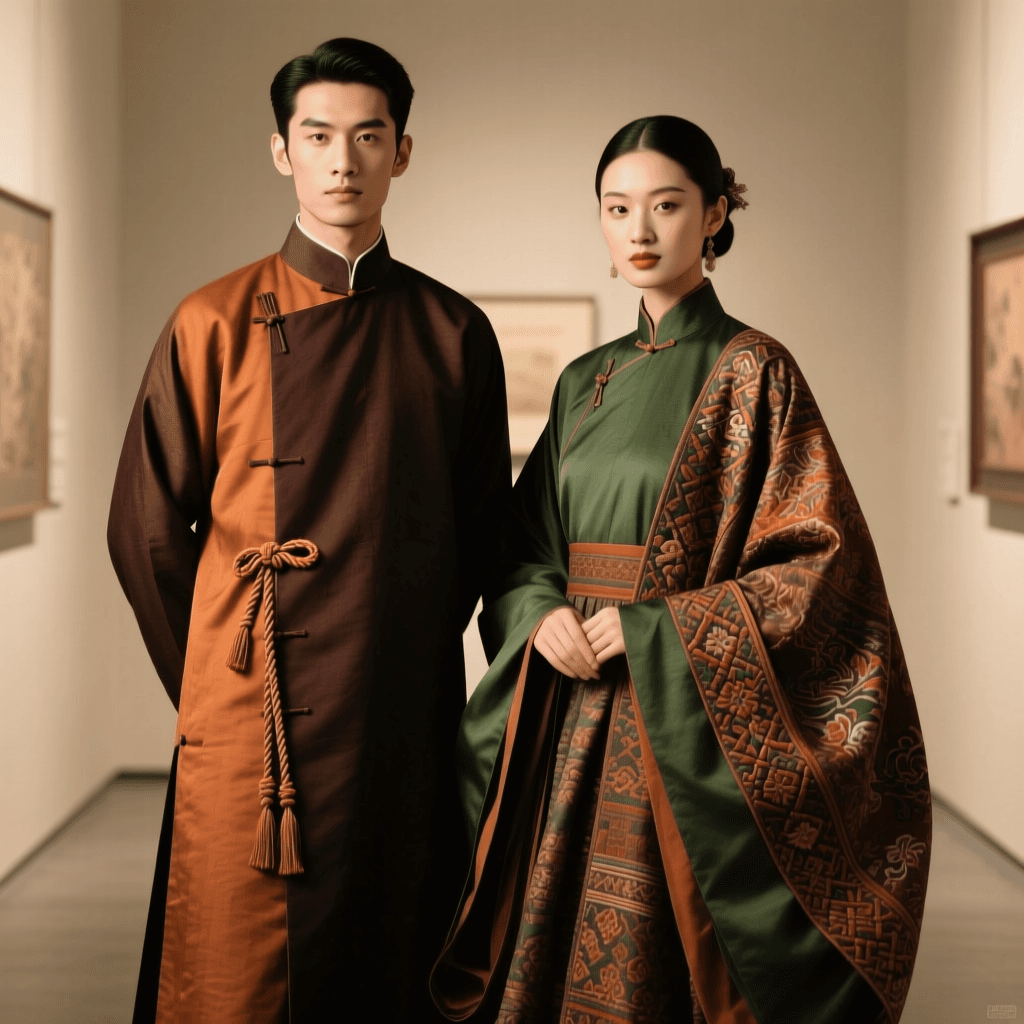
Clothing is far more than mere fabric; it is a woven tapestry of history, identity, and artistry. Across the globe, traditional garments serve as living archives of cultural heritage, preserving ancient textile techniques, regional aesthetics, and profound social symbolism. At The Garment Atlas, we believe that understanding the roots of these iconic silhouettes enriches our appreciation for global craftsmanship. Whether you are a fashion historian, a traveler seeking authentic experiences, or a style enthusiast looking to incorporate heritage pieces into your wardrobe, exploring a comprehensive list of traditional dress is the first step toward sartorial enlightenment.
However, wearing and styling cultural attire requires a delicate balance of respect, knowledge, and aesthetic sensibility. This guide delves into the world’s most iconic traditional garments, offering practical styling advice, accessory pairings, and insights into modern adaptations. By bridging the gap between historical preservation and contemporary fashion, we can celebrate global diversity while honoring the artisans who keep these magnificent traditions alive.
Exploring the Global List of Traditional Dress
The world is home to thousands of distinct regional garments, each defined by its unique climate, available resources, and cultural narratives. While a complete encyclopedia would fill volumes, our curated list of traditional dress highlights some of the most globally recognized and culturally significant garments. These pieces represent the pinnacle of heritage craftsmanship and offer endless inspiration for those studying global style.
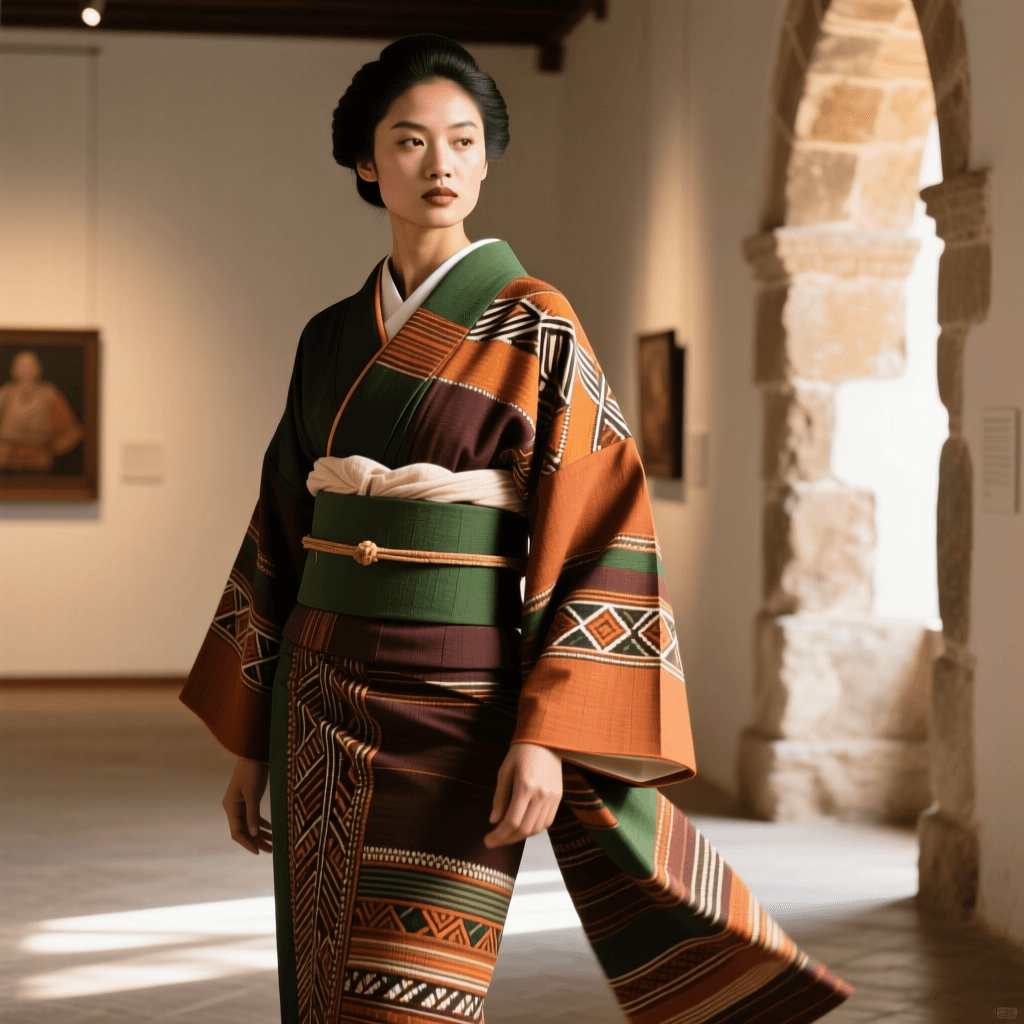
- The Kimono (Japan): Recognized for its T-shaped silhouette and intricate surface design, the kimono is a masterclass in textile artistry. From the subtle elegance of the komon to the lavish brocades of the furisode, this garment relies on the beauty of the fabric rather than complex tailoring. Dive deeper into its history and construction in our Japanese Kimono heritage guide.
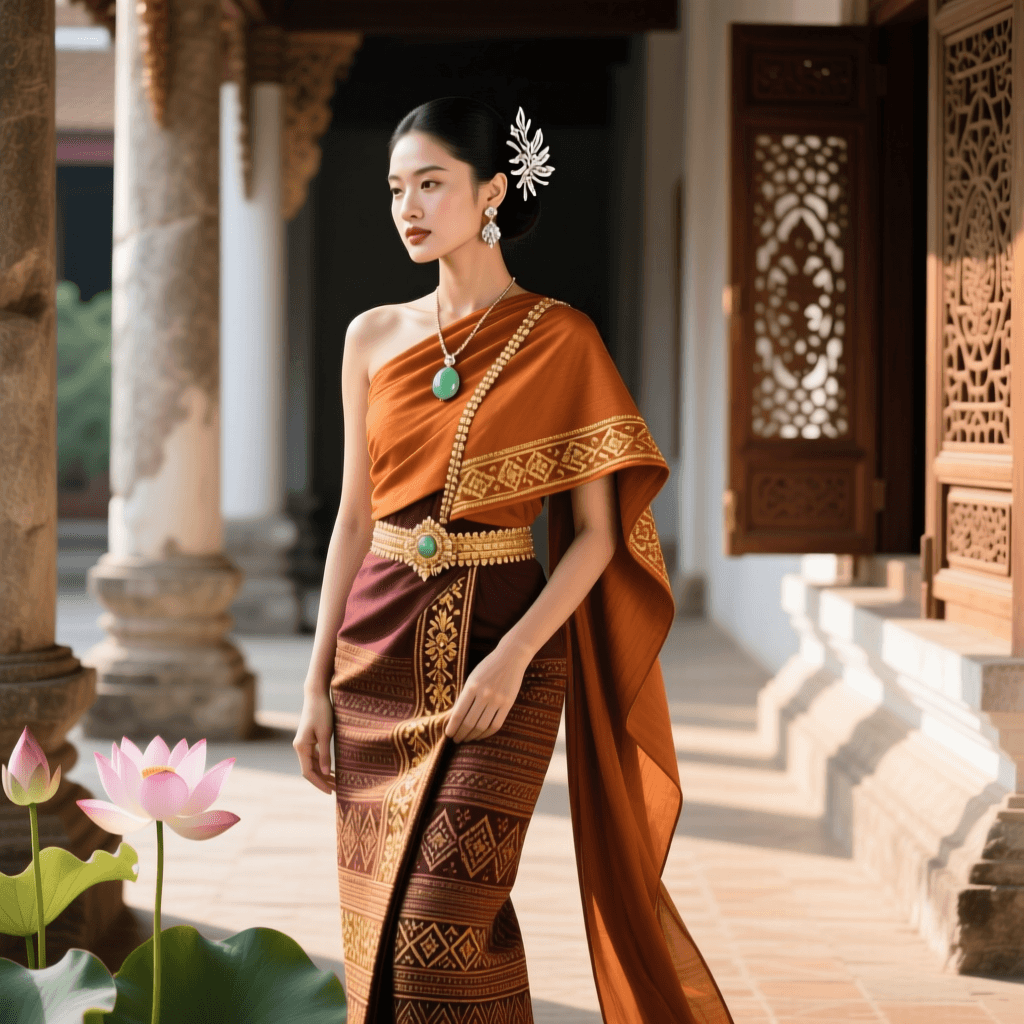
- The Sari (India): An unstitched marvel of drape and proportion, the sari is a continuous piece of cloth, typically ranging from five to nine yards in length. Its versatility allows for over a hundred distinct regional draping styles, making it one of the most dynamic garments on our list of traditional dress. Explore the myriad ways to style this iconic piece in our Indian Sari garment guide.
- The Kilt (Scotland): A symbol of Highland pride, the kilt is a knee-length, pleated skirt traditionally woven from tartan wool. Each tartan pattern historically represents a specific clan or region, turning the garment into a wearable crest. Learn more about the weaving techniques and clan histories in our Scottish Kilt cultural archive.
- The Kente Cloth (Ghana): Originating from the Ashanti Kingdom, Kente is a vibrant, handwoven silk and cotton fabric characterized by its bold geometric patterns and striking color palettes. Traditionally reserved for royalty and sacred ceremonies, it remains a powerful symbol of West African heritage. Discover the meanings behind its colors in our West African Kente guide.
- The Huipil (Mesoamerica): A loose-fitting tunic woven on a backstrap loom, the huipil is a cornerstone of indigenous dress in Mexico and Central America. The intricate brocade and embroidery patterns often depict local flora, fauna, and cosmological beliefs, serving as a visual language for the wearer’s community. Read more about its weaving traditions in our Mesoamerican Huipil feature.
Styling Tips for Cultural & Heritage Garments
Styling traditional dress for contemporary settings requires an understanding of the garment’s foundational architecture. Unlike Western fashion, which often relies on darts, seams, and structured tailoring to follow the body’s contours, many heritage garments rely on draping, wrapping, and layering. Mastering these techniques is essential for achieving an elegant, authentic silhouette.
First and foremost, invest in the correct underpinnings. A sari requires a well-fitted petticoat and a tailored blouse (choli) to anchor the heavy pleats and pallu securely. Similarly, a kimono demands specific undergarments, such as the nagajuban and various padding ties, to create the traditional cylindrical silhouette that prevents the outer silk from clinging to the body. Neglecting these foundational layers often results in a disheveled appearance that compromises the garment's structural integrity.
When it comes to fit and proportion, resist the urge to overly tailor traditional garments to mimic modern Western cuts. The beauty of a huipil lies in its boxy, relaxed drape, which allows the handwoven textile to cascade naturally. If you must adjust a garment for comfort or mobility, consult a tailor who specializes in heritage clothing to ensure that sacred motifs are not severed and that the original drape remains intact. For more tips on achieving the perfect drape, explore our extensive draping techniques tutorial.
Accessorizing Traditional Attire
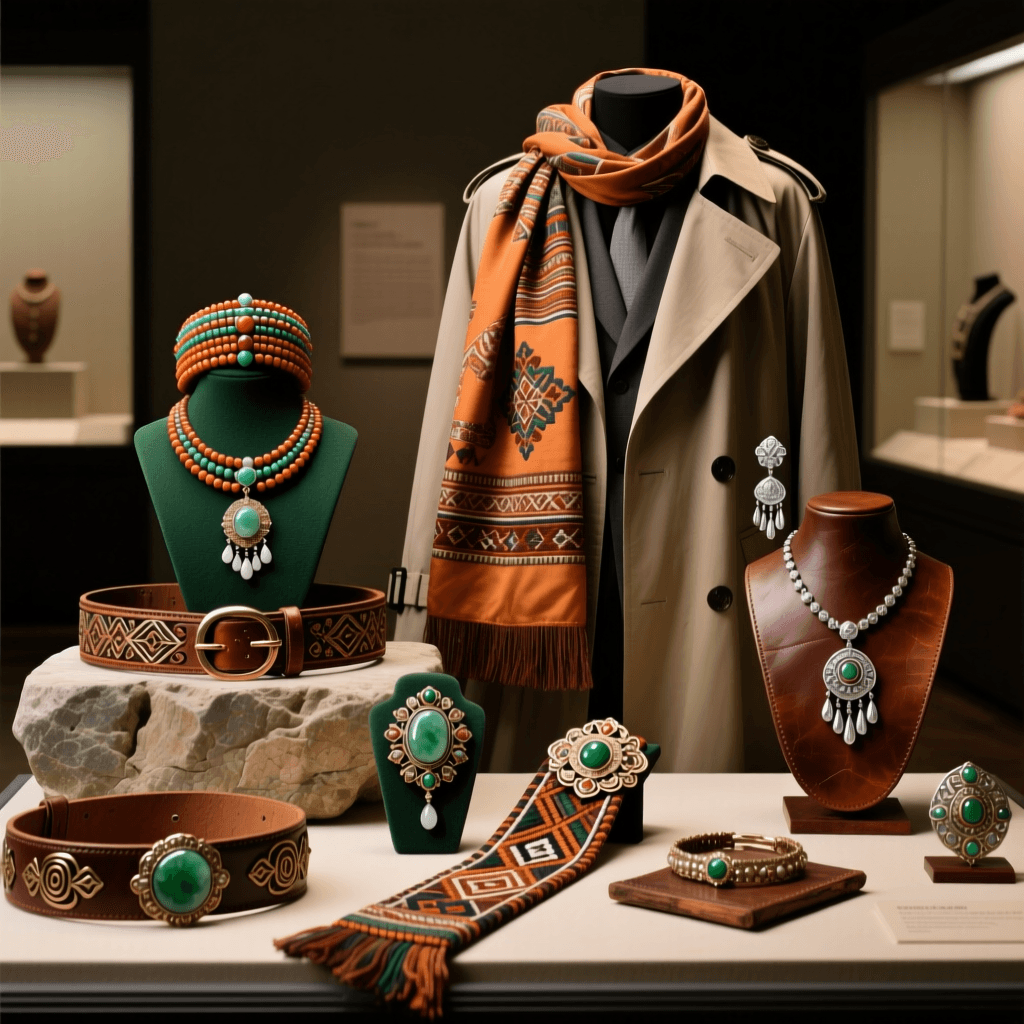
Accessories are the vital punctuation marks that complete a traditional ensemble. They are rarely an afterthought; instead, they are deeply embedded in the cultural significance of the attire, often denoting marital status, social standing, or regional origin. Pairing the right accessories with your heritage garment elevates the entire look from a simple outfit to a fully realized cultural expression.
Footwear is a critical consideration. Traditional garments often dictate specific shoes that complement the hemline and historical context. For instance, the Scottish kilt is traditionally paired with ghillie brogues and accompanied by a sporran (a leather or fur pouch) that serves both a practical and decorative purpose, as the kilt lacks pockets. In South Asia, intricately embroidered mojari or jutti flats provide comfort while echoing the rich textile work of the sari or lehenga. In Japan, the height and style of geta or zori sandals are carefully selected to match the formality of the kimono and the season.
Jewelry and headwear also play pivotal roles. Celtic brooches, Maang tikka (forehead jewelry), and elaborate silver headdresses are not merely decorative; they are heirlooms that carry generational weight. When styling these pieces, allow the jewelry to dictate the neckline and hairstyle. A heavy, ornate collar necklace requires an open neckline and an updo to ensure the craftsmanship remains visible and uncluttered.
Occasions for Wearing Traditional Dress
Understanding the appropriate context for wearing traditional dress is just as important as knowing how to style it. While some cultural garments have transitioned into everyday wear, many are reserved for specific milestones, religious ceremonies, and communal celebrations. Wearing highly formal heritage attire to a casual event can sometimes be viewed as a faux pas, making it essential to read the room and understand the garment's inherent formality.
Weddings and milestone celebrations are the most universal occasions for donning traditional dress. In many cultures, bridal wear is a spectacular display of regional textiles, such as the red silk Banarasi sari in India or the vibrant, multi-layered Hanbok in Korea. These events provide a joyous, celebratory environment where maximalist styling, heavy embroidery, and heirloom jewelry are not only appropriate but expected.
Cultural festivals, national holidays, and heritage months also offer wonderful opportunities to wear traditional attire. Events like Diwali, Burns Night, or Lunar New Year are deeply tied to cultural pride, making them the perfect setting to showcase authentic garments. Furthermore, in the realm of global diplomacy and formal state galas, traditional dress is frequently worn as a mark of national pride and respect, proving that heritage garments hold a prestigious place on the world stage alongside the most exclusive Western haute couture.
Modern Adaptations & Contemporary Fusion
As global borders blur and fashion evolves, traditional dress has naturally undergone modern adaptations. Contemporary designers and everyday style enthusiasts are finding innovative ways to integrate heritage textiles and silhouettes into modern wardrobes, creating a vibrant fusion of past and present. This evolution ensures that ancient craftsmanship remains relevant and economically viable in the modern era.
One of the most popular modern adaptations is the concept of separates. A heavily embroidered kimono jacket can be styled over a crisp white t-shirt and tailored denim for a striking, high-low aesthetic. Similarly, the voluminous sleeves of a traditional Mesoamerican blouse can be tucked into a sleek, high-waisted midi skirt, blending indigenous artistry with modern minimalism. This approach allows wearers to honor the textile while adapting the silhouette for urban, fast-paced lifestyles.
Fusion fashion also extends to formalwear. Designers are increasingly merging Western tailoring with traditional textiles, creating structured blazers from handwoven Kente cloth or crafting evening gowns that utilize the draping techniques of the sari. If you are interested in exploring this intersection of global heritage and modern design, our fusion fashion style guide offers a wealth of inspiration for blending cultural elements seamlessly into contemporary wardrobes.
Buying Guide: Sourcing Authentic Traditional Clothing
The global appetite for traditional dress has unfortunately given rise to mass-produced, culturally appropriated knockoffs that undermine the livelihoods of indigenous artisans. When building a collection of heritage garments, it is paramount to source authentically and ethically. True traditional dress is defined by its materials, its construction methods, and the hands that made it.
Always prioritize purchasing directly from artisan cooperatives, certified heritage weavers, or reputable boutiques that maintain transparent supply chains. Authentic handloom textiles, such as genuine Indian silk or Scottish tartan woven in the Highlands, possess a distinct texture, weight, and irregularity that power-loomed factory replicas simply cannot replicate. Look for geographical indication (GI) tags and fair-trade certifications, which guarantee that the garment originates from its traditional region and that the artisans were compensated fairly.
When evaluating a piece, examine the warp & weft of the fabric, the quality of the natural dyes, and the finishing of the seams or hems. Traditional garments are built to last generations, often utilizing techniques that allow the fabric to be unpicked and re-draped as the wearer’s body changes. For comprehensive advice on maintaining these precious textiles, consult our fabric care and preservation guide to ensure your heritage pieces remain pristine for years to come.
Frequently Asked Questions
Is it appropriate for outsiders to wear traditional dress from other cultures?
Generally, wearing traditional dress is welcomed and celebrated when done with respect, understanding, and a genuine appreciation for the culture. The key distinction lies between cultural appreciation and cultural appropriation. If you are invited to a cultural celebration, wedding, or festival, wearing the traditional attire of the host culture is often seen as a sign of deep respect. However, it is crucial to avoid wearing sacred or highly specific ceremonial garments (like a Native American war bonnet) as casual costumes, and one should always strive to purchase from authentic sources rather than buying cheap, mass-market caricatures of the garment.
How do I care for delicate heritage fabrics like silk and brocade?
Heritage fabrics require meticulous care to preserve their structural integrity and vibrant dyes. Avoid machine washing or harsh chemical dry cleaning, as these can strip natural oils from silk and cause metallic threads in brocades to tarnish or snap. Instead, opt for specialized conservation cleaning or gentle hand-washing with pH-neutral detergents designed for delicate textiles. Always store traditional garments flat or rolled in acid-free tissue paper to prevent permanent creasing and protect them from direct sunlight, which can cause irreversible fading.
What is the difference between a traditional garment and a historical costume?
A historical costume is a reproduction of clothing from a specific, bygone era, typically worn for theatrical performances, reenactments, or museums. It represents a frozen moment in time. A traditional garment, conversely, is a living piece of cultural heritage. While its roots may be centuries old, it continues to evolve, adapt, and be worn by living communities in the present day. Traditional dress is integrated into contemporary life, whereas a historical costume is separated from modern daily existence.
Where can I find authentic, ethically made traditional clothing online?
To find authentic traditional clothing online, look for platforms that partner directly with artisan guilds, fair-trade organizations, and regional weaving cooperatives. Websites dedicated to slow fashion and heritage crafts often provide detailed biographies of the weavers and explain the specific techniques used, such as ikat, batik, or backstrap looming. Avoid large, fast-fashion marketplaces that use culturally significant terms as mere aesthetic descriptors, as these rarely support the original creators and often utilize synthetic, mass-produced fabrics.
Can traditional dress be altered for a modern fit?
While minor alterations can be made for comfort, it is highly recommended to preserve the original construction of a traditional garment. Many heritage pieces, like the sari or the kilt, are designed to be adjustable through wrapping and pleating, negating the need for permanent tailoring. If a garment like a huipil or a kimono requires adjustment, consult a specialist tailor who understands the cultural geometry of the piece. Cutting into handwoven textiles or altering sacred proportions can diminish both the cultural value and the resale value of the garment.