How to Wear Thai Traditional Dress: A Complete Styling Guide
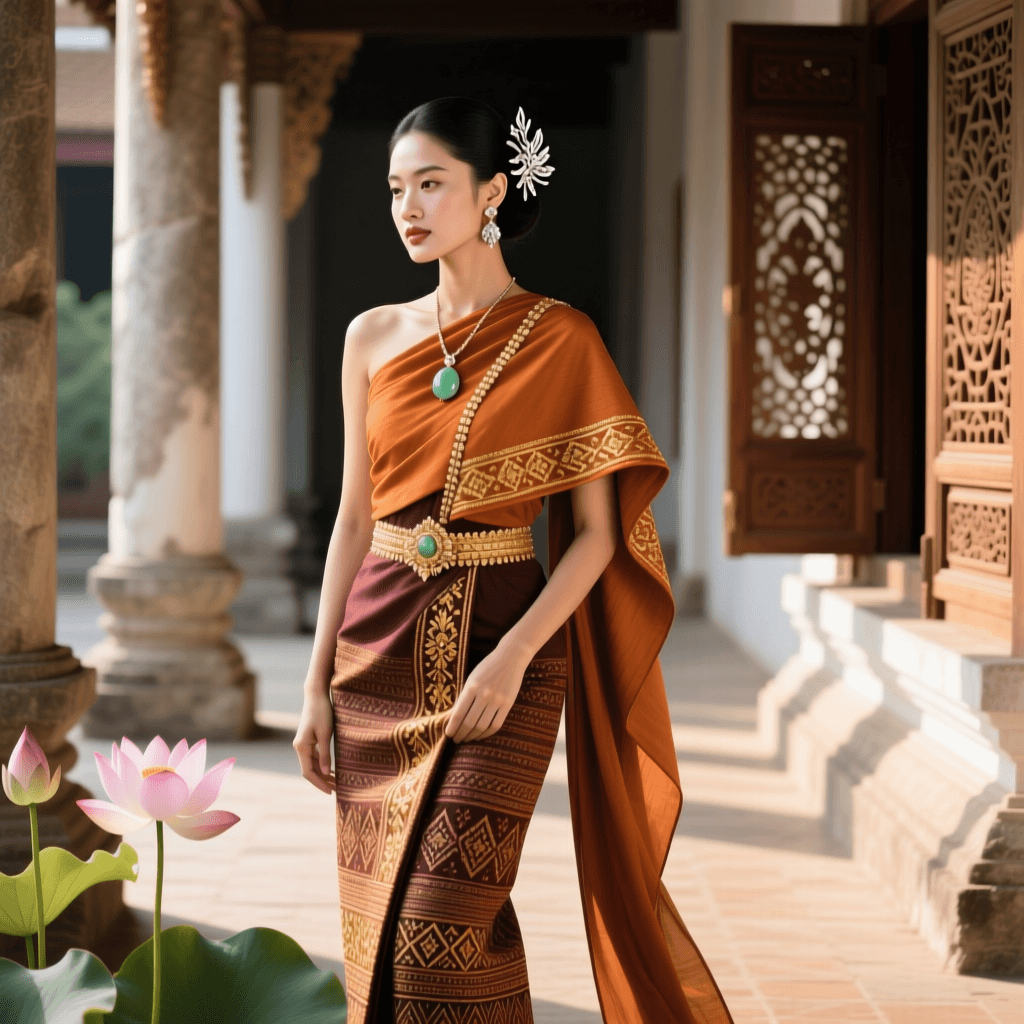
Thai traditional dress, collectively known as Chut Thai, is a breathtaking expression of Southeast Asian heritage, elegance, and meticulous craftsmanship. From the intricate weaves of Mudmee silk to the flowing grace of the Sabai shawl, these garments are far more than mere clothing; they are a wearable tapestry of history. Whether you are attending a traditional wedding, participating in a cultural festival, or simply looking to incorporate global heritage into your wardrobe, understanding how to wear Thai traditional dress is essential for honoring its origins while looking your absolute best.
The modern revival of Chut Thai owes much to Queen Sirikit, who championed the preservation of local weaving techniques and established a standardized wardrobe of traditional silhouettes. Today, the intersection of history & modern fashion allows anyone to embrace these stunning garments with confidence. In this comprehensive styling guide, we will explore the core elements of Chut Thai, provide step-by-step draping instructions, and share expert tips on accessorizing for any occasion. For a deeper dive into the origins of these magnificent textiles, be sure to explore our cultural heritage archives.
Understanding the Core Elements of Chut Thai
Before you begin styling, it is crucial to understand the foundational pieces that make up the traditional Thai wardrobe. While there are several regional variations and eight officially recognized styles of Chut Thai for women, most ensembles are built upon three primary garments.
The Sinh is the cornerstone of the outfit. This is a tubular or wrap-around skirt, typically hand-woven from silk or cotton, featuring a distinct waistband, a plain body, and a highly decorated hem known as the tin jok. The Sabai (or Pha Biang) is a long, rectangular piece of fabric draped over the shoulder and across the chest, functioning as a shawl or breast cloth. Finally, the Chong Kraben is a lower-body garment that is wrapped and tucked to resemble baggy trousers, traditionally worn by both men and women in historical contexts, though less common in modern formal womenswear.
Men’s traditional attire is generally more streamlined, often featuring a Suea Phraratchathan (a mandarin-collar jacket) paired with Chong Kraben trousers and a sash. However, the principles of fabric quality, fit, and respectful styling apply universally across all genders. If you are new to working with wrap-around garments, our guide to wrapping sarongs offers excellent foundational techniques that translate perfectly to securing a Sinh.
How to Style and Drape the Sabai
The Sabai is arguably the most iconic & challenging element of Thai traditional dress to master. When draped correctly, it creates a stunning, asymmetrical silhouette that exudes regal elegance. Here is a practical approach to achieving the perfect drape.
First, choose a Sabai made from a fabric with enough weight to hold pleats but enough fluidity to drape gracefully, such as Thai silk brocade or a fine silk-cotton blend. Begin by anchoring the top edge of the fabric at your waist on the side opposite your draping shoulder. Wrap the fabric across your back, bring it under your arm, and pull it across your chest. The key to a polished look lies in the pleating. As you bring the fabric over your shoulder, create tight, uniform pleats along the chest area, securing them temporarily with safety pins hidden beneath the folds.
Once the chest is secured, allow the remaining fabric to cascade down your back. You can either pin the tail to the waistband of your Sinh at the back or let it hang freely for a more romantic, flowing effect. To prevent the Sabai from slipping off your shoulder throughout the day, use a decorative brooch or a traditional chain pin at the shoulder seam. This not only secures the garment but also adds a focal point of jewelry to the ensemble. For more inspiration on styling regional wraps, check out our broader guide to Southeast Asian traditional clothing.
Essential Accessories to Complete the Look
No Chut Thai ensemble is complete without the right accessories. Traditional Thai jewelry is heavily influenced by nature, royal court aesthetics, and ancient metallurgy, predominantly featuring gold or gold-toned metals.
- The Sangwan: This is a traditional chain belt worn diagonally across the torso, mimicking the drape of the Sabai. It adds a layer of metallic brilliance and helps weigh down the fabric, keeping your drape secure.
- Pahurang and Bracelets: Intricate upper-arm bands (Pahurang) and stacked gold bracelets are classic choices. They draw attention to the hands and arms, which are often left bare by the asymmetrical Sabai drape.
- Hair and Florals: Traditional Thai hairstyles often involve elegant updos adorned with fresh flowers, particularly jasmine or marigolds. A simple, sleek chignon paired with a delicate floral pin bridges the gap between vintage glamour and natural beauty.
- Footwear: While historically barefoot or simple leather sandals were worn, modern styling calls for elegant, closed-toe heels or embellished flats in neutral tones like gold, bronze, or deep jewel tones that complement the hem of your Sinh.
Choosing the Right Chut Thai for Every Occasion
Selecting the appropriate style and fabric for your event is a sign of cultural respect and sartorial intelligence. The eight official styles of Chut Thai range from everyday elegance to highly formal court attire.
For weddings and grand evening galas, the Chut Thai Chakkraphat is the premier choice. This style features a heavily embroidered, pleated Sabai worn over a fitted, long-sleeved top, paired with a brocade Sinh. The rich textures and metallic threads catch the light beautifully, making it perfect for formal photography. For daytime festivals, temple visits, or cultural ceremonies, the Chut Thai Amarin is highly appropriate. It utilizes a simpler, waist-length blouse with a stand-up collar and a beautifully patterned Mudmee silk skirt, offering comfort & breathability without sacrificing elegance.
When attending events during the hot season, opt for lighter silk-cotton blends and pastel or earth-toned dyes. Conversely, the cool season and evening events call for richer, deeper hues like emerald, sapphire, and ruby, woven into heavier Yok Dok brocades. Always ensure your hemline grazes the floor gracefully, hiding the heel of your shoe to elongate your silhouette.
Modern Adaptations for Everyday Elegance
You do not need a royal invitation to incorporate Thai textiles into your modern wardrobe. Contemporary fashion enthusiasts are increasingly blending traditional elements with everyday pieces to create a unique, globally-minded aesthetic.
One of the most accessible ways to do this is by pairing a traditional, hand-woven Sinh skirt with a modern, minimalist silk camisole or a tailored linen blazer. This juxtaposition highlights the intricate tin jok hem of the skirt while keeping the overall silhouette grounded in modern street style. Alternatively, you can drape a lightweight, sheer Sabai over a sleek, contemporary evening gown, using it as an avant-garde shawl that adds a touch of Southeast Asian heritage to Western formalwear.
Designers are also reimagining the Suea Phraratchathan jacket for women, tailoring it with nipped waists and pairing it with wide-leg silk trousers for a powerful, sophisticated office look. By supporting local artisans who weave these textiles, you are participating in the sustainable fashion movement, ensuring that ancient techniques survive in the modern era.
Buying Guide: Where to Find Authentic Thai Garments
Investing in authentic Chut Thai is an investment in wearable art. When shopping, the quality of the silk and the integrity of the weave should be your primary concerns. Beware of mass-produced, synthetic imitations sold in tourist markets; these lack the breathability, luster, and cultural significance of genuine Thai silk.
For the highest quality, seek out reputable silk houses and certified OTOP (One Tambon One Product) village cooperatives. Authentic Mudmee silk will have slight, beautiful irregularities in the pattern, which are the hallmarks of hand-tied & hand-dyed threads. When purchasing a Sinh, ensure the waistband is made of a sturdy, contrasting fabric that will grip your blouse or top and prevent slipping.
If you are buying fabric to have a garment custom-tailored, purchase at least three to four meters of silk to allow for the Sabai drape and the intricate pleating required for the skirt. Tailoring Chut Thai requires a seamstress who understands the specific structural needs of the garments, particularly the hidden weights and internal anchoring needed for the Sabai. Once you have acquired your precious silks, proper maintenance is vital. Consult our comprehensive silk fabric care guide to learn how to wash, store, and preserve your hand-woven textiles for generations.
Frequently Asked Questions
Can foreigners wear Thai traditional dress?
Yes, absolutely. Thai culture is incredibly welcoming, and foreigners wearing Chut Thai to appropriate events, weddings, or cultural festivals is generally viewed as a sign of deep respect and appreciation for Thai heritage. The key is to wear the garments correctly, modestly, and with an understanding of their cultural significance, rather than treating them as a novelty costume.
How do I keep the Sabai from slipping off my shoulder?
The secret to a secure Sabai lies in hidden anchoring. Use small, discreet safety pins to attach the inner layer of the Sabai to the strap of your blouse or the waistband of your Sinh. Additionally, wearing a decorative chain (Sangwan) or a heavy brooch over the shoulder drape adds physical weight that prevents the silk from sliding down your arm.
What footwear is appropriate with Chut Thai?
Because the Sinh skirt is traditionally worn long, your footwear will be mostly hidden. However, comfort is essential for standing during long ceremonies. Opt for closed-toe pumps or elegant flats with a slight heel. Avoid open-toed sandals or overly casual footwear, as they clash with the formality of the silk and can look unbalanced if the hem lifts while walking.
How should I care for my hand-woven Thai silk garments?
Authentic Thai silk is delicate and requires specialized care. Never machine wash or wring out hand-woven silk. Instead, hand wash gently in cool water with a mild, pH-neutral detergent, or seek out a dry cleaner who specializes in heritage textiles. Always store your silk garments flat or loosely rolled in breathable cotton bags, away from direct sunlight, to prevent the natural dyes from fading and the fibers from weakening.
Is it acceptable to mix and match different regional textiles?
While traditionalists might prefer a matched set from a specific region (such as a Khon Kaen Mudmee skirt with a complementary shawl), modern styling allows for mixing textures and regions. The most important rule is to ensure the color palette is harmonious and that the weight of the fabrics is relatively similar, so one garment does not overwhelm the other.