How to Wear Chinese Traditional Dress: A Complete Styling Guide
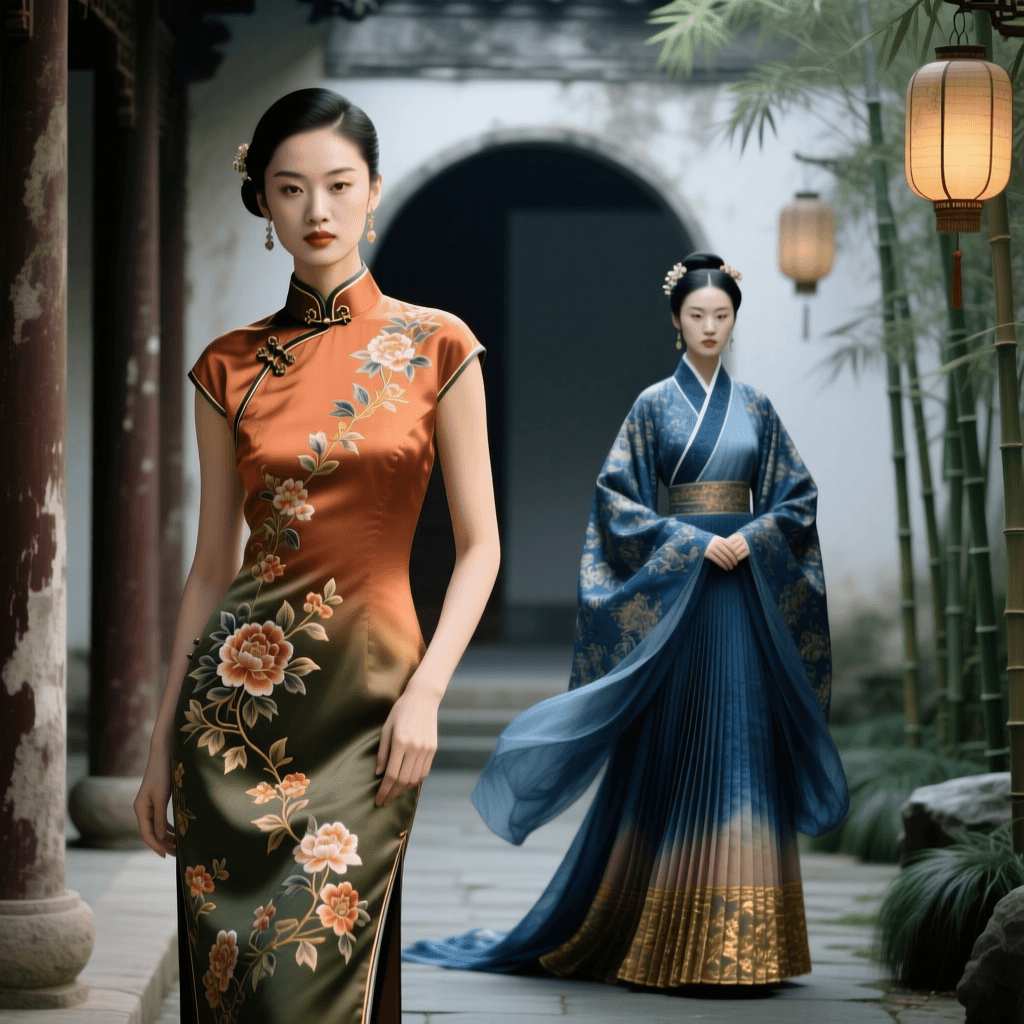
The world of Chinese traditional dress is a breathtaking tapestry of history, artistry, and cultural pride. From the figure-hugging elegance of the qipao to the sweeping, ethereal layers of hanfu, these garments offer a unique way to express personal style while honoring centuries of heritage. However, integrating these deeply historical pieces into a contemporary wardrobe requires a thoughtful approach to styling, proportion, and context. Whether you are attending a formal celebration, exploring cultural festivals, or simply looking to infuse your daily rotation with global elegance, understanding how to wear Chinese traditional dress is an empowering journey. In this comprehensive guide, we will explore the nuances of styling these iconic silhouettes, pairing them with modern accessories, and navigating the etiquette of various occasions.
Understanding the Core Silhouettes: Qipao and Hanfu
Before diving into styling, it is essential to distinguish between the two most prominent categories of Chinese traditional clothing: the qipao (also known as the cheongsam) and hanfu. The qipao is a modernized, form-fitting dress that emerged in the early 20th century, characterized by its high mandarin collar, asymmetrical fastenings, and side slits. It represents a beautiful fusion of traditional Manchu elements and Western tailoring techniques. Conversely, hanfu encompasses the historical clothing of the Han Chinese, spanning thousands of years. It is defined by cross-collars, wide sleeves, and sash ties rather than buttons. Exploring our hanfu garment guide reveals the incredible diversity of this category, from the pleated mamian skirts to the flowing ruqun ensembles. Both styles offer distinct styling opportunities, seamlessly bridging the gap between ancient artistry & modern fashion.
Styling the Qipao for the Modern Wardrobe
The qipao is inherently elegant, but its structured silhouette can sometimes feel overly formal for everyday wear. The key to modernizing the qipao lies in layering, fabric selection, and playing with proportions.
Layering for Versatility
During cooler months, a sleeveless or short-sleeved qipao can be transformed by layering it over a fitted, high-neck turtleneck. This not only adds warmth but also creates a sophisticated, contemporary silhouette. Alternatively, drape a tailored oversized blazer over your shoulders. The contrast between the fluid, ornate silk of the dress and the sharp, structured lines of a modern blazer creates a striking visual balance that is perfect for creative office environments or evening dinners.
Footwear Choices
While traditional styling often calls for high heels or specialized traditional Asian footwear, modern adaptations welcome a wider variety of shoes. For a chic, urban look, pair a midi-length cotton or linen qipao with crisp white sneakers or chunky loafers. If you are attending a formal event, opt for minimalist strappy heels or elegant pointed-toe pumps that elongate the leg without competing with the intricate embroidery techniques of the dress.
Hemlines and Fabrics
To make the qipao more approachable for daytime wear, seek out A-line or flared variations rather than the strict pencil silhouette. Fabrics also play a crucial role; while silk brocade is reserved for galas and weddings, breathable cotton, linen, and lightweight wool blends are perfect for brunches & gallery visits.
Embracing the Flow of Hanfu in Everyday Life
The hanfu movement has seen a massive global resurgence, with fashion enthusiasts finding innovative ways to wear these historical garments in daily life. The secret to styling hanfu today is selective incorporation—mixing historical pieces with modern basics.
The Mamian Skirt (Horse-Face Skirt)
The mamian skirt is arguably the most versatile hanfu piece for the modern wardrobe. Featuring flat front and back panels with pleated sides, this skirt is a masterpiece of geometric design. You can easily pair a woven, metallic-threaded mamian skirt with a simple, modern button-down shirt or a fitted cashmere sweater. Tuck the top in to highlight the intricate waistband and pleats, creating an outfit that looks like high-end avant-garde fashion while retaining its historical roots.
Cross-Collar Tops (Ru)
The cross-collar top, which wraps left over right, can be worn as a delicate blouse. Pair a lightweight, sheer ru with a modern camisole underneath and high-waisted tailored trousers. This approach honors the traditional silhouette while ensuring the outfit remains practical for a busy, on-the-go lifestyle.
Outerwear and Layering
Traditional hanfu often features dramatic, wide-sleeved outer robes like the pibo or dahu. In a modern context, these can be treated like statement coats or dusters. Belt a long, flowing dahu at the waist with a modern leather belt to give it structure, or wear it open over a sleek, monochromatic turtleneck and wide-leg pants ensemble.
Accessorizing with Cultural Elegance
Accessories are where you can truly anchor your traditional garments in either historical authenticity or modern minimalism. The rich history of Chinese silk weaving and metalwork provides endless inspiration for finishing touches.
- Jewelry and Jade: Jade has been revered in Chinese culture for millennia, symbolizing purity, moral integrity, and protection. A simple jade pendant on a delicate gold chain or a pair of carved jade drop earrings adds a profound layer of cultural significance to a qipao or hanfu. For a more contemporary look, mix jade with modern geometric gold or silver jewelry.
- Hair Accessories: Traditional hairpins, often adorned with pearls, enamel, or dangling silk tassels, are stunning but can feel costumey if overdone. For a subtle nod to tradition, use a single, elegantly carved wooden or jade hair stick to secure a modern low bun or French twist.
- Bags and Clutches: Steer clear of mass-produced, novelty 'takeout box' bags. Instead, opt for structured leather handbags, minimalist clutches, or pouches featuring authentic Suzhou embroidery. A high-quality, modern leather bag in a complementary jewel tone will ground the traditional outfit, ensuring you look stylish and intentional.
Navigating Occasions and Etiquette
Understanding the context of your outfit is vital when wearing garments laden with cultural history.
Weddings and Formal Celebrations
Red and gold are the quintessential colors for joy, prosperity, and matrimonial celebrations in Chinese culture. A heavily embroidered red qipao or a formal, multi-layered hanfu in crimson and gold is perfect for weddings, Lunar New Year banquets, and milestone birthdays. Avoid wearing stark white or solid black to joyous celebrations, as these colors are traditionally associated with mourning.
Festivals and Cultural Events
For events like the Mid-Autumn Festival or Dragon Boat Festival, vibrant colors and flowing hanfu silhouettes are highly encouraged. This is the perfect setting to experiment with fuller skirts, wider sleeves, and more elaborate hair accessories.
Everyday and Professional Settings
When wearing traditional dress to the office or casual outings, subtlety is key. Muted tones like sage green, navy, slate gray, and soft pastels are ideal. Choose garments with minimal embroidery and simpler cuts to ensure the clothing enhances your presence without overwhelming the environment.
The Ultimate Buying Guide
Investing in Chinese traditional dress requires attention to detail, fabric quality, and fit.
- Prioritize Tailoring: The qipao is unforgiving when it comes to fit. The shoulder seams must sit perfectly, and the darts should contour to your body without pulling the fabric. If you are buying off-the-rack, budget for a professional tailor to adjust the hem, side slits, and waist. A well-tailored cotton qipao will always look more expensive and elegant than a poorly fitted silk one.
- Fabric Selection: Authenticity in fabric elevates the garment. Look for natural fibers like mulberry silk, raw silk, linen, and cotton. Avoid cheap synthetic satins, which trap heat and lack the beautiful drape required for hanfu. For winter garments, seek out wool blends or heavy brocades that provide structure and warmth.
- Supporting Artisans: Whenever possible, purchase from designers and boutiques that specialize in traditional garments and collaborate with heritage artisans. This ensures you are receiving authentic construction techniques, such as hand-rolled hems and genuine hand-embroidery, rather than mass-produced approximations.
Frequently Asked Questions
Can non-Chinese individuals wear traditional Chinese dress?
Yes, Chinese traditional dress can be worn by individuals of all backgrounds, provided it is done with respect, understanding, and a genuine appreciation for the culture. The key is to avoid treating the garments as costumes or novelties. Educate yourself on the history of the pieces you are wearing, support authentic designers, and wear them with the same dignity you would afford to any formal or cultural attire.
How do I properly care for silk and brocade garments?
Silk & brocade are delicate fibers that require meticulous care. Always check the garment's care label, but as a general rule, dry cleaning is the safest option for heavily structured qipaos and brocade hanfu. For lightweight silk pieces, hand washing in cold water with a pH-neutral silk detergent is acceptable. Never wring the fabric; instead, roll it in a clean towel to absorb excess water and lay it flat to dry away from direct sunlight.
What is the significance of the cross-collar in hanfu?
The cross-collar, where the left side of the garment crosses over the right, is a defining characteristic of traditional Han Chinese clothing. Historically, crossing left over right (jiaoling youren) was a marker of civilization and cultural identity, while the reverse was associated with mourning or different ethnic groups. Maintaining this correct alignment is an important detail when styling and wearing hanfu today.
Is it appropriate to wear a qipao to a Western formal event?
Absolutely. A well-tailored, floor-length or midi qipao made from high-quality silk or velvet is a stunning alternative to the traditional Western evening gown. Its sleek silhouette and exquisite embroidery make it a conversation-starting piece that is entirely appropriate for galas, premieres, and black-tie dinners. Pair it with elegant, understated jewelry to let the garment's craftsmanship shine.
How can I style hanfu for cold weather?
Hanfu is remarkably adaptable to cold weather due to its layered nature. You can wear modern thermal undergarments beneath the inner layers without them showing. Additionally, historical outerwear like the dahu (a sleeveless or short-sleeved vest) or heavy wool cloaks (doupeng) can be integrated into your outfit. Pairing a thick, woven mamian skirt with fleece-lined tights and leather boots is a popular and practical modern adaptation for winter.