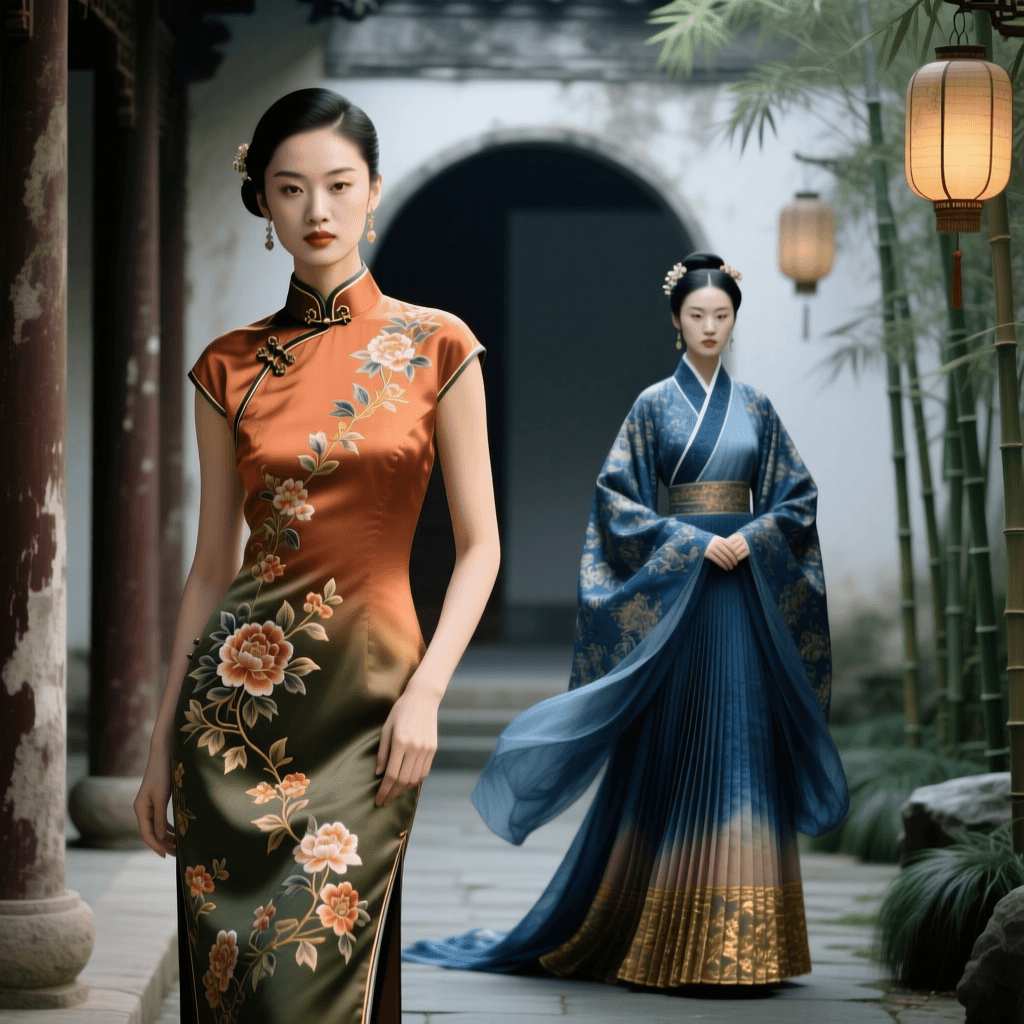
The Timeless Elegance of Traditional Dress for Women & Men: A Complete Styling Guide
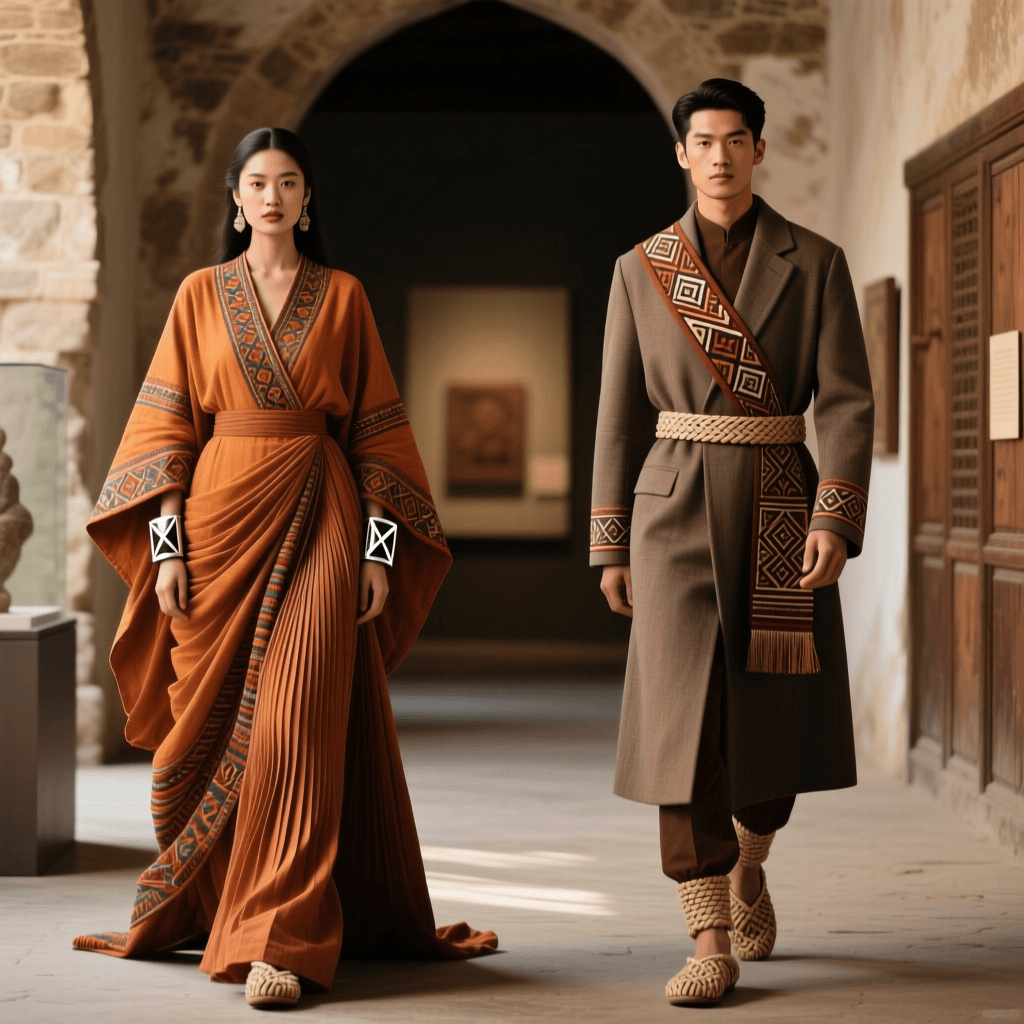
Traditional dress is far more than a simple collection of garments; it is a woven tapestry of history, identity, and artistry. Across the globe, the traditional dress for women and men serves as a vibrant expression of cultural heritage, telling stories of ancestral lands, ancient looms, and generations of meticulous craftsmanship. In an era where fast fashion often homogenizes global wardrobes, embracing cultural attire offers a profound way to reconnect with the roots of sartorial expression. Whether you are looking to honor your own lineage, participate in a cultural celebration, or simply integrate the breathtaking textiles of global heritage into your daily rotation, understanding how to style these garments is essential.
At The Garment Atlas, we believe that clothing is a universal language. This comprehensive styling guide will walk you through the nuances of wearing traditional garments with respect, elegance, and a modern sensibility. From the flowing silhouettes of East Asian heritage wear to the structured tailoring of Celtic and South Asian menswear, we will explore how to bridge the gap between historical authenticity and contemporary fashion.
Honoring Heritage: The Foundation of Traditional Garments
Before diving into the mechanics of styling, it is crucial to understand the foundation of traditional clothing. Heritage garments are inherently tied to the geography and climate of their origins. The breathable linens of the Mediterranean, the heavy wools of the Scottish Highlands, and the intricate silks of the Indian subcontinent were all born out of necessity, later evolving into symbols of regional pride and social status.
When you choose to wear traditional dress, you are engaging with global textile traditions that have been perfected over centuries. The dyes are often derived from local flora and minerals, while the weaving techniques—such as ikat, brocade, or tartan weaving—require immense skill. Recognizing the difference between a mass-produced costume and an authentic, hand-loomed garment is the first step in styling traditional wear with the reverence it deserves. Authentic pieces carry a weight and drape that synthetic imitations simply cannot replicate, providing a superior canvas for personal styling.
Styling Traditional Dress for Women: Elegance Meets Modernity
Women’s traditional dress encompasses a staggering variety of silhouettes, from the voluminous skirts of the European dirndl to the sleek, linear elegance of the Vietnamese Ao Dai. The key to styling these pieces today lies in balancing historical proportions with modern minimalism.
The Saree and the Lehenga
The South Asian saree is a masterclass in unstitched drapery. While the classic saree draping techniques remain timeless, modern styling often involves experimenting with the blouse (choli). Pairing a heavily embroidered, heritage silk saree with a minimalist, structured sleeveless blouse creates a striking contrast that feels fresh and contemporary. For the lehenga (a flared skirt paired with a cropped top and scarf), consider swapping the traditional dupatta drape for a cape-style overlay, which adds a layer of modern architectural flair to the outfit.
The Hanbok and East Asian Silhouettes
The Korean Hanbok is celebrated for its vibrant colors and the beautiful East Asian silhouettes that emphasize a high empire waist and a voluminous, bell-shaped skirt (chima). To adapt the Hanbok for modern events, many women opt for contemporary adaptations that feature shorter hemlines or simplified collars. Styling a modern Hanbok requires delicate footwear; avoid heavy platform shoes and instead opt for sleek, pointed-toe flats or low heels that allow the natural flow of the silk to take center stage.
The Huipil and Latin American Textiles
The Huipil, a traditional embroidered tunic worn by Indigenous women in Mexico and Central America, is a masterpiece of backstrap loom weaving. Because the Huipil is often rich in geometric patterns and bold colors, the best styling approach is to let the garment speak for itself. Pair a vintage or artisan-crafted Huipil with modern, tailored denim or a sleek midi skirt. This fusion of indigenous artistry and contemporary basics creates an effortlessly chic, bohemian aesthetic that honors the garment’s origins while remaining highly wearable.
Mastering Menswear: Tailoring & Tradition
Traditional dress for men often revolves around structured tailoring, intricate embroidery, and the strategic use of layering. Menswear heritage pieces command respect and project a quiet, enduring confidence when styled correctly.
The Sherwani and the Kurta
South Asian menswear offers some of the most regal silhouettes in the world. The Sherwani, a long coat-like garment, is a staple for weddings and grand celebrations. The secret to a flawless Sherwani lies in the shoulder fit and the drape of the fabric. As detailed in our guide to South Asian menswear, pairing a Sherwani with a contrasting silk stole (dupatta) and traditional leather mojari shoes elevates the ensemble. For less formal occasions, the Kurta—a loose, collarless shirt—can be layered over a well-fitted pair of chinos or dark denim, bridging the gap between traditional comfort and modern casualwear.
The Kilt and Celtic Tartans
The Scottish Kilt is a powerful symbol of Celtic heritage. Understanding the language of Celtic tartans is essential, as each pattern represents a specific clan or region. Styling a kilt requires attention to the traditional accessories: the sporran (a leather pouch worn at the front), the sgian-dubh (a small knife tucked into the sock), and the kilt pin. While traditional Ghillie brogues are the standard footwear, modern menswear enthusiasts often pair high-quality wool kilts with polished Chelsea boots for a rugged, contemporary edge that works exceptionally well at outdoor events and autumn weddings.
The Barong Tagalog and Tropical Elegance
In the Philippines, the Barong Tagalog stands as a testament to tropical elegance. Woven from delicate piña (pineapple) or jusi (banana silk) fibers, this sheer, embroidered shirt is worn untucked over an undershirt (camisa). The styling rule for the Barong is to embrace its breathable, relaxed nature. Pair it with tailored, dark-toned trousers and leather loafers. The juxtaposition of the delicate, intricate embroidery against the sharp lines of modern trousers creates a sophisticated look that is perfect for warm-weather formal events.
The Art of Accessorizing Cultural Attire
Accessories are the punctuation marks of any traditional outfit. They can either anchor a look in historical authenticity or propel it into the realm of modern fusion. When accessorizing traditional dress for women and men, the metals, stones, and leathers you choose should complement the heritage of the garment.
For South Asian and Middle Eastern attire, gold and Kundan jewelry are traditional mainstays. However, to avoid looking overly theatrical in a modern setting, practice the art of restraint. Choose one statement piece—such as a heavy choker or an intricate maang tikka—and keep the remaining jewelry minimal. Explore the history of heritage jewelry metals to understand how different cultures utilize silver, copper, and gold to signify protection and status.
Footwear is equally critical. Traditional garments often dictate a specific posture and gait. Wooden clogs, embroidered leather slippers, and woven sandals were designed to interact with the hems of traditional skirts and trousers. When adapting these looks, ensure your footwear respects the hemline. A heavy, chunky sneaker might clash with the delicate silk of a kimono, whereas a sleek, minimalist leather boot can provide a grounded, modern contrast to a flowing tunic.
Modern Adaptations: Wearing Tradition in the Contemporary World
The true beauty of traditional dress lies in its ability to evolve. Fusion fashion—the blending of cultural heritage garments with contemporary Western silhouettes—is a powerful way to keep traditions alive in everyday settings.
- The Heritage Jacket: A heavily embroidered traditional jacket or kimono-style haori can be worn over a simple white t-shirt and tailored denim. This instantly elevates a casual weekend outfit into a curated, globally-minded ensemble.
- The Skirt and Sweater: Pair a traditional, hand-woven skirt from the Andes or Southeast Asia with a fine-gauge merino wool turtleneck. The contrast between the rustic, textured weave of the skirt and the sleek, modern knitwear creates a visually stunning, office-appropriate look.
- The Tunic as a Dress: Many traditional men’s tunics, such as the African Agbada or the South Asian Kurta, can be belted and styled as shirt-dresses for women. This cross-pollination of menswear and womenswear silhouettes is a hallmark of avant-garde modern styling.
By treating traditional garments as versatile components of a broader wardrobe, rather than reserving them solely for costume-like occasions, we ensure that the artisans who create them remain relevant and supported in the modern economy.
The Conscious Buying Guide: Sourcing Authentic Traditional Wear
As the appreciation for traditional dress grows, so does the market for cheap, mass-produced imitations. Buying authentic traditional wear is an investment in cultural preservation and ethical labor. When sourcing garments, it is vital to know how to distinguish between power-loomed synthetics and hand-loomed natural fibers. Our comprehensive guide on identifying authentic textiles offers a deep dive into the tactile and visual cues of genuine heritage fabrics.
Seek out artisan cooperatives, fair-trade organizations, and specialized boutiques that maintain direct relationships with weavers and embroiderers. Authentic traditional dress for women and men will often feature slight, beautiful irregularities in the weave or dye—hallmarks of the human hand. Furthermore, purchasing directly from the culture of origin ensures that the economic benefits of the garment return to the communities that have safeguarded these techniques for generations. Avoid fast-fashion retailers that appropriate sacred or culturally significant motifs without context or compensation.
Frequently Asked Questions
How can I incorporate traditional dress into my everyday wardrobe?
The easiest way to incorporate traditional dress into daily life is through modular styling. Start by integrating heritage accessories, such as a hand-woven scarf, a traditional leather belt, or artisan-crafted footwear, into your existing wardrobe. From there, introduce single heritage garments, like a traditional embroidered blouse or a hand-loomed tunic, and pair them with modern basics like denim or tailored trousers. This approach allows the traditional piece to serve as the focal point of your outfit without feeling overwhelming for casual settings.
Is it appropriate to wear traditional clothing from a culture that is not my own?
This is a nuanced topic that requires mindfulness and respect. Generally, wearing traditional clothing from another culture is welcomed when done with the intent of appreciation rather than appropriation. It is highly appropriate to wear traditional garments when invited to a cultural celebration, such as an Indian wedding or a Japanese tea ceremony, as it shows respect for the host's heritage. However, it is crucial to avoid wearing garments that hold deep religious or sacred significance if you are not part of that community. Always research the cultural context, purchase from authentic sources within that culture, and wear the garment with dignity.
How do I care for delicate heritage fabrics?
Heritage fabrics like raw silk, hand-spun cotton, and naturally dyed wools require specialized care to maintain their integrity. Avoid harsh chemical detergents and machine washing, which can break down delicate fibers and cause natural dyes to bleed. Instead, opt for gentle hand-washing with pH-neutral soaps, or seek out a dry cleaner who specializes in vintage and ethnic textiles. Store your traditional garments in breathable cotton garment bags, away from direct sunlight, to prevent fading and protect the intricate embroidery from snagging.
Where can I find authentic, ethically made traditional garments?
Authentic, ethically made traditional garments can be sourced through specialized online boutiques that partner directly with artisan cooperatives. Look for certifications from fair-trade organizations or transparency reports that detail the supply chain and the wages paid to the weavers and tailors. Additionally, traveling to the regions of origin and purchasing directly from local markets or artisan workshops is one of the most rewarding ways to acquire traditional dress, ensuring your investment directly supports the local economy and the continuation of ancient craft traditions.