The Ultimate Guide to Traditional Dress for Men & Women in India
India’s sartorial landscape is a vibrant tapestry woven with centuries of history, regional diversity, and unparalleled craftsmanship. From the snow-capped Himalayas to the tropical coastlines of the south, traditional dress in India is not merely a matter of clothing; it is a profound expression of cultural identity, heritage, and artistry. Whether you are attending a grand wedding, celebrating a festive occasion, or simply looking to infuse your wardrobe with ethnic elegance, understanding the nuances of Indian ethnic wear is essential.
In this comprehensive style guide, we explore the timeless silhouettes of traditional dress for men and women in India. We will cover essential garments, styling tips, accessory pairings, and modern fusion adaptations, ensuring you navigate the world of Indian fashion with confidence and grace.
Essential Traditional Garments for Women
The wardrobe of an Indian woman is incredibly diverse, with garments that vary dramatically by region, climate, and occasion. However, three foundational silhouettes dominate the ethnic fashion landscape.
The Saree: Six Yards of Grace
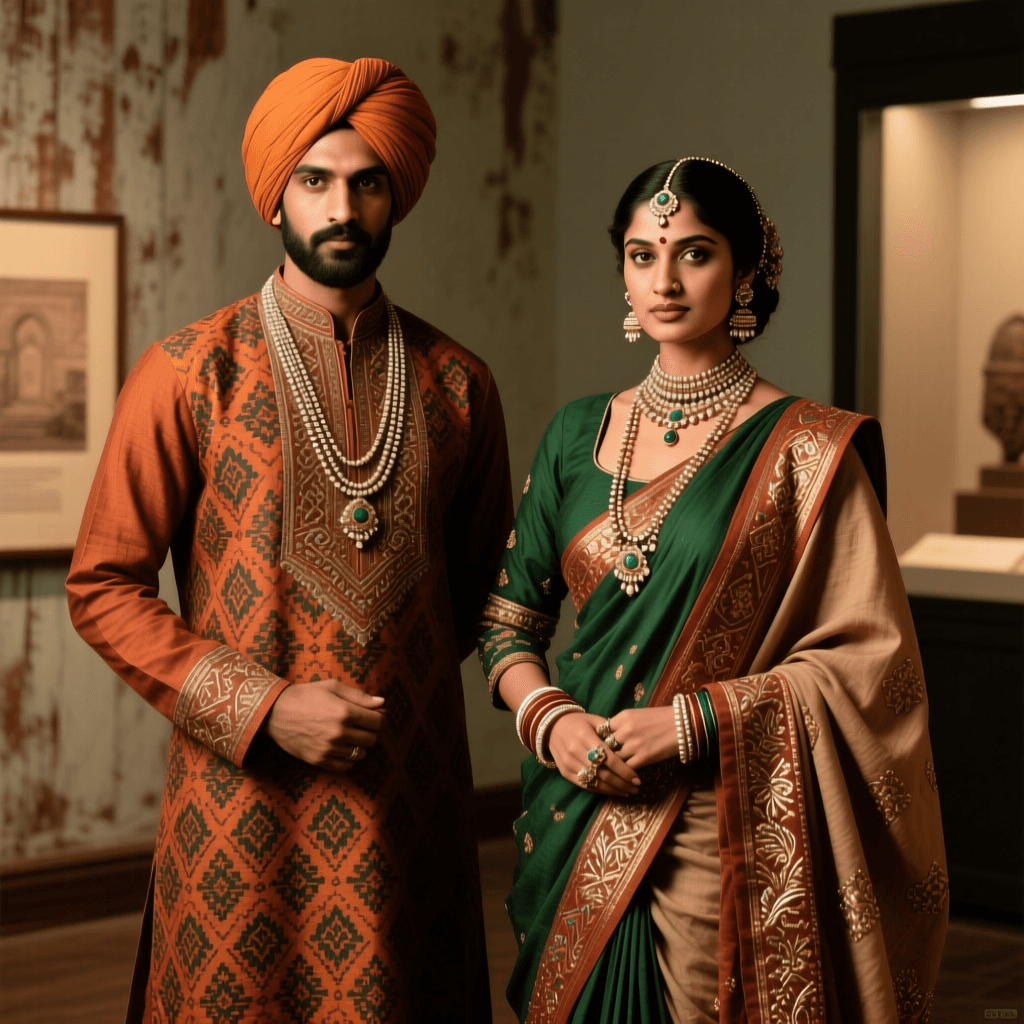
The saree is arguably the most iconic Indian garment. It consists of a long, unstitched drape, typically ranging from five to nine yards, wrapped around the waist and elegantly pleated over the shoulder. The beauty of the saree lies in its versatility. A crisp cotton saree from Bengal offers breathable comfort for daily wear, while a heavily embroidered Banarasi silk saree is the epitome of bridal luxury. For those looking to master the art of wearing this timeless garment, exploring various saree draping styles can completely transform your silhouette, from the classic Nivi drape to the regal Gujarati style.
The Salwar Kameez & Anarkali Suits
Originating from the northern regions, the salwar kameez features a tunic (kameez) paired with tapered or wide-legged trousers (salwar) and a flowing scarf (dupatta). It is the quintessential everyday ethnic wear, offering unmatched comfort and modesty. For festive occasions, the Anarkali suit—a variation featuring a long, frock-style top that flares out from the empire waist—provides a regal, princess-like aesthetic that flatters almost every body type.
The Lehenga Choli
The lehenga choli is a three-piece ensemble comprising a flared skirt (lehenga), a fitted blouse (choli), and a dupatta. It is the preferred attire for weddings, sangeets, and major festivals like Navratri. The silhouette allows for intricate regional embroidery techniques like zardozi, gota patti, and mirror work to truly shine. Discovering the right lehenga choli silhouettes for your body shape is key to achieving a balanced and breathtaking look.
Classic Traditional Attire for Men
Men’s traditional Indian clothing balances regal aesthetics with practical comfort. While western suits are common in corporate settings, ethnic wear remains the undisputed choice for cultural and familial celebrations.
The Kurta Pajama
The kurta pajama is the cornerstone of the Indian man's ethnic wardrobe. The kurta is a loose, collarless shirt that falls just above or below the knees, paired with a drawstring pajama or a churidar (tightly fitting trousers). For a sophisticated daytime look, a linen or cotton kurta in pastel hues is ideal. To elevate the ensemble, many men consult a dedicated men's kurta pajama guide to find the perfect tailoring and fabric weight for their specific climate and occasion.
The Sherwani
When the occasion demands absolute grandeur, the sherwani is the garment of choice. A long, coat-like garment buttoned to the neck, the sherwani is typically worn over a kurta and churidar. It is heavily structured, often featuring rich brocades, velvet, and intricate metallic thread work. It is the standard groom’s attire across North India and is increasingly popular nationwide for its majestic, aristocratic appeal.
The Dhoti & Veshti
Prevalent in South India and rural regions across the country, the dhoti (or veshti in Tamil Nadu) is an unstitched rectangular cloth wrapped around the waist and legs. Often paired with a silk shirt or an angavastram (shoulder cloth), it is deeply rooted in tradition and is considered highly auspicious for religious ceremonies and traditional weddings.
Accessorizing Indian Traditional Wear
No traditional Indian outfit is complete without the right accessories. The jewelry and footwear chosen can either elevate a simple outfit to festive heights or ground a heavy ensemble for a more contemporary feel.
Jewelry & Adornments for Women
Indian jewelry is as diverse as its textiles. For heavy silk sarees and lehengas, Kundan and Polki sets (uncut diamonds set in gold) offer a royal, vintage aesthetic. Meenakari (enameling) adds vibrant pops of color to the reverse side of jewelry pieces. For everyday ethnic wear or cotton suits, lightweight silver oxidized jewelry, delicate gold chains, and classic Jhumkas (bell-shaped earrings) provide the perfect amount of sparkle without overwhelming the outfit. Do not forget the bindi and bangles, which are integral to completing the traditional feminine look.
Men’s Ethnic Accessories
Men can accessorize their kurtas and sherwanis with a well-chosen Nehru jacket (a sleeveless vest with a mandarin collar). Adding a pocket square or a vintage brooch to the jacket lapel introduces a dash of personality. For weddings, a Safa or Pagdi (traditional turban) adorned with a Kalgi (brooch) is a mark of honor and celebration. A classic silk scarf draped around the neck can also add a layer of sophistication to a simple kurta.
Footwear: Juttis, Mojaris & Kolhapuris
Leave the western oxfords and stilettos at the door when wearing traditional attire. For men, Mojaris and Juttis—handcrafted leather slip-on shoes often featuring embroidery or beadwork—are the standard. They offer comfort and authenticity. Women have a wider array of choices, from embellished flat Juttis to block-heeled sandals. Kolhapuri chappals, originating from Maharashtra, are excellent for adding a rustic, earthy charm to cotton sarees and Anarkali suits.
Modern Adaptations & Fusion Styling
As global fashion evolves, so does Indian ethnic wear. Indo-western fusion is a massive trend, allowing individuals to express their heritage while maintaining a contemporary, fashion-forward edge.
Contemporary Silhouettes for Women
The pre-draped saree and the saree gown are revolutionary adaptations for the modern woman. These garments offer the visual elegance of a saree but can be zipped or hooked on like a dress, eliminating the hassle of pleating. Another popular trend is pairing a heavily embroidered crop top or choli with high-waisted dhoti pants or a flowing palazzo, creating an Indo-western fusion look that is perfect for cocktail parties and sangeet ceremonies.
Modern Menswear Adaptations
Men are increasingly experimenting with asymmetric kurta hems, mandarin-collar shirts made from ethnic brocades, and pairing short kurtas with well-fitted denim jeans for a casual Friday look. The bandhgala (a formal, closed-neck jacket) has also been adapted into shorter, sharper cuts that can be worn with tailored trousers, bridging the gap between a western tuxedo and an Indian sherwani.
Dressing for the Occasion
Understanding the dress code for specific Indian events is crucial to ensure you are neither underdressed nor uncomfortably overdressed.
- Weddings: Indian weddings are multi-day extravaganzas. For the main ceremony, opt for heavy silks, rich jewel tones, and extensive embroidery. Lehengas for women and sherwanis for men are expected. For daytime events like the Haldi or Mehendi, stick to bright yellows, oranges, and greens in lighter fabrics like georgette or cotton silk.
- Festivals (Diwali, Eid, Navratri): Festive wear calls for celebration. Women often choose vibrant Anarkali suits or designer sarees, while men look dashing in silk kurtas paired with Nehru jackets. Comfort is key, as you will likely be hosting guests or visiting temples.
- Casual Gatherings & Pujas: For intimate religious ceremonies or casual family get-togethers, simplicity is preferred. A crisp cotton kurta pajama for men and a comfortable, elegantly printed cotton suit or simple saree for women strike the right balance of respect and ease.
The Ultimate Buying Guide for Indian Ethnic Wear
Investing in traditional Indian clothing requires an understanding of fabrics, weaves, and craftsmanship. Here is how to shop smart and build a lasting ethnic wardrobe.
Understanding Regional Weaves & Textiles
India is home to some of the world's most exquisite handloom traditions. When shopping, look for authenticity. A genuine Kanjeevaram silk saree from Tamil Nadu will feature a distinct contrast border and heavy zari (gold thread) work. Chanderi fabric from Madhya Pradesh is prized for its sheer texture and lightweight feel, perfect for summer suits. Exploring the history of Indian handloom textiles will help you appreciate the months of labor that go into a single garment and justify the investment.
Fabric Selection for Climate & Comfort
Always choose your fabric based on the season and the venue. Raw silk, velvet, and heavy brocades are stunning but can be stifling in humid climates or outdoor summer weddings. For warmer weather, prioritize breathable fabrics like cotton, linen, Chanderi, and lightweight georgette. If you are attending an air-conditioned indoor event, you can comfortably opt for heavier silks and layered outfits.
The Importance of Tailoring
Unlike western clothing, which is often bought off-the-rack, the best Indian ethnic wear is tailored to your exact measurements. A lehenga choli or a salwar kameez requires precise fitting at the bust, waist, and shoulders to drape correctly. Even when buying ready-made garments, budget for a local tailor to adjust the hemlines and take in the seams. A perfectly fitted, inexpensive kurta will always look more luxurious than a poorly fitted designer piece.
Verifying Craftsmanship
When purchasing heavily embroidered pieces, examine the reverse side of the fabric. High-quality hand embroidery (like Zardozi or Aari work) will look almost as neat on the inside as it does on the outside, with secure knots and minimal loose threads. Machine embroidery often features a chaotic web of backing threads and can feel stiff against the skin.
Frequently Asked Questions
What is the most common traditional dress in India?
For women, the saree and the salwar kameez are the most ubiquitous garments, worn daily by millions across different age groups and regions. For men, the kurta pajama is the most common traditional outfit, serving as both casual homewear and acceptable festive attire depending on the fabric and embellishment.
How do I choose the right fabric for Indian summer weddings?
Summer weddings in India can be incredibly hot and humid. Avoid heavy velvets, raw silks, and dense metallic embroidery. Instead, opt for breathable, lightweight fabrics such as organza, tissue silk, fine cotton, and georgette. These materials offer a beautiful drape and allow for air circulation while still looking festive and elegant.
Can foreigners wear traditional Indian clothing?
Absolutely. Indian culture is deeply hospitable, and locals generally appreciate it when visitors embrace traditional attire. Wearing a saree, lehenga, or kurta to an Indian wedding or festival is seen as a sign of respect and cultural appreciation. The key is to ensure the garment is worn modestly and correctly, avoiding overly revealing cuts that might be inappropriate for conservative or religious settings.
What footwear pairs best with a sherwani or lehenga?
For men wearing a sherwani, traditional leather Mojaris or Juttis are the most authentic and stylish choice. They should ideally match or complement the color of the outfit. For women wearing a lehenga, embellished Juttis, Kolhapuri chappals, or block-heeled ethnic sandals are ideal. Avoid pointed stilettos, as they can easily snag on the delicate embroidery and hemlines of heavy skirts.
How should I care for heavily embroidered ethnic wear?
Heavily embroidered garments, especially those featuring real zari (metallic thread), silk, or delicate mirror work, should never be machine washed or aggressively hand-washed. Always opt for professional dry cleaning. When storing, wrap the garments in breathable muslin cloth rather than plastic, which can trap moisture and cause the metallic threads to tarnish or the fabric to mildew. Refold the garments every few months to prevent permanent crease lines.