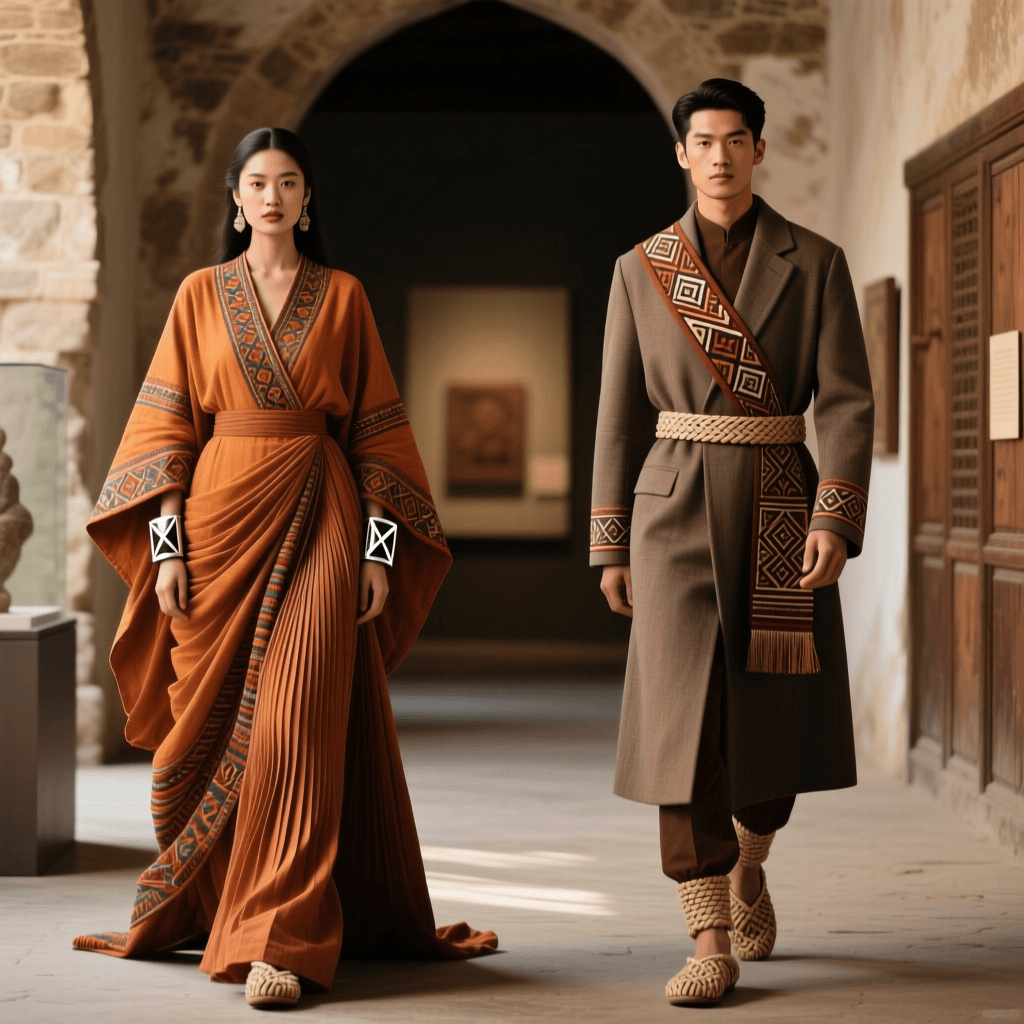
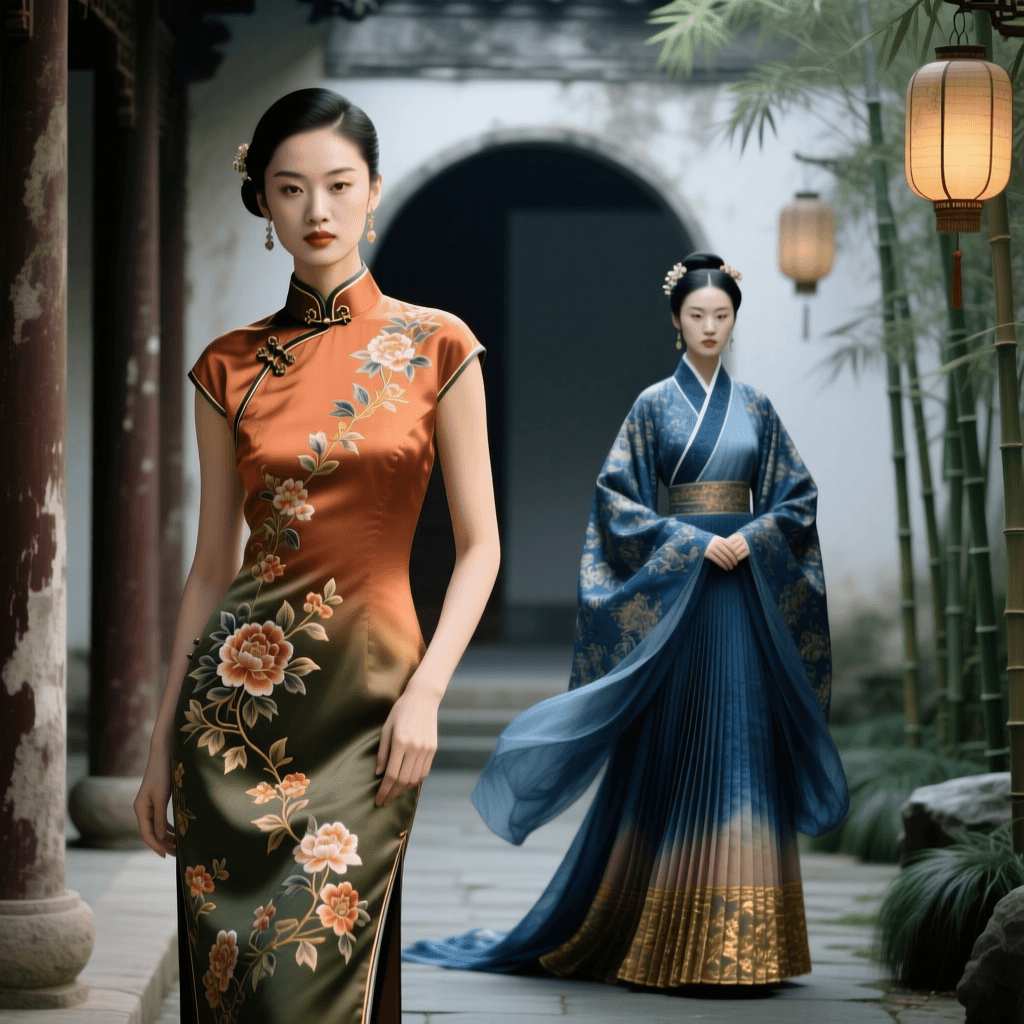
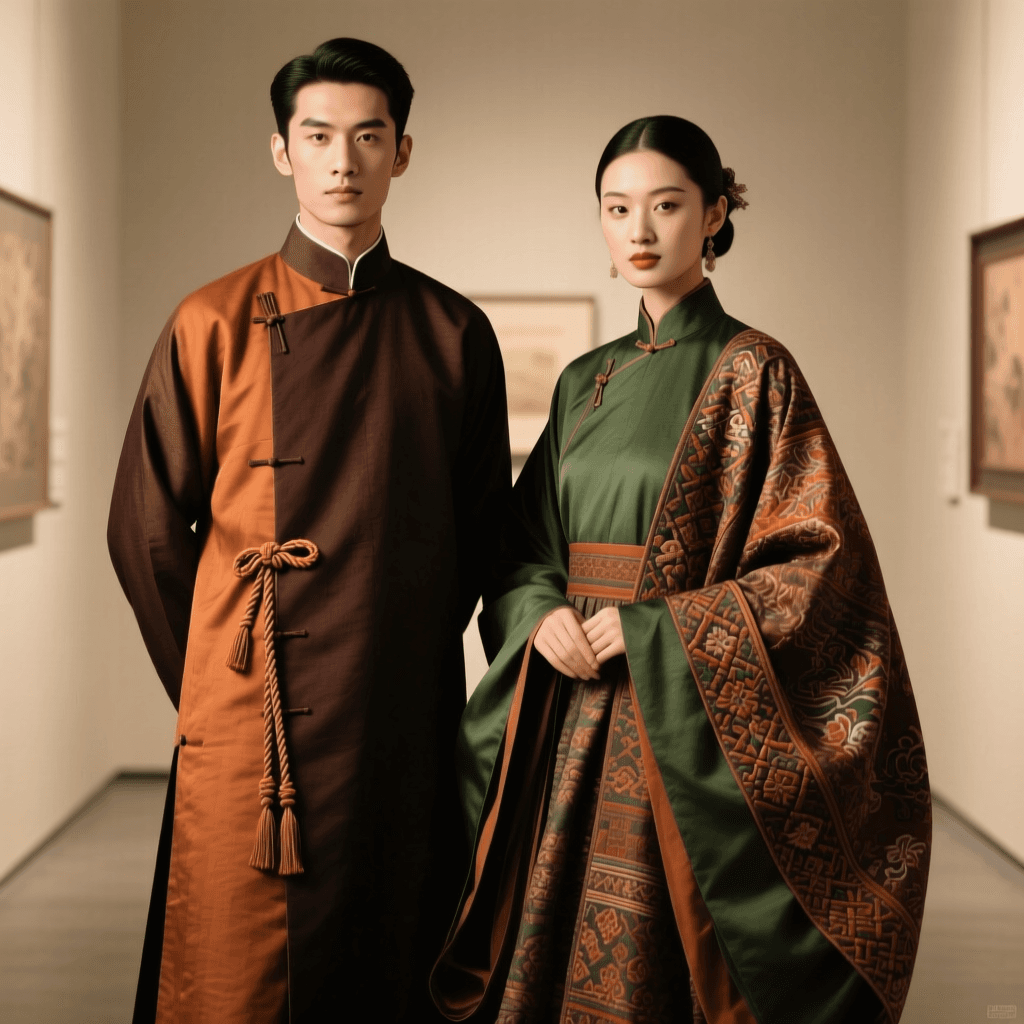
The Timeless Elegance of Traditional Dress for Women: A Global Styling Guide
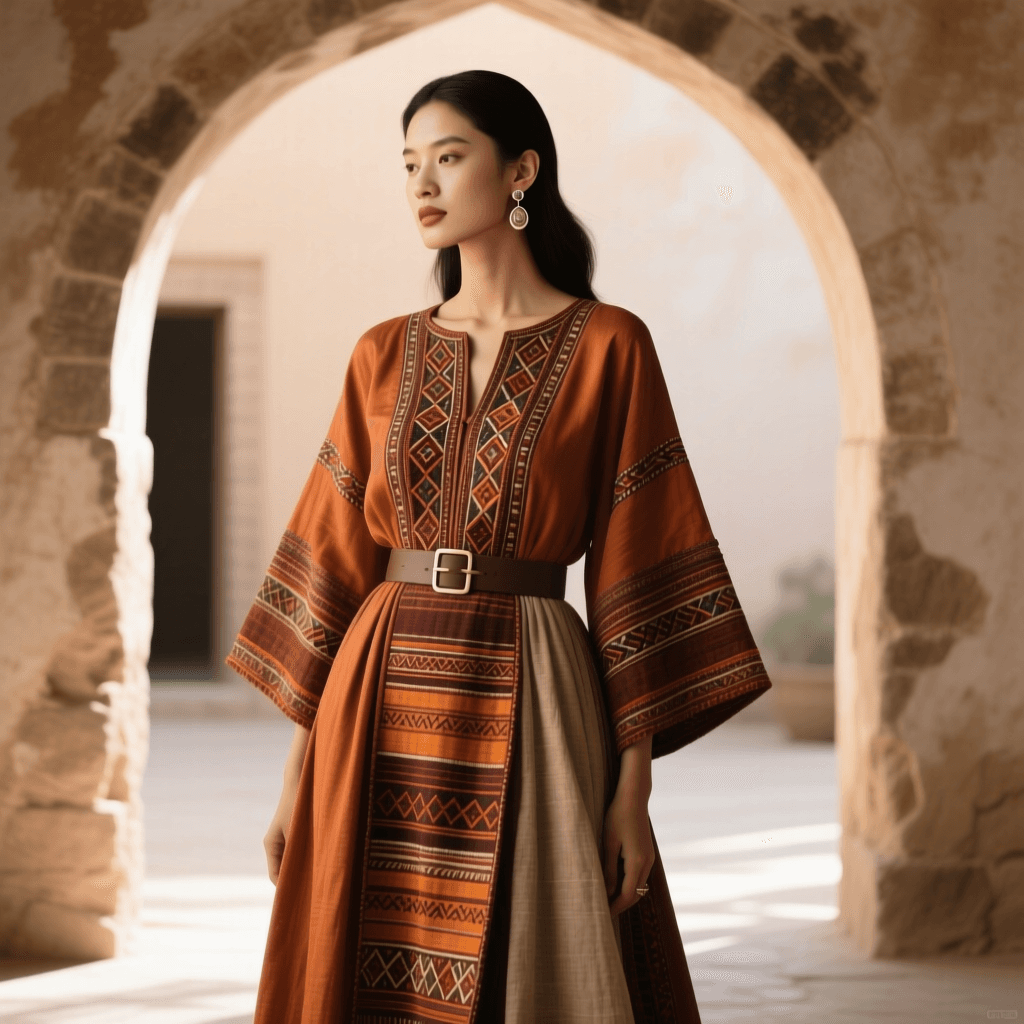
Traditional dress for women represents far more than mere clothing; it is a woven tapestry of history, cultural identity, and unparalleled artistry. From the intricate embroidery of a Mexican huipil to the flowing silhouettes of a Moroccan kaftan, heritage garments carry the stories of generations past. In a world increasingly dominated by fast fashion and fleeting trends, turning to traditional womenswear offers a refreshing return to craftsmanship, quality, and deeply personal expression.
Yet, integrating these culturally rich pieces into a contemporary wardrobe can sometimes feel daunting. How do you honor the garment’s origins while making it relevant for today’s lifestyle? This comprehensive styling guide explores the art of wearing traditional dress for women, offering practical advice on modern adaptations, accessorizing, and conscious sourcing. Whether you are reconnecting with your own roots or exploring global textile traditions, this guide will help you wear heritage fashion with confidence and grace.
Embracing Cultural Heritage Through Everyday Styling
The misconception that traditional garments are strictly reserved for festivals, weddings, or religious ceremonies is slowly fading. Today, fashion-forward women are seamlessly blending heritage pieces into their daily rotation. The key to everyday styling lies in balancing the ornate nature of traditional textiles with the relaxed simplicity of modern basics.
Consider the Indian kurta or the West African boubou. These flowing, breathable tunics are inherently comfortable and can be easily paired with well-tailored denim jeans or wide-leg linen trousers. By grounding a vibrantly printed or heavily embroidered top with neutral, contemporary bottoms, you allow the traditional craftsmanship to take center stage without overwhelming your silhouette. Similarly, a lightweight Japanese haori can be thrown over a simple white t-shirt and tailored shorts for an effortlessly chic summer look that subtly nods to Japanese kimono heritage.
Layering is another powerful tool for everyday integration. A richly woven Guatemalan jacket or a delicately embroidered Eastern European blouse can serve as a striking statement layer over a minimalist slip dress or a sleek turtleneck. This approach not only makes the garment more wearable for varied climates but also creates a visually dynamic outfit that bridges the gap between ancestral artistry and modern street style.
Accessorizing Traditional Garments with Modern Flair
Accessories dictate the final mood of any outfit, and when styling traditional dress for women, the right accents can completely transform the look. The goal is to create a harmonious dialogue between the old and the new, avoiding the trap of looking like you are wearing a historical costume.
When it comes to jewelry, contrast is your best friend. If you are wearing a heavily embellished saree or a bead-laden Native American ribbon dress, opt for sleek, minimalist metallic jewelry. A pair of structured gold hoops or a simple silver cuff bracelet provides a modern edge that prevents the overall look from feeling too heavy. Conversely, if your traditional garment is relatively understated, such as a simple silk qipao or a plain linen dirndl, you can introduce bold, artisan-crafted jewelry to elevate the ensemble. Explore our vintage jewelry guide for inspiration on mixing eras and textures.
Footwear and handbags also play a crucial role in modernizing heritage wear. Swap out traditional embroidered slippers for pointed-toe block heels, sleek leather ankle boots, or even pristine white sneakers for a high-low fashion statement. When selecting a bag, structured leather totes or modern geometric clutches offer a sharp, contemporary contrast to the soft, flowing drapes of traditional skirts and robes.
Navigating Occasions: From Casual Outings to Formal Galas
Understanding how to scale your traditional attire for different occasions is essential for a versatile wardrobe. The beauty of global womenswear lies in its incredible diversity, offering options for every conceivable event on your social calendar.
For casual daytime outings, brunches, or creative office environments, focus on breathable fabrics like cotton, linen, and lightweight silk. A beautifully block-printed Rajasthani skirt paired with a crisp white button-down shirt strikes the perfect balance between professional and artistic. For weekend markets or casual gatherings, a simple, indigo-dyed wrap dress inspired by traditional Southeast Asian textiles offers both comfort and undeniable style.
When the sun sets and formal galas, weddings, or cultural celebrations call, it is time to embrace the opulence of heritage fashion. This is the moment to drape a heavy Banarasi silk saree, step into a meticulously tailored velvet kaftan, or wear a fully embroidered lehenga. Formal traditional dress often features rich jewel tones, metallic thread work (zari), and intricate beadwork. To ensure your formal look remains elegant, keep your hair and makeup polished and refined, allowing the breathtaking silk saree draping or garment structure to command the room.
Modern Adaptations and Fusion Fashion
The evolution of traditional dress is a testament to the dynamic nature of culture. Fusion fashion—the blending of traditional elements with Western silhouettes—has become a global phenomenon, allowing women to celebrate their heritage while enjoying the convenience of modern tailoring.
One of the most popular modern adaptations is the Indo-Western silhouette. Designers are frequently pairing cropped, embroidered blouses with high-waisted palazzo pants or stitching traditional saree fabrics into sleek, pre-draped gowns with contemporary capes. This not only reduces the time it takes to get dressed but also offers greater mobility for dancing and socializing. If you love experimenting with cross-cultural aesthetics, our article on fusion fashion provides endless inspiration.
Beyond South Asian adaptations, we are seeing the rise of the modern qipao, featuring shorter hemlines, stretch fabrics, and subtle cut-outs that appeal to a younger demographic. Similarly, the traditional Middle Eastern abaya has been reimagined by contemporary designers who incorporate bold colors, architectural ruffles, and avant-garde sleeve designs, transforming a modest garment into a high-fashion statement piece. These modern adaptations prove that traditional dress is not frozen in time; it is a living, breathing art form that grows alongside the women who wear it.
The Conscious Buying Guide for Traditional Womenswear
Investing in traditional dress for women is an investment in human skill and cultural preservation. However, as global demand for ethnic fashion rises, so does the risk of mass-produced imitations and cultural appropriation. Building an authentic, ethical wardrobe requires a mindful approach to purchasing.
First, prioritize natural, heritage fabrics. Seek out handwoven silks, organic cottons, raw linens, and naturally dyed wools. These materials not only feel luxurious against the skin but also support traditional agricultural and weaving communities. When shopping, look for certifications or direct relationships with artisan cooperatives. Our ethical sourcing guide offers a deep dive into how to verify the origins of your garments.
Second, examine the craftsmanship. True traditional garments often feature hand-embroidery, hand-block printing, or intricate loom work. Look closely at the stitching, the alignment of patterns, and the finishing on the inside of the garment. Imperfections in handcrafted items are not flaws; they are the hallmark of human touch and authenticity.
Finally, approach cultural appreciation with respect. If you are purchasing traditional dress from a culture that is not your own, take the time to learn about the garment’s significance, its proper way of being worn, and its historical context. Buy directly from designers and artisans of that culture to ensure your financial support empowers the community that created the art form, rather than corporations that merely copy it.
Frequently Asked Questions
How do I care for delicate traditional fabrics?
Caring for heritage textiles requires patience and specific techniques. Delicate fabrics like raw silk, chiffon, and hand-embroidered cotton should ideally be dry-cleaned by a specialist who understands ethnic garments. For everyday cottons and linens, hand washing in cold water with a mild, pH-neutral detergent is recommended. Never wring or twist the fabric; instead, gently press out the water and lay the garment flat or hang it in the shade to dry, as direct sunlight can fade natural dyes.
Can I wear traditional dress outside of cultural festivals?
Absolutely. The modern fashion landscape highly encourages the integration of traditional pieces into everyday wear. The key is to style them thoughtfully. Pairing a heavily traditional top with modern denim, or wearing a heritage skirt with a simple contemporary blouse, allows you to celebrate your culture or appreciate global artistry in a way that feels authentic to your daily life and personal style.
What is the best way to store heavy embroidered garments?
Heavy garments, such as bridal lehengas or beaded kaftans, should never be hung on standard hangers, as the weight of the embroidery can stretch and tear the fabric over time. Instead, fold them carefully with acid-free tissue paper to prevent the metallic threads or beads from snagging. Store them in breathable cotton garment bags in a cool, dry place, and refold them every few months to avoid permanent crease lines.
How do I ensure a traditional garment fits correctly?
Traditional sizing often differs vastly from modern Western sizing charts. When purchasing heritage garments, always rely on exact body measurements (bust, waist, hips, and shoulder width) rather than standard letter sizes. Furthermore, many traditional garments, like the saree or the wrap skirt, are inherently adjustable and one-size-fits-most. For tailored items like the qipao or the hanbok, consulting a tailor who specializes in ethnic wear is highly recommended to achieve the perfect, respectful drape.
Where can I find authentic, ethically made traditional clothing?
The best way to find authentic traditional dress is to purchase directly from artisan cooperatives, heritage brands, and designers who belong to the culture they represent. Look for platforms that specialize in fair-trade fashion and provide transparency regarding their supply chains. Avoid mass-market retailers that offer cheap, factory-made replicas, as these often exploit cultural motifs without giving back to the communities that originated them.