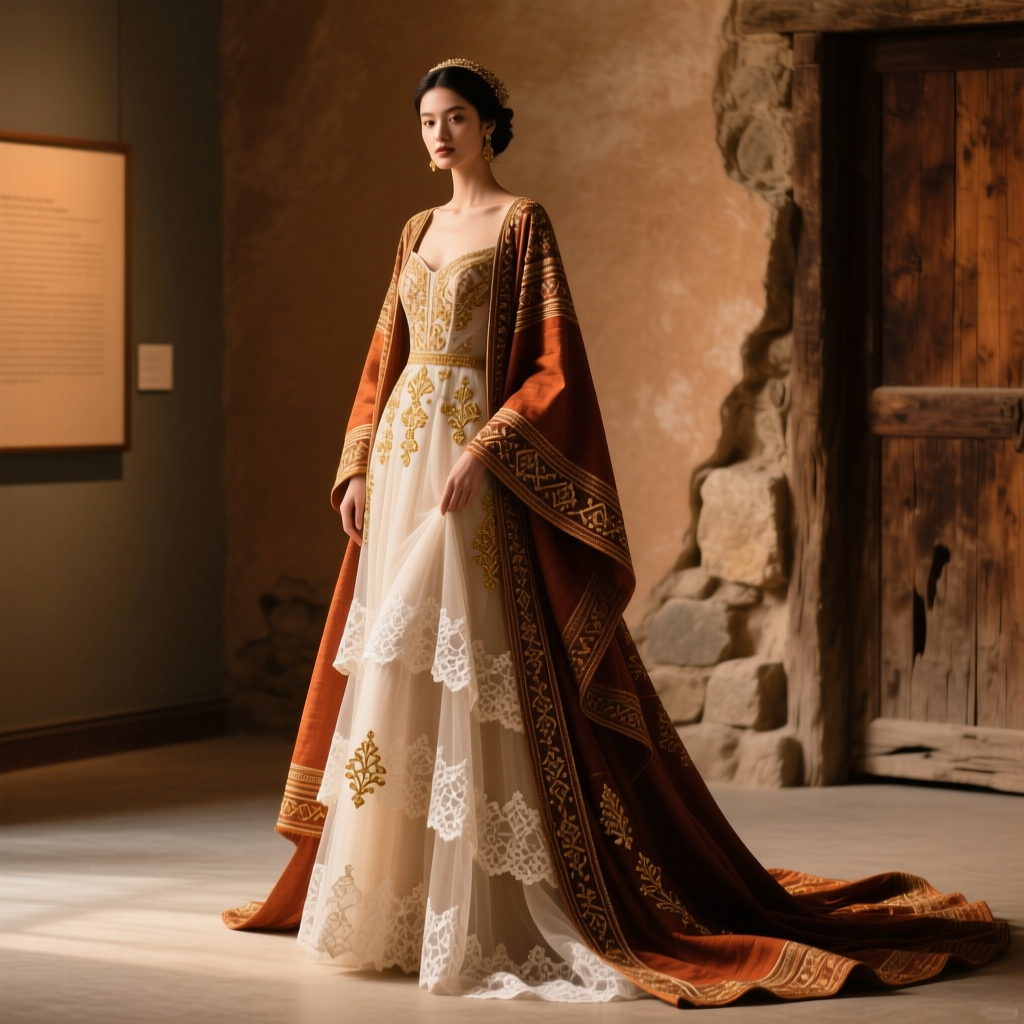
Traditional Dress Women Drawing: A Complete Style & Illustration Guide

The art of traditional dress women drawing sits at the intersection of cultural preservation, fashion illustration, and personal creative expression. Whether you are a fashion student studying the drape of a Japanese kimono, a costume designer sketching a Mexican huipil, or an artist captivated by the flowing silhouettes of a West African boubou, capturing traditional garments on paper requires both technical skill and deep cultural understanding. Every fold, every embroidered motif, and every accessory tells a story that stretches back through centuries of heritage, identity, and craftsmanship.
In this comprehensive guide, we explore how to approach traditional dress illustration with sensitivity and style, how to accessorize your drawn figures authentically, which occasions call for specific garment representations, and how modern adaptations are reshaping the way we depict heritage clothing in contemporary fashion art. Whether your goal is to build a professional portfolio or simply deepen your appreciation for global sartorial traditions, this guide will serve as your creative compass.
Understanding the Foundations of Traditional Dress Illustration
Before putting pencil to paper, it is essential to understand that traditional garments are never merely clothing — they are visual languages. A traditional dress women drawing must communicate not only the silhouette and fabric of a garment but also its cultural context, regional variations, and symbolic meaning. This is what separates a superficial sketch from a truly informed illustration.
Research Before You Sketch
Every great illustration begins with research. Study the garment's origins, the communities that wear it, and the occasions for which it is reserved. For example, the Indian sari can be draped in over eighty distinct regional styles, each carrying different cultural significance. The Korean hanbok features specific color combinations that historically indicated marital status and social rank. Understanding these nuances will elevate your drawings from generic representations to culturally informed artworks.
Explore our traditional garment guides for in-depth breakdowns of silhouettes, fabrics, and construction methods from around the world. These resources provide the structural knowledge that underpins confident, accurate illustration.
Mastering Silhouette and Proportion
Traditional garments often defy Western fashion proportions. The voluminous skirts of a Polish folk costume, the straight-line geometry of a Moroccan kaftan, and the layered complexity of a Guatemalan traje each demand a different approach to figure drawing. Practice gesture sketches that capture the overall shape before committing to details. Pay particular attention to how fabric interacts with the body — where it clings, where it billows, and where it creates structured architectural forms.
Fabric Rendering Techniques
Different traditional textiles require different rendering approaches. Silk saris demand fluid, luminous strokes that suggest sheen and drape. Heavy woolen Nordic bunads require textured crosshatching to convey weight and density. Hand-woven Indonesian ikat fabrics call for careful pattern placement that respects the geometric logic of the weave. Develop a personal library of textile rendering techniques so that each fabric in your illustration feels tactile and authentic.
Styling Tips for Authentic Traditional Dress Drawings
Once you have mastered the foundational garment, styling becomes the layer that transforms a technical drawing into a compelling fashion illustration. The way a figure stands, the expression on her face, and the environment you suggest around her all contribute to the overall impact of your traditional dress women drawing.
Posing and Posture
Consider how the garment is actually worn in its cultural context. A woman in a Vietnamese áo dài carries herself with a particular grace that emphasizes the garment's flowing panels. A figure in a Scottish kilted dress might adopt a posture that reflects the pride and ceremony of Highland tradition. Research photographs, paintings, and documentary footage to understand the natural posture and movement associated with each garment. Your figure's pose should feel organic to the clothing, not imposed upon it.
Color Palette Considerations
Color is one of the most culturally loaded elements of traditional dress. In many West African traditions, specific colors carry spiritual meaning — white for purity and mourning, indigo for wealth and status, red for political power. In Chinese tradition, red symbolizes luck and joy, while white is associated with mourning. When illustrating traditional garments, research the cultural significance of color choices and represent them thoughtfully. If you are working in black and white, use value contrast and texture to suggest the richness that color would provide.
Layering and Dimension
Many traditional outfits are built through layers — an underskirt, a main skirt, an apron, a vest, a shawl, a headpiece. Each layer adds visual complexity and narrative depth. Illustrate these layers clearly, showing how they overlap, how edges peek out from beneath other garments, and how the combined weight affects the figure's silhouette. Our cultural heritage pages on layering traditions offer detailed breakdowns of multi-garment ensembles from various regions.
Embroidery and Surface Decoration
Embroidery, beadwork, appliqué, and other surface decorations are often the most distinctive features of traditional dress. These elements require patience and precision in illustration. Study reference images closely to understand the scale, placement, and motifs of decorative elements. In many traditions, specific embroidery patterns identify a wearer's village, clan, or family lineage — making accuracy not just an aesthetic choice but a matter of cultural respect.
Accessorizing Your Traditional Dress Illustrations
No traditional outfit is complete without its accessories. Jewelry, headpieces, footwear, and carried items are integral components that complete the visual story of a traditional dress women drawing. Overlooking accessories is one of the most common mistakes in fashion illustration of cultural garments.
Headpieces and Hair Ornaments
From the elaborate silver headdresses of Miao women in southern China to the flower-adorned braids of Mexican Tehuana dress, headpieces are often the most visually striking element of a traditional ensemble. They frame the face, establish the focal point of the illustration, and frequently communicate critical information about the wearer's age, marital status, or ceremonial role. Dedicate significant attention to rendering headpieces accurately and with the prominence they deserve in the overall composition.
Jewelry and Metalwork
Traditional jewelry ranges from the heavy amber and coral necklaces of Saharan nomadic communities to the delicate gold filigree earrings of Filipino mestiza dress. When illustrating jewelry, consider its weight, its movement, and its relationship to the garment beneath it. Heavy necklaces pull on fabric; dangling earrings create dynamic lines that complement the overall composition. Render metallic surfaces with appropriate highlights and shadows to suggest their material quality.
Footwear and Grounding Elements
Traditional footwear is frequently overlooked in fashion illustration, yet it grounds the figure both literally and compositionally. Japanese zori sandals, Turkish babouches, Norwegian bunad shoes, and Native American moccasins each have distinct forms that contribute to the authenticity of your drawing. Even if the footwear is partially hidden beneath a long skirt, suggesting its presence through subtle shadow and form adds credibility to your illustration.
Carried Items and Props
Fans, parasols, baskets, ceremonial vessels, and musical instruments often accompany traditional dress in real-world contexts. Including these elements in your illustration not only adds visual interest but also situates the garment in a living cultural practice. A figure holding a paper parasol while wearing a Vietnamese áo dài immediately evokes a sense of place and occasion that the garment alone cannot achieve.
Occasions and Contexts for Traditional Dress Representation
Understanding when and why traditional garments are worn is crucial for creating illustrations that feel authentic and respectful. A traditional dress women drawing should reflect the occasion for which the outfit is intended, as this influences everything from the formality of the styling to the mood of the composition.
Ceremonial and Wedding Attire
Wedding garments represent some of the most elaborate and symbolically rich examples of traditional dress. From the red and gold bridal saris of North India to the white silk uchikake of Japanese brides, wedding attire is designed to be visually overwhelming. When illustrating ceremonial garments, embrace the opulence — heavy embellishment, luxurious fabrics, and dramatic silhouettes are not only appropriate but expected. The mood of your illustration should reflect the gravity and joy of the occasion.
Festival and Performance Dress
Many traditional garments are specifically designed for festivals, dances, and performances. These outfits often prioritize movement and visual impact, with flowing elements that catch the air and bold patterns that read from a distance. When illustrating festival dress, use dynamic poses and energetic line work to convey the kinetic quality of the garment in motion. Consider illustrating the figure mid-dance or mid-performance to capture the garment's intended dynamism.
Everyday and Working Dress
Not all traditional dress is ceremonial. Everyday working garments — the simple indigo-dyed work clothes of Japanese farmers, the practical woven skirts of Andean market women, the functional aprons of Eastern European villagers — carry their own quiet beauty. Illustrating these garments requires a different approach: simpler compositions, more naturalistic poses, and an emphasis on the wear and softness that comes with daily use. These drawings often resonate deeply because they honor the ordinary lives in which extraordinary textile traditions are sustained.
Religious and Spiritual Garments
Traditional dress often intersects with religious practice. Illustrating garments worn for prayer, pilgrimage, or spiritual ceremony demands particular sensitivity. Research the protocols around these garments — who may wear them, when they are worn, and what elements are considered sacred. Approach these illustrations with humility and accuracy, prioritizing cultural respect over artistic license.
Modern Adaptations and Contemporary Interpretations
The world of traditional dress is not frozen in time. Designers, artists, and communities around the world are actively reimagining heritage garments for contemporary contexts. Understanding these modern adaptations enriches your traditional dress women drawing practice and opens creative possibilities for fashion-forward illustrations.
Fusion Fashion
Fusion fashion blends traditional garment elements with contemporary silhouettes and styling. A designer might pair a hand-embroidered Romanian blouse with modern tailored trousers, or reinterpret a kimono's obi belt as a statement accessory on a minimalist Western dress. When illustrating fusion fashion, the challenge is balancing traditional and modern elements so that neither overwhelms the other. Use clean, contemporary line work for the modern elements and more detailed, textured rendering for the traditional components to create visual dialogue between past and present.
Streetwear and Youth Culture
Young people around the world are incorporating traditional textiles and garment elements into streetwear — wearing kente cloth sneakers, pairing huipil-inspired tops with denim, or accessorizing with beaded Maasai-inspired jewelry. Illustrating these combinations requires an understanding of both the traditional source material and contemporary street fashion aesthetics. The resulting drawings can feel vibrant, relevant, and culturally dynamic.
Sustainable and Slow Fashion
The global slow fashion movement has brought renewed attention to traditional textile techniques — hand-weaving, natural dyeing, block printing, and hand-embroidery. Many designers are collaborating directly with artisan communities to create garments that honor traditional craftsmanship while meeting contemporary tastes. When illustrating garments from this movement, emphasize the handmade quality of the textiles. Let visible stitching, irregular patterns, and organic textures take center stage in your rendering.
Digital and Conceptual Illustration
Digital tools have opened new frontiers for traditional dress illustration. Artists can now experiment with pattern, color, and composition in ways that would be difficult or impossible with traditional media. Some illustrators use digital collage to place traditional garments in surreal or futuristic contexts, creating thought-provoking commentary on cultural continuity and change. Whatever medium you choose, the principles of research, respect, and accuracy remain the foundation of meaningful traditional dress illustration.
Buying Guide: Tools and Resources for Traditional Dress Illustration
Creating compelling traditional dress women drawings requires the right tools, references, and resources. Whether you work in traditional media or digitally, investing in quality materials and reliable source material will significantly improve your output.
Essential Drawing Materials
For traditional media illustration, invest in a range of pencils (2H through 6B for varied line weight), high-quality marker paper if you use alcohol markers, and a selection of fine-liner pens for detail work. Watercolor and gouache are excellent for rendering the rich colors and patterns of traditional textiles. For digital illustration, a pressure-sensitive drawing tablet and professional illustration software such as Procreate or Adobe Fresco will give you the control needed for detailed textile rendering.
Reference Books and Archives
Build a reference library of authoritative books on global costume and textile traditions. Museum publications from institutions like the Victoria and Albert Museum, the Metropolitan Museum of Art, and the Kyoto Costume Institute are invaluable resources. Online archives and digital museum collections offer free access to high-resolution photographs of historical garments that can serve as drawing references.
Fabric Swatches and Textile Samples
Nothing improves fabric rendering like firsthand experience with actual textiles. Collect fabric swatches — silk, cotton, wool, linen, brocade — and study how they drape, fold, and catch light. Many traditional textile retailers and textile sourcing guides offer sample packs that can serve both as drawing references and as inspiration for color palettes and patterns.
Workshops and Cultural Immersion
If possible, attend workshops led by practitioners of traditional textile arts. Learning to weave, embroider, or drape a garment firsthand gives you an embodied understanding of how these garments are constructed and worn. This knowledge translates directly into more confident, accurate illustrations. Many cultural heritage organizations offer workshops and educational programs open to artists and designers.
Frequently Asked Questions
What are the most important skills for drawing traditional women's dress accurately?
The most important skills are observational drawing, fabric rendering, and cultural research. Observational drawing allows you to capture the precise silhouette and construction details of a garment. Fabric rendering enables you to communicate the weight, texture, and drape of different textiles. Cultural research ensures that your illustration respects the garment's origins and represents it in an appropriate context. Together, these three skills form the foundation of every successful traditional dress illustration.
How can I avoid cultural appropriation in my traditional dress drawings?
Avoiding cultural appropriation begins with research, respect, and intentionality. Always credit the cultural origins of the garments you illustrate. Avoid mixing elements from different traditions in ways that distort their meaning. Be especially careful with sacred or ceremonial garments. When possible, consult with members of the culture you are depicting, support artisans from those communities, and use your illustrations to educate viewers about the garment's significance rather than treating it as mere aesthetic decoration. Our guide on cultural respect in fashion provides further guidance on this important topic.
What medium works best for illustrating traditional dress?
The best medium depends on the garment and your artistic goals. Watercolor excels at capturing the luminous quality of silk and the soft gradients of dyed fabrics. Colored markers are excellent for bold, saturated patterns found in many African and Latin American textiles. Fine-liner pens and ink are ideal for the precise geometric patterns of Central Asian and Nordic embroidery. Digital media offer maximum flexibility, allowing you to experiment with color and pattern without committing to a single approach. Many professional illustrators combine multiple media — for example, using ink for line work and watercolor for fabric color — to achieve rich, layered results.
How do I draw traditional dress on diverse body types?
Traditional garments were historically made for real bodies in all their diversity, and your illustrations should reflect this. Practice drawing figures of varying heights, weights, ages, and proportions. Study how traditional garments are adjusted and tailored to fit different bodies — many are designed with wrap constructions, adjustable ties, or generous cuts that accommodate a wide range of sizes. Representing diverse body types in your traditional dress drawings not only makes your work more inclusive but also more accurately reflects the lived reality of these garments across communities worldwide.
Where can I find reliable reference images for traditional dress illustration?
Reliable reference images can be found in museum digital collections (the Smithsonian, the British Museum, and the MET all offer extensive online archives), academic publications on costume history, documentary photography, and reputable cultural heritage organizations. Avoid using images from costume parties, fashion shows that appropriate traditional elements without context, or sources that misidentify garments. When in doubt, cross-reference multiple sources and consult the global dress reference guides available on our site for verified information on garment identification and regional variations.