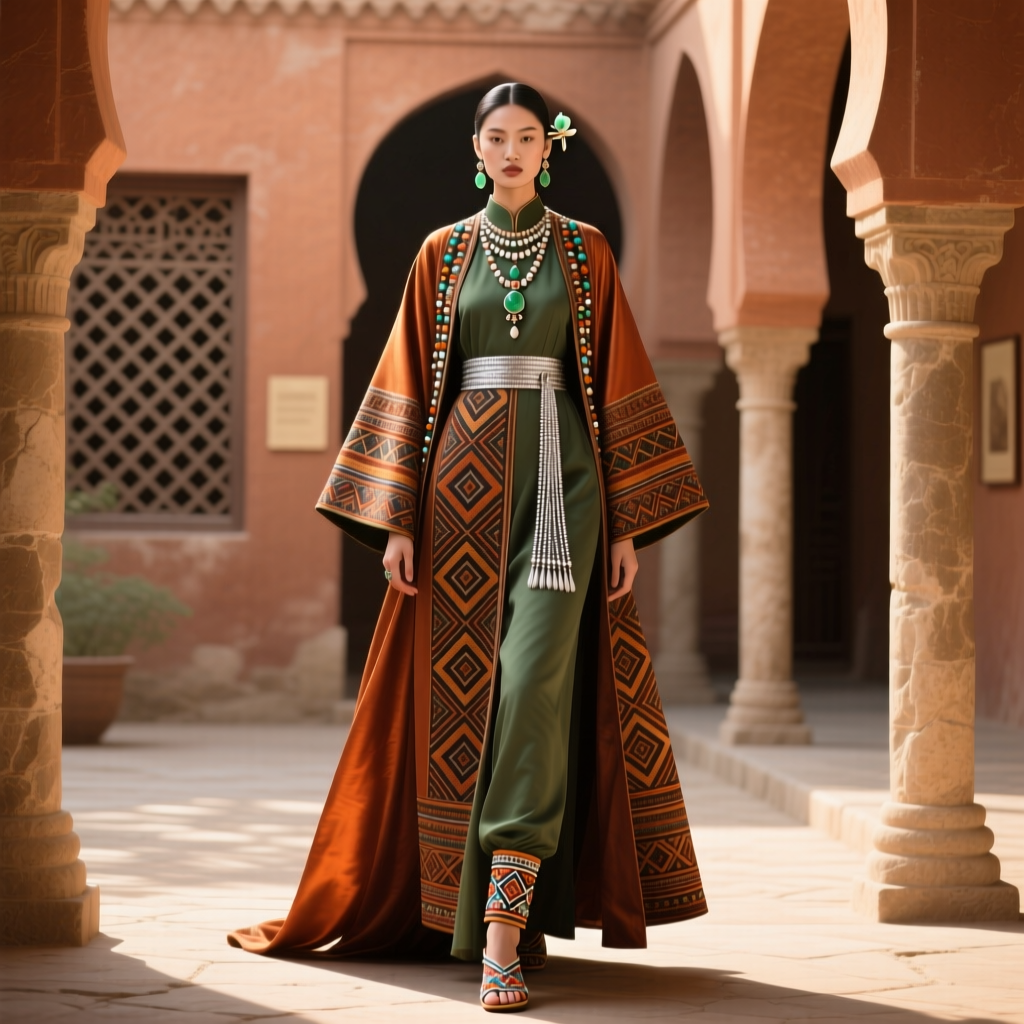
Traditional Dress for Women: Style Guide

Traditional dress for women carries the weight of centuries of cultural artistry, craftsmanship, and identity. Whether you are a fashion designer seeking inspiration, a content creator building visual mood boards, or a style enthusiast exploring heritage garments, understanding how to approach traditional dress for women as a creative prompt opens an extraordinary world of sartorial possibilities. From the flowing silhouettes of South Asian saris to the structured elegance of East Asian hanboks, the intricate embroidery of Eastern European folk costumes, and the vibrant textiles of West African wraps, traditional womenswear offers an inexhaustible well of design inspiration that transcends trends and seasons.
In this comprehensive guide, we explore how to use traditional dress for women as a styling prompt — whether you are curating an outfit, developing a creative project, or simply deepening your appreciation for cultural heritage garments from around the world. You will find practical styling advice, accessory pairings, occasion-specific guidance, and modern adaptation techniques that honor the origins of these remarkable garments while making them relevant for contemporary wardrobes.
Understanding Traditional Dress for Women as a Creative Prompt
When we speak of a "traditional dress women prompt," we are referring to the practice of using heritage garments and culturally rooted clothing as a starting point for creative exploration. This concept applies across multiple disciplines — fashion design, editorial styling, personal wardrobe curation, digital art, and even AI-assisted image generation. The key lies in approaching traditional garments with both creative ambition and cultural respect.
A well-crafted traditional dress prompt begins with research. Before pulling together an outfit or generating a visual concept, take time to understand the garment's origins, its symbolic elements, and its role within the culture that produced it. A Japanese kimono, for instance, communicates meaning through its fabric choices, sleeve lengths, and seasonal motifs. A Mexican huipil tells stories of community identity through its woven patterns. Recognizing these layers of meaning transforms a superficial reference into a thoughtful creative direction.
Start by selecting a specific garment or region rather than working with vague generalizations. Instead of prompting "traditional dress," try focusing on "a handwoven Guatemalan corte skirt paired with a contemporary linen blouse" or "a Rajasthani ghagra choli styled with minimalist gold jewelry." The specificity of your prompt directly correlates with the richness of your creative output. Explore our garment guides for detailed breakdowns of traditional silhouettes from around the world.
Styling Tips for Incorporating Traditional Dress Into Modern Wardrobes
Integrating traditional dress elements into everyday or special-occasion styling requires a balance between honoring the garment's heritage and creating a cohesive contemporary look. The following styling principles serve as reliable guidelines regardless of which cultural tradition you are drawing from.
Mix Heritage Pieces With Contemporary Basics
One of the most effective approaches to styling traditional dress is anchoring a statement heritage piece with modern wardrobe staples. Pair an embroidered Eastern European peasant blouse with tailored wide-leg trousers and leather sandals. Style a vibrant African kente cloth wrap skirt with a simple white button-down shirt. Drape a South Asian dupatta over a structured blazer for an unexpected fusion look. This high-low approach allows the traditional piece to command attention while the contemporary elements keep the overall silhouette grounded and wearable.
Play With Proportions and Silhouettes
Traditional garments often feature silhouettes that differ dramatically from Western fashion norms. Embrace these differences. The voluminous skirts of a dirndl, the columnar line of a cheongsam, and the draped complexity of a sari each offer unique proportions that can refresh your styling vocabulary. When building an outfit around a traditional piece, let its silhouette lead. If the garment is full and flowing, balance it with fitted accessories or streamlined footwear. If it is structured and close-fitting, consider adding volume through outerwear or layered textiles.
Layer With Intention
Layering is one of the most powerful tools in traditional dress styling. Many heritage garments were designed as part of multi-piece ensembles — think of the Japanese kimono system with its under-robe, obi, and outer layers, or the layered skirts and aprons of Alpine tracht. Modern interpretations can borrow this layering philosophy. Try wearing a long embroidered vest over a turtleneck and jeans, or layer a sheer organza dupatta over a sleeveless dress. Each layer adds depth, texture, and narrative to your outfit.
Respect Color Symbolism
Colors in traditional dress frequently carry deep cultural significance. Red in Chinese garments symbolizes prosperity and joy. White in many West African traditions represents purity and spiritual connection. Indigo in Japanese textiles reflects both aesthetic philosophy and practical dyeing traditions. When using traditional dress as a styling prompt, research the color meanings associated with your chosen garment and incorporate them thoughtfully. This attention to detail elevates your styling from mere aesthetic borrowing to informed creative expression. Learn more about traditional textiles and their meanings in our cultural heritage section.
Accessories That Elevate Traditional Dress
Accessories are where traditional dress styling truly comes alive. The right jewelry, footwear, headpieces, and bags can bridge the gap between heritage garment and contemporary ensemble, creating a look that feels intentional and polished.
Jewelry: Traditional dress often calls for jewelry that matches its level of craftsmanship. For South Asian garments, consider jhumka earrings, stacked bangles, or a maang tikka. For Middle Eastern-inspired looks, opt for ornate gold cuffs and statement cocktail rings. For Eastern European folk costumes, coral bead necklaces and silver filigree brooches complement the textile richness beautifully. When mixing traditional jewelry with modern clothing, choose one or two statement pieces rather than wearing a full set — this prevents the look from feeling costumey.
Footwear: The footwear you pair with traditional dress can dramatically shift the outfit's overall tone. Embroidered mojaris or juttis work beautifully with South Asian ensembles and also pair surprisingly well with jeans and a kurta-style top. For East Asian-inspired looks, minimalist sandals or modern platform shoes echo the clean lines of garments like the cheongsam. With European folk dress, ankle boots or leather lace-ups ground the romanticism of embroidered blouses and full skirts.
Headpieces and Hair Accessories: Many traditional dress systems include elaborate headpieces — from the ornate hairpins of Korean hanbok to the flower crowns of Scandinavian midsummer dress. Modern adaptations might include a simple silk scarf tied in a style inspired by these traditions, a decorative comb tucked into an updo, or a headband featuring traditional embroidery techniques. These small touches reference heritage without overwhelming a contemporary outfit.
Bags and Carried Accessories: Consider how bags and carried items interact with your traditional dress styling. A beaded clutch complements a formal heritage-inspired evening look. A woven basket bag pairs naturally with folk-style daywear. Embroidered potli bags add an artisanal touch to Indo-Western fusion outfits. The key is choosing accessories that share a material or craft philosophy with your primary garment. Explore our accessories guide for more pairing ideas.
Occasions for Wearing Traditional Dress
Understanding when and how to wear traditional dress ensures that your styling choices are both appropriate and impactful. Different occasions call for different levels of formality, cultural sensitivity, and personal expression.
Cultural Celebrations and Festivals
Festivals and cultural celebrations are the most natural settings for traditional dress. Diwali, Lunar New Year, Eid, Oktoberfest, Day of the Dead, and countless other celebrations worldwide are occasions where wearing traditional garments is not only appropriate but encouraged. These events provide an opportunity to wear heritage pieces in their most complete and authentic form — full ensembles with matching accessories, traditional hairstyles, and culturally significant color choices.
Weddings and Formal Events
Traditional dress makes a powerful statement at weddings and formal gatherings. A bride wearing a red Chinese qipao, a guest in a Nigerian gele and iro ati buba, or an attendee at a Scottish ceilidh in a tartan sash — each of these choices connects the wearer to lineage and community. When styling traditional dress for formal events, invest in quality fabrics and tailoring. Silk, brocade, hand-embroidered textiles, and artisan-woven materials photograph beautifully and communicate the significance of the occasion.
Professional and Creative Settings
In creative industries and multicultural professional environments, elements of traditional dress can serve as powerful expressions of personal identity. A well-tailored Nehru jacket over a crisp shirt, a subtle batik-print blouse under a blazer, or a Welsh tapestry-weave scarf can add distinctive character to professional attire while maintaining workplace appropriateness. The key is selecting one heritage element and building a polished, contemporary outfit around it.
Everyday Personal Style
Perhaps the most rewarding way to engage with traditional dress is weaving it into daily life. A hand-embroidered Mexican blouse becomes a weekend staple. A Turkish silk scarf transforms a basic ponytail. A pair of Indian kolhapuri sandals adds artisanal character to summer outfits. These everyday integrations keep traditional crafts alive and make personal style infinitely more interesting. Browse our style section for more ideas on building a culturally rich wardrobe.
Modern Adaptations: Honoring Heritage While Innovating
The most compelling traditional dress styling happens at the intersection of heritage and innovation. Modern adaptations are not about diluting cultural garments — they are about finding new contexts, new combinations, and new audiences for time-honored design traditions.
Fabric Substitutions: Consider how swapping fabrics can transform a traditional silhouette. A cheongsam sewn in crisp cotton instead of silk becomes a daytime-appropriate dress. A sari drape executed in lightweight jersey creates effortless, travel-friendly elegance. A dirndl-style bodice rendered in denim instead of brocade shifts the garment from festival wear to everyday fashion. These substitutions maintain the structural DNA of the garment while expanding its versatility.
Silhouette Modifications: Contemporary designers frequently adapt traditional silhouettes for modern bodies and lifestyles. A cropped jacket inspired by a Japanese haori, a maxi dress borrowing the wrap construction of a Thai sinh, or wide-leg pants adapted from Middle Eastern sirwal — each of these adaptations carries forward the design intelligence of the original while creating something fresh. When modifying silhouettes, retain at least one defining characteristic of the original garment so that its heritage remains recognizable.
Print and Pattern Recontextualization: Traditional patterns — ikat, batik, paisley, tartan, shibori — can be applied to entirely new garment types. An ikat-print blazer, a batik midi skirt, or a tartan jumpsuit all represent creative recontextualizations that celebrate the original craft while pushing it into new territory. The important principle here is understanding the pattern's cultural origins and acknowledging them, whether through your styling narrative or through supporting artisans and ethical producers who maintain these traditions.
Cross-Cultural Pairing: One of the most exciting frontiers in traditional dress styling is the thoughtful combination of elements from different cultural traditions. A West African headwrap paired with a Scandinavian-style knit cardigan. A Japanese obi belt cinching a European-style coat dress. These combinations work best when grounded in genuine appreciation and knowledge of each tradition, rather than random eclecticism. The goal is dialogue between cultures, not appropriation.
Buying Guide: Where and How to Source Traditional Dress
Sourcing traditional dress responsibly is essential for both quality and ethical considerations. The global marketplace offers numerous avenues, but not all are created equal in terms of authenticity, craftsmanship, and fair compensation for artisans.
Direct-from-Artisan Platforms: Websites and marketplaces that connect buyers directly with artisans are often the best source for authentic traditional garments. Look for platforms that provide detailed information about the maker, the technique used, and the cultural context of the garment. These platforms typically offer one-of-a-kind pieces with genuine provenance. Expect longer shipping times but superior quality and the satisfaction of supporting traditional crafts directly.
Specialty Boutiques and Importers: Many cities have specialty boutiques focused on specific cultural traditions — Indian clothing shops in South Asian neighborhoods, African textile importers, Mexican folk art stores. These brick-and-mortar sources offer the advantage of seeing and touching fabrics in person, getting fitted properly, and building relationships with knowledgeable shop owners who can educate you about the garments they sell.
Vintage and Antique Sources: Vintage traditional garments offer exceptional quality, unique character, and the sustainability benefits of secondhand shopping. Estate sales, vintage textile dealers, and specialized online auctions can yield remarkable pieces — hand-embroidered blouses from the 1920s, vintage silk kimonos, or mid-century African wax-print fabrics. When buying vintage, inspect garments carefully for fabric weakness, staining, and structural damage, and factor in potential restoration costs.
Ethical Contemporary Brands: A growing number of contemporary fashion brands collaborate with traditional artisans to produce heritage-inspired collections. These brands can offer a middle ground between authenticity and modern convenience — garments that respect traditional techniques while offering contemporary sizing, reliable shipping, and customer service. Research brands thoroughly to ensure their artisan partnerships are genuinely equitable and that their marketing accurately represents the cultural origins of their designs.
What to Look for When Buying: Regardless of where you shop, evaluate traditional garments based on fabric quality (natural fibers like silk, cotton, wool, and linen generally indicate better craftsmanship), construction details (hand-stitching, finished seams, secure embellishments), and cultural accuracy (patterns, colors, and construction methods that align with the garment's tradition). Our comprehensive garment guides can help you identify quality markers for specific traditional dress types.
Frequently Asked Questions
How do I create an effective traditional dress prompt for creative projects?
An effective traditional dress prompt combines specificity with cultural awareness. Begin by naming the exact garment or tradition you want to explore — for example, "a handwoven Oaxacan huipil" rather than simply "traditional dress." Add context about the setting, styling direction, and mood you want to convey. Include details about accessories, color palette, and any modern elements you want to incorporate. The more precise your prompt, the more nuanced and respectful your creative output will be. Always include a note about cultural context to ensure the result honors the garment's origins rather than reducing it to mere decoration.
Is it appropriate to wear traditional dress from a culture that is not my own?
This question requires thoughtful consideration of context, intent, and execution. Wearing traditional dress from another culture is generally appropriate when done with genuine respect, accurate knowledge, and in suitable contexts — such as attending a cultural celebration at the invitation of community members, purchasing directly from artisans of that culture, or incorporating elements into personal style with informed appreciation. It becomes problematic when garments are worn as costumes, when sacred or ceremonial items are used casually, or when the wearer claims credit for the design tradition. The guiding principle should always be respect, education, and support for the communities that created and maintain these traditions.
How can I modernize a traditional garment without losing its cultural identity?
Modernizing traditional dress successfully requires identifying which elements are essential to the garment's identity and which can be adapted. Typically, the construction technique, signature silhouette element, or characteristic pattern is what defines a traditional garment. A sari's draped construction, a kimono's T-shaped silhouette, a dirndl's fitted bodice and full skirt — these core features should be preserved even as you modify length, fabric, or styling context. Change one or two variables at a time rather than reimagining everything simultaneously. This measured approach ensures the garment remains recognizable and culturally connected while gaining contemporary relevance.
What are the best fabrics to look for when buying traditional dress?
The best fabrics depend on the specific tradition, but certain universal quality indicators apply. For silk garments — common in East Asian, South Asian, and Southeast Asian traditions — look for weight, luster, and a smooth hand-feel that indicates genuine silk rather than synthetic substitutes. For cotton-based traditions like West African wax prints or Mexican embroidery, seek out tightly woven, substantial cotton that will hold its shape and withstand washing. For wool garments common in European and Central Asian traditions, check for dense weaving, consistent dyeing, and flexibility. In all cases, natural fibers generally indicate higher quality and greater authenticity than synthetics. Handwoven and hand-dyed textiles, while often more expensive, offer superior character and support traditional craft practices.
How do I care for and store traditional garments properly?
Proper care extends the life of traditional garments significantly and preserves their beauty for years to come. Most handcrafted traditional pieces benefit from gentle hand-washing in cool water with mild detergent, or professional dry cleaning for delicate silks and heavily embellished items. Never wring or twist handwoven fabrics — instead, roll them in a clean towel to absorb excess moisture and dry flat. Store traditional garments folded with acid-free tissue paper between layers, or hang structured pieces on padded hangers to maintain their shape. Keep garments away from direct sunlight, which fades natural dyes, and use cedar blocks or lavender sachets rather than chemical mothballs for wool and silk pieces. For heirloom-quality garments, consider archival storage boxes and museum-grade tissue paper. Visit our garment care guide for detailed instructions on specific fabric types.