Traditional Clothing and Accessories: A Complete Styling Guide
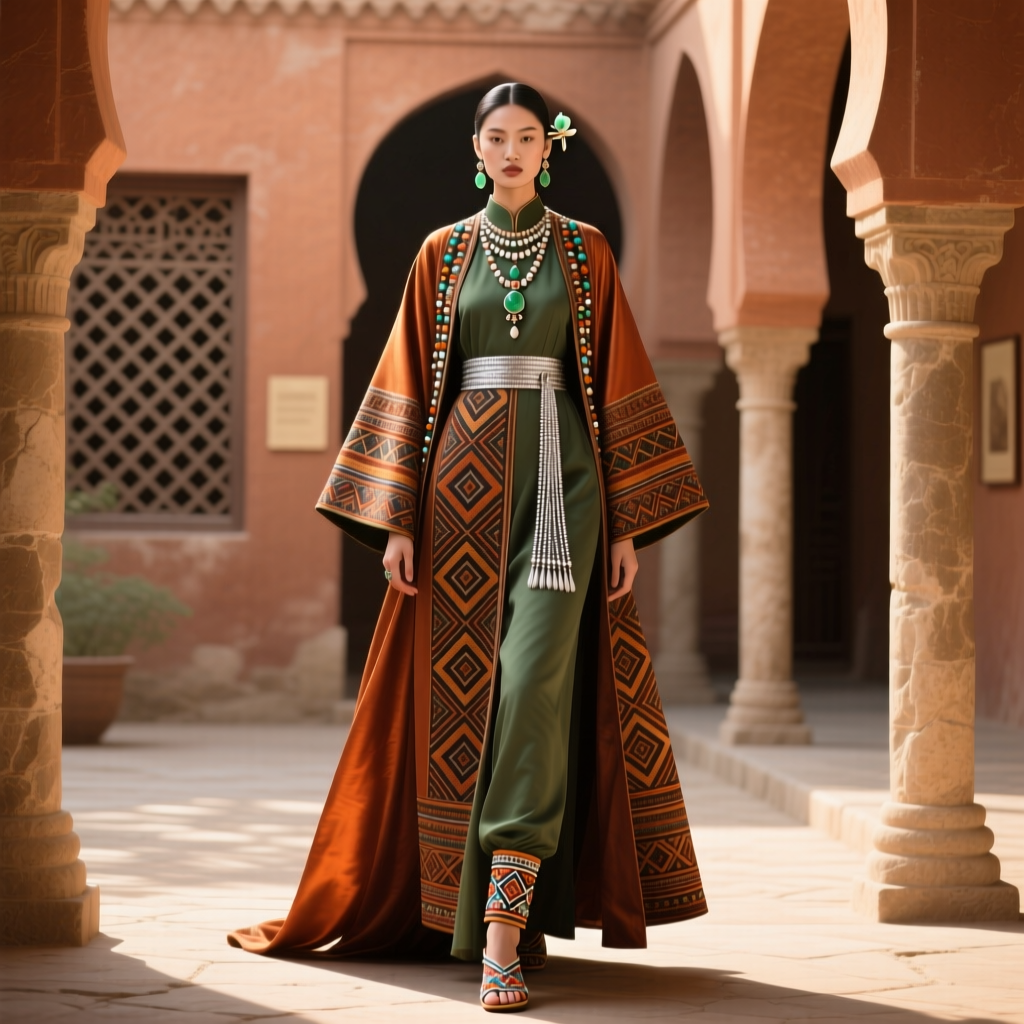
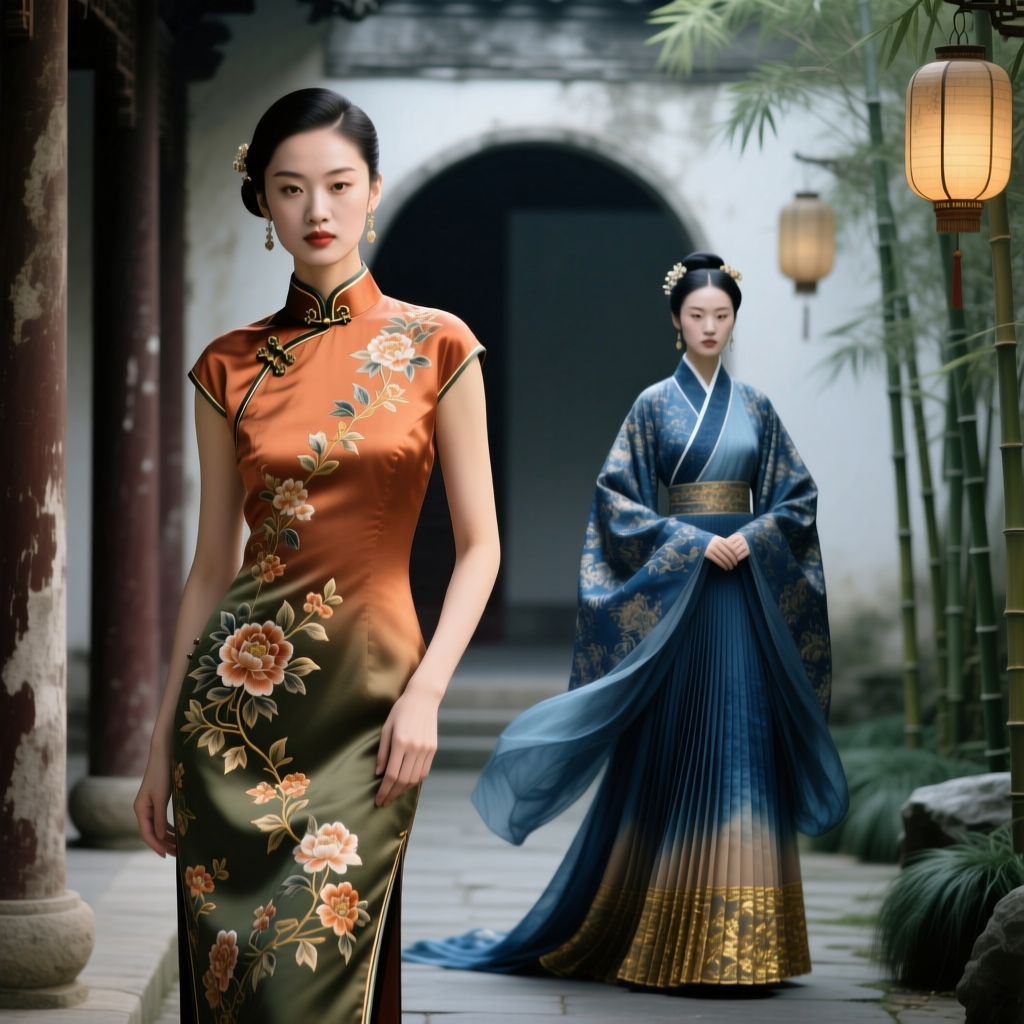
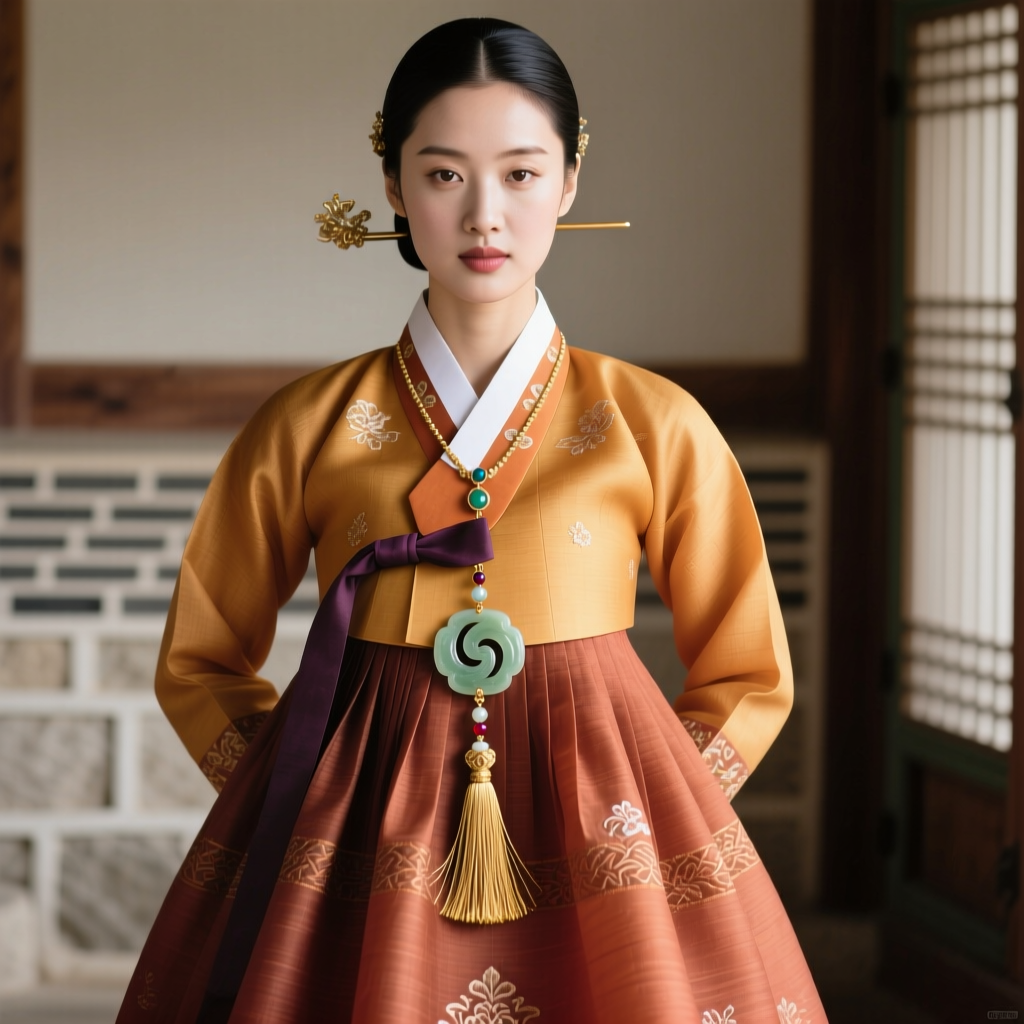
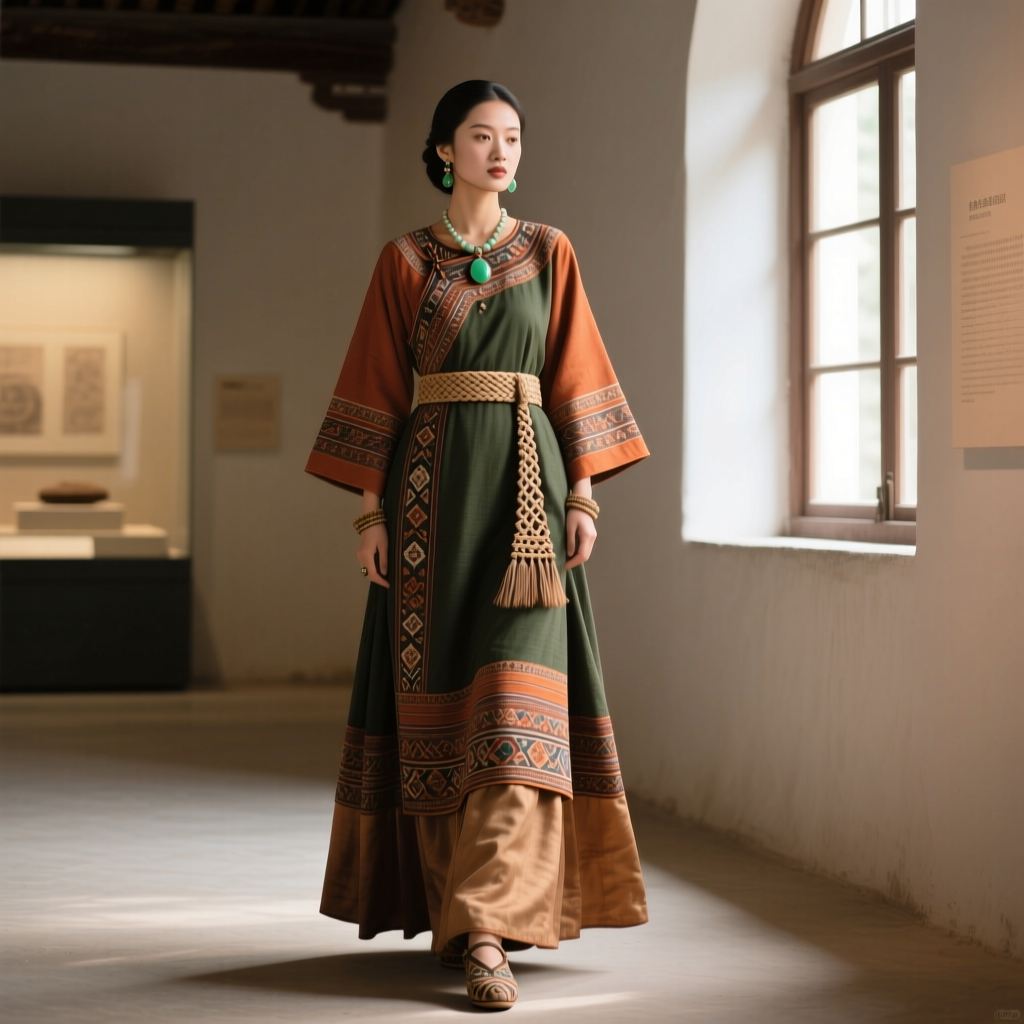
There is a quiet power in wearing garments that carry centuries of history on their threads. Traditional clothing and accessories are more than relics of the past — they are living expressions of identity, craftsmanship, and cultural storytelling. From the intricate embroidery of a Mexican huipil to the flowing elegance of a West African boubou, these pieces connect us to generations of artisans who poured meaning into every stitch, weave, and dye bath.
Yet for many, the challenge lies not in appreciating traditional garments but in wearing them with confidence in a contemporary context. How do you honor the heritage of a piece while making it feel relevant to your everyday life? How do you pair a handwoven textile with modern silhouettes without diluting its significance? This guide explores the art of styling traditional clothing and accessories thoughtfully, respectfully, and with unmistakable personal flair.
Whether you are reconnecting with your own heritage or exploring cultural heritage traditions from around the world, the principles below will help you build a wardrobe that bridges past and present beautifully.
Styling Traditional Clothing for Modern Wardrobes
The key to integrating traditional clothing into a modern wardrobe lies in balance. You want the heritage piece to be the focal point while surrounding it with contemporary elements that let it shine. Here are foundational principles to guide your styling decisions.
Anchor With One Statement Piece
When wearing traditional garments, resist the urge to layer multiple culturally significant items at once unless you are attending a cultural celebration where full traditional attire is appropriate. Instead, choose one hero piece — a hand-embroidered blouse, a block-printed skirt, or a woven jacket — and build the rest of your outfit around it using modern basics. A tailored pair of trousers, a simple midi skirt, or well-fitted denim can serve as a neutral canvas that allows the traditional piece to command attention.
Mix Textures Intentionally
Traditional textiles often feature rich textures: hand-loomed cotton, raw silk, brocade, or batik. Pair these with contrasting modern fabrics to create visual depth. A silk kimono-style jacket looks striking over a crisp cotton t-shirt and structured trousers. A heavily embroidered vest gains an effortless edge when layered over a fine-gauge merino sweater. The tension between old-world texture and modern minimalism is where truly compelling outfits emerge.
Respect Proportions and Silhouettes
Many traditional garments feature generous, flowing cuts that differ significantly from contemporary tailored fits. When styling a loose-fitting kurta or a wide-sleeved dashiki, balance the volume by pairing it with more fitted pieces on the opposite half of your body. A voluminous tunic pairs beautifully with slim-fit pants or a pencil skirt, while a fitted traditional top can be matched with wide-leg trousers for a silhouette that feels both grounded and elegant.
For a deeper understanding of how different garment cuts interact, explore our guide to silhouettes and proportions.
Let Color Tell the Story
Traditional clothing is often rich in color symbolism. Indigo dyes in Japanese shibori represent depth and resilience. The vibrant kente cloth of Ghana communicates status, history, and philosophical concepts through its color arrangements. When styling these pieces, study the color symbolism in textiles to understand what you are wearing and to communicate that story through your styling choices. Pairing a boldly colored traditional garment with neutral tones allows its palette to resonate without competition.
Essential Traditional Accessories to Elevate Any Outfit
Accessories are perhaps the most accessible entry point into wearing traditional elements. They require less commitment than a full garment, yet they can transform an otherwise ordinary outfit into something remarkable. Here are categories of traditional accessories worth exploring.
Handwoven Bags and Textile Purses
From Guatemalan huipil-fabric clutches to Moroccan leather bags with traditional metalwork, handwoven and handcrafted bags are functional art. A woven basket bag from Southeast Asia adds organic texture to a summer dress, while a beaded Maasai pouch brings geometric boldness to a minimalist ensemble. When choosing a traditional bag, consider its scale relative to your frame and the formality of the occasion.
Heritage Jewelry and Metalwork
Traditional jewelry carries profound cultural weight. Berber silver fibulas, Indian jhumka earrings, and Native American turquoise and silver pieces are not merely decorative — they encode beliefs, social status, and spiritual protection. Styling heritage jewelry requires a light hand: let one or two statement pieces speak rather than layering multiple culturally distinct items, which can appear costumey rather than considered.
Pair bold traditional earrings with a simple updo and clean-lined clothing. A substantial metal cuff bracelet gains impact when worn alone on one wrist against a bare forearm or pushed up sleeve. For more on accessorizing with intention, see our accessory pairing guide.
Scarves, Wraps, and Head Coverings
Textile wraps are among the most versatile traditional accessories. A hand-block-printed rajasthani dupatta can be draped as a scarf, tied as a belt, or worn over the shoulders as a shawl. Silk furoshiki cloths from Japan can wrap gifts, serve as headbands, or be tied onto bags as accents. The versatility of these pieces makes them ideal for those beginning to incorporate traditional elements into their wardrobes.
Footwear With Cultural Roots
Traditional footwear often features construction techniques and materials that modern manufacturing cannot replicate. Moroccan babouches, Indian juttis, and Mexican huaraches are crafted using methods passed down through generations. These shoes pair beautifully with both traditional and contemporary clothing — a pair of embroidered juttis looks equally at home with a salwar kameez and with cropped jeans and a linen blouse.
Belts, Sashes, and Waist Cinchers
Many cultures use sashes and belts as markers of identity and craftsmanship. The Japanese obi, the West African kente sash, and the Andean faja are all examples of waist accessories that define a silhouette while showcasing extraordinary textile art. In modern styling, a traditional woven sash can replace a leather belt over a coat or dress, instantly adding cultural depth and visual interest to an outfit.
Occasions for Wearing Traditional Clothing and Accessories
Understanding when and how to wear traditional garments ensures that you honor their significance while expressing your personal style authentically.
Cultural Celebrations and Festivals
The most natural setting for full traditional attire is within cultural celebrations — weddings, religious ceremonies, national holidays, and community festivals. These occasions call for wearing garments as they were intended, often in their most complete and elaborate form. If you are attending a celebration from a culture not your own, research appropriate attire or ask community members for guidance. Respect and context matter deeply.
Professional and Formal Settings
Traditional clothing can be powerfully appropriate in professional and formal environments when styled thoughtfully. A well-tailored mandarin collar jacket, a structured sari blouse paired with tailored trousers, or a refined African print blazer can serve as distinguished professional attire. The key is ensuring impeccable fit, quality fabric, and styling that communicates intentionality rather than casualness.
Everyday and Casual Wear
For daily life, traditional accessories and simplified garment forms integrate most seamlessly. A block-print cotton shirt, a pair of artisan-made sandals, or a handwoven scarf can bring heritage into your everyday routine without requiring elaborate styling. The goal is to make traditional elements feel like a natural extension of your personal style rather than a special-occasion costume.
Travel and Cultural Immersion
When traveling, wearing locally sourced traditional accessories supports artisan communities and deepens your connection to the places you visit. A hand-painted silk scarf purchased in Vietnam or a woven bracelet from a market in Peru becomes a wearable memory. However, be mindful of sacred or ceremonial items that are not intended for casual wear by outsiders.
Modern Adaptations: Honoring Heritage While Evolving Style
The fashion world has increasingly embraced traditional textiles and construction techniques, but not all adaptations are created equal. The distinction between respectful evolution and cultural appropriation lies in credit, compensation, and context.
Designer Collaborations With Artisan Communities
The most ethical modern adaptations emerge from genuine collaborations where traditional artisans are credited, compensated fairly, and given creative agency. Seek out brands that work directly with weaving cooperatives, embroidery collectives, and dyeing workshops. These partnerships produce garments that honor traditional techniques while introducing silhouettes and styling that appeal to global wardrobes.
Contemporary Silhouettes in Traditional Textiles
Many designers and independent makers create modern garment shapes — wrap dresses, structured blazers, wide-leg jumpsuits — using traditional fabrics like ikat, mudcloth, or brocade. These pieces allow wearers to enjoy heritage textiles in forms that suit contemporary lifestyles. When purchasing such items, verify that the textiles are sourced ethically and that the originating culture is acknowledged.
DIY and Upcycling Traditional Textiles
For those with sewing skills, repurposing vintage traditional textiles into new garments can be a beautiful way to extend their life. A damaged sari can yield fabric for a flowing maxi skirt. Vintage kimono silk can be transformed into a luxurious lining for a modern coat. The key principle is to treat the source material with reverence — avoid cutting through significant motifs or sacred symbols, and preserve as much of the original artistry as possible.
Learn more about working with heritage fabrics in our heritage textiles guide.
Fusion Styling as Personal Expression
Fusion styling — combining elements from multiple cultural traditions in a single outfit — can be a powerful form of personal expression, particularly for individuals who navigate multiple cultural identities. A second-generation immigrant might pair a traditional embroidered top from their parents' homeland with contemporary streetwear, creating a visual language that reflects their lived experience. This deeply personal approach to styling is among the most authentic ways to wear traditional clothing in a modern context.
Buying Guide: Where and How to Purchase Traditional Clothing and Accessories
Investing in traditional garments and accessories requires more diligence than typical fashion shopping. Quality, authenticity, and ethical sourcing should guide every purchase.
Prioritize Artisan-Made Over Mass-Produced
Mass-produced imitations of traditional designs often exploit cultural intellectual property while offering inferior quality. Seek out pieces made by artisans within the culture of origin. Look for certifications like Fair Trade, World Fair Trade Organization (WFTO) membership, or direct-trade relationships. Platforms like Etsy, NOVICA, and Ten Thousand Villages curate artisan-made traditional goods, but always research individual sellers.
Understand Fabric and Construction Quality
Authentic traditional textiles have characteristics that distinguish them from machine-made copies. Hand-loomed fabrics may have slight irregularities in weave — these are features, not flaws. Natural dyes produce colors with depth and variation that synthetic dyes cannot replicate. Hand embroidery will show minor variations between stitches. Learn to recognize these markers of authenticity by studying our guide to identifying authentic textiles.
Know the Origin Story
Before purchasing a traditional garment or accessory, learn about its cultural context. What community made it? What do the patterns and colors signify? Is it appropriate for everyday wear, or is it reserved for specific ceremonies? Reputable sellers provide this information willingly. Understanding the story behind your garment deepens your appreciation and ensures you wear it with the respect it deserves.
Budget Considerations
Authentic traditional clothing and accessories represent significant labor and skill, and their prices reflect that reality. A hand-embroidered garment that took weeks to create will cost substantially more than a factory-printed imitation. View these purchases as investments in wearable art and in the livelihoods of artisan communities. If budget is a concern, start with smaller accessories — earrings, scarves, or bracelets — and build your collection over time.
Care and Maintenance
Traditional textiles often require specialized care. Hand-woven cottons may shrink if machine-washed. Silk brocades may need professional dry cleaning. Natural dyes can fade with harsh detergents or prolonged sun exposure. Always ask the seller for care instructions specific to the piece, and when in doubt, opt for gentle hand-washing in cool water with a mild detergent. Proper care ensures these pieces endure for decades, becoming treasured elements of your wardrobe.
Frequently Asked Questions
Is it appropriate to wear traditional clothing from a culture that is not my own?
This question deserves nuanced consideration. Wearing traditional clothing from another culture can be respectful when done with genuine appreciation, proper context, and ethical sourcing. Attend a cultural festival where such attire is welcomed, purchase directly from artisans of that culture, and educate yourself about the garment's significance. Avoid wearing sacred or ceremonial items outside their intended context, and never treat traditional clothing as a costume or trend. The line between appreciation and appropriation is drawn by credit, compensation, and respect.
How do I style traditional clothing without looking like I am wearing a costume?
The answer lies in restraint and modern pairing. Choose one traditional piece as your focal point and build the rest of your outfit with contemporary basics. Avoid wearing head-to-toe traditional garments from a single culture unless you are participating in a cultural event where that is the norm. Confidence also plays a role — when you wear a piece with ease and intentionality, it reads as personal style rather than costume.
Where can I find authentic traditional accessories online?
Authentic traditional accessories can be found through artisan marketplace platforms, directly from cooperatives and workshops with online shops, and from curated boutiques that specialize in ethically sourced global fashion. Look for sellers who provide information about the artisan, the community of origin, and the techniques used. Our artisan directory features verified makers from around the world.
How do I care for hand-dyed and handwoven traditional textiles?
Most hand-dyed and handwoven textiles benefit from gentle care. Hand-wash in cool water using a pH-neutral detergent, avoid wringing or twisting the fabric, and dry flat away from direct sunlight. Some natural dyes, particularly indigo and turmeric, may release excess dye during the first few washes — wash these separately. For heavily embroidered or beaded pieces, spot clean when possible and consult a professional textile conservator for deep cleaning. Store traditional garments folded with acid-free tissue paper to prevent fiber stress.
What are the best traditional pieces to start with if I am new to this style?
Begin with versatile accessories that integrate easily into your existing wardrobe. A handwoven scarf, a pair of artisan-made earrings, or a traditionally crafted bag can add cultural depth to outfits you already own. From there, explore simple garments like a block-print cotton top, a woven belt, or a pair of handcrafted sandals. As your confidence and knowledge grow, you can expand into more elaborate traditional garments and learn to style them with increasing sophistication. Explore our complete style guides for more inspiration on building a culturally rich wardrobe.