Traditional Dress Women Poses: A Complete Styling & Photography Guide
There is an undeniable power in the way traditional dress transforms not only how a woman looks but how she carries herself. From the flowing silhouettes of a South Asian saree to the structured elegance of a West African gele and iro-buba, traditional garments carry centuries of cultural storytelling within every fold, stitch, and drape. Yet wearing these garments with confidence — and capturing that confidence through the right poses — is an art form unto itself.
Whether you are preparing for a cultural celebration, a professional photoshoot, a wedding, or simply want to honor your heritage through your wardrobe, understanding how to pose in traditional dress can elevate your presence from ordinary to extraordinary. The interplay between fabric, movement, posture, and cultural context creates a visual language that speaks volumes before a single word is exchanged.
In this comprehensive guide, we explore the most flattering and culturally respectful poses for women in traditional attire, along with styling tips, accessory recommendations, occasion-based guidance, and modern adaptations that bridge heritage with contemporary fashion. For a deeper dive into specific garments, explore our garment guides and learn about the rich histories behind each piece through our cultural heritage collection.
Mastering the Art of Poses in Traditional Dress
The foundation of any great pose in traditional clothing begins with understanding the garment itself. Unlike Western fast fashion, which often prioritizes body-conforming silhouettes, traditional dress frequently celebrates volume, layering, and dramatic draping. This means your poses should work with the garment rather than against it.
The Standing Elongation Pose
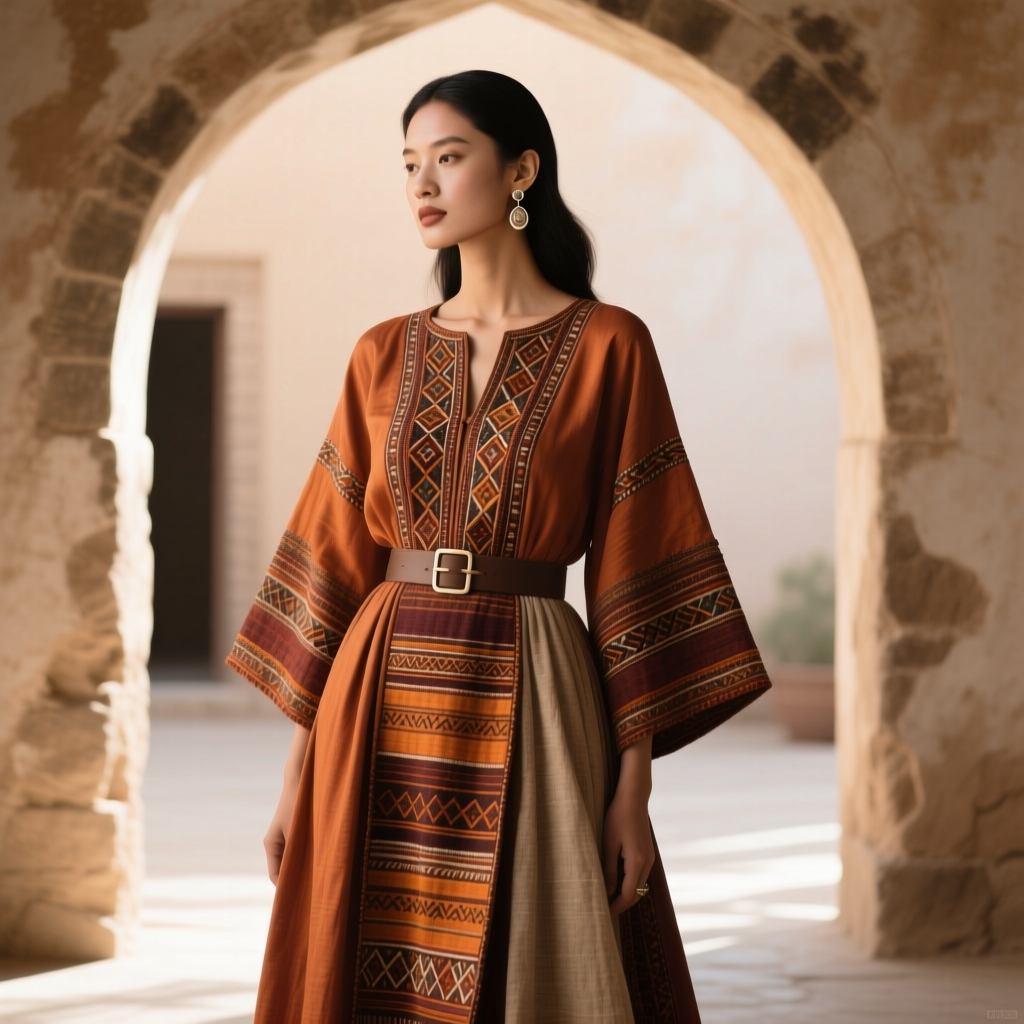
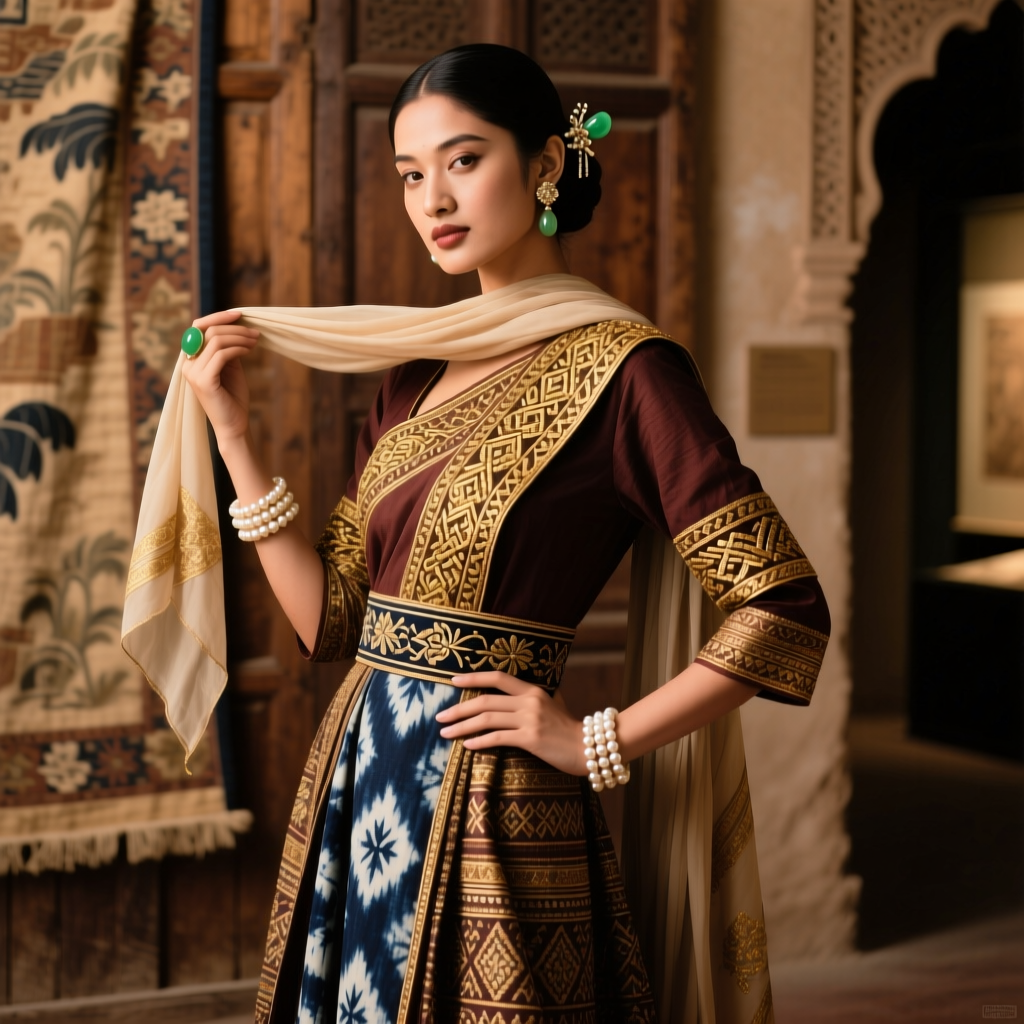
This is perhaps the most universally flattering pose for traditional garments. Stand with your weight shifted slightly onto one leg, allowing the other leg to relax forward. Elongate your neck, pull your shoulders back and down, and let your arms fall naturally — or place one hand lightly on your hip while the other holds or adjusts a element of the garment, such as a dupatta, shawl, or sash. This pose works exceptionally well with garments like the saree, hanbok, and caftan because it allows the fabric to cascade naturally while creating a long, elegant silhouette.
The Seated Grace Pose
Sitting in traditional dress requires mindfulness about fabric management. Choose a seat that allows the garment to spread beautifully — a low stool, a carved wooden chair, or even the ground for cultural authenticity. Cross your ankles or position your knees together with legs angled to one side. Place your hands gently in your lap, perhaps holding a cultural accessory like a fan, prayer beads, or embroidered clutch. This pose is particularly stunning for voluminous garments such as the Japanese kimono, the Moroccan kaftan, or the Nigerian buba and wrapper set. The seated position allows heavy embroidery, beadwork, and textile patterns to display prominently.
The Walking Movement Pose
Traditional garments are designed to move. Capture the dynamism of your outfit by walking slowly toward the camera or across the frame. Allow skirts, trains, and drapes to flow behind you. Turn your head slightly over your shoulder for a candid, editorial feel. This pose is ideal for lehenga cholis, dirndls, flamenco dresses, and any garment with a full skirt or trailing element. The key is to move slowly and deliberately — rushing will cause the fabric to tangle rather than flow.
The Profile Silhouette Pose
Turn your body to a full profile view and allow the natural shape of the garment to create the composition. This works beautifully with structured traditional pieces like the Chinese qipao, the Korean hanbok, or the Vietnamese ao dai, where the side profile reveals distinctive collar shapes, waistlines, and hemlines. Keep your chin slightly lifted and your gaze directed either straight ahead or softly downward for a contemplative, editorial mood.
The Over-the-Shoulder Glance
Face away from the camera and turn your head to look back over your shoulder. This pose highlights back details — a crucial element in many traditional garments that feature intricate back embroidery, ties, bows, or draping. It also creates a sense of mystery and invitation. This pose is spectacular for bridal traditional wear, where the back of the garment often carries as much detail as the front.
Styling Tips & Accessories for Traditional Dress
A pose is only as powerful as the styling that supports it. The right accessories and styling choices can transform a traditional outfit from beautifully worn to breathtakingly composed. Here are the essential styling principles every woman should consider when wearing traditional dress.
Jewelry That Complements Without Overwhelming
Traditional dress often features rich textiles, bold patterns, and intricate embroidery. Your jewelry should enhance these elements, not compete with them. Follow the principle of focal points: if your neckline is heavily adorned, opt for statement earrings and skip the necklace. If your garment is relatively simple, layer necklaces, bangles, and rings to build visual interest. Gold jewelry pairs naturally with warm-toned fabrics like deep reds, oranges, and maroons, while silver and white gold complement cooler tones such as navy, emerald, and silver-grey textiles.
For an in-depth look at pairing jewelry with specific cultural garments, visit our traditional jewelry guide in the cultural heritage section.
Hair Styling That Respects the Garment
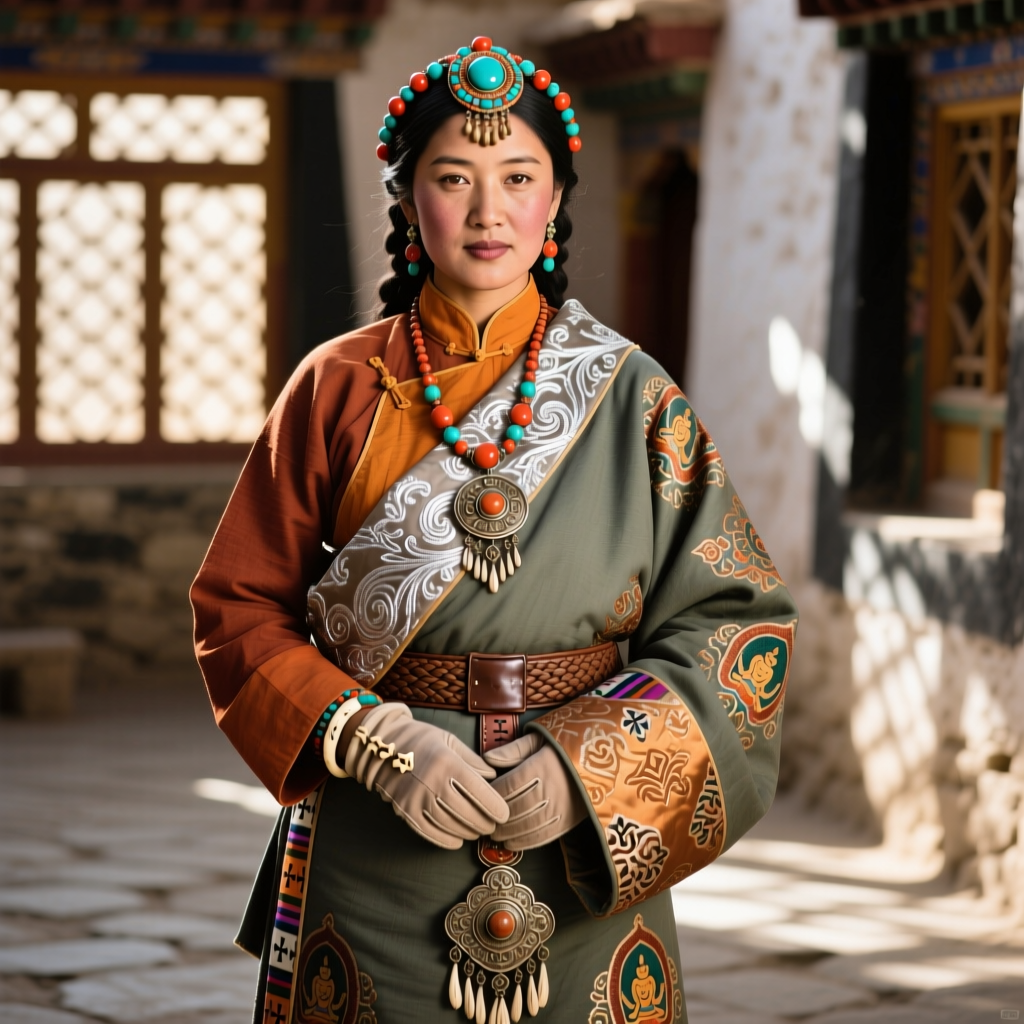
Your hairstyle should work in harmony with the neckline and headpieces associated with your traditional dress. High-necked garments like the qipao or ao dai pair beautifully with updos — a sleek chignon or a braided crown keeps the neckline visible and elegant. Open-necked garments and draped styles like the saree or Greek peplos allow for flowing, loose hairstyles that mirror the fabric movement. Consider incorporating hair accessories that echo the cultural origin of the garment: decorative pins for East Asian dress, fresh flowers for Polynesian and South Asian styles, or beaded headpieces for African traditional wear.
Footwear: The Often-Overlooked Detail
Traditional dress demands thoughtful footwear choices. Embroidered juttis and mojaris complement South Asian ensembles. Minimal sandals or bare feet suit many Southeast Asian and Pacific Islander garments. Closed-toe heels in neutral tones work well with structured East Asian traditional dress. The critical rule is that your footwear should never distract from the garment — it should ground the look and provide comfort for confident posing.
Fabric Management Techniques
Learning to manage your fabric is half the battle in posing well. Practice draping, tucking, and holding elements of your garment before your event or photoshoot. Use fashion tape or small safety pins (hidden from view) to secure drapes that tend to slip. For heavy garments, distribute weight evenly across your body to maintain comfortable posture throughout extended wear.
Occasion-Based Posing & Styling Guide
The context in which you wear traditional dress significantly influences both your styling choices and your posing approach. Different occasions call for different energies, and your poses should reflect the mood and formality of the event.
Weddings & Ceremonial Celebrations
Weddings are where traditional dress truly shines. For brides, poses should convey joy, anticipation, and regal elegance. The seated grace pose works beautifully for bridal portraits, allowing the full spread of the garment to be captured. Standing poses with the bridal party create dynamic group compositions. Brides should practice poses that showcase the garment from multiple angles — front, back, and side — as wedding photography typically covers all perspectives. Grooms and wedding guests in traditional attire should aim for confident, upright standing poses that convey celebration and cultural pride.
Cultural Festivals & Heritage Events
At cultural festivals, the energy is vibrant and communal. Poses here can be more dynamic and expressive — think twirling in a full skirt, laughing candidly, or engaging in traditional activities while being photographed. Group poses that showcase multiple traditional garments from the same culture create powerful visual statements about community and continuity. These events are also ideal opportunities to experiment with the walking movement pose, as the natural environment provides beautiful, culturally relevant backdrops.
Professional & Editorial Photoshoots
For professional photography and editorial work, poses should be more deliberate and sculpted. Work with your photographer to identify the garment's strongest visual features — perhaps a dramatic sleeve, an intricate waistband, or a unique textile pattern — and build poses that highlight those elements. Editorial posing often involves more angular arm positions, stronger facial expressions, and creative use of negative space. Explore our complete garment guides to understand the defining features of specific traditional pieces before your shoot.
Religious & Spiritual Ceremonies
When wearing traditional dress for religious or spiritual occasions, poses should convey reverence, humility, and inner peace. Hands held together in prayer position, head slightly bowed, or seated cross-legged in meditation poses are culturally appropriate and visually serene. Modesty is paramount in these settings — ensure your garment is styled to cover appropriately according to the traditions of the faith.
Modern Adaptations: Blending Tradition With Contemporary Style
One of the most exciting developments in traditional fashion is the rise of modern adaptations that honor cultural roots while embracing contemporary aesthetics. These fusion approaches open up entirely new posing possibilities and styling freedom.
Mixing Traditional Garments With Modern Pieces
Pair a traditional embroidered jacket with tailored trousers and ankle boots for a look that bridges cultures effortlessly. Style a saree blouse with high-waisted jeans and a statement belt. Wear a kimono-inspired robe over a simple slip dress. These combinations allow for more relaxed, fashion-forward posing — leaning against walls, hands in pockets, or casual walking shots that feel editorial and modern while still honoring tradition.
Contemporary Fabric Choices
Modern designers are reimagining traditional silhouettes in unexpected fabrics — neoprene hanboks, denim sarees, linen qipaos. These fabric innovations change how the garment moves and drapes, which in turn influences your posing approach. Stiffer modern fabrics create more architectural silhouettes suited to angular, high-fashion poses, while softer contemporary fabrics invite flowing, movement-based poses.
Minimalist Accessorizing
The modern adaptation approach often embraces minimalism. Instead of layering multiple traditional accessories, choose one or two statement pieces and let them shine. A single pair of oversized traditional earrings with an otherwise simple outfit creates a striking visual anchor. This minimalist approach translates beautifully to photography, where clean compositions and uncluttered styling produce powerful, gallery-worthy images. Discover more about minimalist styling approaches in our cultural heritage styling resources.
Gender-Fluid & Inclusive Styling
Traditional dress is increasingly being embraced beyond its conventional gender boundaries. Women adopting traditionally masculine garment elements — such as structured sherwanis, dashiki shirts, or tailored agbada — create bold, powerful looks that demand equally bold posing. Wide stances, strong direct gazes, and confident hand placements convey authority and style-breaking sophistication.
Buying Guide: Where to Invest in Traditional Dress
Building a collection of traditional garments requires thoughtful investment. Quality traditional dress is an investment in craftsmanship, cultural preservation, and personal style. Here is what to consider when purchasing traditional garments for your wardrobe.
Prioritize Authentic Craftsmanship
Seek out artisans and retailers who source directly from communities that have made these garments for generations. Hand-woven textiles, hand-embroidered details, and natural dyes are hallmarks of authentic traditional dress. Machine-made imitations may look similar at first glance but lack the depth, durability, and cultural integrity of genuine pieces. When shopping, ask about the origin of the textile, the techniques used in construction, and the cultural community behind the craftsmanship.
Understand Sizing & Fit
Traditional garments often follow sizing conventions different from Western ready-to-wear. Many are designed to be tailored or adjusted to the individual wearer. When purchasing, prioritize garments that offer customization options or plan to visit a tailor familiar with traditional dress construction. A well-fitted traditional garment will photograph better, feel more comfortable, and give you greater confidence in your poses.
Consider Versatility
Invest in pieces that can transition across occasions. A beautifully embroidered shawl can be worn with multiple outfits. A versatile kaftan can serve as both casual wear and formal attire depending on styling. Neutral-toned traditional separates can be mixed and matched with both traditional and contemporary pieces, maximizing your wardrobe's potential. Browse our versatile traditional pieces guide for curated recommendations.
Care & Preservation
Traditional garments often require specialized care. Hand-wash or dry-clean delicate textiles according to the artisan's recommendations. Store heavy embroidered pieces flat or on padded hangers to prevent distortion. Keep garments away from direct sunlight to prevent fading of natural dyes. Proper care ensures your traditional dress remains photogenic and pose-ready for years to come.
Price Range Expectations
Authentic traditional dress spans a wide price range. Simple, everyday traditional pieces can be acquired for modest investments, while ceremonial and bridal garments with extensive handwork represent significant financial commitments. Set a budget that reflects the occasions you plan to wear the garment for, and remember that quality traditional pieces often appreciate in sentimental and sometimes monetary value over time.
Frequently Asked Questions
What are the most photogenic poses for women wearing traditional dress?
The most photogenic poses depend on the specific garment, but universally flattering options include the standing elongation pose (weight on one leg, shoulders back, neck extended), the walking movement pose (slow, deliberate steps that allow fabric to flow), and the seated grace pose (knees together, hands in lap, fabric spread elegantly). The key principle is to let the garment's natural drape and volume guide your body positioning rather than forcing poses designed for Western silhouettes. Always practice your poses before the event or photoshoot to build muscle memory and confidence.
How do I choose the right accessories for my traditional outfit?
Start by identifying the focal point of your garment. If the textile features bold patterns or heavy embroidery, choose understated accessories that complement rather than compete. If the garment is relatively simple, build visual interest through layered jewelry, a statement headpiece, or an ornate clutch. Match metal tones to the color temperature of your fabric — gold for warm tones, silver for cool tones. Consider the cultural context of your accessories; wearing jewelry that originates from the same cultural tradition as your garment creates a cohesive, respectful look. Our cultural heritage section provides detailed accessory pairing guides for specific traditions.
Can I wear traditional dress if it is not from my own culture?
Wearing traditional dress from another culture can be done respectfully, particularly when you are invited to participate in a cultural event such as a wedding, festival, or ceremony. The key is to approach it with genuine respect, research, and an understanding of the garment's cultural significance. Avoid wearing sacred or ceremonial garments that hold specific religious or spiritual meaning unless explicitly invited to do so. Purchase from authentic sources within the culture, learn about proper styling and wearing conventions, and always credit and honor the culture you are engaging with. When in doubt, ask members of that cultural community for guidance.
What shoes should I wear with traditional dress for a photoshoot?
For photoshoots, your shoe choice depends on the garment's length, the cultural tradition, and the shooting environment. For full-length garments that cover the feet, prioritize comfort — cushioned flats or low wedges will keep you stable during long shoots. For garments that reveal footwear, choose culturally appropriate options such as embroidered juttis for South Asian dress, geta or zori for Japanese garments, or beaded sandals for African traditional wear. If the shoot is outdoors on uneven terrain, avoid stilettos and opt for block heels or embellished flats. Always bring a backup pair of comfortable shoes for between shots.
How can I modernize my traditional dress without losing its cultural essence?
Modernizing traditional dress is about thoughtful styling rather than altering the garment itself. Start by pairing traditional pieces with contemporary basics — a traditional skirt with a simple modern blouse, or a heritage jacket with tailored denim. Experiment with modern hairstyles and makeup while keeping the garment authentic. Choose contemporary accessories like minimalist earrings or a structured handbag to create contrast. The garment itself should remain true to its cultural construction and textile traditions; it is the styling around it that creates the modern fusion effect. This approach honors the craftsmanship and heritage of the piece while allowing personal expression to shine through.