How to Accessorize a Dress: The Ultimate Styling Guide
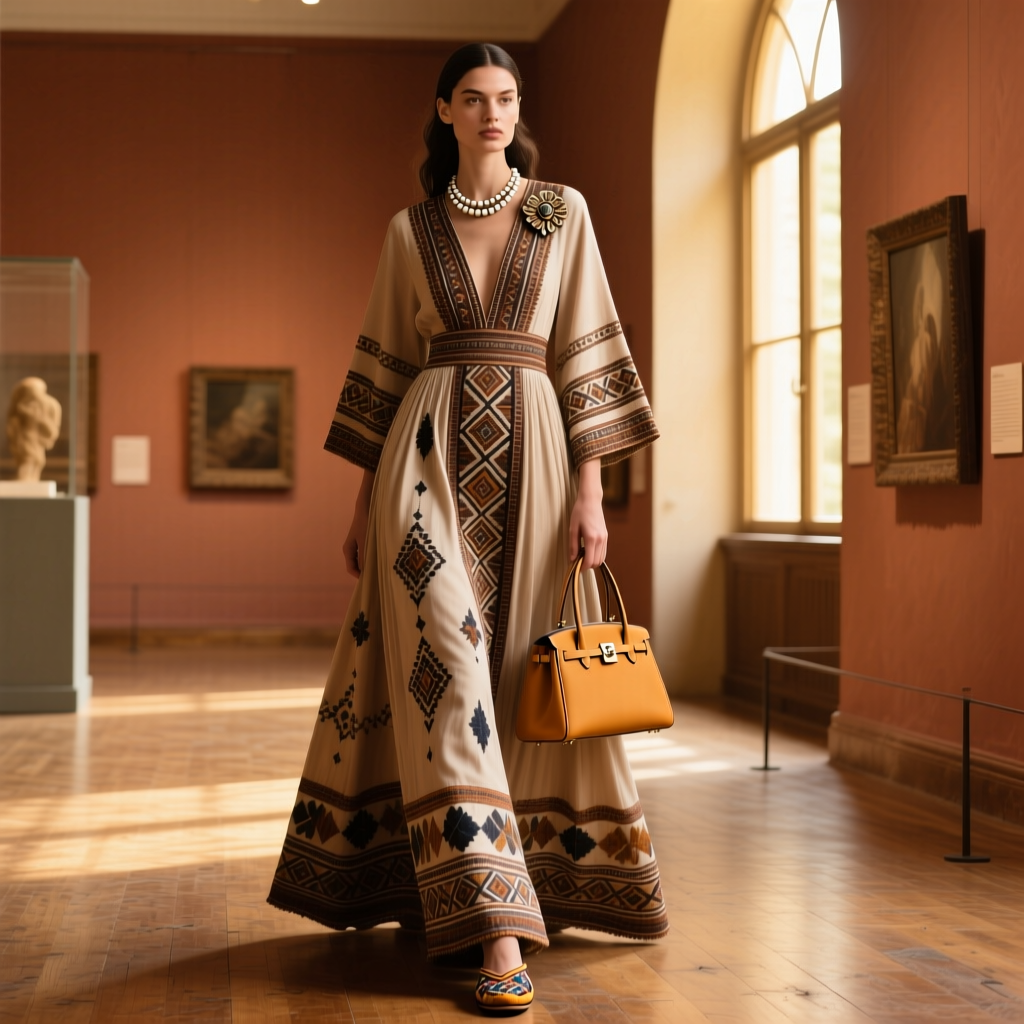
A beautiful dress is a masterpiece of textile and tailoring, but it is the accessories that breathe life, personality, and context into your ensemble. Whether you are stepping out in a vintage-inspired tea dress or a sleek, modern column gown, knowing how to accessorize a dress is the cornerstone of personal style. A dress serves as a blank canvas, waiting for the finishing touches that elevate it from a simple garment to a fully realized sartorial statement. The right combination of jewelry, footwear, and accents can completely transform the mood of your outfit, allowing you to express your individuality while respecting the nuances of the occasion.
At The Garment Atlas, we believe that styling is an art form rooted in understanding proportion, texture, and color theory. Accessorizing is not merely about adding more items to your body; it is about creating a harmonious visual narrative. From the subtle gleam of a delicate gold chain to the bold statement of a structured leather belt, every choice communicates a distinct message. In this comprehensive guide, we will explore the fundamental rules of dress styling, break down the best accessories for various silhouettes, and provide a practical buying guide to help you curate a timeless, versatile collection.
The Golden Rules of Dress Accessorizing
The foundation of exceptional styling lies in understanding the golden rules of balance and proportion. The most common mistake when learning how to accessorize a dress is overcomplicating the ensemble. When in doubt, remember the concept of the focal point. If your dress features intricate beadwork, bold prints, or dramatic ruffles, your accessories should play a supporting role. Opt for minimalist jewelry and understated footwear to let the garment's inherent design shine. Conversely, if you are wearing a simple, unadorned silhouette—such as the iconic little black dress—you have the freedom to experiment with bold, eye-catching accessories.
Proportion is equally critical. The scale of your accessories should complement your frame and the volume of the dress. A flowing, voluminous maxi dress can easily swallow delicate, microscopic jewelry, demanding wider bangles or larger statement earrings to maintain visual equilibrium. On the other hand, a sleek, body-con midi dress pairs beautifully with refined, architectural pieces that echo its clean lines. Finally, consider the rule of removal: before leaving the house, look in the mirror and remove one accessory. This classic piece of advice ensures that your look remains sophisticated and intentional rather than cluttered and chaotic.
Essential Accessories for Every Dress Silhouette
Every dress cut demands a unique approach to styling. Understanding the architecture of your garment is the first step toward selecting the perfect accents.
The Wrap Dress
The wrap dress is celebrated for its universally flattering V-neckline and waist-cinching tie. Because the dress already creates a defined waist and a deep neckline, heavy belts can disrupt the elegant draping of the fabric. Instead, enhance the waist by swapping the fabric tie for a delicate chain belt or a thin, textured leather strap. For the V-neckline, a simple pendant necklace that follows the angle of the neckline draws the eye downward and elongates the torso without competing with the dress's structural folds.
The Slip Dress
Originally designed as an undergarment, the slip dress has evolved into a staple of modern evening and casual wear. Its delicate, spaghetti straps and bias-cut silk or satin fabric require a gentle touch. Heavy, chunky hardware will clash with the ethereal nature of the garment. Instead, lean into the romantic aesthetic with layered, gossamer-thin gold chains, pearl drop earrings, or a vintage-inspired silk scarf tied loosely around the neck or woven through the straps. The goal is to enhance the fluidity and softness of the silk.
The Maxi Dress
Maxi dresses offer a grand canvas for bohemian and resort-inspired styling. Because the hemline sweeps the floor, your footwear is often hidden, meaning you can prioritize comfort with espadrille wedges or embellished flat sandals. The visual interest in a maxi dress should be drawn upward toward the face and waist. Wide-brimmed hats, stacked wooden or resin bangles, and oversized hoop earrings work beautifully here. If the maxi dress lacks a defined waist, a wide, corset-style leather belt can instantly provide structure and prevent the outfit from looking shapeless.
The Midi and Pencil Dress
The midi and pencil dresses are the workhorses of the professional and smart-casual wardrobe. Their modest hemlines and structured tailoring call for polished, refined accessories. A classic leather pump, a structured top-handle bag, and a sophisticated timepiece are the bread and butter of this silhouette. To add a touch of modern flair, try a silk scarf tied around the handle of your handbag, or opt for a pair of geometric, architectural earrings that add interest without dangling into your workspace.
Styling for the Occasion
Context is everything in fashion. The way you accessorize must align with the environment you are entering, ensuring you look both appropriate and effortlessly stylish.
Daytime & Casual Outings
For weekend brunches, market runs, or casual daytime strolls, comfort and practicality are paramount. Pair your casual cotton or linen dresses with high-quality leather sandals, crisp white sneakers, or ankle boots depending on the season. Canvas tote bags or crossbody bags in woven rattan or soft, slouchy leather keep the vibe relaxed. Sunglasses are a vital accessory here; a classic cat-eye or oversized square frame adds an instant layer of glamour while serving a practical purpose. Keep jewelry minimal—think small gold hoops, a delicate tennis bracelet, or a simple signet ring.
Office & Professional Environments
In the workplace, your accessories should project competence, organization, and polish. Avoid anything that jingles or distracts. A structured leather satchel or a sleek briefcase-style tote is essential for carrying documents and technology. Footwear should be closed-toe pumps, elegant loafers, or sophisticated block heels that allow you to navigate the office with ease. Jewelry should be modest and refined; pearl studs, a delicate pendant, and a classic analog watch convey professionalism. Avoid overly bright colors or aggressive patterns in your bags and shoes, opting instead for rich neutrals like navy, camel, black, and burgundy.
Evening & Formal Affairs
Evening wear is where you can fully embrace drama, luxury, and sparkle. When attending a gala, a wedding, or a formal dinner, your accessories should elevate the elegance of your gown. Swap your daytime tote for a structured metallic clutch or a velvet minaudière. Footwear should feature elegant details—think strappy sandals with crystal embellishments, classic satin pumps, or sophisticated velvet stilettos. This is the time to bring out your finest jewelry: chandelier earrings, diamond or cubic zirconia tennis bracelets, and statement cocktail rings. Remember to balance your sparkle; if you are wearing heavily jeweled earrings, opt for a simple bracelet or bare wrists.
Modern Adaptations & Trend-Forward Styling
Fashion is an evolving dialogue, and modern styling often involves breaking traditional rules to create something fresh and unexpected. One of the most popular contemporary techniques is layering. A sleeveless slip dress or a sleeveless knit dress can be transformed for cooler weather by layering a fitted, ribbed turtleneck underneath. This not only adds warmth but also introduces a beautiful textural contrast. Similarly, pairing a delicate, feminine floral dress with heavy, lug-sole combat boots and an oversized, distressed leather moto jacket creates a compelling grunge-meets-romantic aesthetic that is highly favored in modern street style.
Another modern adaptation is the intentional mixing of metals. The outdated rule that you must strictly match your gold jewelry to your gold hardware and silver to silver has been entirely dismantled. Today, mixing warm gold tones with cool silver and rose gold creates a curated, collected-over-time look that feels deeply personal. You can achieve this by wearing a watch with a two-tone metal band, or by layering necklaces of varying metal tones.
Finally, sustainable and artisanal accessories are taking center stage. Modern stylists are increasingly drawn to hand-carved resin jewelry, upcycled vintage bags, and ethically sourced leather goods. Incorporating these unique, conversation-starting pieces into your dress styling not only elevates your outfit but also aligns your wardrobe with mindful, conscious consumption.
The Accessory Buying Guide: Investing in Timeless Pieces
Building a curated collection of accessories requires a strategic approach. Rather than chasing fleeting micro-trends, focus on investing in high-quality, versatile pieces that will serve you for decades.
The Essential Footwear Trio
To accessorize any dress in your closet, you only truly need three foundational pairs of shoes. First, a classic nude or skin-tone pump that elongates the leg and pairs with every color and pattern. Second, a sleek black leather ankle boot or knee-high boot for transitional weather and adding an edge to softer silhouettes. Third, a pristine, minimalist white leather sneaker for casual, everyday styling. Ensure these three pairs are crafted from high-quality leather or suede, as they will endure heavy rotation.
Leather Goods & Handbags
Your handbag is the anchor of your outfit. Invest in a structured, medium-sized top-handle bag in a versatile neutral like black, tan, or taupe. This bag will transition seamlessly from the office to evening dinners. For casual wear, a high-quality leather crossbody or a durable canvas tote is essential. When buying leather goods, pay close attention to the hardware; solid brass or stainless steel hardware plated in gold or silver will resist tarnishing and maintain its luxurious appearance over time.
Fine & Demi-Fine Jewelry
Costume jewelry has its place for trend-driven styling, but your core collection should consist of demi-fine or solid gold pieces. Solid gold or gold vermeil will not turn your skin green and can withstand daily wear, including exposure to water and perfume. Build a foundation of small, everyday pieces: a pair of perfectly sized gold hoops, a delicate chain necklace, a simple signet ring, and a classic tennis bracelet. These pieces act as the connective tissue between all your dresses, providing a consistent thread of personal style.
Belts & Silk Scarves
Belts are the unsung heroes of dress styling. Purchase a thin, high-quality leather belt in black and cognac, as well as a slightly wider belt for tunic or shirt dresses. Additionally, invest in a few 100% silk twill scarves. As highlighted in our heritage guide to silk scarves, these versatile squares of fabric can be worn around the neck, tied to a handbag, woven into a braid, or used as a makeshift belt, offering endless styling possibilities for a single dress.
Frequently Asked Questions
How do I choose the right necklace for my dress neckline?
The neckline of your dress dictates the length and style of your necklace. For V-necklines, choose a pendant necklace that mimics the V-shape and rests just above the hem of the neckline. For scoop or round necklines, a shorter collar or a delicate choker works beautifully to frame the collarbone. If you are wearing a halter or high-neck dress, skip the necklace entirely and focus on statement earrings and an elegant updo to keep the visual space around your face uncluttered and sophisticated.
Should my shoes and bag always match?
The antiquated rule that your shoes and handbag must perfectly match in color and material is no longer relevant in modern styling. In fact, perfectly matching sets can sometimes look overly formal or dated. Instead, aim for harmony rather than an exact match. You can coordinate by keeping the color family similar, matching the formality of the materials, or using a neutral bag with a brightly colored shoe. The key is to ensure the pieces share a cohesive vibe rather than looking like they were purchased as a rigid set.
How can I accessorize a patterned dress without clashing?
When styling a heavily patterned, floral, or geometric dress, the safest and most elegant approach is to pull a secondary or tertiary color from the print and use it for your accessories. If your dress features a navy base with small burgundy and mustard flowers, a solid burgundy bag or mustard shoes will look incredibly cohesive. Alternatively, you can ground a loud pattern with solid, neutral accessories like black, nude, or tan leather. Avoid adding additional patterns unless you are highly confident in advanced pattern-clashing techniques.
What is the best way to transition a day dress to night?
Transitioning a dress from day to night is all about swapping practical elements for dramatic ones. Start by exchanging your spacious daytime tote or crossbody bag for a sleek, handheld clutch. Change your footwear from comfortable flats or block heels to a more elegant, strappy stiletto or a metallic pump. Update your jewelry by removing modest daytime studs and replacing them with dangling, light-catching drop earrings. Finally, a quick touch-up of your makeup—perhaps adding a bold red lip or a smoky eye—will instantly signal that you are ready for an evening out.