The Traditional Dress of the Philippines: A Complete Styling & Heritage Guide
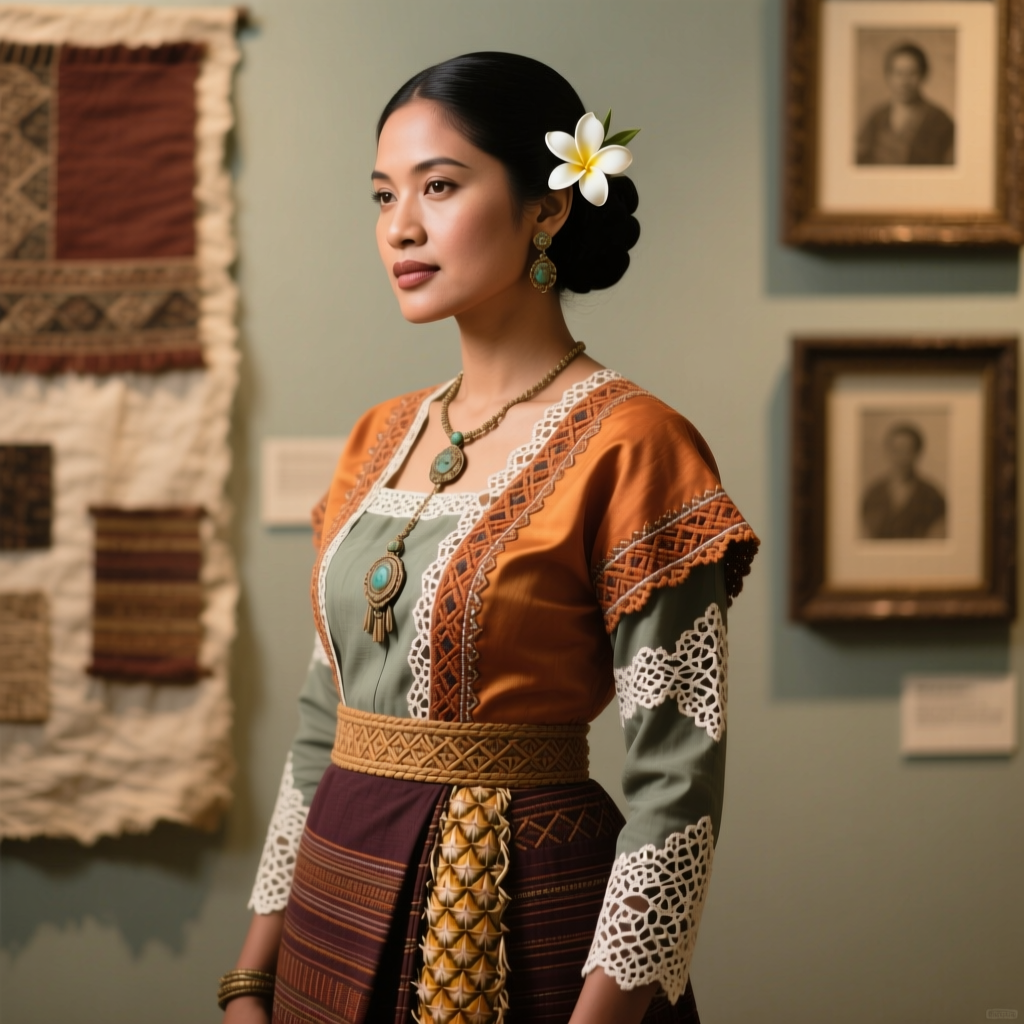
The Philippines is an archipelago of over 7,000 islands, each contributing to a vibrant tapestry of culture, history, and artistry. At the heart of this cultural expression is the traditional dress of the Philippines, a stunning visual language that speaks of indigenous roots, colonial influences, and modern resilience. Whether you are attending a formal gala, a traditional wedding, or simply wish to incorporate heritage pieces into your everyday wardrobe, understanding Filipiniana and the Barong Tagalog is essential.
In this comprehensive guide, we explore the intricate details of Philippine national attire, offering practical styling advice, accessory pairings, and insights into modern adaptations. For a deeper dive into the history of these garments, be sure to explore our archives on Philippine textiles and indigenous weaving traditions.
The Foundations of Filipiniana: Baro't Saya & Barong Tagalog
Before mastering the styling of traditional Filipino attire, one must understand its foundational elements. The term Filipiniana broadly encompasses the traditional clothing of the Philippines, but it most commonly refers to the women's Baro't Saya and the iconic Terno. For men, the undisputed national garment is the Barong Tagalog.
The Baro't Saya (literally translating to "blouse and skirt") originated during the Spanish colonial era. It traditionally consists of the baro (a sheer, bell-sleeved blouse), the saya (a wide, bell-shaped skirt), the panuelo (a folded cloth worn over the shoulders for modesty), and the tapis (a wrap-around skirt worn over the saya). Over time, the panuelo was dropped, and the sleeves evolved into the dramatic, architectural butterfly sleeves that define the modern Terno. To understand the structural genius of these sleeves, read our detailed Terno butterfly sleeves garment guide.
The Barong Tagalog is a masterclass in subtlety and elegance. Worn untucked over an undershirt (camisa de chino), this sheer, embroidered shirt is traditionally woven from piña (pineapple leaf fibers) or jusi (banana silk). The intricate hand-embroidery, known as calado and handog, showcases the unparalleled skill of local artisans. Our Barong Tagalog guide breaks down the different embroidery styles and fabric grades available today.
Styling Traditional Filipino Attire for Modern Occasions
Wearing the traditional dress of the Philippines is a statement of pride and elegance. However, styling these garments for contemporary events requires a balance between honoring tradition and embracing modern silhouettes.
Weddings & State Dinners
For the most formal occasions, a full-length Terno or a meticulously embroidered piña Barong Tagalog is mandatory. Women should opt for rich, jewel-toned fabrics or classic ivory and gold, ensuring the butterfly sleeves remain the focal point of the silhouette. Keep necklines modest to balance the voluminous sleeves. Men should pair their Barong with dark, tailored dress trousers and black leather oxfords. Never tuck a Barong Tagalog into your trousers; the untucked hem is a hallmark of its anti-colonial origins and relaxed elegance.
Cocktail Parties & Galas
For semi-formal events, the rules of formal ethnic wear allow for more creativity. Women can opt for a midi-length Terno or a modern two-piece Filipiniana separates set. A cropped butterfly-sleeve top paired with a high-waisted, flowing skirt offers ease of movement while retaining cultural authenticity. Men can choose a half-open Barong or a short-sleeved linen Barong, which provides a breezy, sophisticated look suitable for tropical climates or outdoor evening receptions.
Cultural Festivals & Daytime Events
Daytime styling calls for lighter fabrics like cotton, ramie, or blended jusi. Women might choose a modernized traje de mestiza with shorter, less rigid sleeves, paired with comfortable block heels. Men can embrace the Barong Polo, a contemporary fusion of the Barong's embroidery with a classic polo shirt silhouette, perfect for smart-casual daytime gatherings.
Essential Accessories to Elevate Your Filipiniana Look
Accessories play a pivotal role in completing the traditional dress of the Philippines. The goal is to complement the intricate textiles without overpowering them.
- South Sea Pearls: The Philippines is renowned for its golden and white South Sea pearls. A simple pearl necklace or drop earrings add a luminous, organic elegance that perfectly mirrors the natural fibers of piña and jusi fabrics.
- Capiz Shell Jewelry: Known as the "windowpane oyster," Capiz shells are often crafted into delicate earrings, bangles, and hairpins. Their translucent, pearlescent quality pairs beautifully with the sheer nature of the Barong and Terno.
- Woven Clutches & Bags: Instead of standard leather evening bags, opt for clutches made from woven rattan, buri, or abaca. These indigenous materials ground your outfit in Philippine craftsmanship and add a beautiful textural contrast to smooth silks and satins.
- Gold Filigree (Calado) Jewelry: Inspired by the embroidery techniques used on the garments themselves, traditional Philippine gold filigree jewelry features intricate, lace-like metalwork. A vintage-style filigree brooch can be used to pin a panuelo or secure a sash.
- Footwear: While traditional wooden bakya (clogs) are beautiful, they are rarely worn with formal Filipiniana today. Instead, women should opt for elegant strappy sandals or classic pumps in nude, gold, or a color that matches the skirt. Men should stick to polished leather loafers or oxfords.
Modern Adaptations: Blending Heritage with Contemporary Fashion
The beauty of the traditional dress of the Philippines lies in its ability to evolve. Today's designers are reimagining Filipiniana and the Barong Tagalog, making them accessible for everyday wear and global fashion stages.
The Terno in Streetwear & Office Wear: The iconic butterfly sleeves have been detached from the traditional gown and applied to modern separates. You can now find crisp cotton button-downs, sleek blazers, and even denim jackets featuring subtle, structured butterfly shoulders. These pieces allow professionals to incorporate national dress codes into corporate environments without feeling costumed.
The Barong as Casual Wear: The Barong Tagalog has seen a massive resurgence as a luxury casual garment. Designers are experimenting with asymmetrical hems, mandarin collars, and bold, non-traditional colors like navy, olive, and charcoal. Wearing a short-sleeved, dark linen Barong with tailored chinos and loafers is a masterclass in tropical smart-casual styling.
Inclusive Silhouettes: Modern Filipiniana is also breaking away from the restrictive corsets and heavy skirts of the past. Contemporary designers are creating jumpsuits, wrap dresses, and flowing maxi skirts that incorporate traditional embroidery and sleeve structures, offering comfort and inclusivity for all body types.
Buying Guide: Where to Source Authentic Filipino Garments
Investing in the traditional dress of the Philippines is an investment in artisanal craftsmanship. Whether you are buying off-the-rack or commissioning a bespoke piece, knowing where and how to shop is crucial.
Custom Tailoring vs. Ready-to-Wear
For a genuine Terno or a high-end piña Barong, custom tailoring is highly recommended. The structure of the butterfly sleeves requires precise measurements to ensure they stand upright without drooping or pulling at the shoulders. In Manila, districts like Quiapo and Marikina are home to master tailors and couturiers who specialize in Filipiniana. If you are outside the Philippines, many heritage brands offer virtual consultations and international shipping for bespoke orders.
Understanding Fabric Grades
When shopping, you will encounter various fabric options. Pure Piña is the most expensive, luxurious, and delicate, reserved for heirloom pieces and state-level formality. Piña-Jusi or Piña-Silk blends offer a beautiful sheen and more durability at a mid-range price point. Organza and polyester blends are budget-friendly alternatives often used for ready-to-wear pieces, pageants, or large group performances, though they lack the breathability of natural fibers.
Supporting Ethical & Indigenous Weavers
Beyond the colonial-era garments, the Philippines boasts a wealth of indigenous textiles, such as the Inabel of Ilocos, the T'nalak of the T'boli people, and the Yakan weaves of Basilan. When buying modern Filipiniana separates or accessories, seek out brands that partner directly with indigenous weaving cooperatives. This ensures fair wages for the weavers and helps preserve ancient indigenous weaving traditions that are at risk of fading.
Frequently Asked Questions
What is the difference between a Terno and a Baro't Saya?
The Baro't Saya is the historical, multi-piece ensemble consisting of a blouse, skirt, panuelo (shoulder cloth), and tapis (overskirt). The Terno is the modern, unified evolution of this outfit. The Terno combines the blouse and skirt into a single, seamless gown and is most famously characterized by its matching, architectural butterfly sleeves. While the Baro't Saya represents the historical roots, the Terno is the standard for modern formal Filipiniana.
Can non-Filipinos wear the Barong Tagalog or Filipiniana?
Yes, absolutely. The Filipino culture is renowned for its hospitality and warmth, and locals generally view the adoption of their traditional dress by foreigners as a sign of deep respect and appreciation. If you are attending a Filipino wedding, a state dinner in the Philippines, or a cultural gala, wearing a Barong Tagalog or a Filipiniana gown is not only acceptable but highly encouraged and considered a great compliment to the hosts.
How do I care for delicate piña and jusi fabrics?
Piña and jusi are incredibly delicate natural fibers. Never machine wash or wring these garments. Spot clean minor stains with a damp cloth and mild detergent, but for a full clean, always take the garment to a dry cleaner who specializes in delicate, embroidered, or heritage textiles. When storing, avoid wire hangers which can distort the fabric and sleeves; instead, use padded hangers and store the garment in a breathable cotton garment bag away from direct sunlight to prevent yellowing.
What footwear pairs best with traditional Philippine dress?
For women wearing a Terno or Baro't Saya, elegant closed-toe pumps or delicate strappy sandals in neutral tones (nude, gold, silver, or black) are the best choices. Avoid overly chunky shoes or casual wedges, as they clash with the formal, refined nature of the butterfly sleeves. For men wearing the Barong Tagalog, classic leather oxfords, derbies, or high-quality loafers in black or dark brown are the standard. Ensure your socks match your trousers, not your shoes.
Is it appropriate to wear a Barong Tagalog with a necktie?
No, you should never wear a necktie with a Barong Tagalog. The Barong is designed to be worn untucked, and its intricate embroidery, sheer fabric, and distinct collar (usually a mandarin or band collar) are meant to be the focal point of the neckline. Adding a necktie disrupts the visual balance of the garment and goes against traditional styling rules. If the event requires a more formal look, rely on the quality of the Barong's fabric and embroidery rather than adding Western formal accessories.


