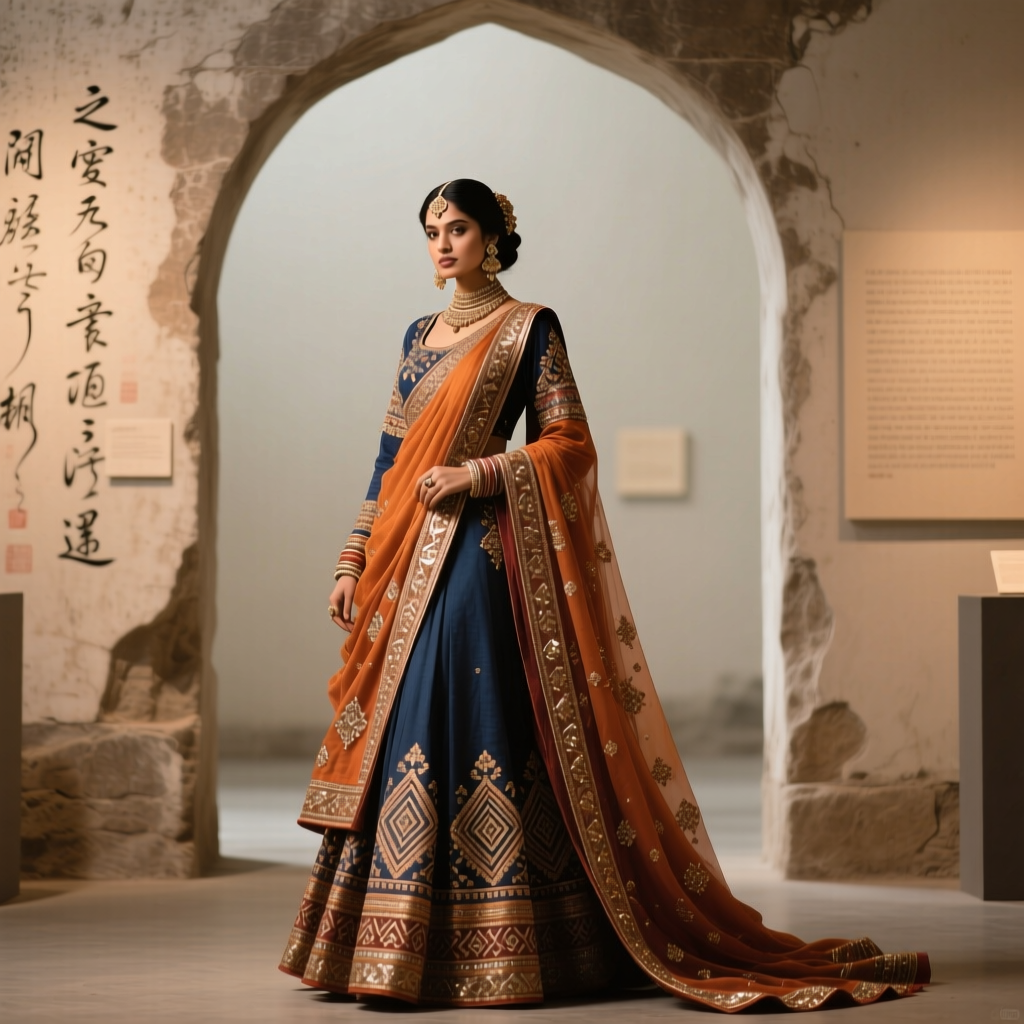
The Importance of Traditional Fashion Accessories: A Complete Styling Guide

There is a quiet power in the pieces our ancestors wore — the hand-hammered silver brooch pinned to a grandmother's shawl, the beaded necklace passed down through generations, the silk scarf woven with symbols that tell a story older than nations. Traditional fashion accessories are far more than decorative afterthoughts. They are cultural artifacts, expressions of identity, and some of the most versatile styling tools a modern wardrobe can hold.
In an era dominated by fast fashion and mass-produced uniformity, traditional accessories offer something radical: authenticity. They carry the weight of craftsmanship, the nuance of regional design, and the beauty of imperfection that only handmade objects possess. Whether you are drawn to the intricate metalwork of Berber jewelry, the vibrant textiles of West African headwraps, the delicate embroidery of Central Asian suzani, or the bold geometry of Native American turquoise pieces, these accessories have the power to transform not only an outfit but the way you carry yourself through the world.
This guide explores the profound importance of traditional fashion accessories — why they matter culturally, how they elevate personal style, and practical ways to integrate them into a contemporary wardrobe with respect and confidence. If you are new to exploring heritage fashion, our cultural heritage collection offers a wonderful starting point for understanding the stories behind these remarkable pieces.
Why Traditional Fashion Accessories Matter More Than Ever
The significance of traditional fashion accessories extends across cultural, aesthetic, and even ethical dimensions. Understanding these layers of importance is the first step toward styling them with the intentionality they deserve.
Cultural Preservation & Identity
Every traditional accessory is a vessel of cultural memory. The patterns woven into a Guatemalan faja (belt) encode cosmological beliefs. The silver filigree of Yemeni jewelry reflects centuries of trade routes and artisanal knowledge. The beadwork of Maasai collars communicates age, status, and community belonging. When you wear these pieces — or pieces inspired by these traditions — you participate in a living dialogue between past and present.
For diaspora communities, traditional accessories serve as powerful anchors of identity. A pair of jhumka earrings, a kente cloth pocket square, or a Celtic knot brooch can be an act of cultural reclamation, a way of carrying home wherever you go. This is perhaps the most profound importance of traditional fashion accessories: they keep heritage visible and alive in everyday life.
Sustainability & Conscious Consumption
Traditional accessories are inherently sustainable. They are typically crafted from natural, locally sourced materials using techniques that have been refined over centuries. Unlike disposable costume jewelry that tarnishes and breaks within months, well-made traditional pieces are designed to last lifetimes — and they often improve with age, developing a rich patina that tells the story of years of wear.
Choosing traditional accessories over mass-produced alternatives supports artisan communities, preserves endangered craft techniques, and reduces the environmental impact of your wardrobe. Explore our guide to sustainable fabrics to understand how material choices intersect with accessory craftsmanship.
Unmatched Versatility in Modern Styling
From a pure styling perspective, traditional accessories offer something that contemporary minimalist pieces often cannot: visual depth and narrative richness. A single hand-embroidered scarf can elevate a plain linen dress from simple to striking. A pair of artisan-crafted leather sandals can anchor an entire summer wardrobe. These pieces serve as focal points, conversation starters, and expressions of personal taste that no algorithm-driven trend could replicate.
Styling Traditional Accessories for Everyday Wear
The key to wearing traditional accessories in daily life lies in balance and intention. The goal is never costume — it is integration. Here are practical strategies for making heritage pieces feel natural and effortless in a modern wardrobe.
The One-Statement-Piece Rule
When incorporating a bold traditional accessory — a heavily beaded necklace, an ornate headpiece, or a richly patterned shawl — let it be the star. Build the rest of your outfit around neutral foundations: solid-colored garments with clean lines provide the perfect canvas for a single heritage piece to shine. A simple white shirt and tailored trousers become a canvas for a stunning Turkmenistan gul-patterned bag or a pair of Rajasthani mirror-work juttis.
Layering with Intention
Mixing traditional accessories with contemporary pieces creates a look that feels curated rather than costumey. Try these combinations:
- A delicate gold filigree pendant layered with modern chain necklaces of varying lengths
- A traditional silk obi belt worn over a structured blazer to cinch the waist
- Hand-tooled leather bracelets stacked alongside a minimalist watch
- A vintage embroidered clutch paired with a sleek evening dress
- Traditional woven sandals styled with cropped wide-leg trousers
The tension between old-world craftsmanship and modern silhouettes creates visual interest that feels fresh and deeply personal. For more on building versatile wardrobes, our capsule wardrobe essentials guide explores how foundational pieces interact with statement accessories.
Color & Texture Coordination
Traditional accessories often feature rich, saturated colors and complex textures that can guide your entire outfit palette. Pull a single accent color from an embroidered bag or a beaded bracelet and echo it in another element of your look — perhaps in your lip color, your shoes, or a subtle print in your top. This creates cohesion without being overly matchy.
Texture is equally important. The nubby surface of hand-woven textiles, the cool smoothness of hammered metal, the soft warmth of tooled leather — these tactile qualities add dimension that flat, machine-made accessories simply cannot provide.
Traditional Accessories for Special Occasions
Special occasions are where traditional accessories truly come alive. Weddings, cultural celebrations, formal gatherings, and milestone events call for pieces that carry meaning and gravitas.
Weddings & Celebrations
Traditional bridal accessories are among the most exquisite objects in any culture's material heritage. From the elaborate maang tikka of Indian brides to the silver coin headdresses of Central Asian traditions, from the intricate lace mantillas of Spanish weddings to the beaded crowns of Yoruba ceremonies — these pieces transform the wearer and mark the occasion as sacred.
Even as a guest, incorporating traditional accessories into celebration attire shows cultural awareness and adds richness to the visual tapestry of the event. A silk pocket square in a heritage pattern, a pair of handcrafted drop earrings, or a woven belt can signal respect for the occasion's cultural context.
Formal & Professional Settings
Traditional accessories can convey authority and sophistication in professional environments when chosen thoughtfully. Consider these approaches:
- A single piece of heritage jewelry — such as a carved jade ring or a modest pair of pearl and gold jhumkas — worn with a tailored suit
- A high-quality leather briefcase or portfolio featuring traditional craftsmanship techniques
- A silk scarf with a subtle traditional motif tied at the neck or tucked into a blazer pocket
- Handcrafted cufflinks featuring traditional metalwork or enamel techniques
The key in professional settings is subtlety. Choose pieces that reward close inspection rather than commanding attention from across the room. Our formal wear essentials guide provides more context on dressing for professional environments with cultural flair.
Cultural Festivals & Community Events
Community celebrations are the natural habitat of traditional accessories. These are occasions for maximalist expression — layer multiple pieces, embrace bold colors, and wear items that carry deep personal or familial significance. A Diwali celebration, a Lunar New Year gathering, a Juneteenth festival, or a Highland games event each invite different accessory traditions, and participating fully is a form of cultural joy.
Modern Adaptations: Honoring Tradition While Staying Current
The most exciting developments in traditional accessory styling happen at the intersection of heritage and innovation. Designers and artisans around the world are finding ways to honor traditional techniques while creating pieces that feel unmistakably contemporary.
Contemporary Designers Reimagining Heritage
A growing movement of designers is reinterpreting traditional accessory forms for modern audiences. This might mean applying ancestral weaving techniques to contemporary silhouettes, using traditional beadwork patterns on modern bag shapes, or casting heritage motifs in sleek, minimalist metalwork. The result is accessories that feel both timeless and timely — pieces that honor their origins while fitting seamlessly into a 21st-century wardrobe.
When shopping for these modern adaptations, look for designers who maintain transparent relationships with artisan communities and who credit the cultural sources of their inspiration. Ethical collaboration, not extraction, is the standard.
DIY & Personalized Traditional Accessories
Many traditional accessory techniques are accessible to learn, and creating your own pieces is a deeply rewarding way to connect with heritage crafts. Consider exploring:
- Basic beadwork techniques inspired by indigenous traditions
- Simple embroidery stitches that appear across multiple cultural textile traditions
- Wire-wrapping techniques for creating pendants with culturally significant stones
- Macramé and knotting techniques used in everything from Chinese decorative arts to nautical traditions
Always approach learning these techniques with respect for their origins. Seek out teachers from within the culture, credit your sources, and understand the difference between learning and appropriation.
Mixing Cultural Traditions Thoughtfully
In our interconnected world, it is natural to be drawn to accessories from cultures beyond your own. The line between appreciation and appropriation is navigated through three principles: understanding, respect, and support. Learn the story behind a piece before wearing it. Understand its cultural significance. Purchase from artisans and ethical retailers rather than mass-market knockoff producers. When in doubt, our traditional textiles guide offers context on the origins and meanings of heritage patterns and techniques.
Buying Guide: How to Choose & Care for Traditional Accessories
Investing in traditional fashion accessories requires knowledge and discernment. Here is what you need to know to build a collection of pieces that will last for decades.
Authenticity & Sourcing
The most important factor in purchasing traditional accessories is provenance. Seek out:
- Direct-from-artisan purchases: Buying directly from craftspeople at markets, cooperatives, or online platforms ensures fair compensation and authentic craftsmanship
- Certified fair-trade retailers: Look for certifications and transparent supply chains that guarantee artisans are paid fairly
- Reputable vintage dealers: Antique and vintage traditional accessories carry history and patina that new pieces cannot replicate
- Ethical contemporary brands: Some modern brands collaborate transparently with artisan communities — research their practices before purchasing
Be wary of mass-produced imitations sold at suspiciously low prices. If a hand-embroidered bag is priced at twenty dollars, someone in the supply chain is not being fairly compensated.
Quality Indicators
Evaluating the quality of traditional accessories requires attention to specific details:
- Stitching & construction: Hand-stitched pieces should show consistent, tight stitches. Slight irregularities are normal and desirable — they indicate genuine handwork
- Material quality: Natural fibers, genuine stones, and real metals are hallmarks of authentic traditional accessories. Ask about materials before purchasing
- Finishing details: Examine clasps, closures, edges, and backs. Quality traditional pieces are finished as beautifully on the inside as on the outside
- Weight & feel: Authentic handcrafted accessories typically have a substantial, satisfying weight and tactile quality
For more on evaluating garment and accessory quality, visit our guide to quality construction signs.
Care & Maintenance
Traditional accessories require care routines that respect their materials and construction:
- Textile accessories (scarves, shawls, belts): Store flat or rolled rather than hung. Clean according to fiber content — many traditional textiles require gentle hand washing or dry cleaning
- Metal jewelry: Polish gently with appropriate cloths. Store individually to prevent scratching. Keep away from moisture and chemicals
- Beaded pieces: Check stringing regularly for wear. Store flat to prevent stress on threads. Keep away from direct sunlight to prevent fading
- Leather accessories: Condition regularly with appropriate leather balms. Store in breathable bags away from heat sources
Proper care ensures these pieces can be passed down to future generations, continuing their cultural journey.
Frequently Asked Questions
How do I wear traditional accessories without appropriating another culture?
Cultural appreciation becomes appropriation when context, credit, and compensation are absent. To wear traditional accessories respectfully, educate yourself about their cultural significance, purchase from artisans or ethical sources within that culture, and avoid wearing items that hold sacred or ceremonial meaning if you are not part of that community. When someone asks about your piece, be prepared to share its story and origin. The goal is to honor the culture, not to treat it as a costume.
Can I mix traditional accessories from different cultures in one outfit?
Yes, and this is where personal style truly flourishes. A Turkish evil eye pendant can sit comfortably alongside a West African beaded bracelet and a Scandinavian silver ring. The key is intentionality — each piece should be chosen because you understand and appreciate its origin, not simply because it matches your outfit. Think of your accessory collection as a curated gallery of global craftsmanship that reflects your personal journey and interests.
Are traditional fashion accessories appropriate for the workplace?
Absolutely. Many traditional accessories are perfectly suited for professional environments when styled with care. Subtle pieces like a hand-carved ring, a silk scarf with a heritage pattern, or understated earrings can add personality to work attire without being distracting. The growing movement toward inclusive professional dress codes recognizes that cultural accessories are not unprofessional — they are expressions of identity that enrich workplace diversity. Choose pieces that complement rather than overwhelm your professional silhouette.
How do I start building a collection of traditional accessories on a budget?
Begin with one or two versatile pieces that you truly love and will wear frequently. A beautifully embroidered scarf, a pair of handcrafted earrings, or a quality leather belt can each serve dozens of outfits. Prioritize versatility and craftsmanship over quantity. Visit local artisan markets, explore fair-trade online platforms, and consider vintage sources where you can often find exceptional pieces at lower prices. Building a meaningful collection is a lifelong journey — there is no rush to acquire everything at once.
What is the best way to store and preserve vintage traditional accessories?
Preservation begins with proper storage. Keep textile accessories in acid-free tissue paper inside breathable cotton bags. Store metal pieces individually in soft pouches to prevent scratching and tarnishing. Maintain a cool, dry environment away from direct sunlight. For particularly valuable or fragile vintage pieces, consult a textile conservator for specific care recommendations. Document the provenance of each piece — its origin, age, artisan, and story — so that this information travels with the accessory through future generations. Good documentation adds both sentimental and monetary value to your collection over time.