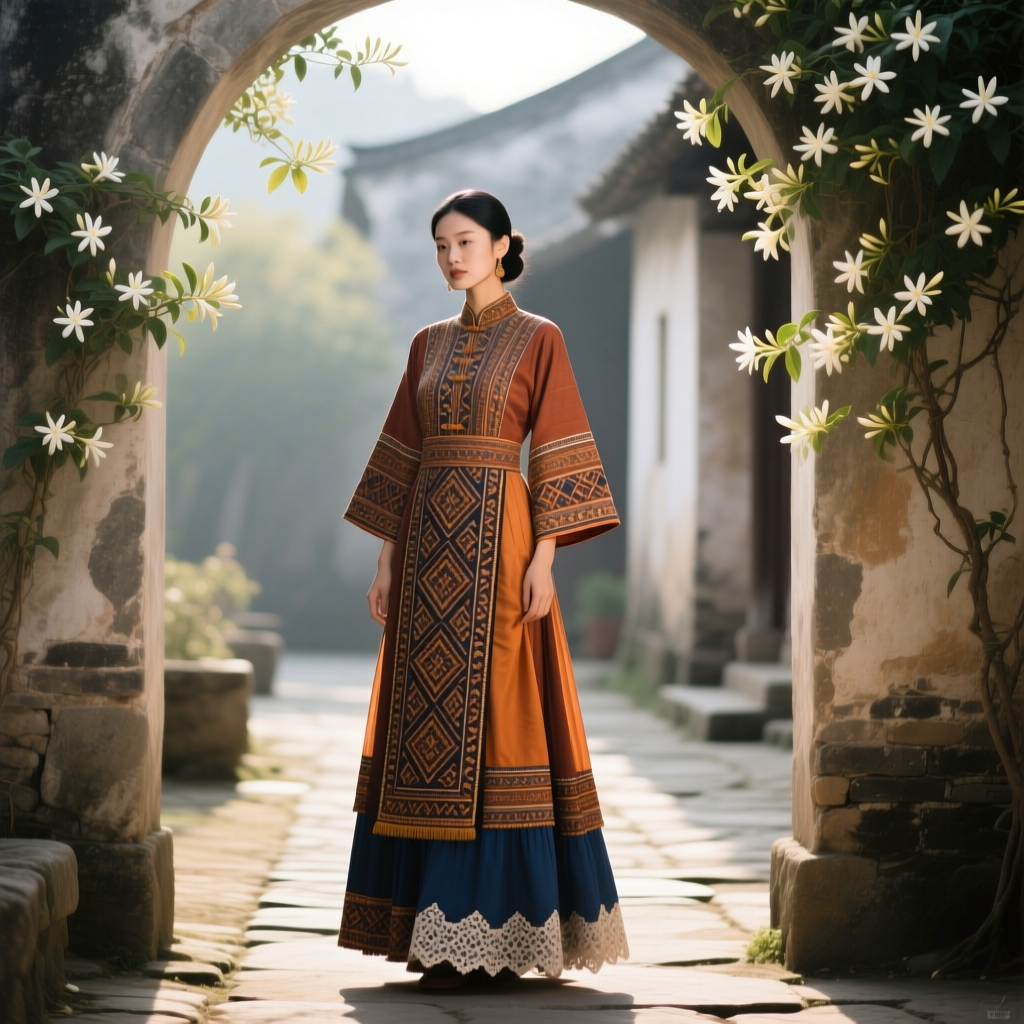
Traditional Occasion Wear Guide
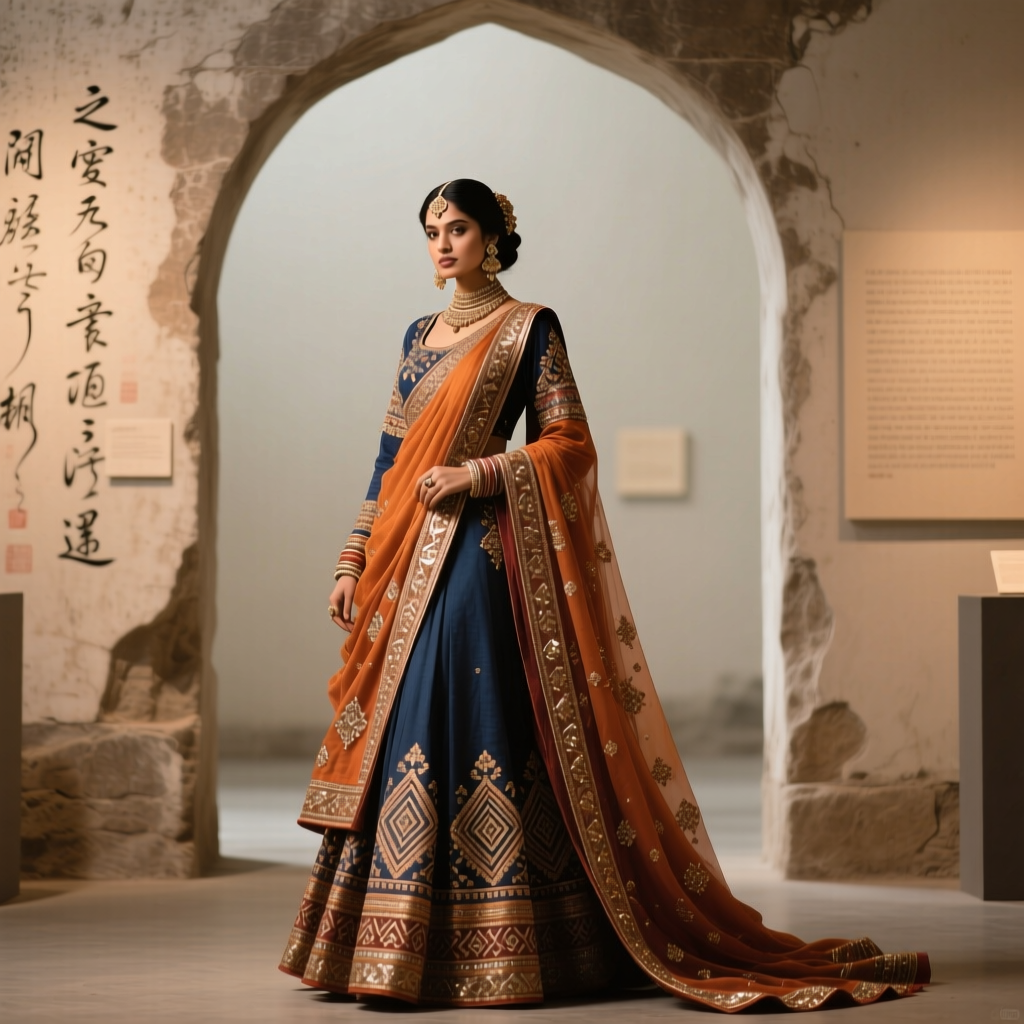
There is a particular kind of magic that comes with wearing traditional occasion wear. Whether you are attending a wedding, a religious ceremony, a cultural festival, or a milestone family gathering, the garments rooted in heritage carry weight far beyond their threads. They tell stories of craftsmanship passed through generations, of communities shaped by shared aesthetics, and of personal identity expressed through color, texture, and silhouette.
Yet for many people, navigating the world of traditional occasion wear can feel overwhelming. The sheer variety of garments, the unspoken rules about what to wear where, the question of how to honor tradition while feeling like yourself — these are real challenges that deserve thoughtful guidance.
This guide is designed to help you approach traditional occasion wear with confidence and creativity. We will walk through styling principles, accessory pairings, occasion-specific advice, and modern adaptations that bridge the gap between heritage and contemporary life. Whether you are reaching into your family's wardrobe or shopping for your very first piece, you will find practical direction here.
For a broader look at how garments shape cultural identity, explore our cultural heritage collection, where we trace the origins and evolution of clothing traditions from around the world.
Understanding Traditional Occasion Wear: Silhouettes, Fabrics & Foundations
Before you begin styling, it helps to understand what makes traditional occasion wear distinct from everyday clothing. At its core, occasion wear is defined by three pillars: elevated fabrics, intricate detailing, and silhouettes that carry cultural significance.
The Role of Fabric
Traditional occasion garments almost always feature fabrics that signal celebration. Silk in its many forms — from raw silk and dupioni to charmeuse and brocade — is a near-universal choice across cultures. Velvet appears frequently in colder climates and winter celebrations, while fine cottons such as muslin, jamdani, and handwoven textiles serve warmer-weather ceremonies.
The weight and drape of your fabric will influence everything about how a garment looks and feels. A heavy banarasi silk will hold structured pleats beautifully, while a lightweight chiffon or georgette will create fluid, movement-friendly silhouettes. Understanding this relationship between fabric and form is the first step toward intentional styling.
Learn more about how different textiles are produced and valued in our fabric types guide.
Detailing & Embellishment
Embroidery, beadwork, zari (metallic thread weaving), appliqué, and hand-painted motifs are hallmarks of traditional occasion wear. These details are not merely decorative — they often encode regional identity, artisan lineage, and even symbolic meaning. A paisley motif may represent fertility, while geometric patterns might reflect architectural heritage.
When choosing a garment, consider the scale of embellishment relative to your frame and the formality of the event. Heavily embroidered pieces command attention and are ideal for primary events like wedding ceremonies, while lighter embellishment works beautifully for pre-wedding functions, receptions, and festive gatherings.
Silhouette as Cultural Language
Every traditional garment carries a silhouette that has evolved over centuries. The flowing lines of a kaftan, the structured drape of a sari, the tailored precision of a sherwani, the voluminous grace of a lehenga or a hanbok — each shape communicates something about the culture that produced it. Respecting these silhouettes while finding your personal expression within them is the art of styling traditional occasion wear.
Styling Traditional Occasion Wear for Every Celebration
Different occasions call for different approaches to traditional dressing. Here is how to calibrate your choices across the most common celebratory contexts.
Weddings & Wedding-Related Events
Weddings are where traditional occasion wear truly shines. If you are part of the wedding party or a close family member, richer fabrics and heavier embellishment are appropriate. Think silk lehengas, embroidered sherwanis, or heavily draped saris in jewel tones and metallics.
As a guest, you have more flexibility. Opt for mid-weight fabrics with moderate detailing. The key is to look celebratory without overshadowing the principal figures. Color selection matters enormously here — in many South Asian traditions, red is reserved for the bride, while in East Asian cultures, red is considered auspicious and widely encouraged. Always research the specific cultural context of the wedding you are attending.
For pre-wedding events such as engagement ceremonies, mehndi nights, or rehearsal dinners, you can lean into lighter fabrics, playful colors, and contemporary cuts that incorporate traditional textiles. A cropped blouse paired with a high-waisted skirt in handloom fabric, for instance, strikes the perfect balance.
Religious Ceremonies & Temple Visits
Religious occasions typically call for modesty and understated elegance. Choose garments that cover shoulders and knees at minimum. Cotton and silk blends in softer hues — ivory, sage, dusty rose, muted gold — are ideal. Avoid overly flashy embellishment; instead, let the quality of the fabric and the precision of the tailoring speak for themselves.
For many traditions, specific colors carry significance. White is associated with mourning in some East Asian cultures but with purity in others. Yellow holds sacred significance in Hindu ceremonies. When in doubt, consult with family members or community elders — this is not only practical but also a meaningful way to deepen your connection to the tradition.
Festivals & Cultural Celebrations
Festivals are the most joyful context for traditional occasion wear, and they invite experimentation. This is the setting where bold color combinations, mixed textiles, and creative accessorizing feel most at home. A block-printed kurta layered over wide-leg trousers, a silk dupatta styled as a cape, or a vintage embroidered jacket worn over a simple dress — festivals reward individuality.
Consider the practicalities of the event, too. Outdoor festivals call for breathable fabrics and comfortable footwear, while indoor galas allow for more elaborate draping and delicate accessories.
Milestone Gatherings & Formal Dinners
Anniversary celebrations, significant birthday parties, and formal cultural dinners occupy a middle ground. Here, refined simplicity often makes the strongest impression. A well-tailored garment in a single rich fabric — think a silk cheongsam, a structured bandhgala jacket, or an elegantly draped gown incorporating traditional textile — will serve you beautifully.
Our garment guides offer detailed breakdowns of specific traditional garments and how to wear them with confidence.
Accessorizing Traditional Occasion Wear
Accessories are where a traditional outfit becomes truly personal. The right choices elevate your look; the wrong ones can overwhelm it. Here is a framework for getting it right.
Jewelry: Heritage & Statement Pieces
Traditional jewelry is perhaps the most powerful accessorizing tool in your arsenal. Kundan, polki, and meenakari pieces pair magnificently with South Asian occasion wear. Jade pendants, gold hairpins, and filigree earrings complement East Asian garments. Berber silver, coral beads, and amber bring North African and Middle Eastern traditions to life.
The general rule is balance: if your garment is heavily embellished, choose fewer but more impactful jewelry pieces. If your garment is simpler, you can layer necklaces, stack bangles, and add statement earrings. Pay attention to the metal tones in your garment's embroidery and match your jewelry accordingly — mixing gold and silver can work, but it requires intentionality.
Footwear: Grounding Your Look
Traditional occasion wear deserves footwear that honors the overall aesthetic. Embroidered juttis and mojaris are timeless choices for South Asian garments. Silk or brocade heels complement East Asian formal wear. Leather sandals with tooling or metallic details work across many traditions.
Comfort is non-negotiable. Occasion events often involve extended periods of standing, walking, and dancing. If you love a pair of traditional heels, make sure you can wear them for several hours. Break them in beforehand, and consider carrying a pair of elegant flats as a backup.
Clutches, Bags & Small Accessories
A beaded potli bag, an embroidered clutch, or a small metallic purse can tie your entire look together. Choose a bag that is large enough to hold essentials — phone, lipstick, keys — but small enough to feel proportional to your outfit. Oversized handbags tend to clash with the refined proportions of traditional occasion wear.
Do not overlook smaller accessories: a decorative hairpin, a silk scarf tied at the wrist, an embroidered belt, or a pocket square in a heritage textile can add layers of visual interest without competing with your main garment.
Modern Adaptations: Bridging Tradition & Contemporary Style
One of the most exciting developments in traditional occasion wear is the growing movement toward modern adaptations — garments that honor heritage techniques and silhouettes while embracing contemporary tailoring, styling, and wearability.
Indo-Western & Fusion Silhouettes
Fusion wear has moved from niche to mainstream, and for good reason. A structured blazer crafted from handloom silk, a pre-draped sari gown, a sherwani-inspired coat worn over tailored trousers, or a corset-style blouse paired with a traditional skirt — these combinations allow you to express cultural identity within a contemporary framework.
The key to successful fusion styling is restraint. Choose one traditional element and one modern element and let them converse. A fully embroidered lehenga skirt paired with a simple silk camisole, for example, creates a striking look that feels fresh without losing its roots.
Sustainable & Artisan-Forward Choices
Modern consumers are increasingly drawn to traditional occasion wear that supports artisan communities and sustainable practices. Handwoven textiles, natural dyes, and small-batch production are not only environmentally responsible — they also produce garments of extraordinary quality and uniqueness.
Seek out designers and cooperatives that work directly with artisan weavers, embroiderers, and dyers. These garments often come with stories — the name of the weaver, the village of origin, the technique used — that add profound personal value to the wearing experience. Explore our artisan textiles page to learn more about heritage craftsmanship.
Renting & Re-Wearing: A Conscious Approach
Occasion wear is often worn only once or twice, which has fueled a growing rental market. Renting a high-quality traditional garment for a specific event is both economical and sustainable. It allows you to wear pieces that might otherwise be outside your budget while reducing the environmental impact of single-use fashion.
If you prefer to own, commit to re-wearing your pieces. A well-chosen silk garment can be styled in dozens of ways across different events. Swap accessories, change your hairstyle, layer differently — and watch the same garment feel new each time.
Buying Guide: How to Choose & Care for Traditional Occasion Wear
Investing in traditional occasion wear requires knowledge and patience. Here is what you need to know before you buy.
Assessing Quality
Examine the fabric first. Genuine silk has a distinctive luster and warmth; synthetic alternatives often look shiny in a flat, plastine way. Check the weave density — hold the fabric up to light and look for uniformity. For embroidered garments, inspect the reverse side: quality handwork will look nearly as neat on the back as on the front.
Pull gently at the seams to check for strength. Examine zippers, hooks, and closures for smooth operation. If the garment has lining, ensure it is made from a breathable fabric like cotton or viscose rather than polyester, which can trap heat during long events.
Finding the Right Fit
Traditional garments often have different sizing conventions than Western clothing. Always refer to the specific size chart provided by the maker or retailer, and when possible, get measured professionally. Many traditional garments are designed to be tailored after purchase — a sari blouse, a sherwani, or a cheongsam will almost always benefit from custom fitting.
Budget for alterations when you purchase. A well-fitted garment in a modest fabric will always look more impressive than an ill-fitting garment in a luxurious one.
Price Ranges & What to Expect
Traditional occasion wear spans a wide price spectrum. Machine-embroidered pieces in synthetic fabrics can be found at accessible price points, while handwoven, hand-embroidered garments in natural silk represent significant investments. Mid-range options — handloom fabrics with selective hand embellishment — often offer the best balance of quality, authenticity, and value.
Remember that price is not always an indicator of quality. Research the techniques and materials involved, read reviews, and buy from reputable sources. Our guide to buying traditional garments offers additional tips for evaluating pieces both new and vintage.
Care & Preservation
Proper care will extend the life of your traditional occasion wear significantly. Most silk and embellished garments should be dry cleaned only. Store them in breathable cotton garment bags — never plastic, which traps moisture and encourages mildew. Fold heavily embroidered pieces with acid-free tissue paper to prevent the embellishments from catching and pulling.
Air your garments after wearing them before returning them to storage. Address stains immediately, and avoid applying perfume or hairspray directly onto delicate fabrics. With proper care, a quality traditional garment can last for decades and even be passed down as an heirloom.
Frequently Asked Questions
How do I choose the right color for a traditional occasion?
Color selection depends on three factors: the cultural context of the event, the season, and your personal coloring. Research any color traditions or restrictions associated with the specific ceremony — for example, avoiding red at a South Asian wedding if you are not the bride. Beyond cultural considerations, choose colors that complement your skin tone and make you feel confident. Jewel tones like emerald, ruby, and sapphire are universally flattering for evening events, while pastels and earth tones work beautifully for daytime celebrations. When in doubt, gold, ivory, and deep navy are elegant choices that suit nearly every occasion.
Can I mix traditional garments from different cultures?
This is a nuanced question that deserves a thoughtful answer. Wearing garments from a culture that is not your own requires sensitivity, understanding, and respect. There is a meaningful difference between cultural appreciation — which involves learning about traditions, supporting artisan communities, and wearing garments in appropriate contexts — and cultural appropriation, which strips garments of their significance. If you are attending an event within a culture not your own and have been invited to wear traditional clothing, this is generally a sign of welcome and inclusion. When styling pieces from your own heritage alongside elements from another tradition, focus on respectful combinations and always credit the origins of what you wear.
What should I wear if I do not own any traditional occasion wear?
You have several excellent options. First, consider renting from a specialty service — many now offer curated selections of traditional garments for occasions. Second, invest in one versatile foundational piece, such as a silk kurta, a wrap skirt in a heritage textile, or an embroidered jacket, that can be styled with garments you already own. Third, borrow from family members or friends — this is a common and cherished practice in many cultures. Finally, a well-chosen Western formal outfit in a rich fabric and appropriate color is always acceptable if traditional wear is genuinely unavailable. The most important thing is that you show up with respect and presence.
How do I style traditional occasion wear for a contemporary or mixed-culture event?
For events where traditional and contemporary dress codes blend, lean into fusion styling. Pair a traditional embroidered top with tailored trousers or a sleek midi skirt. Drape a heritage dupatta or scarf over a modern dress. Wear a structured traditional jacket as a statement layer over a simple jumpsuit. The goal is to let one traditional element be the focal point while the rest of your outfit provides a clean, modern frame. Keep accessories minimal and let the craftsmanship of the traditional piece speak for itself. This approach works beautifully for cocktail parties, gallery openings, and multicultural celebrations.
How far in advance should I shop for traditional occasion wear?
Ideally, begin your search at least six to eight weeks before the event. This gives you time to research options, try on garments, and arrange any necessary alterations. Handmade or custom pieces may require even longer lead times — some artisan-made garments take several weeks to produce. If you are ordering from overseas, factor in shipping and potential customs delays. Starting early also gives you the flexibility to exchange or return a garment that does not work and to thoughtfully plan your accessories and overall look. For last-minute situations, focus on versatile pieces that require minimal tailoring, such as wrap-style garments, stoles, and pre-stitched options.
Traditional occasion wear is more than clothing — it is a living connection to heritage, craftsmanship, and the celebrations that define our lives. Whether you are draping a sari for the first time, buttoning a hand-embroidered sherwani, or styling a fusion look that bridges two worlds, the most important element you bring to any garment is your own story. Dress with intention, honor the hands that made your clothes, and step into every celebration with confidence.
Continue exploring the world of meaningful dressing through our style guides and discover how garments shape the way we experience the world.