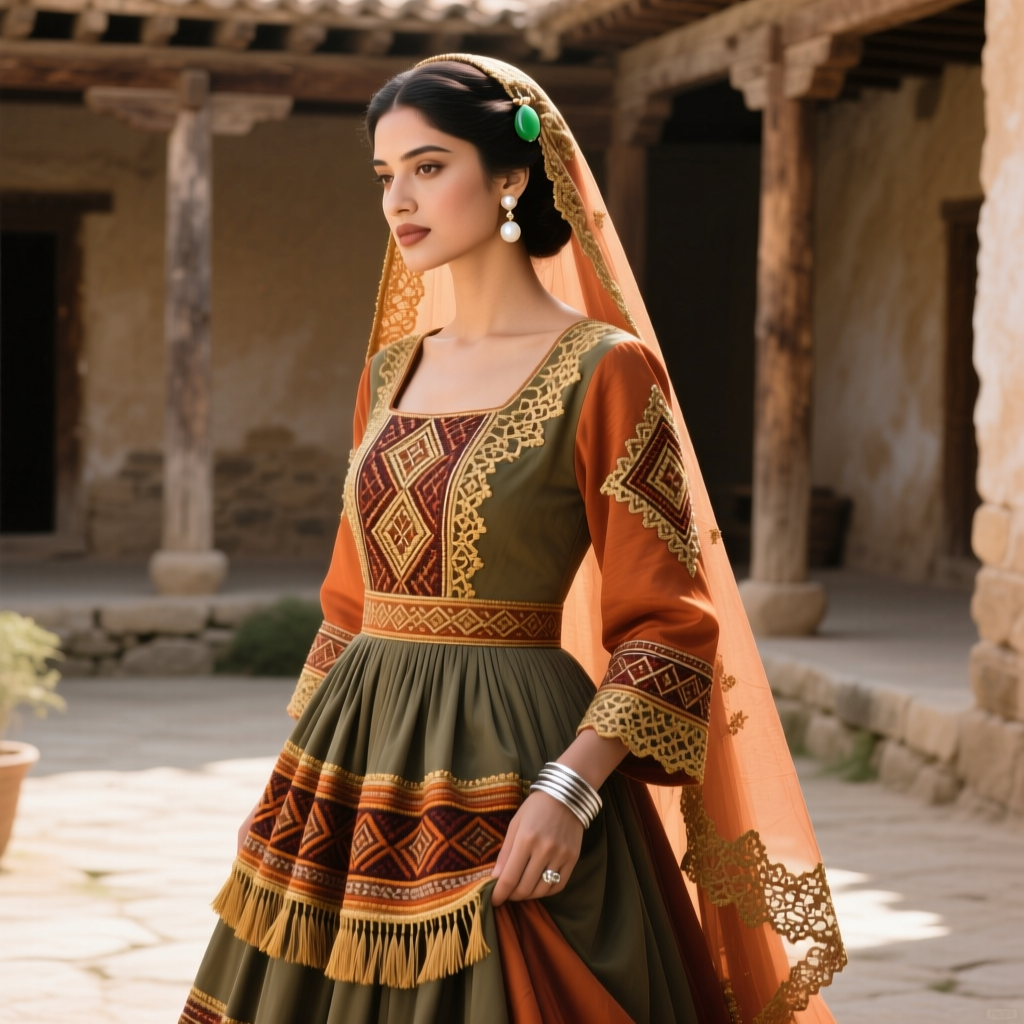
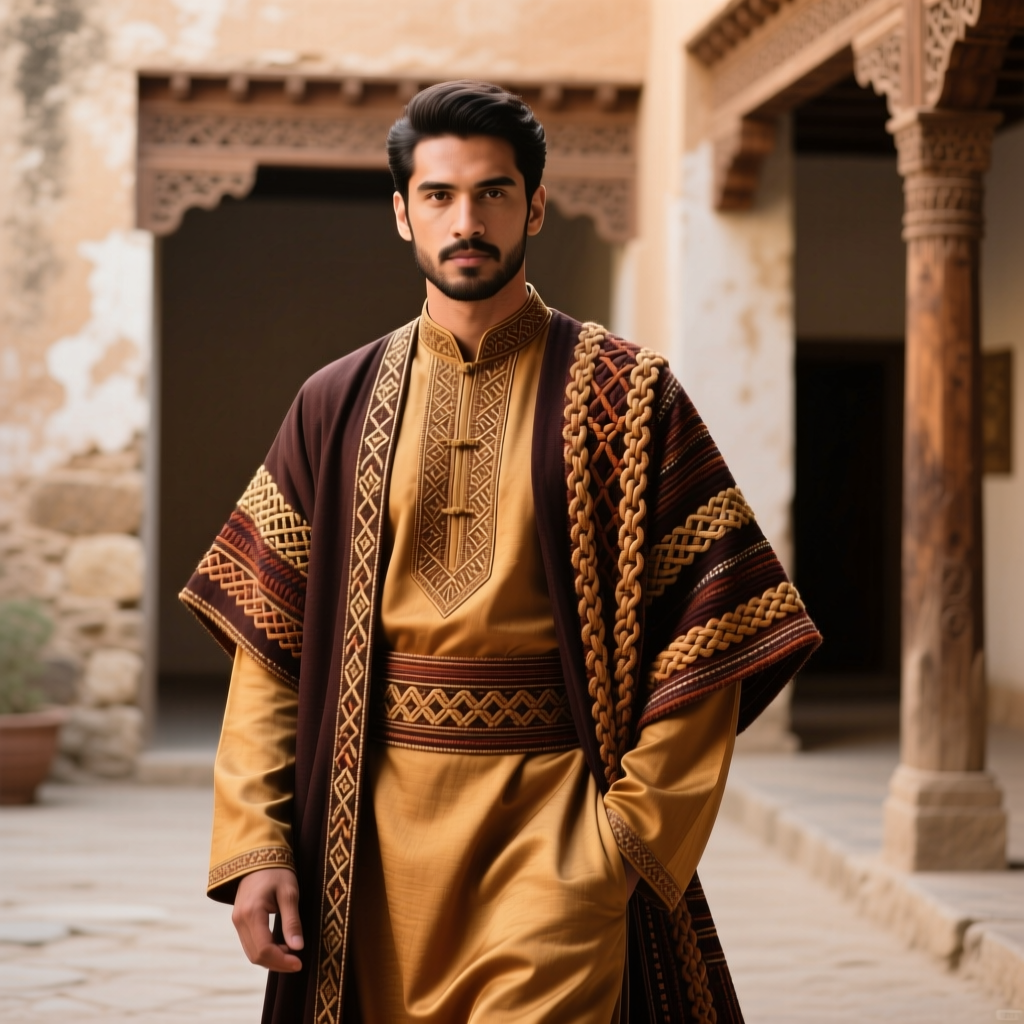
Discovering and Styling Traditional Dresses Near You
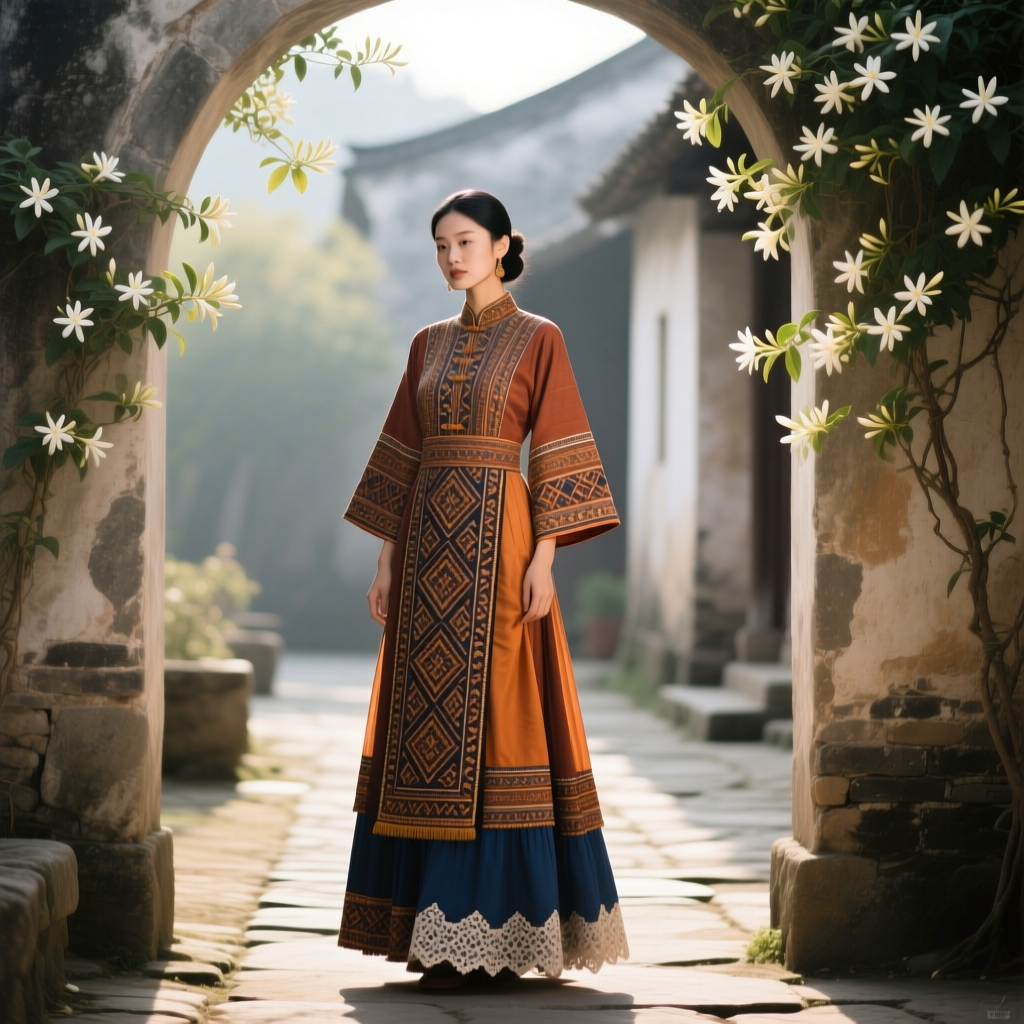
When you search for traditional dresses near me, you are embarking on a journey that goes far beyond a simple local shopping trip. Finding cultural and heritage garments in your own city is an opportunity to connect with global histories, support local artisan communities, and embrace a deeply personal form of sartorial expression. Whether you are looking for a meticulously embroidered lehenga, a flowing silk hanbok, a vibrant West African dashiki, or a structured European dirndl, the world’s rich textile heritage is often hiding in plain sight within your local cultural enclaves.
However, sourcing, styling, and wearing traditional attire requires a nuanced understanding of fabric, fit, and cultural context. This comprehensive guide will help you navigate your local area to find authentic cultural garments, style them for both heritage celebrations and contemporary events, and care for them so they last a lifetime. Let us explore how to bring the global tapestry of fashion right to your doorstep.
The Cultural Significance of Local Garments
Traditional clothing is a visual language. Every stitch, motif, and dye technique tells a story of geography, climate, social status, and historical evolution. When you seek out traditional dresses in your local area, you are often interacting with diaspora communities that have preserved their ancestral craftsmanship far from their homelands. Understanding the cultural significance of these garments elevates the experience of wearing them.
For instance, the intricate patterns found in South Asian textiles often carry symbolic meanings related to prosperity and nature, while the geometric weaves of Indigenous American garments map out cosmological beliefs and regional identities. By exploring our global textile heritage archives, you can begin to decode the symbols and techniques that make these garments so special. Wearing these pieces locally is a beautiful way to honor the artisans who keep these ancient techniques alive, bridging the gap between historical traditions and modern multicultural societies.
How to Find Authentic Traditional Dresses Near You
Finding authentic traditional dresses near you requires looking past mainstream retail and diving into the heart of local cultural hubs. Here are the most effective ways to source genuine heritage garments in your city:
- Explore Cultural Enclaves: Most major cities have neighborhoods dedicated to specific cultural diasporas. Districts like Little India, Chinatown, or local Middle Eastern and Latin American markets are treasure troves for authentic clothing boutiques. These shops often import directly from artisans or employ local tailors who specialize in traditional cuts.
- Connect with Community Centers: Cultural and religious community centers frequently host bazaars, festivals, and pop-up markets. These events are excellent places to find handmade traditional dresses while directly supporting community artisans and immigrant entrepreneurs.
- Seek Out Specialized Tailors: Sometimes, the best way to get a traditional dress is to have one made. Search for local tailors who specialize in specific cultural garments, such as bespoke saree blouse makers or traditional African print seamstresses. A custom-made piece ensures a perfect fit and allows you to select your own heritage fabrics.
- Visit University Cultural Associations: University campuses are incredibly diverse. Student-led cultural associations often host annual fashion shows or heritage nights. Networking with these groups can lead you to the best local vendors, rental services, and second-hand markets for traditional attire.
Styling Traditional Garments for Modern Occasions
One of the most common challenges when wearing cultural attire is adapting it for various occasions without losing its inherent elegance. Traditional dresses are incredibly versatile when styled with intention. For formal galas, weddings, or diplomatic events, leaning into the full traditional silhouette commands respect and showcases the garment’s grandeur. Pair a heavily embroidered floor-length gown with traditional updos and heritage jewelry to create a breathtaking, regal look.
For semi-formal events or cultural festivals, you can slightly relax the styling. If you are wearing a multi-piece garment, such as a South Asian salwar kameez or a Southeast Asian sarong and kebaya, consider swapping the traditional dupatta (scarf) for a structured, modern shawl or leaving it draped in a contemporary, minimalist style. Understanding traditional embroidery techniques can also help you choose pieces that match the formality of your event; delicate threadwork is perfect for daytime garden parties, while heavy zari or metallic beadwork is reserved for evening receptions.
The Art of Accessorizing Cultural Attire
Accessories can either elevate a traditional dress or overwhelm it. The key to accessorizing cultural attire is understanding the balance between the garment’s embellishments and your chosen accents. If your dress features heavy, intricate beadwork, bold prints, or vibrant contrasting colors, opt for minimalist jewelry. A simple pair of gold hoops or a delicate metallic cuff allows the textile to remain the focal point.
Conversely, if you are wearing a traditional dress in a solid, muted color or a subtle monochromatic weave, this is your opportunity to layer on heritage jewelry. Chunky oxidized silver, layered pearl necklaces, or intricate temple jewelry can add the necessary drama. Footwear is equally important. While traditional embroidered slippers, such as mojaris or geta, are beautiful for cultural events, a sleek pair of modern strappy heels or pointed-toe flats can seamlessly transition a traditional outfit into a contemporary evening look. Always ensure your handbag complements rather than competes with the dress; a structured leather clutch or a minimalist metallic minaudière works beautifully with almost any heritage garment.
Modern Adaptations and Fusion Styling
The intersection of heritage and contemporary fashion has given rise to fusion styling, a brilliant way to wear traditional dresses in everyday or unconventional settings. If you want to incorporate cultural pieces into your daily wardrobe, consider breaking up multi-piece traditional sets. A heavily embroidered lehenga skirt can be paired with a crisp white button-down shirt and a denim jacket for a chic, bohemian weekend look. Similarly, a traditional silk camisole or embroidered tunic can be worn over tailored trousers or dark-wash jeans.
Fusion fashion is all about juxtaposition. Mixing the rich, historical textures of traditional fabrics with the clean, structured lines of modern tailoring creates a striking visual contrast. To dive deeper into this styling method, explore our guide on fusion fashion and contemporary cultural styling. By blending the old with the new, you not only make traditional garments more wearable for your lifestyle but also participate in the ongoing, living evolution of global fashion.
The Ultimate Local Buying Guide
When you finally locate a boutique or tailor offering traditional dresses near you, knowing how to evaluate the quality of the garment is essential. Here is what you need to look for before making a purchase:
- Fabric Authenticity: Always check the fiber content. Many mass-produced garments mimic traditional weaves using synthetic blends like polyester, which lack the breathability and drape of natural fibers. Learn to identify genuine silk, cotton, and wool. Our comprehensive guide on identifying authentic silk weaves is an excellent resource for learning how to perform a tactile and visual inspection of luxury fabrics.
- Lining and Construction: Traditional garments often feature heavy embroidery or stiff brocades that require high-quality lining to protect the skin and maintain the garment's structure. Check the inside seams; they should be finished cleanly, and the lining should be made of breathable materials like cotton or cupro, not cheap synthetic nylon.
- Dye Quality: Rub a damp white cloth gently against the fabric, especially on vibrant reds, deep indigos, and rich blacks. If the color transfers immediately, the dye is not properly set, and the garment will likely bleed during washing or when exposed to rain.
- Support Local Artisans: Whenever possible, ask the shop owner about the origin of the piece. Buying directly from shops that maintain transparent relationships with weaving cooperatives and artisan clusters ensures that your money supports the preservation of cultural crafts rather than fast-fashion factories.
Frequently Asked Questions
How do I find reputable tailors for traditional alterations?
Altering traditional garments requires a tailor who understands the specific drape, structure, and cultural nuances of the piece. Standard Western tailors may not know how to properly adjust the pleats of a saree, the internal corset structure of a hanbok, or the bias cut of a cheongsam. To find a reputable specialist, ask for recommendations within local cultural community centers, diaspora social media groups, or university cultural associations. Additionally, the boutiques where you purchase the garments often have in-house tailors or trusted local partners who specialize in heritage alterations.
Can I wear traditional dresses to non-cultural events?
Absolutely. Traditional dresses are a celebration of artistry and history, and they can be worn to almost any event, provided they are styled appropriately for the dress code. A sleek, monochromatic traditional tunic or a subtly embroidered midi dress can be perfectly suited for a corporate dinner or an art gallery opening. The key is to style the garment with modern, minimalist accessories and contemporary footwear. By integrating cultural attire into mainstream settings, you help normalize and celebrate global diversity in everyday fashion.
What should I look for when buying vintage cultural garments?
Buying vintage traditional dresses is a fantastic way to own a piece of history while practicing sustainable fashion. When shopping for vintage, inspect the fabric for signs of dry rot, especially along the fold lines and under the arms, where stress and moisture accumulate. Check for any discoloration or fading caused by improper storage. Additionally, examine the metallic threads or beadwork; if they are tarnished or shedding excessively, the piece may require expensive restoration. Always ask about the garment’s provenance to ensure it was sourced ethically and respectfully.
How do I properly care for and store delicate traditional fabrics?
Traditional fabrics like raw silk, handloom cotton, and delicate brocades require specialized care to maintain their integrity. Avoid frequent dry cleaning, as the harsh chemicals can strip natural fibers of their oils and cause metallic embroidery to tarnish. Instead, spot clean when possible and air out the garments in a shaded, well-ventilated area. For long-term storage, never use wire hangers, as they will distort the shoulders and stretch the fabric. Fold the garments with acid-free tissue paper to prevent deep creases, and store them in breathable cotton garment bags. For a complete breakdown of maintenance, read our expert guide on caring for delicate heritage fabrics.