Men's Traditional Dress: Style Guide
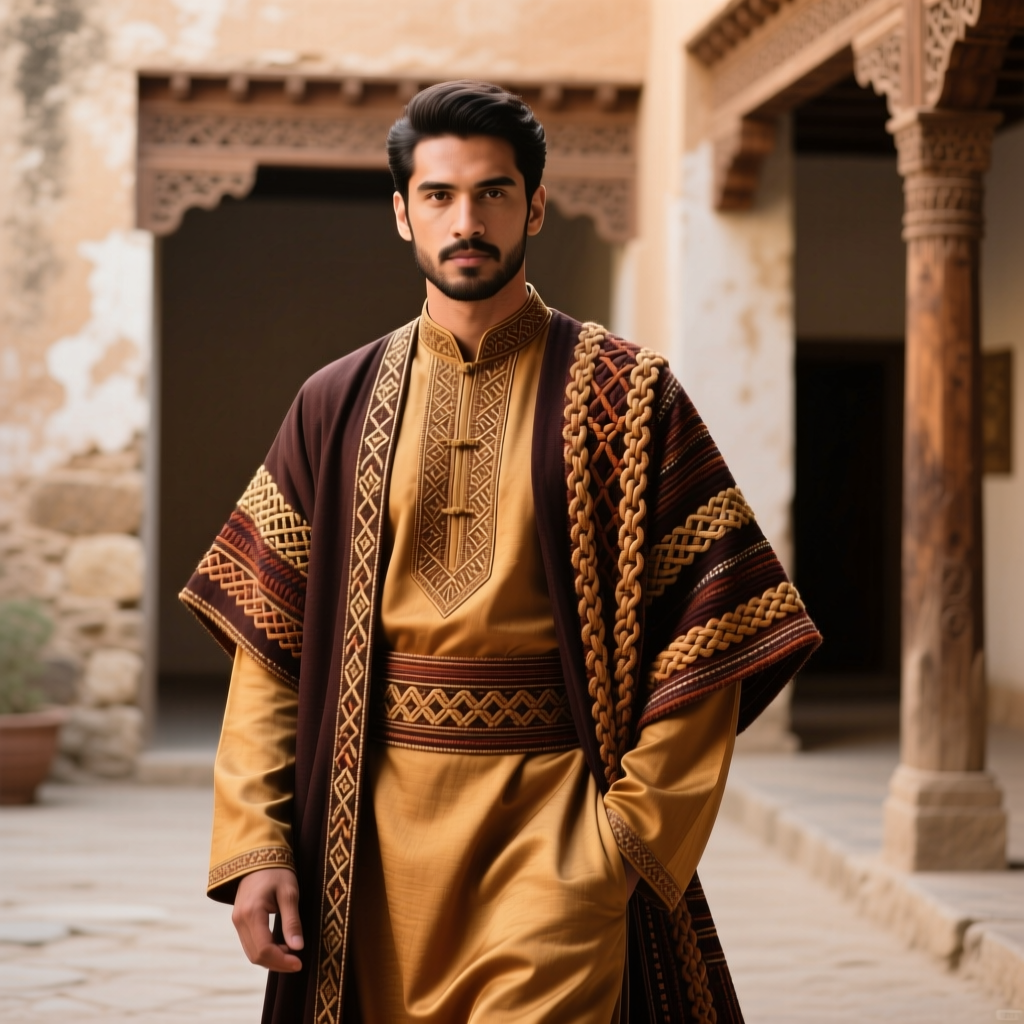
Few things carry the weight of history, identity, and craftsmanship quite like traditional menswear. Whether you are searching for a flowing Moroccan djellaba, a sharply tailored Scottish kilt, an embroidered Indian sherwani, or a dignified Japanese kimono, traditional dress connects you to centuries of cultural heritage while making a powerful personal style statement. The search for authentic traditional dress for men near you is more than a shopping trip — it is a journey into artistry, symbolism, and self-expression.
In an era where fast fashion dominates, traditional garments stand apart. They are often handmade, richly detailed, and designed to be passed down through generations. Yet finding the right piece, knowing how to style it, and understanding where to source it locally can feel overwhelming. This comprehensive guide from The Garment Atlas walks you through everything you need to know about discovering, selecting, and wearing traditional menswear with confidence and respect.
Understanding Traditional Dress: Why Cultural Attire Matters for Modern Men
Traditional dress is far more than costume or novelty. Across every culture, men's traditional garments evolved in response to climate, social structure, spiritual beliefs, and available materials. A West African agbada speaks to status and celebration. A Middle Eastern thobe reflects both modesty and practicality in desert heat. A Nordic bunad connects its wearer to specific regional ancestry and communal identity.
For the modern man, embracing traditional dress offers several compelling advantages:
- Cultural connection: Wearing heritage garments keeps traditions alive and fosters a deeper understanding of your roots or the cultures you admire.
- Superior craftsmanship: Traditional garments are frequently handmade using techniques that have been refined over centuries — hand-embroidery, natural dyeing, hand-weaving, and bespoke tailoring.
- Distinctive style: In a sea of identical suits and casual wear, traditional attire sets you apart with bold silhouettes, rich textiles, and meaningful details.
- Versatility: Many traditional garments can be styled for formal events, cultural celebrations, religious ceremonies, and even smart-casual gatherings.
Before you begin your search, take time to explore the rich world of cultural heritage garments to understand which styles resonate with your identity, aesthetic preferences, and the occasions you plan to attend. Our garment guides provide in-depth breakdowns of construction, fabric choices, and regional variations to help you make an informed decision.
How to Find Authentic Traditional Dress for Men Near You
The phrase "traditional dress men near me" reflects a growing desire to source cultural attire locally rather than relying solely on overseas shipping. Here is a strategic approach to finding authentic pieces in your area.
Explore Cultural Districts and Neighborhoods
Most major cities have neighborhoods that serve as cultural hubs — Chinatown, Little India, Arab quarters, African markets, or Latin American districts. These areas are goldmines for traditional menswear. Shops in these neighborhoods are often run by community members who understand the nuances of fit, fabric, and occasion-specific dressing. You will find everything from ready-to-wear pieces to custom tailoring services.
Visit Specialty Boutiques and Tailors
Many cities have dedicated boutiques specializing in specific cultural attire. A South Asian boutique might carry sherwanis, kurtas, and bandhgalas. A Middle Eastern shop might stock thobes, bishts, and ghutras. These specialty retailers often employ tailors who can customize garments to your measurements, ensuring a fit that honors the garment's traditional silhouette while flattering your body type.
Attend Cultural Festivals and Markets
Cultural festivals, heritage celebrations, and artisan markets are excellent venues for discovering traditional dress. Vendors at these events often sell handmade garments and can provide context about the history and significance of each piece. You also get the advantage of seeing garments in motion — observing how fabrics drape, how colors catch the light, and how accessories complement the overall look.
Leverage Online Directories and Local Artisan Networks
Search for local artisan guilds, cultural associations, and community boards that list traditional tailors and dressmakers in your region. Many skilled craftspeople operate small workshops that do not have a prominent online presence but produce exceptional work. Word of mouth within cultural communities is often the most reliable path to finding these hidden gems.
For a deeper understanding of specific garment types before you shop, browse our detailed traditional menswear guides to learn about construction details, fabric standards, and quality indicators.
Styling Traditional Menswear: Tips for Every Occasion
Once you have found your garment, the next challenge is styling it appropriately. Traditional dress carries its own styling language, and understanding these conventions ensures you wear your attire with both elegance and cultural sensitivity.
Formal Events and Weddings
Formal occasions are where traditional menswear truly shines. A heavily embroidered sherwani in deep jewel tones paired with a matching turban creates an unforgettable wedding look. A Scottish kilt in your clan tartan, worn with a Prince Charlie jacket and sporran, commands respect at any black-tie event. For West African celebrations, a grand boubou or agbada in rich brocade fabric makes a regal statement.
Key styling principles for formal wear include:
- Invest in proper undergarments and layering pieces that maintain the garment's structure
- Choose footwear that complements rather than competes — traditional mojari shoes with South Asian attire, ghillie brogues with Highland dress, or leather sandals with Middle Eastern garments
- Keep accessories intentional and meaningful rather than piling on every available ornament
Religious and Ceremonial Gatherings
Many traditional garments have specific religious or ceremonial significance. A white thobe for Friday prayers, a simple kurta for temple visits, or a formal dashiki for Kwanzaa celebrations each carry contextual meaning. When dressing for religious events, prioritize modesty, simplicity, and adherence to community norms. Our ceremonial dress resources offer guidance on appropriate choices for various spiritual and communal occasions.
Smart-Casual and Everyday Wear
Traditional dress does not have to be reserved for special occasions. A well-fitted kurta paired with tailored trousers and minimal accessories works beautifully for dinner outings or creative workplace environments. A lightweight dashiki over slim jeans creates a relaxed yet culturally rich weekend look. A simple yukata or jinbei serves as comfortable and stylish loungewear during warmer months.
The key to everyday traditional styling is balance — pair one statement traditional piece with more understated contemporary items to create a look that feels intentional rather than costumey.
Essential Accessories That Complete Traditional Menswear
Accessories are where traditional dressing truly comes alive. They are the finishing touches that transform a garment into a complete cultural ensemble. Understanding which accessories pair with which garments is essential for an authentic and polished appearance.
Headwear
Headwear is among the most culturally significant accessories in traditional menswear. The South Asian pagri or turban, the Middle Eastern keffiyeh or ghutra, the West African fila or kufi cap, and the Scottish glengarry or balmoral bonnet each carry deep cultural meaning. The style, color, and wrapping method often communicate regional identity, marital status, or social rank. Invest time in learning the proper way to wear your chosen headpiece — improper styling can unintentionally disrespect the tradition.
Footwear
Traditional footwear is designed to complement the proportions and aesthetics of cultural garments. Embroidered mojari or jutti shoes pair with South Asian sherwanis and kurtas. Leather ghillie brogues are essential for Highland dress. Handwoven sandals or babouche slippers complement North African and Middle Eastern attire. Avoid pairing traditional garments with obviously modern athletic shoes unless you are deliberately pursuing a fusion aesthetic.
Jewelry and Ornamental Pieces
Men's traditional jewelry varies dramatically across cultures. A Sikh kara (steel bracelet), a Scottish sgian-dubh (ceremonial knife tucked into a kilt hose), a Berber silver pendant, or a Polynesian bone carving each tell a story. Choose pieces that have personal or cultural significance rather than treating them as mere decoration. Quality metals, authentic materials, and traditional craftsmanship should guide your selections.
Wraps, Shawls, and Outer Layers
Many traditional ensembles include a wrap or outer layer that adds both function and visual depth. A pashmina or shahtoosh shawl draped over a sherwani, a bisht (cloak) worn over a thobe, a tartan plaid pinned at the shoulder of a kilt outfit, or a kente cloth draped over a formal dashiki — these layers add dimension and demonstrate a thorough understanding of the complete traditional ensemble.
Explore our accessories guide for detailed information on sourcing authentic traditional accessories and understanding their cultural context.
Modern Adaptations: Blending Tradition with Contemporary Style
One of the most exciting developments in traditional menswear is the rise of modern adaptations that honor heritage while embracing contemporary aesthetics. These fusion approaches make traditional dress more accessible and wearable for everyday life.
Contemporary Cuts and Silhouettes
Many designers are reimagining traditional garments with modern tailoring techniques. A slim-fit sherwani with minimal embroidery works for cocktail events. A cropped jacket inspired by the Nehru jacket pairs beautifully with Western trousers. Modern kilt designs in non-traditional fabrics like leather or denim push boundaries while maintaining the garment's essential structure.
Fabric Innovation
While traditional fabrics like silk brocade, hand-loomed cotton, and pure wool remain prized, modern adaptations often incorporate performance fabrics, sustainable textiles, and lighter-weight materials that make traditional garments more comfortable for extended wear and varied climates.
Mixing Cultural and Western Elements
The most successful fusion looks pair one traditional garment with contemporary Western pieces. A structured bandhgala jacket worn over a crisp white t-shirt and dark jeans. A traditional embroidered vest layered over a modern button-down shirt. A kilt styled with a leather jacket and boots. The key is restraint — let one traditional piece be the focal point and build around it with understated modern basics.
Our modern traditions section explores how designers and everyday men are keeping cultural dress relevant and vibrant in contemporary fashion landscapes.
Buying Guide: What to Look for When Shopping for Traditional Dress
Investing in traditional menswear requires careful consideration. These garments often represent significant financial and cultural investments, so knowing what to evaluate before purchasing is essential.
Fabric Quality
Authentic traditional garments use specific fabrics that are integral to the garment's character. Silk, brocade, and raw silk are standard for South Asian formal wear. Pure wool tartan is non-negotiable for authentic Highland dress. Linen and cotton are preferred for Middle Eastern thobes. Ask about fabric origin, composition, and care requirements before purchasing. Be wary of synthetic substitutes that mimic the look but lack the feel, drape, and longevity of genuine materials.
Construction and Craftsmanship
Examine stitching quality, lining, button construction, and finishing details. Handmade garments will show slight variations that indicate artisanal work — this is a feature, not a flaw. Machine-made replicas often have uniform stitching, fused rather than sewn interlinings, and plastic buttons. A quality traditional garment should feel substantial, hang properly on the body, and show clean interior finishing.
Fit and Tailoring Options
Traditional garments have specific fit conventions that differ from Western clothing. A sherwani should sit close to the body through the torso while allowing movement. A thobe should fall to the ankles with sleeves reaching the wrists. A kilt should sit at the natural waist, not the hips. Work with a tailor who understands these conventions — a Western tailor may apply familiar fitting rules that compromise the garment's traditional silhouette.
Price Expectations
Authentic traditional garments represent genuine craftsmanship and should be priced accordingly. A hand-embroidered sherwani from a skilled artisan will cost significantly more than a mass-produced version, but the difference in quality, longevity, and cultural authenticity is substantial. Set a realistic budget and understand that traditional dress is an investment piece meant to last for years or even generations.
Cultural Authenticity and Ethical Sourcing
Ensure that the garments you purchase are sourced ethically and respectfully. Support artisans and retailers who have genuine connections to the cultures they represent. Avoid garments that appropriate sacred symbols, misrepresent cultural significance, or exploit artisan labor. Our ethical sourcing guide provides frameworks for making responsible purchasing decisions.
Frequently Asked Questions
Where can I find traditional dress for men near me if my city does not have a cultural district?
If your area lacks a dedicated cultural neighborhood, start by contacting local cultural associations, university international student organizations, or religious community centers. These groups often have connections to tailors and retailers who serve their communities. Online directories specific to your cultural interest can also connect you with traveling tailors who visit different cities for measurement sessions and fittings. Additionally, many reputable online retailers now offer virtual consultations and detailed sizing guides that make remote purchasing more reliable than ever.
Is it appropriate to wear traditional dress from a culture that is not my own?
This is a thoughtful and important question. In general, wearing traditional dress from another culture is acceptable when done with genuine respect, proper understanding, and appropriate context. Attending a cultural celebration as a guest, participating in a multicultural event, or incorporating elements into your wardrobe after meaningful study are typically welcomed by most communities. However, avoid wearing sacred or ceremonial garments without understanding their significance, and never treat traditional dress as a costume or novelty. When in doubt, ask members of that community for guidance — most people appreciate genuine curiosity and respect.
How do I care for and maintain traditional garments?
Care requirements vary significantly by garment type and fabric. Silk and brocade garments typically require professional dry cleaning. Wool tartans should be aired out between wears and professionally cleaned only when necessary. Cotton and linen garments can often be hand-washed or machine-washed on gentle cycles. Always follow the care instructions provided by the maker, invest in proper storage — padded hangers for structured garments, breathable garment bags for delicate textiles — and address any repairs promptly to prevent further damage. Traditional garments are built to last when properly maintained.
Can traditional dress be altered or tailored for a modern fit?
Yes, but with important caveats. Traditional garments have specific proportional rules and silhouette conventions that define their character. A skilled tailor who understands the garment's cultural context can adjust fit through the body, sleeve length, and hem while preserving the essential design. Avoid alterations that fundamentally change the garment's structure — such as dramatically shortening a sherwani or narrowing a thobe beyond recognition. The goal is to achieve a fit that flatters your body while honoring the garment's traditional form. Always consult with someone knowledgeable about the specific garment type before authorizing alterations.
What is the best traditional garment for someone new to cultural dress?
For men new to traditional dress, start with versatile, accessible pieces that are easy to style and widely accepted. A well-fitted kurta or tunic-style shirt pairs easily with trousers you already own and works for both casual and semi-formal occasions. A simple dashiki offers bold cultural expression with minimal styling complexity. A quality vest or waistcoat inspired by traditional design can layer over contemporary clothing to introduce cultural elements gradually. As your confidence and knowledge grow, you can expand into more elaborate and occasion-specific garments. Visit our beginner's guide to traditional wear for curated starter recommendations.
Traditional dress for men represents a living connection to history, craftsmanship, and cultural identity. Whether you are reconnecting with your own heritage or respectfully exploring the sartorial traditions of another culture, the journey of finding, styling, and wearing these garments is deeply rewarding. Start with curiosity, prioritize quality and authenticity, and let The Garment Atlas guide you through every step of the process. Your perfect traditional garment is waiting to be discovered — and it may be closer than you think.