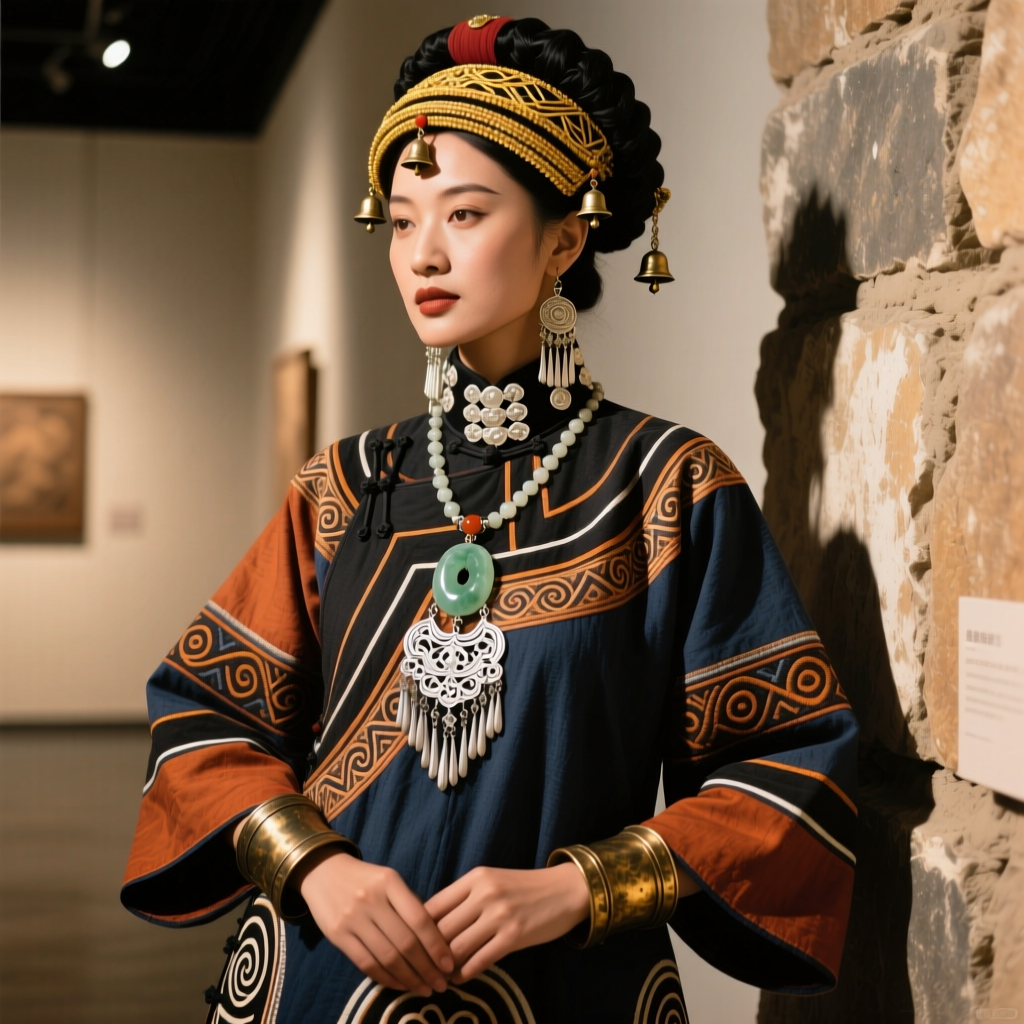
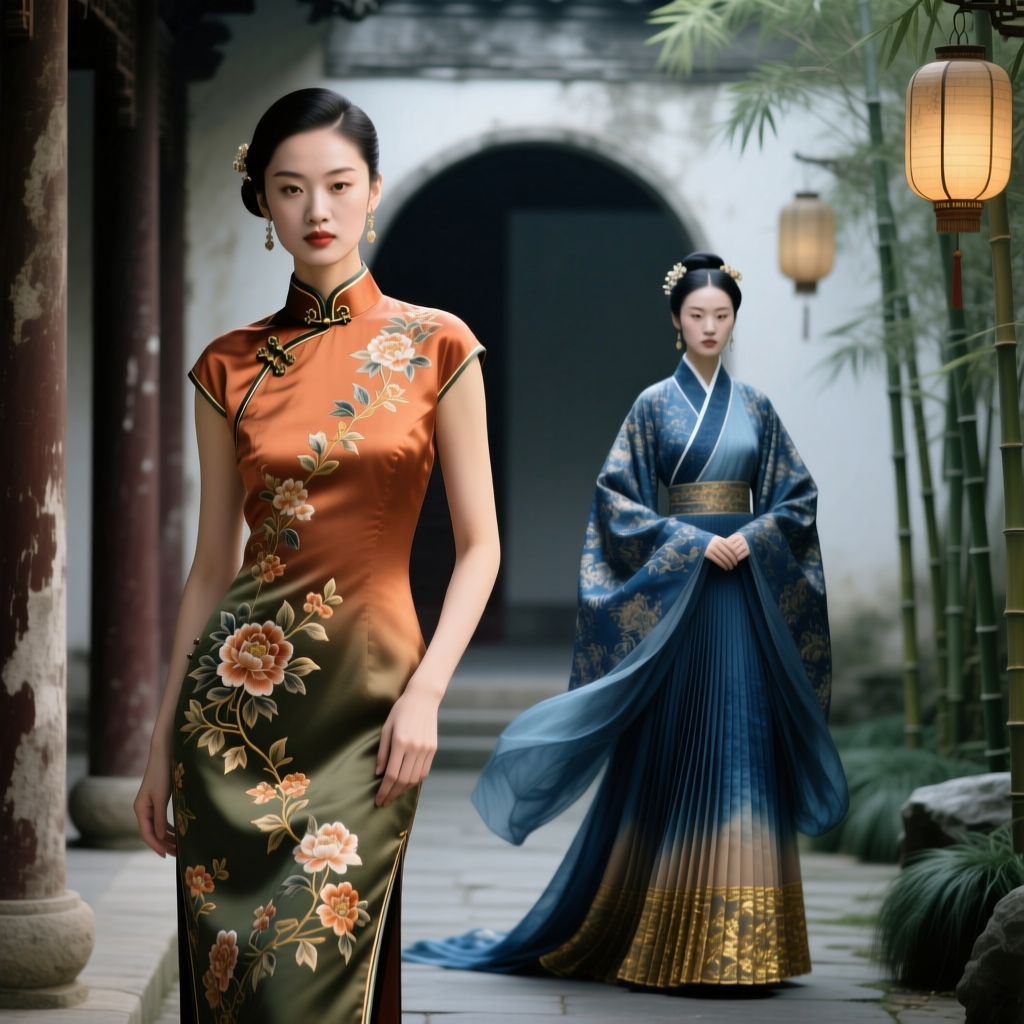
Traditional Dress to Wear in School: A Complete Style Guide

There is something deeply powerful about wearing your heritage to school. Whether it is a carefully embroidered tunic passed down through generations, a crisp kurta chosen for Cultural Heritage Day, or a vibrant dirndl skirt that connects you to your family's roots, traditional dress carries stories that textbooks simply cannot teach. For students navigating the balance between self-expression, school dress codes, and cultural pride, choosing the right traditional outfit can feel both exciting and overwhelming.
The beauty of incorporating traditional dress into your school wardrobe lies in its versatility. From full cultural ensembles worn during special celebrations to subtle heritage-inspired pieces that blend seamlessly into everyday wear, there are countless ways to honor your background while staying comfortable and confident in the classroom. This guide walks you through everything you need to know about selecting, styling, and wearing traditional dress in a school setting — with practical advice that respects both your culture and your school's expectations.
If you are exploring the broader world of cultural garments, our Global Garment Directory offers an in-depth look at traditional clothing from around the world, helping you understand the history and significance behind each piece before you style it for school.
Choosing the Right Traditional Dress for School
Not every traditional garment is suited for the classroom, and that is perfectly fine. The key is identifying pieces that balance cultural authenticity with the practical demands of a school day — sitting at desks, moving between classes, eating lunch, and participating in activities. Here is how to narrow down your options.
Consider Comfort and Mobility
School days are long, and your clothing needs to keep up. Look for traditional garments made from breathable, durable fabrics such as cotton, linen blends, or lightweight wool. A cotton salwar kameez, for example, offers exceptional comfort with its loose-fitting silhouette, while a Japanese yukata-inspired wrap top paired with modern trousers can provide both ease of movement and cultural expression. Avoid heavily layered outfits or garments with restrictive structures unless they are reserved for brief ceremonies or performances.
Navigate School Dress Codes with Confidence
Before selecting a traditional outfit for school, review your institution's dress code policy carefully. Most schools require clothing that covers the shoulders, midriff, and upper legs. Many traditional garments naturally meet these requirements — think of the modest lines of a Middle Eastern thobe, the full coverage of a West African dashiki with matching trousers, or the structured elegance of a Korean hanbok-inspired blouse with a high neckline and full skirt.
If your chosen garment has elements that might conflict with dress code rules — such as sheer fabrics, open backs, or very short hemlines — consider layering with camisoles, leggings, or fitted turtlenecks underneath. This approach preserves the garment's cultural identity while ensuring compliance.
Match the Occasion
The context matters enormously. A full Philippine barong tagalog might be perfect for a school cultural showcase but impractical for a regular Tuesday. Categorize your traditional wardrobe into three tiers:
- Everyday heritage pieces — Subtle items like embroidered collars, woven belts, or culturally significant jewelry that can be worn daily without drawing excessive attention
- Cultural celebration outfits — Full traditional ensembles reserved for heritage days, international festivals, and school assemblies
- Modern fusion looks — Contemporary clothing that incorporates traditional textiles, patterns, or silhouettes for a balanced everyday approach
For a deeper understanding of how cultural garments translate across different settings, explore our Cultural Dress Codes resource, which breaks down the etiquette and appropriateness of various traditional garments in modern environments.
Styling Traditional Dress for the Classroom
Once you have selected the right garment, the next step is styling it in a way that feels cohesive, age-appropriate, and personally expressive. The goal is not to water down your culture but to present it in a way that integrates beautifully with your school life.
The Art of Subtle Integration
Some of the most striking school outfits combine one strong traditional element with otherwise contemporary clothing. A Nigerian gele headwrap paired with a simple blouse and tailored trousers creates a powerful statement without overwhelming the look. Similarly, a Scottish tartan sash draped over a plain white shirt instantly communicates heritage while remaining polished and school-appropriate.
This approach works particularly well for students who may feel self-conscious about wearing full traditional dress in environments where it is less common. Starting small builds confidence and often invites curious, respectful conversations from classmates and teachers.
Color Coordination and Pattern Mixing
Traditional textiles are often rich in color and pattern, which can make styling them alongside modern wardrobe staples a delightful challenge. Follow these principles:
- Anchor with neutrals: Let a vibrant traditional piece be the focal point by pairing it with black, white, navy, or beige basics. A brightly patterned Indian dupatta scarf looks stunning over a solid-colored tunic and jeans.
- Pull a single color: When mixing patterns, choose one color from your traditional garment and echo it in your accessories or bottom layer. This creates visual harmony without clashing.
- Respect the palette: Some traditional garments carry culturally specific color meanings. Research these before altering or accessorizing — our Color Symbolism in Traditional Dress guide provides detailed insights into what different hues represent across cultures.
Layering for Versatility
School environments can shift dramatically in temperature between classrooms, hallways, and outdoor areas. Layering is your best friend when styling traditional dress. A Chinese mandarin-collar jacket worn over a modern t-shirt bridges two worlds effortlessly. A Peruvian woven poncho layered over a long-sleeve shirt provides warmth and cultural flair during colder months. Keep lightweight cardigans or denim jackets on hand to complement traditional pieces when the weather demands it.
Accessories That Elevate Traditional School Outfits
Accessories are where traditional dress truly comes alive in a school setting. They are often the most practical entry point for students who want to incorporate heritage elements into their daily wardrobe without committing to a full ensemble.
Jewelry with Meaning
Traditional jewelry carries profound cultural significance and can transform even the simplest school outfit. Consider these options:
- Maasai beaded necklaces — Bold, colorful, and instantly recognizable, these pieces add vibrancy to any neutral outfit
- Celtic knot pendants — Subtle silver or gold pieces that sit close to the neckline and work within most dress codes
- South Asian jhumka earrings — These bell-shaped earrings add a touch of elegance, though you may want to choose smaller studs versions for active school days
- Middle Eastern evil eye bracelets — Both protective and stylish, these beaded or enamel pieces stack beautifully with watches and simple bangles
- Indigenous turquoise and silver pieces — Handcrafted jewelry from Native American artisans carries deep spiritual significance and pairs naturally with casual school wear
When selecting traditional jewelry for school, prioritize pieces that will not interfere with physical activities, get caught on bags or equipment, or violate safety policies in science labs and workshops.
Bags, Belts, and Footwear
Do not overlook the power of culturally significant accessories beyond jewelry. A Moroccan leather satchel serves as both a functional school bag and a conversation starter. Mexican embroidered pouches can hold pencils and supplies while adding a splash of artisan color to your desk. Japanese furoshiki cloth wraps offer a sustainable, beautiful alternative to conventional gift wrapping or lunch carriers.
Footwear is another opportunity for cultural expression. Indian juttis, Turkish babouches, and East African sandals can all work in school settings, provided they meet safety requirements (closed-toe policies in certain classrooms, for example). Browse our Traditional Footwear Guide for detailed profiles of culturally significant shoes from around the world.
Hair Accessories and Head Coverings
For many cultures, hair accessories and head coverings are integral to traditional dress. African kente cloth headbands, Jewish kippot, Muslim hijabs, Sikh patkas, and Sikh dastars (turbans) are not merely accessories — they are expressions of faith, identity, and heritage. Students should feel empowered to wear these items in school, and most educational institutions protect the right to do so under cultural and religious accommodation policies.
If you are navigating the intersection of religious or cultural head coverings and school policies, our Religious Head Coverings Guide provides comprehensive information on styles, wearing techniques, and your rights as a student.
Modern Adaptations: Blending Heritage with Contemporary School Style
One of the most exciting developments in traditional dress is the growing movement of designers and students who reimagine heritage garments for modern life. These adaptations do not erase cultural identity — they evolve it, making traditional dress more accessible and wearable for everyday school settings.
Reimagined Silhouettes
Many contemporary designers now offer traditional garments with updated cuts that appeal to younger wearers. A crop-length dashiki paired with high-waisted trousers maintains the iconic print and energy of the original while feeling fresh and current. A shorter-length qipao (cheongsam) with modern fabric choices can transition from cultural event to school hallways with ease. Look for brands that collaborate with cultural communities to ensure these adaptations remain respectful and authentic.
Traditional Textiles in Modern Garments
You do not always need to wear a full traditional garment to honor your heritage. Incorporating traditional textiles into contemporary clothing is a powerful and increasingly popular approach:
- Ankara print blazers — West African wax print fabric tailored into a structured blazer that pairs perfectly with school-appropriate trousers or skirts
- Ikat patterned sneakers — Central Asian weaving patterns reimagined on modern footwear
- Bandhani tie-dye scarves — Indian resist-dyeing techniques applied to lightweight scarves suitable for any season
- Tartan laptop sleeves — Scottish plaid woven into functional school accessories
- Embroidered denim jackets — Traditional embroidery motifs from any culture applied to the universal language of denim
DIY and Customization
For creative students, customizing existing clothing with traditional elements is a rewarding project. Sew patches of Ghanaian kente cloth onto a backpack. Add Ukrainian vyshyvanka embroidery to the collar of a plain white shirt. Attach Guatemalan woven ribbon to the straps of a canvas tote bag. These small touches carry enormous cultural weight and make your school wardrobe uniquely personal.
Our Textile Craft Techniques guide offers step-by-step instructions for incorporating traditional sewing, weaving, and embellishment methods into your own projects.
Buying Guide: Where and How to Shop for Traditional School Dress
Finding authentic, well-made traditional garments that are suitable for school requires some research and intentionality. Here is what you need to know before you shop.
Prioritize Authentic Sources
Whenever possible, purchase traditional garments from artisans, community-owned businesses, and brands that work directly with the cultures they represent. This ensures that your purchase supports the communities who created these traditions and that you receive a garment made with genuine techniques and materials. Avoid mass-produced "costume" versions of cultural dress, which often misrepresent or trivialize sacred and meaningful garments.
Fabric and Quality Considerations
School clothing takes a beating — it needs to withstand daily wear, frequent washing, and active movement. When evaluating traditional garments for school use, check for:
- Colorfastness: Will the dyes bleed or fade after washing? Test by dampening a small hidden area and pressing with a white cloth.
- Seam strength: Traditional garments often feature hand-stitched details. Ensure seams are reinforced enough for daily wear.
- Wrinkle resistance: Some traditional fabrics, like pure silk or stiff cotton, wrinkle easily. Look for blends or treated versions if your school day does not allow for touch-ups.
- Washability: Many traditional garments require hand washing or dry cleaning. Confirm that the care requirements fit your lifestyle before purchasing.
Budget-Friendly Strategies
Authentic traditional dress can be an investment, but there are ways to build a heritage-inspired school wardrobe without overspending:
- Start with accessories: Jewelry, scarves, and bags are typically less expensive than full garments and offer daily versatility.
- Shop secondhand: Vintage and thrift stores often carry beautiful traditional pieces, especially in culturally diverse neighborhoods.
- Invest in one statement piece: A single high-quality garment — like a well-made dashiki or embroidered kurta — can be styled multiple ways across an entire school year.
- Learn basic sewing: Creating simple traditional pieces at home, like a wrap skirt or embroidered headband, can be deeply rewarding and budget-friendly.
For detailed profiles of traditional garments from specific regions, including typical price ranges and where to source them, visit our Global Garment Directory and filter by culture or garment type.
Frequently Asked Questions
Is it appropriate to wear traditional dress to school every day?
Absolutely. Wearing traditional dress to school every day is a valid and meaningful form of self-expression, provided the garments meet your school's dress code requirements. Many students around the world wear cultural or religious clothing daily as a core part of their identity. If you encounter questions or comments from peers, view them as opportunities to share your heritage. However, if you experience discrimination or feel uncomfortable, reach out to a trusted teacher, counselor, or administrator — schools have a responsibility to create inclusive environments for all students.
How do I explain my traditional dress to curious classmates?
Curiosity from classmates is natural and often comes from a place of genuine interest. Prepare a brief, confident explanation that covers where the garment comes from, what it is called, and why it matters to you. You might say something like, "This is called a kurta — it is a traditional shirt from South Asia, and my family wears them for celebrations and everyday life." Sharing the story behind your clothing transforms a moment of difference into a moment of connection and education. If you want to learn more about the stories behind various cultural garments, our Stories Behind the Stitches series offers rich narratives you can draw from.
Can I mix traditional dress from different cultures in one outfit?
Mixing elements from different cultural traditions requires sensitivity and awareness. If you have a multicultural heritage — for example, one parent is Korean and the other is Nigerian — blending elements from both cultures in your outfit is a beautiful reflection of your identity. However, mixing cultural elements purely for fashion without personal connection or understanding can come across as appropriation rather than appreciation. Always ask yourself: Do I understand the significance of each piece? Am I honoring or trivializing these traditions? When in doubt, stick to one cultural tradition per outfit or consult with members of that community.
What should I do if my school's dress code conflicts with my traditional dress?
If your school's dress code appears to prohibit or restrict your traditional cultural or religious clothing, you have rights. In many countries, educational institutions are legally required to accommodate cultural and religious dress. Start by scheduling a respectful conversation with a school administrator to explain the significance of your garment and find a mutually acceptable solution. Bring documentation or resources — such as articles from our Cultural Dress Codes guide — that explain the importance of your clothing. If the issue is not resolved, involve your parents or guardians and, if necessary, seek guidance from cultural advocacy organizations or legal resources that specialize in student rights.
How can I care for delicate traditional garments that I wear to school?
Proper care extends the life of your traditional garments and keeps them looking their best in a school environment. Always check the care label or ask the seller for specific washing instructions before the first wear. For delicate fabrics like silk, chiffon, or hand-embroidered cotton, hand washing in cool water with mild detergent is usually safest. Air dry flat to prevent stretching, and store garments on padded hangers or folded with acid-free tissue paper to preserve their shape. Keep a small stain removal pen in your school bag for quick fixes, and rotate traditional pieces throughout the week rather than wearing the same garment repeatedly to reduce wear and allow fabrics to rest between uses.