Traditional Dress Names Worldwide

Every culture tells its story through clothing. From the flowing silk of a Japanese kimono to the intricate embroidery of a Mexican huipil, traditional garments carry centuries of craftsmanship, symbolism, and identity within every stitch. Yet for many fashion enthusiasts, the sheer variety of traditional dress names from around the world can feel overwhelming. What exactly is a dirndl? How does a cheongsam differ from a qipao? And more importantly, how can you respectfully incorporate these stunning garments into your modern wardrobe?
Understanding traditional dress names is more than a vocabulary exercise — it is a gateway to appreciating global artistry, supporting heritage craftsmanship, and building a wardrobe that transcends fleeting trends. Whether you are a collector of cultural garments, a stylist seeking fresh inspiration, or simply someone who fell in love with a beautiful piece during your travels, this guide will help you navigate the rich landscape of traditional clothing with confidence and respect.
At The Garment Atlas, we believe that knowing the name, origin, and story behind every garment deepens your connection to what you wear. Let us explore the world's most iconic traditional dresses and learn how to style them for today's world.
Essential Traditional Dress Names Every Style Enthusiast Should Know
Before diving into styling techniques, it helps to build a solid foundation of knowledge. The following traditional dress names represent some of the most recognizable and culturally significant garments worn across the globe. Each one carries a unique silhouette, fabric tradition, and set of styling conventions that have evolved over hundreds — sometimes thousands — of years.
East Asian Traditional Garments
Kimono (Japan): Perhaps the most globally recognized traditional garment, the kimono is a T-shaped, straight-lined robe with attached collars and long, wide sleeves. The word literally translates to "thing to wear" (ki meaning wear, mono meaning thing). Kimonos are wrapped left over right and secured with an obi sash. Variations include the yukata (a lighter cotton version for summer), the furisode (featuring extremely long sleeves, worn by unmarried women), and the tomesode (the most formal kimono for married women).
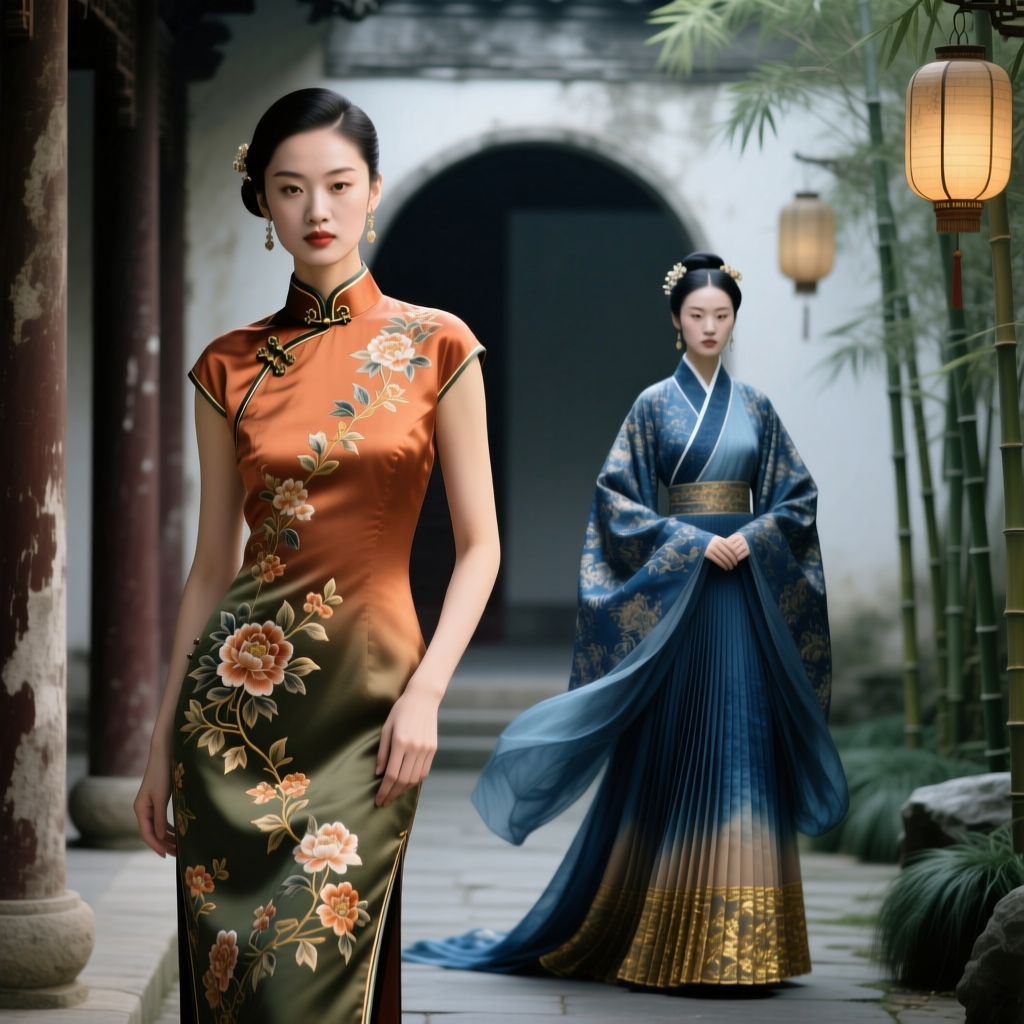
Cheongsam / Qipao (China): This form-fitting, high-collared dress originated among the Manchu people and was modernized in 1920s Shanghai into the sleek silhouette we recognize today. The terms cheongsam and qipao are often used interchangeably, though cheongsam is the Cantonese pronunciation while qipao is Mandarin. Characterized by its mandarin collar, asymmetric front opening with frog closures, and side slits, the qipao has become a symbol of elegant femininity. Explore more about qipao construction and history in our dedicated garment guide.
Hanbok (Korea): The traditional Korean dress consists of a jeogori (a cropped jacket) paired with a chima (a full, high-waisted wrap skirt) for women, or baji (roomy trousers) for men. The hanbok is celebrated for its graceful lines, vibrant colors, and the way its silhouette creates an elegant A-line shape. Modern hanbok designers have been reimagining this garment for everyday wear, making it one of the most exciting traditional dresses in contemporary fashion.
Áo Dài (Vietnam): A long, fitted tunic worn over wide-legged trousers, the áo dài is both modest and strikingly elegant. The tunic features side slits that extend well above the waist, creating a flowing, ethereal effect when the wearer walks. Typically made from silk or lightweight synthetic fabrics, the áo dài is standard attire for Vietnamese students, office workers, and formal occasions alike.
South Asian Traditional Garments
Sari / Saree (India): An unstitched length of fabric, typically ranging from five to nine yards, the sari is draped around the body in dozens of regional styles. The most common draping method is the Nivi style from Andhra Pradesh, where the fabric is pleated at the waist and draped over the left shoulder. The sari is worn with a choli (fitted blouse) and a petticoat. Variations include the Bengali style, the Gujarati style, and the Coorgi style, each with distinct pleating and pallu (loose end) placement.
Salwar Kameez (South Asia): This three-piece ensemble consists of a kameez (tunic), salwar (tapered trousers), and dupatta (long scarf). Worn widely across India, Pakistan, Bangladesh, and Afghanistan, the salwar kameez ranges from simple cotton everyday wear to heavily embroidered formal attire. The Anarkali variant features a dramatically flared kameez that creates a gown-like silhouette.
Lehenga Choli (India): A flared skirt (lehenga), fitted blouse (choli), and dupatta make up this bridal and festive favorite. The lehenga can feature elaborate embroidery techniques including zardozi (gold thread work), gota patti (ribbon appliqué), and mirror work.
Middle Eastern & African Traditional Garments
Kaftan / Caftan (Middle East & North Africa): A long, loose-fitting robe with wide sleeves, the kaftan has roots in ancient Mesopotamia and was later adopted by Ottoman sultans as a symbol of status. Today, the kaftan is beloved worldwide as a luxurious lounging garment and an elegant option for resort wear. Moroccan kaftans are particularly renowned for their intricate sfifa (braided trim) and aakad (knot button) closures.
Abaya (Arabian Peninsula): A flowing, cloak-like garment worn over clothing, the abaya is traditionally black and covers the entire body except for the face, hands, and feet. Modern abaya designers have transformed this garment into a fashion statement with colored fabrics, embroidery, cape-style cuts, and open-front designs. Learn more about modest fashion traditions in our cultural heritage section.
Boubou / Bubu (West Africa): A wide, flowing gown worn by both men and women across West Africa, the boubou is known by various names including agbada (among the Yoruba), grand boubou (in Francophone Africa), and mbubb (in Wolof). Often made from richly dyed or wax-printed cotton, the boubou commands attention with its dramatic volume and regal presence.
Kente Cloth (Ghana): While not a dress in the conventional sense, kente is a woven fabric of immense cultural significance among the Akan people. Worn as a wrapped garment, each kente pattern carries specific meanings related to proverbs, historical events, and social status. The vibrant geometric patterns in gold, green, red, and black are instantly recognizable.
European Traditional Garments
Dirndl (Austria & Southern Germany): This feminine ensemble consists of a fitted bodice, a full skirt, a blouse worn underneath, and an apron tied at the front. The way the apron bow is tied traditionally signals the wearer's relationship status — left means single, right means taken, center means virgin, and back means widowed. Originally a peasant garment, the dirndl has become a celebrated symbol of Alpine culture.
Sarafan (Russia): A sleeveless, trapeze-shaped jumper dress worn over a blouse, the sarafan has been a staple of Russian folk dress for centuries. Brightly colored and often decorated with embroidery, appliqué, or gold trim, the sarafan is paired with a kokoshnik (a crested headdress) for formal occasions.
Kilt (Scotland): While traditionally associated with men, the kilt has been adopted by women in various forms including kilted skirts and tartan wrap dresses. Made from tartan wool fabric representing specific Scottish clans, the kilt is pleated at the back and flat at the front, secured with leather straps and a decorative pin.
Latin American Traditional Garments
Huipil (Mexico & Central America): A loose-fitting tunic made from two or three rectangular pieces of fabric joined together, the huipil is one of the oldest continuously worn garments in the Americas. Each region produces distinctive designs, with embroidery patterns that can indicate the wearer's village, marital status, and personal beliefs. The construction requires no cutting — the fabric is woven to size on a backstrap loom, making each huipil a unique work of art.
Pollera (Panama & Bolivia): A wide, full skirt often paired with an off-the-shoulder blouse, the pollera is among the most elaborate folk costumes in the world. The Panamanian pollera, in particular, can take months to complete and features intricate talco (appliqué) work, lace insertion, and hand-stitched embroidery. The配套的 headdress, called a tembleque, is adorned with trembling pearl and bead ornaments.
How to Style Traditional Garments for Modern Occasions
One of the most exciting aspects of owning traditional garments is finding creative ways to wear them in contemporary settings. The key to successful styling lies in balancing respect for the garment's cultural origins with your personal aesthetic. Here are practical approaches for integrating traditional dress into your modern wardrobe.
Mixing Traditional Pieces with Contemporary Basics
The most accessible way to style traditional garments is to pair one statement piece with modern basics. A huipil looks stunning tucked into high-waisted jeans with simple leather sandals. A kimono jacket (a shorter, more casual interpretation of the traditional kimono) layers beautifully over a white t-shirt and tailored trousers. The dupatta from a salwar kameez can be draped as a scarf over a solid-colored dress, adding color and texture to an otherwise simple outfit.
For a polished office look, consider wearing a structured cheongsam top with wide-leg trousers. The mandarin collar provides a clean, professional neckline, while the frog closures add subtle visual interest. Pair with minimalist gold jewelry and pointed-toe flats for a look that bridges East and West seamlessly.
Accessorizing Traditional Dresses
Accessories can either amplify the traditional character of a garment or ground it in contemporary style. When wearing a full traditional ensemble, consider these pairing strategies:
- With a sari: Statement jhumka earrings and a stack of bangles honor the traditional aesthetic, while a structured clutch and block heels modernize the look. Avoid mixing too many competing textures — let the sari's fabric be the star.
- With a kaftan: A wide metallic belt cinched at the waist creates definition in the flowing silhouette. Add oversized sunglasses and embellished sandals for a resort-ready ensemble. For evening, swap flat sandals for metallic strappy heels and add chandelier earrings.
- With a dirndl: Keep accessories charming and rustic. Silver or horn jewelry, a felt hat, and sturdy leather shoes complement the Alpine aesthetic. For a modern twist, swap the traditional blouse for a fitted turtleneck in cooler months.
- With a hanbok-inspired piece: Minimalist accessories work best. A single hairpin, small drop earrings, and clean-lined shoes allow the garment's beautiful silhouette to speak for itself.
For more ideas on pairing accessories with cultural garments, browse our accessory pairing guide.
Dressing for Specific Occasions
Traditional garments shine at events where their formality and cultural resonance are appreciated. Here is a practical guide to matching garments with occasions:
Weddings & Formal Celebrations: A fully embroidered lehenga choli, a silk sari in a rich Kanjivaram weave, or an elaborately beaded kaftan are all excellent choices. Choose fabrics like silk, brocade, or heavy chiffon, and opt for deeper jewel tones or metallic shades.
Cultural Festivals & Heritage Events: This is the ideal setting for wearing a complete traditional ensemble with all its accompanying accessories. Wear your áo dài with the traditional trousers and a conical nón lá hat, or don a full hanbok with appropriate underlayers and traditional shoes.
Summer Gatherings & Garden Parties: A cotton yukata tied with a simple obi, a breezy linen boubou, or a short cheongsam in a floral print are perfect warm-weather choices. Keep accessories light — think straw hats, woven bags, and simple sandals.
Professional Settings: Subtlety is key. A qipao-inspired blouse, a kimono-style cardigan, or a mandarin-collar jacket can bring traditional elements into a business wardrobe without feeling costumey. Stick to neutral colors and pair with classic tailored pieces.
Modern Adaptations: How Designers Are Reimagining Traditional Dress
The fashion industry has seen a surge of designers who honor traditional garment construction while reimagining silhouettes, fabrics, and styling for contemporary life. These modern adaptations make traditional dress names relevant to new generations while preserving the core elements that make each garment culturally significant.
Contemporary Silhouette Updates
Designers are shortening hemlines, adjusting sleeve proportions, and experimenting with unexpected fabric combinations to make traditional garments more wearable for daily life. The modern hanbok movement in South Korea has produced cropped jeogori jackets paired with sleek pencil skirts, while the modern cheongsam appears in everything from denim to neoprene. Indian designers like Sabyasachi and Anita Dongre have created pre-draped saris that eliminate the complexity of traditional draping while maintaining the garment's elegance.
Fusion Fashion
Fusion wear blends elements from multiple traditions or combines traditional construction with Western silhouettes. A sari-gown merges the draped pallu of a sari with the fitted bodice of an evening gown. Indo-Western outfits pair kurtas with palazzo pants or dhoti-style trousers. African wax print fabrics are cut into blazer shapes, shift dresses, and jumpsuits, bringing bold West African textiles into urban wardrobes worldwide.
Sustainable & Ethical Production
Many traditional garments are inherently sustainable — they are made from natural fibers, constructed using zero-waste techniques (like the rectangular cutting of huipiles), and designed to last for generations. The growing interest in traditional dress names aligns with the sustainable fashion movement, as consumers seek alternatives to fast fashion. Supporting artisan communities who produce these garments using ancestral techniques helps preserve both cultural heritage and environmentally responsible manufacturing practices.
Buying Guide: How to Choose & Care for Traditional Garments
Investing in a traditional garment is a meaningful purchase that deserves careful consideration. Whether you are buying your first sari, selecting a kaftan for a beach holiday, or commissioning a custom cheongsam, these guidelines will help you make informed decisions.
Understanding Fabric Quality
Different traditional garments call for specific fabrics, and quality varies enormously:
- Silk saris: Look for pure silk with a Silk Mark certification (in India). Kanjivaram, Banarasi, and Mysore silks are among the finest. Check the zari (metallic thread) — real zari contains actual gold or silver, while tested zari uses synthetic alternatives.
- Kimono: Authentic kimono fabrics include chirimen (crepe silk), tsumugi (pongee silk), and rinzu (figured satin). Vintage kimono can offer exceptional quality at lower prices, but check for stains and fabric weakness along fold lines.
- Kaftans: High-quality kaftans use natural fabrics like silk charmeuse, cotton voile, or linen. Avoid synthetic fabrics that trap heat — a kaftan should feel cool and breathable against the skin.
- Embroidered garments: Examine the reverse side of embroidery. Hand embroidery will look nearly as neat on the back as the front, while machine embroidery often shows loose threads and less precise stitching.
Sizing & Fit Considerations
Traditional garments often follow different sizing conventions than Western clothing. Many are designed to be adjustable — the sari is one-size-fits-all by nature, the kimono is secured by how tightly the obi is wrapped, and the kaftan is intentionally voluminous. For fitted garments like the cheongsam and áo dài, accurate measurements are essential. Key measurements include bust, waist, hip, shoulder width, and the distance from shoulder to desired hemline.
When buying online, always check the seller's measurement guide rather than relying on standard size labels. Many traditional garments from Asian countries use different sizing scales, and a "medium" can vary dramatically between manufacturers. For our comprehensive measurement guide, visit our garment measurement resource.
Care & Storage
Proper care extends the life of traditional garments significantly:
- Silk garments (kimonos, saris, cheongsams) should be dry cleaned or hand washed in cold water with a pH-neutral detergent. Never wring silk — instead, roll it in a towel to absorb moisture and lay flat to dry.
- Heavily embroidered pieces should always be dry cleaned to prevent thread damage and color bleeding.
- Cotton garments (huipiles, yukatas, boubous) can usually be machine washed on a gentle cycle, but always wash separately the first time as natural dyes may bleed.
- Storage: Fold garments with acid-free tissue paper to prevent permanent crease lines. Store in a cool, dark place — never hang heavy silk garments for long periods, as the weight can stretch and distort the fabric.
Where to Buy Authentically
Seek out reputable sources that work directly with artisans and can verify the origin and construction methods of their garments. Fair trade organizations, certified heritage cooperatives, and established specialty retailers are generally more trustworthy than mass-market sellers offering suspiciously low prices. When purchasing vintage or antique pieces, ask about the garment's provenance and any restoration work that has been done.
Frequently Asked Questions About Traditional Dress Names
What is the difference between a cheongsam and a qipao?
The terms refer to the same garment. "Qipao" is the Mandarin Chinese pronunciation (旗袍), while "cheongsam" is the Cantonese pronunciation (長衫) of a similar term. In practice, qipao is more commonly used in mainland China and in academic fashion contexts, while cheongsam is preferred in Hong Kong, Singapore, and many Western countries. There is no difference in the garment itself — only in the linguistic origin of the name. Some fashion historians note that "cheongsam" originally referred to a male garment in Cantonese usage, but in modern international fashion, both terms describe the same women's dress.
Is it appropriate to wear traditional clothing from a culture that is not your own?
This is one of the most common questions in modern fashion, and the answer requires nuance. In general, wearing traditional garments is welcomed when done with genuine respect, proper understanding, and appropriate context. Many cultures actively encourage sharing their clothing traditions — Indian hosts often delight in dressing guests in saris for weddings, and Japanese kimono rental shops cater to international visitors. The key distinctions lie in avoiding sacred or ceremonial garments reserved for specific community members, purchasing from ethical sources that support the originating culture, and wearing the garment correctly rather than as a caricature. When in doubt, research the specific garment's cultural protocols or consult our guide to cultural appreciation in fashion.
How do I know the correct way to drape or tie a traditional garment?
Many traditional garments have specific draping or tying methods that carry cultural meaning. The sari alone has over 80 documented draping styles across different Indian regions. For beginners, video tutorials from cultural organizations and heritage fashion platforms are invaluable resources. Some key points to remember: the Japanese kimono must always be wrapped left over right (right over left is reserved for dressing the deceased), the dirndl apron bow position communicates relationship status, and the Scottish kilt pleats should face the back. When wearing a garment for the first time at a cultural event, consider asking a knowledgeable friend or hiring a professional dresser to ensure everything is correct.
What are the most versatile traditional garments for a modern wardrobe?
If you are looking to add traditional pieces that offer maximum styling versatility, consider these options: A kimono-style jacket works as a cardigan alternative, a beach cover-up, or a layering piece over dresses. A dupatta functions as a scarf, a shawl, a head covering, or even a table runner. A simple cotton huipil pairs with jeans, skirts, and shorts with equal ease. A kaftan transitions from loungewear to resort wear to evening wear with a change of accessories. A kurti (short tunic) from South Asia can be worn over leggings, with jeans, or tucked into a pencil skirt. These pieces offer the best entry point for incorporating traditional dress names into your everyday style without requiring a complete wardrobe overhaul.
How can I verify if a traditional garment is authentically made?
Authenticity can be assessed through several indicators. First, examine the construction — hand-woven fabrics have slight irregularities that machine-made textiles lack. Second, check for certification marks such as India's Handloom Mark and Silk Mark, Japan's Traditional Craft Product designation, or geographic indication (GI) tags that protect regional specialties. Third, assess the price — authentic handwoven and hand-embroidered garments require dozens or hundreds of hours of labor, and prices should reflect this. Fourth, buy from sellers who can tell you the name of the artisan or cooperative, the region of origin, and the specific techniques used. Finally, learn to recognize traditional weaving and embroidery techniques by studying resources like the textile identification guides available on The Garment Atlas. Knowledge is your best protection against mass-produced imitations that misrepresent traditional craftsmanship.
Traditional dress names are more than labels — they are keys to understanding humanity's diverse creative heritage. Whether you are drawn to the structured elegance of a cheongsam, the flowing drama of a boubou, or the intricate artistry of a handwoven huipil, each garment you learn about and wear becomes a bridge between past and present, between cultures, and between the artisan's hands and your own wardrobe. Start with one piece, learn its story, wear it with respect, and let the garment guide you deeper into the atlas of global fashion.