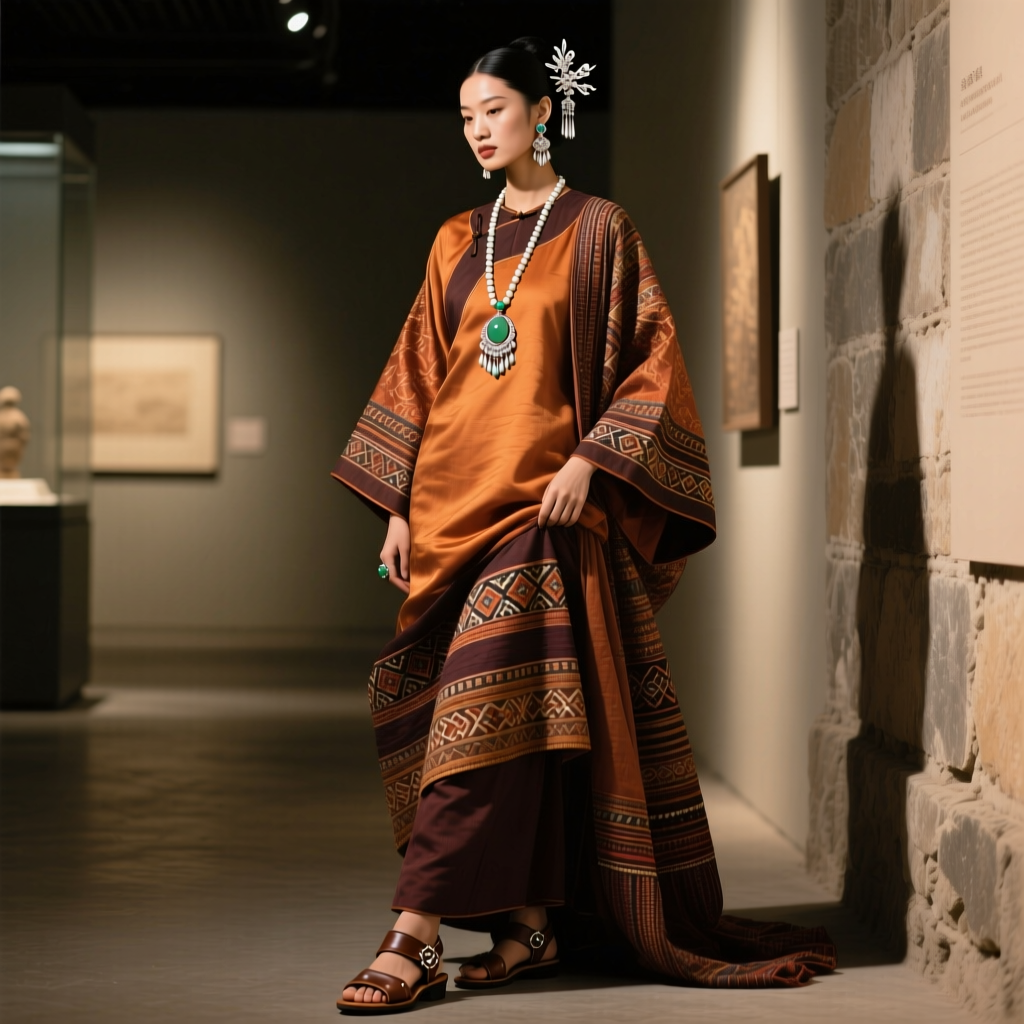
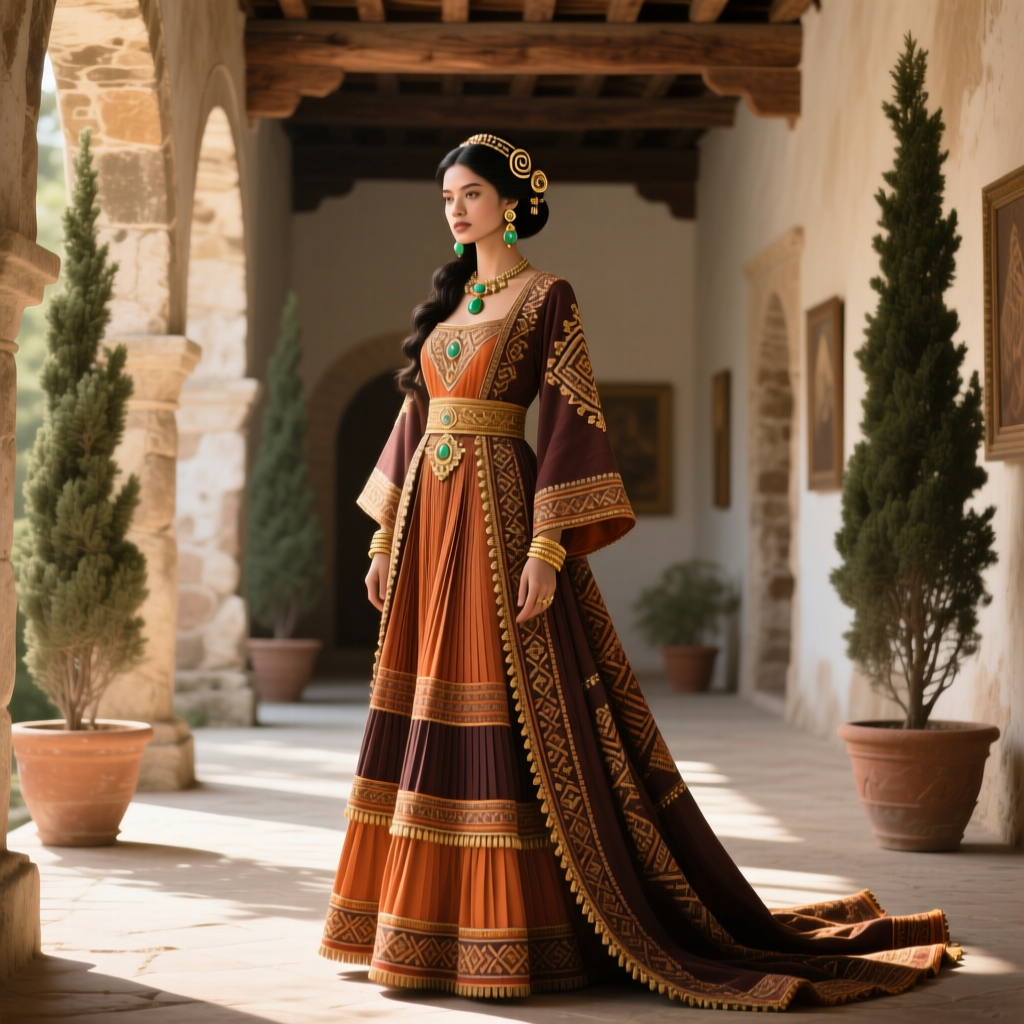
Traditional Attire Accessories: The Complete Styling Guide
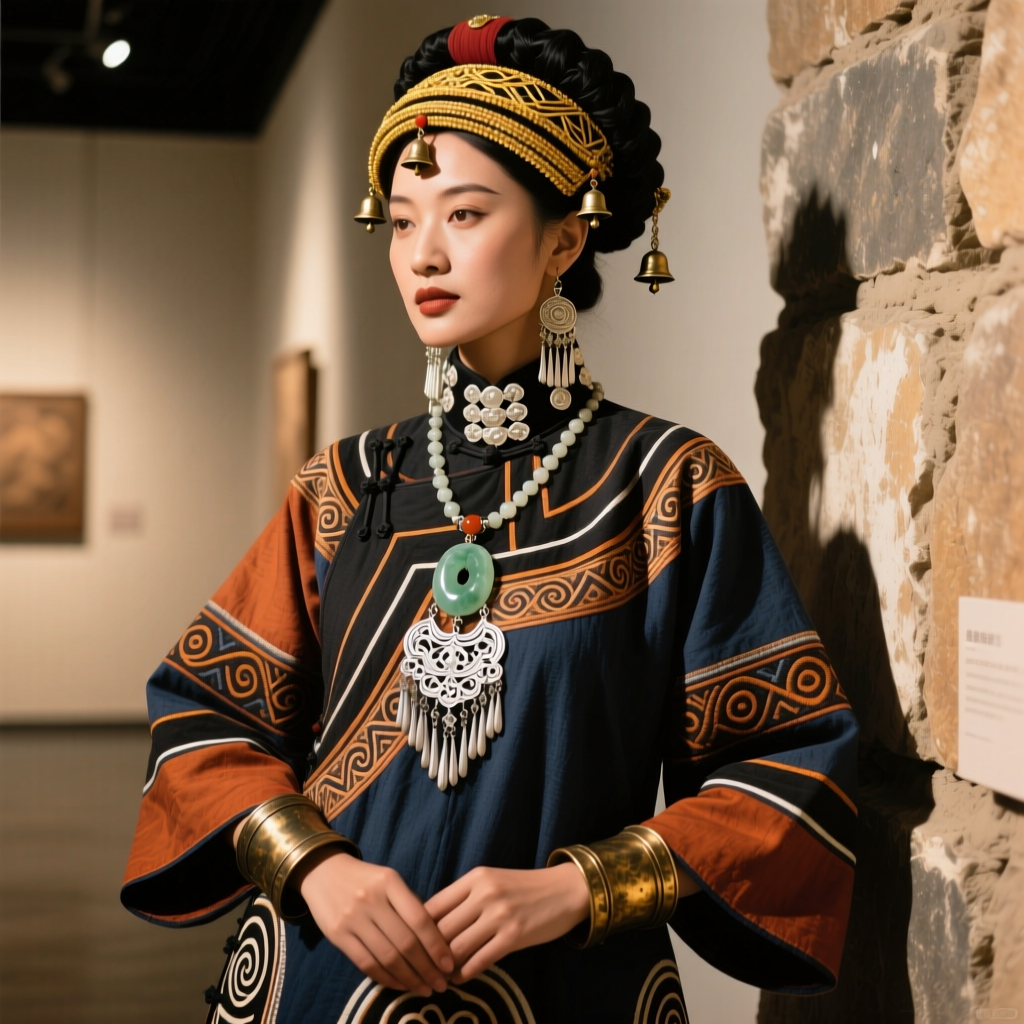
Every culture tells its story through clothing, but it is the accessories that whisper the most intimate details. A hand-embroidered sash passed down through generations, a pair of silver anklets that chime with every step, a beaded headpiece that marks a rite of passage — traditional attire accessories carry the weight of history, identity, and artistry in ways that garments alone cannot. They transform an outfit from something worn into something lived.
Yet styling traditional accessories in a modern wardrobe presents a unique challenge. How do you honor the cultural significance of each piece while making it feel relevant and personal? How do you balance the ornate beauty of heritage craftsmanship with contemporary silhouettes? This guide explores the art of styling traditional attire accessories — whether you are preparing for a cultural celebration, integrating heritage pieces into everyday wear, or simply expanding your sartorial vocabulary with globally inspired details.
From the intricate silver jewelry of North Africa to the silk sashes of East Asia, the beaded adornments of Indigenous cultures to the embroidered shawls of Eastern Europe, every accessory has a story. Let us explore how to wear them with knowledge, respect, and impeccable style.
Statement Jewelry: The Cornerstone of Traditional Styling
Jewelry has served as far more than decoration throughout human history. In cultures across the globe, traditional jewelry communicates marital status, social rank, spiritual beliefs, and regional identity. Understanding these layers of meaning elevates your styling from mere accessorizing to genuine cultural appreciation.
Necklaces and Collars
Traditional necklaces range from the elaborate gold temple jewelry of South India to the turquoise and silver squash blossom necklaces of the Navajo people. When styling statement necklaces, the neckline of your garment becomes critical. A high collar or detailed bodice competes with an ornate necklace, while a simple, solid-colored top or dress provides the perfect canvas. For traditional dress styles with heavy embroidery around the neckline, consider substituting a bold necklace with simpler earrings to maintain visual balance.
Layering traditional necklaces requires a thoughtful approach to scale. Pair a shorter, chunkier piece with a longer, more delicate chain — but ensure both share a common material or color palette. Mixing metals within traditional jewelry can dilute the impact of each piece and, in some cultural contexts, violate established styling conventions.
Earrings and Hair Ornaments
Traditional earrings often carry significant symbolic weight. The jhumka of South Asia, with its distinctive bell shape, has been worn for centuries and pairs beautifully with both traditional and contemporary silhouettes. Similarly, the elaborate filigree earrings of the Philippines and the beaded drop earrings of Maasai culture each bring a distinct aesthetic that can anchor an entire look.
When your earrings are the focal point, pull your hair back or up to ensure they are visible. Traditional hair ornaments — from the ornate kanzashi of Japan to the floral hairpins of Eastern European folk dress — deserve to be seen. Explore our traditional headwear guide for a deeper look at how hair accessories and headpieces complement different cultural garments.
Bangles, Bracelets, and Rings
The stacking of bangles is a practice found across many cultures, from the glass and gold bangles of India to the carved ivory and bone bracelets of African traditions. The key to styling stacked bangles is intentional restraint. Choose a cohesive color story — warm golds, cool silvers, or earth-toned natural materials — and vary the width and texture within that palette. A mix of thick carved bangles with thin metallic ones creates depth without chaos.
Rings in traditional contexts often serve as talismans or markers of identity. Turkmen silver rings, Berber signet rings, and Celtic knotwork bands each carry profound cultural narratives. When wearing multiple traditional rings, distribute them across both hands to avoid a cluttered appearance on a single hand.
Sashes, Belts, and Waist Accessories: Defining the Silhouette
Waist accessories are among the most transformative elements of traditional attire. They define the silhouette, add structure to flowing garments, and often serve as the most visually striking component of a cultural outfit.
The Art of the Sash
Sashes appear in virtually every textile tradition on earth. The obi of the Japanese kimono, the cummerbund of South Asian formal wear, the woven faja of Latin American cultures, and the silk sashes of Eastern European folk costumes each serve to cinch, shape, and adorn. When styling a traditional sash with contemporary clothing, consider it as a statement belt. A beautifully woven or embroidered sash can transform a simple wrap dress, a tailored blazer, or even a pair of high-waisted trousers.
The placement of the sash matters enormously. Tying it at the natural waist creates an hourglass effect, while a lower placement on the hips gives a more relaxed, bohemian feel. For formal occasions, a higher tie with a neat bow or structured knot conveys elegance. Our textile traditions archive offers further reading on the weaving techniques behind these remarkable accessories.
Traditional Belts and Waist Chains
Tooled leather belts from Mexican charro traditions, beaded belts from Indigenous North American cultures, and metallic waist chains from South Asian bridal wear each bring distinctive character to an outfit. When integrating traditional belts into modern styling, let the belt be the hero piece. Pair it with monochromatic or neutral clothing that allows the craftsmanship to command attention.
Waist chains — delicate metallic accessories worn around the waist or hips — offer a subtle way to incorporate traditional adornment into both casual and formal looks. They work particularly well with cropped tops, sarees, and flowing dresses where the midsection is visible or subtly suggested through sheer fabrics.
Footwear and Lower-Body Accessories: Grounding Your Look
Traditional footwear is often overlooked in modern styling, yet it possesses the power to either complete or undermine an entire ensemble. The right shoes anchor your look in authenticity while providing an opportunity for personal expression.
Embroidered and Embellished Shoes
From the pointed juttis and mojris of South Asia to the embroidered babouches of Morocco, traditional footwear showcases extraordinary craftsmanship. These shoes pair remarkably well with contemporary clothing — imagine Moroccan leather slippers with tailored linen trousers, or beaded moccasins with a simple summer dress. The contrast between artisanal footwear and modern silhouettes creates a look that is both sophisticated and culturally rich.
When wearing heavily embellished traditional shoes, keep the rest of your accessories relatively understated. Let the footwear tell its story without competing with statement jewelry or an ornate headpiece. Browse our traditional footwear collection to explore styles from around the world.
Anklets and Foot Adornments
Anklets — known as payal or pajeb in South Asian traditions — are among the most poetic of all accessories. The gentle sound of small bells or metallic beads accompanying movement adds a sensory dimension to your styling that no other accessory can replicate. Silver anklets pair beautifully with bare feet in warm-weather settings, while more substantial chain anklets can be worn over stockings or tights in cooler climates.
In many cultures, anklets carry specific meanings related to marital status or social position. Research the cultural context of any anklet you choose to wear, and approach these pieces with the respect their heritage deserves.
Headpieces, Scarves, and Veils: Crowning Your Ensemble
Head accessories hold perhaps the most symbolic power in traditional dress. They can signify religious devotion, marital status, social rank, ethnic identity, and ceremonial purpose. Styling them requires both aesthetic sensitivity and cultural awareness.
Decorative Scarves and Wraps
Embroidered shawls, woven scarves, and decorative wraps are among the most versatile traditional accessories. A hand-embroidered Mexican rebozo can serve as a shawl, a head covering, a baby carrier, or a dramatic wrap over evening wear. Similarly, the intricate silk scarves of Central Asian ikat traditions and the lace mantillas of Spanish culture each bring a distinct elegance to any outfit.
When styling traditional scarves, consider the weight and drape of the fabric. Heavier woven pieces work best as shoulder drapes or structured wraps, while lighter silk and cotton scarves can be tied in countless configurations — as headbands, neck ties, bag accessories, or belt substitutes. For a comprehensive overview of how wraps integrate with cultural garments, visit our global dress traditions resource.
Ceremonial Headpieces
Ceremonial headpieces — from the elaborate gele of Yoruba culture to the flower-adorned wreaths of Slavic traditions and the beaded crowns of various Indigenous peoples — are statement pieces that demand a considered approach to the rest of your outfit. When wearing a bold headpiece, simplify everything else. A clean, solid-colored garment with minimal jewelry allows the headpiece to serve its intended purpose: to command attention and communicate meaning.
For modern adaptations, consider scaled-down versions of traditional headpieces for everyday wear. A simplified beaded headband inspired by traditional designs, or a small decorative pin placed in the hair, can reference cultural heritage without requiring a full ceremonial ensemble.
Modern Adaptations: Blending Heritage with Contemporary Style
The most exciting developments in traditional accessory styling happen at the intersection of heritage and modernity. Today's most compelling looks often emerge from thoughtful combinations of old and new — pieces that honor craftsmanship while feeling fresh and personally expressive.
Mixing Cultural Traditions Thoughtfully
Combining accessories from different cultural traditions requires care, knowledge, and genuine respect. The guiding principle should always be appreciation rather than appropriation. This means understanding the significance of each piece, supporting artisans and communities who create them, and avoiding the use of sacred or restricted items as mere fashion statements.
A practical approach is to anchor your look in one cultural tradition and introduce complementary elements from your own wardrobe. For example, pairing a single piece of traditional Berber jewelry with a modern minimalist outfit creates a powerful focal point without diluting the cultural significance of the piece or creating a costume-like effect.
Styling for Different Occasions
Cultural celebrations and festivals call for maximalist styling. This is the time to layer bangles, stack necklaces, and wear the most elaborate headpieces in your collection. Match the formality of the occasion, and do not be afraid to embrace the full ornamental potential of traditional accessories.
Weddings and formal events benefit from a curated approach to traditional accessories. Choose one or two statement pieces — perhaps an elaborate necklace paired with matching earrings, or a stunning embroidered sash — and build the rest of your look around them. Quality and craftsmanship should take precedence over quantity.
Everyday and workplace styling calls for subtlety. A single traditional ring, a pair of understated ethnic earrings, or a woven belt can add cultural richness to professional attire without overwhelming the setting. The goal is integration — accessories that enhance your personal style while honoring their origins.
Casual outings offer the most freedom for experimentation. Try pairing traditional beaded sandals with denim, wearing an embroidered scarf as a casual neck tie, or adding a handcrafted leather bracelet to a simple t-shirt and jeans combination. These small touches create a distinctive personal style that feels effortless and authentic.
Buying Guide: Sourcing Authentic Traditional Accessories
Investing in authentic traditional accessories requires knowledge of materials, craftsmanship indicators, and ethical sourcing practices. Here is what you need to know before making a purchase.
Identifying Authentic Craftsmanship
Genuine traditional accessories reveal their authenticity through details. Hand-stitched embroidery will show slight irregularities that machine work lacks. Natural materials like bone, wood, turquoise, and coral will have variations in color and texture. Metalwork should show evidence of hand-hammering, casting, or filigree techniques rather than uniform industrial stamping.
Ask sellers specific questions about the origin of each piece. Authentic vendors will be able to tell you the region, community, and often the individual artisan responsible for the work. Be wary of mass-produced imitations that borrow aesthetic elements from traditional designs without supporting the communities who originated them.
Materials and Care
Traditional accessories are crafted from a remarkable range of materials, each requiring specific care:
- Silver and gold jewelry: Store in anti-tarnish cloth and clean with appropriate metal polishes. Traditional oxidized silver should never be polished to a bright finish, as the darkened patina is an intentional design element.
- Beaded accessories: Check thread integrity regularly and store flat or hanging to prevent stretching. Keep away from moisture and direct sunlight.
- Embroidered textiles: Hand wash or dry clean depending on the fabric and dye. Store folded with acid-free tissue paper to prevent creasing and color transfer.
- Leather goods: Condition regularly with appropriate leather treatments and store in breathable fabric bags away from direct heat.
- Natural materials (bone, wood, shell): Avoid prolonged exposure to water and extreme temperatures. Lightly oil wooden pieces periodically to prevent cracking.
Where to Buy
The most ethical way to purchase traditional accessories is directly from artisans or through fair-trade organizations that ensure craftspeople receive fair compensation. Cultural festivals, artisan cooperatives, and specialized online marketplaces that vet their sellers are excellent sources. Museums with gift shops often carry authentic pieces sourced through ethical partnerships. Always prioritize transparency in the supply chain and be willing to pay prices that reflect genuine handcraftsmanship.
Frequently Asked Questions
How do I style traditional accessories without looking like I am wearing a costume?
The key is restraint and context. Choose one or two traditional accessories as focal points and pair them with contemporary, well-fitted clothing in neutral or complementary colors. Avoid wearing a complete set of traditional accessories from head to toe unless you are attending a cultural event where full traditional attire is appropriate. The contrast between heritage pieces and modern silhouettes creates a sophisticated, intentional look rather than a costume-like effect.
Is it appropriate to wear traditional accessories from a culture that is not my own?
This question deserves thoughtful consideration. Wearing traditional accessories from other cultures can be a beautiful form of appreciation when done respectfully. The distinction lies in your approach: purchase from authentic sources that support artisan communities, learn about the cultural significance of each piece, avoid wearing sacred or restricted items, and never treat cultural accessories as novelty or joke items. When in doubt, research or ask members of that community for guidance. Our responsible fashion guide explores this topic in greater depth.
How can I tell if a traditional accessory is handmade or mass-produced?
Handmade accessories display subtle irregularities that are hallmarks of human craftsmanship. Look for slight variations in bead placement, minor asymmetries in embroidery patterns, and tool marks on metalwork. The weight and feel of natural materials differ noticeably from synthetic imitations. Mass-produced items tend to be perfectly uniform, lighter in weight, and made from materials like plastic, alloy metals, and synthetic threads. Always ask the seller about the production process and origin of each piece.
What are the best traditional accessories to start with if I am new to this style?
Begin with versatile pieces that integrate easily into your existing wardrobe. A pair of handcrafted earrings in a neutral metal or natural material is an excellent starting point. A woven or embroidered scarf offers endless styling possibilities and works across seasons. A simple leather or beaded bracelet adds subtle cultural texture without requiring a major style shift. As your confidence and knowledge grow, you can gradually incorporate bolder statement pieces like elaborate necklaces, sashes, or headpieces.
How do I properly store and preserve vintage or inherited traditional accessories?
Preservation begins with proper storage. Keep jewelry pieces separated in soft cloth pouches or lined boxes to prevent scratching. Textile accessories should be stored clean, folded with acid-free tissue, and kept in a cool, dry environment away from direct sunlight. Avoid plastic bags, which can trap moisture and cause deterioration. For particularly valuable or fragile vintage pieces, consult a textile or jewelry conservator for professional advice on cleaning and long-term preservation. Handle inherited pieces with clean hands and minimize exposure to perfumes, lotions, and environmental pollutants.
Traditional attire accessories are far more than decorative additions to an outfit — they are portable museums, wearable histories, and living connections to the artisans who pour their skill and heritage into every stitch, bead, and hammered curve. By approaching these pieces with knowledge, respect, and a thoughtful eye for styling, you honor their origins while weaving their beauty into your own personal narrative. Whether you are drawn to the silverwork of the Himalayas, the beadwork of the African continent, or the embroidered silk traditions of East Asia, each accessory you choose becomes a bridge between past and present — and a testament to the enduring power of human creativity.