What to Wear on Traditional Day: A Complete Styling Guide
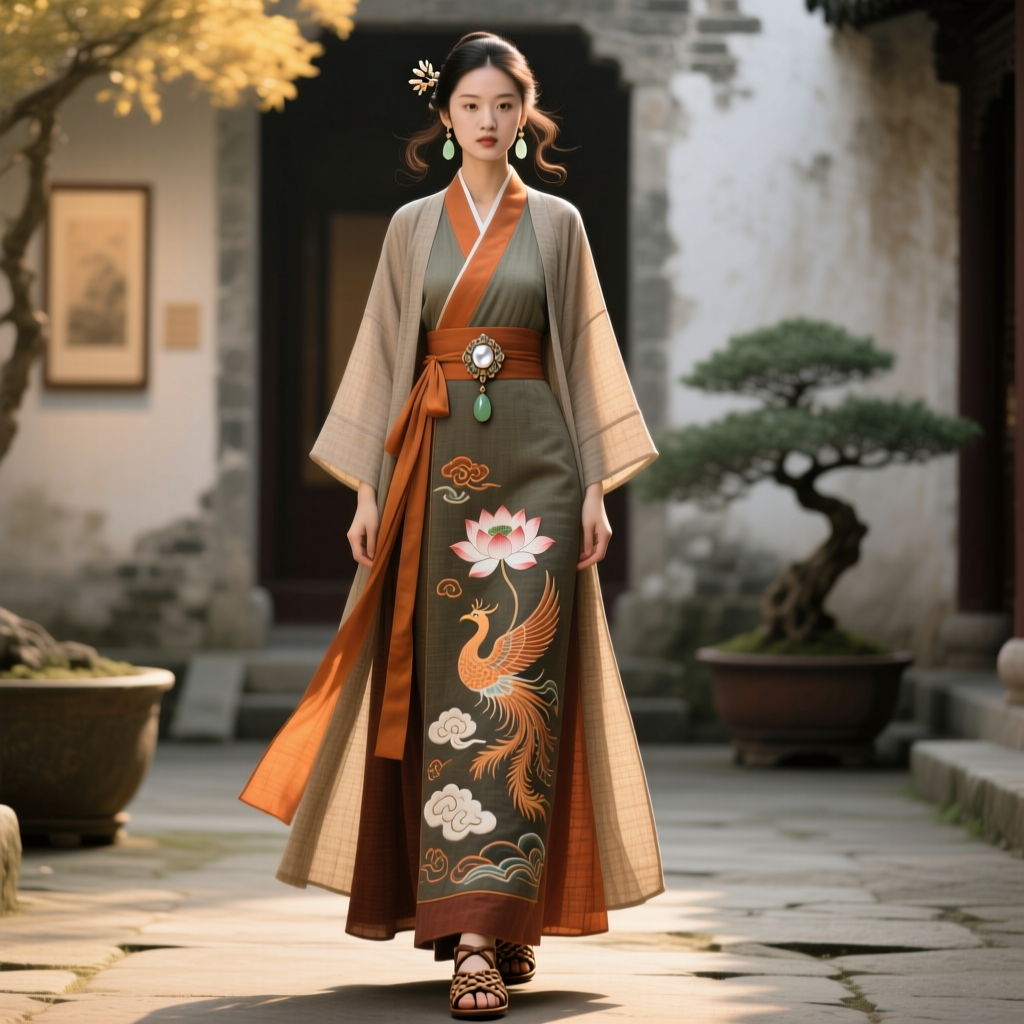
What to Wear on Traditional Day: A Complete Styling Guide
Traditional Day is one of the most vibrant & celebrated events on school, university, & workplace calendars around the world. It is a day when people proudly embrace their cultural heritage, donning garments that tell stories of ancestry, craftsmanship, & identity. Yet for many, the excitement of participation comes with a familiar question: what exactly should I wear?
Whether you are preparing for a school cultural celebration, a corporate diversity event, or a community heritage festival, choosing the right traditional outfit involves more than simply pulling a garment from the back of your wardrobe. It requires an understanding of cultural context, thoughtful styling, & a respect for the origins of what you wear. This guide will walk you through everything you need to know to dress confidently, respectfully, & beautifully for Traditional Day.
If you are new to exploring cultural garments, our comprehensive guide to traditional garments offers an excellent starting point for understanding the rich history behind these pieces.
Understanding Traditional Day & Its Significance
Traditional Day — sometimes called Cultural Day, Heritage Day, or National Dress Day — is an occasion dedicated to celebrating the diverse cultural backgrounds within a community. Schools, universities, & organizations use this day to foster inclusivity, educate participants about different cultures, & create a visually stunning tapestry of global heritage.
The beauty of Traditional Day lies in its openness. Participants are encouraged to wear clothing that represents their own cultural background or, in some settings, to explore & honor a culture they feel connected to. However, this openness also carries a responsibility to approach styling with sensitivity & authenticity.
Key Principles to Keep in Mind
- Authenticity over costume: Traditional garments are living cultural expressions, not costumes. Approach your outfit with genuine respect for its origins & meaning.
- Research before you dress: Understanding the significance of specific patterns, colors, & silhouettes ensures you wear your outfit with knowledge & pride.
- Support authentic sources: Whenever possible, purchase or borrow garments from artisans, cultural organizations, or businesses owned by members of the culture you are representing.
- Ask questions: If you are unsure about whether a particular garment or styling choice is appropriate, reach out to members of that cultural community for guidance.
For a deeper dive into the cultural significance of heritage clothing, explore our cultural heritage pages to learn about the stories woven into every thread.
Traditional Outfit Ideas by Region & Culture
The world is rich with traditional garments, each carrying unique histories, fabrics, & styling conventions. Below are some of the most widely recognized traditional outfits you might consider for Traditional Day, organized by region.
South Asian Elegance
South Asian traditional wear is among the most diverse & visually striking in the world. Options include:
- Saree (India, Bangladesh, Sri Lanka, Nepal): A draped garment typically measuring six to nine yards, the saree is endlessly versatile. Silk sarees like Banarasi, Kanjeevaram, or Paithani make a grand statement, while cotton & linen variants offer understated elegance. Pair with a well-fitted blouse & traditional gold or oxidized silver jewelry.
- Salwar Kameez (India, Pakistan): A tunic paired with trousers & often a dupatta (scarf), this outfit is comfortable, elegant, & suitable for all body types. Embroidered or printed variants work beautifully for Traditional Day.
- Lehenga Choli (India): A flared skirt paired with a cropped blouse & dupatta, the lehenga is ideal for those who want a festive, celebratory look.
- Kurta Pajama & Sherwani (South Asia, men): A long tunic with fitted or loose trousers offers understated sophistication. For a more formal appearance, a sherwani — a structured, coat-like garment — elevates the look dramatically.
- Sinhalese Osariya (Sri Lanka): The Kandyan saree drape is distinctive & regal, featuring a structured pleat & pallu arrangement that sets it apart from other draping styles.
Explore our saree styling & draping guide for detailed instructions on achieving the perfect look.
East Asian Sophistication
- Hanbok (Korea): Characterized by vibrant colors, flowing lines, & a high-waisted silhouette, the hanbok is both graceful & photogenic. Women typically wear a jeogori (jacket) with a chima (skirt), while men wear a jeogori with baji (trousers).
- Qipao / Cheongsam (China): A form-fitting dress with a mandarin collar & intricate frog closures, the qipao is synonymous with refined elegance. Modern versions come in a range of lengths & fabrics.
- Kimono & Yukata (Japan): The kimono is a T-shaped robe worn with an obi (sash), while the yukata is a lighter, cotton variant. Both are stunning choices that require some knowledge of proper wrapping & tying techniques.
- Hanfu (China): An ancient garment system featuring flowing robes, cross-collars, & wide sleeves, hanfu has experienced a major revival & makes a dramatic Traditional Day statement.
African Heritage & Bold Expression
- Ankara & Dashiki (West Africa): Bold, colorful printed fabrics are transformed into tailored dresses, skirts, shirts, & coordinated sets. Ankara prints are versatile & can be styled in countless modern ways.
- Kente Cloth (Ghana): A handwoven textile of the Ashanti people, kente is worn as a draped cloth or tailored into garments. Each pattern carries specific meaning & significance.
- Agbada & Buba (Nigeria, West Africa): The agbada is a flowing, wide-sleeved robe worn by men over a buba (shirt) & sokoto (trousers). It commands presence & respect.
- Maasai Shuka (East Africa): The iconic red & blue checked cloth of the Maasai people is a powerful symbol of East African heritage.
- Habesha Kemis (Ethiopia, Eritrea): A white cotton dress with intricate embroidered borders, the habesha kemis is elegant, modest, & deeply cultural.
Learn more about the craftsmanship behind these textiles in our African textiles & weaving guide.
Middle Eastern, European & Latin American Traditions
- Kaftan & Abaya (Middle East, North Africa): Long, flowing garments with elaborate embroidery, kaftans are comfortable & luxurious. They work across genders & body types.
- Dirndl (Germany, Austria): A fitted bodice, blouse, full skirt, & apron create a charming Alpine look. The placement of the apron bow traditionally signals relationship status.
- Lederhosen (Germany, Austria): Leather breeches paired with suspenders, a checked shirt, & wool socks represent Bavarian & Alpine heritage.
- Huipil (Mexico, Central America): A handwoven, embroidered tunic worn by Indigenous women, the huipil is a masterpiece of textile art & cultural identity.
- Barong Tagalog (Philippines): A sheer, embroidered shirt worn untucked over an undershirt, the barong is the national garment of the Philippines & is worn by men for formal occasions.
- Scottish Kilt (Scotland): A knee-length, pleated tartan garment worn with a sporran, kilt pin, & ghillie brogues, the kilt is a powerful symbol of Scottish clan identity.
Accessorizing Your Traditional Outfit
Accessories are where a traditional outfit truly comes alive. They add layers of meaning, visual interest, & personal expression. Here is how to accessorize thoughtfully for Traditional Day.
Jewelry & Adornments
Traditional jewelry often carries deep cultural significance. South Asian outfits pair beautifully with jhumkas (bell-shaped earrings), bangles, maang tikkas (forehead jewelry), & statement necklaces. African beadwork — from Maasai collar necklaces to Yoruba coral beads — adds color & cultural resonance. East Asian accessories might include jade pendants, hairpins, or silk fans.
The key rule is balance. If your garment is heavily embroidered or patterned, opt for simpler jewelry. If your outfit is relatively plain, let bold accessories take center stage.
Footwear
Footwear should complement rather than compete with your outfit. Consider these pairings:
- South Asian: Juttis, mojris, or kolhapuri chappals for an authentic touch. Embellished sandals also work well.
- East Asian: Traditional sandals, embroidered flats, or geta (wooden sandals) for kimono styling.
- African: Leather sandals, beaded flats, or Ankara-print shoes add cohesion to your look.
- European: Haferl shoes for lederhosen, character shoes for dirndls, or simple leather boots for kilts.
Headwear, Scarves & Wraps
Many traditional outfits include headwear as an essential component. Turbans, dupattas, headwraps (gele, doek), floral crowns, & berets all serve both functional & cultural purposes. Research the correct wrapping or tying method for your chosen headpiece, as improper styling can detract from the overall look & inadvertently show disrespect.
For detailed guidance on styling headwraps & cultural accessories, visit our traditional accessories styling guide.
Modern Adaptations: Blending Tradition with Contemporary Style
One of the most exciting developments in traditional fashion is the rise of modern adaptations — garments that honor cultural roots while embracing contemporary silhouettes, fabrics, & styling techniques. These fusion looks are perfect for those who want to celebrate Traditional Day while expressing their personal style.
Fusion Silhouettes
Consider pairing a traditional embroidered jacket with modern trousers, wearing a saree-inspired gown, or styling Ankara fabric as a structured blazer. Indo-Western gowns, kimono-inspired wrap dresses, & dashiki-print jumpsuits are all examples of how tradition & modernity can coexist beautifully.
Contemporary Fabric Choices
While silk, cotton, & wool remain the traditional fabrics of choice, modern designers are experimenting with neoprene, organza, tulle, & sustainable textiles to reimagine heritage garments. These fabric swaps can make traditional silhouettes feel fresh & fashion-forward without losing their cultural essence.
Minimalist Traditional Styling
Not every Traditional Day outfit needs to be maximalist. A single heritage piece — such as an embroidered vest, a woven belt, or a printed scarf — paired with a simple, modern base outfit can make a powerful statement. This approach is especially useful in professional or corporate settings where full traditional dress may feel impractical.
Discover how designers around the world are reinterpreting cultural garments in our modern heritage fashion feature.
Buying Guide: Where & How to Shop for Traditional Day Outfits
Finding the right traditional garment requires knowing where to look, what to look for, & how to ensure you are making an ethical purchase. This buying guide covers everything from budgeting to fabric selection.
Where to Shop
- Local cultural markets & boutiques: Many cities have neighborhoods or shops specializing in garments from specific cultures. These are often the best sources for authentic, high-quality pieces.
- Artisan cooperatives & fair-trade organizations: Purchasing directly from artisan groups ensures your money supports the communities that create these garments.
- Online specialty retailers: Many reputable online stores specialize in traditional clothing. Look for sellers who provide detailed information about the origin, materials, & cultural context of their products.
- Rental services: If you only need a garment for a single occasion, rental platforms offer access to high-quality traditional wear without a long-term commitment.
- Community borrowing: Do not underestimate the power of asking friends, family, or cultural organizations. Many communities are happy to lend garments to those who show genuine interest & respect.
What to Look For
- Fabric quality: Natural fibers like silk, cotton, linen, & wool tend to look & feel more authentic than synthetic alternatives. Check the weave, weight, & drape of the fabric.
- Craftsmanship: Hand-embroidered, handwoven, or block-printed garments carry more cultural value & visual richness than mass-produced imitations.
- Fit & tailoring: Traditional garments often have different sizing conventions than Western clothing. Always check measurements & be prepared to visit a tailor for adjustments.
- Cultural accuracy: Ensure the garment is being worn & styled correctly. Research how it is traditionally draped, tied, or layered.
Budgeting Tips
Traditional garments range from affordable everyday pieces to investment-level couture. Set a budget based on how often you plan to wear the garment. For a one-time event, consider renting or borrowing. If you plan to wear the piece regularly, invest in quality craftsmanship that will last. Our heritage wardrobe budgeting guide offers additional strategies for building a meaningful collection without overspending.
Frequently Asked Questions
Can I wear traditional clothing from a culture that is not my own?
This is one of the most common & nuanced questions surrounding Traditional Day. In most educational & community settings, wearing garments from another culture is welcomed when done with genuine respect, research, & understanding. The key distinction is between appreciation & appropriation. Appreciation involves learning about the garment's significance, sourcing it ethically, & wearing it correctly. Appropriation involves treating cultural dress as a costume, ignoring its significance, or profiting from it without crediting the source community. When in doubt, ask members of that culture for guidance & always err on the side of sensitivity.
What if I do not have a specific cultural background to represent?
Many people come from mixed heritage backgrounds or feel disconnected from their ancestral roots. In these cases, you have several options. You can research your family history to discover garments connected to your lineage. You can choose to wear traditional clothing from a culture you have studied, lived within, or feel a meaningful connection to. Alternatively, you can explore modern heritage-inspired fashion that celebrates cultural diversity without claiming a specific tradition. Our cultural style identity guide can help you navigate this personal journey.
How do I ensure my traditional outfit fits properly?
Traditional garments often follow different sizing systems than Western clothing. Always refer to the specific measurement chart provided by the seller rather than relying on standard sizes. Key measurements to know include bust/chest, waist, hips, shoulder width, & inseam. Many traditional garments — such as sarees, kaftans, & wraps — are one-size or adjustable, which simplifies the process. For tailored pieces like the qipao, sherwani, or dirndl, budget for professional alterations to achieve a polished fit. A well-fitted traditional garment looks infinitely more respectful & elegant than one that is poorly sized.
Is it appropriate to mix traditional pieces from different cultures?
Mixing elements from multiple cultures in a single outfit requires careful consideration. While fusion fashion is celebrated in many creative contexts, combining sacred or ceremonial items from different traditions can come across as disrespectful or confusing. If you come from a multicultural background & are blending elements of your own heritage, this is generally seen as a beautiful expression of your identity. However, if you are mixing cultures purely for aesthetic reasons, it is better to choose one tradition & style it thoughtfully rather than creating a pastiche that dilutes the significance of each piece.
What should I avoid wearing on Traditional Day?
Avoid wearing items that are considered sacred, ceremonial, or restricted within a culture unless you have explicit permission or belong to that community. Examples include Native American war bonnets, religious vestments, or military decorations from foreign nations. Also avoid wearing traditional garments in a deliberately exaggerated, humorous, or sexualized manner. The goal of Traditional Day is celebration & education, not caricature. When you approach your outfit with humility, curiosity, & care, you honor the culture you are representing & contribute to a richer, more inclusive event for everyone involved.
For more styling inspiration & cultural education, browse the full collection of garment guides & cultural heritage features at The Garment Atlas.