The Timeless Elegance of the Classic Dress for a Wedding
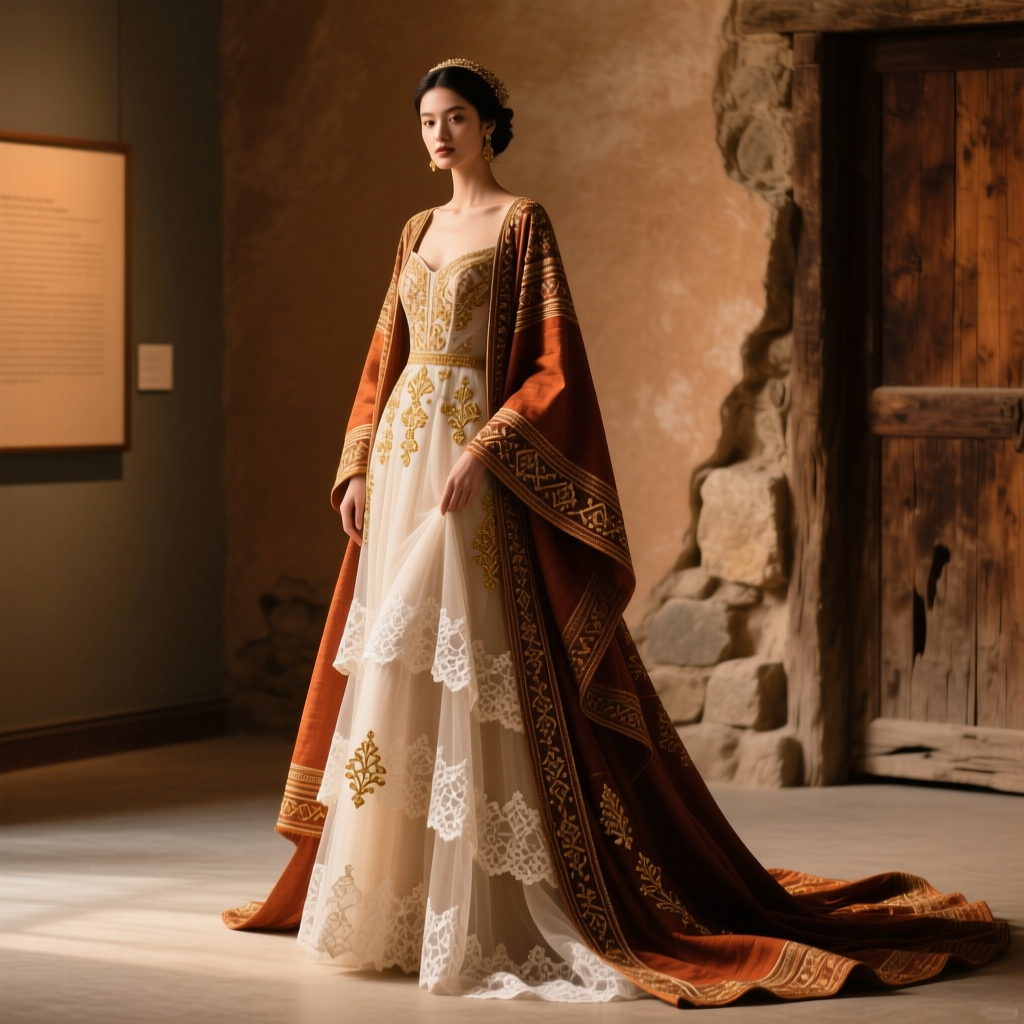
There is an undeniable magic in the air when a wedding invitation arrives. It signals a celebration of love, a gathering of community, and an opportunity to partake in a cherished cultural ritual. Yet, alongside the joy of the occasion comes the perennial sartorial dilemma: what to wear. In an era dominated by fleeting micro-trends and fast-fashion cycles, the appeal of a classic dress to wear to a wedding has never been stronger. A timeless garment transcends the ephemeral nature of seasonal fads, offering a sophisticated, elegant, and respectful nod to the gravity of the event.
At The Garment Atlas, we believe that clothing is a language. When you choose a classic dress, you are speaking a dialect of enduring elegance, respect for tradition, and refined personal taste. Whether you are attending a grand black-tie affair in a historic estate or an intimate garden ceremony, understanding the anatomy, styling, and heritage of the classic wedding guest dress is essential. This comprehensive guide will navigate you through the nuances of selecting a garment that ensures you look effortlessly chic while honoring the sanctity of the celebration.
Decoding the Dress Code: Occasions & Formality
The foundation of selecting the perfect classic dress lies in accurately interpreting the wedding dress code. A truly timeless piece is versatile, but its fabric weight, hemline, and embellishments must align with the formality of the event. Understanding wedding guest etiquette is just as important as understanding the garment itself.
Black Tie & White Tie
For the most formal of celebrations, the classic dress must exhibit grandeur and structural elegance. Floor-length gowns or sophisticated midi dresses crafted from luxurious textiles are paramount. Think heavy silk crepe, duchess satin, or intricate velvet for winter ceremonies. The silhouette should be refined—perhaps a column dress with a subtle cowl neck or an A-line gown with architectural draping. The goal is to evoke the glamour of old-world French couture heritage without overshadowing the bridal party.
Cocktail & Semi-Formal
The cocktail dress code is where the classic midi and knee-length dresses truly shine. This is the realm of the elegant sheath, the structured fit & flare, and the refined wrap dress. The classic cocktail dress balances comfort with sophistication, allowing for ease of movement on the dance floor while maintaining a polished aesthetic. Rich jewel tones, navy, and deep burgundies are excellent choices that photograph beautifully and exude a timeless charm.
Garden, Daytime & Destination
When the ceremony takes place under the sun, the classic dress adapts to embrace lightness and breathability. Flowing chiffon, lightweight linen blends, and soft silk georgette become the fabrics of choice. Floral prints, when rendered in classic, non-overpowering scales, can be highly appropriate. A classic slip dress layered with a tailored linen blazer or a sweeping tea-length dress with a cinched waist perfectly captures the romantic, airy essence of a daytime celebration.
Silhouettes & Fabrics: The Anatomy of a Classic Dress
The longevity of a classic dress is dictated by its silhouette and the quality of its textile. Trendy cutouts, extreme asymmetry, and heavy, unnatural embellishments often date a garment within a single season. Conversely, historically significant silhouettes and natural fibers ensure the dress remains a staple in your wardrobe for decades.
The Bias-Cut Slip Dress
Popularized in the 1930s and revived in the 1990s, the bias-cut slip dress is a masterclass in minimalist elegance. By cutting the fabric on the bias (at a 45-degree angle to the selvage), the garment drapes fluidly over the body, creating a sensual yet deeply sophisticated silhouette. When exploring our comprehensive guide to silk fabrics, you will find that silk charmeuse and heavyweight silk satin are the ideal mediums for this style. The bias cut requires precision tailoring, but the result is a dress that moves like water and flatters a multitude of body types.
The Structured A-Line
Tracing its modern popularity back to Christian Dior’s revolutionary New Look, the A-line silhouette remains a cornerstone of classic womenswear. Fitted at the bodice and gradually flaring out from the waist, this shape is universally flattering and inherently regal. For a wedding, an A-line dress in a matte crepe or a subtle jacquard offers a structured, polished look that is entirely appropriate for formal and semi-formal occasions. It provides the perfect canvas for a statement belt or a delicate sash.
The Elegant Wrap Dress
Immortalized by Diane von Furstenberg in the 1970s, the wrap dress is a triumph of American sportswear heritage. Its V-neckline, defined waist, and forgiving skirt make it an endlessly adaptable classic. For a wedding, elevate the traditional jersey wrap dress by opting for silk-blend georgettes or rich, jewel-toned velvets. The wrap dress is particularly suited for cocktail and semi-formal weddings, offering a blend of comfort and undeniable femininity.
Accessorizing with Elegance
A classic dress serves as a magnificent, unblemished canvas. The art of accessorizing lies in enhancing the garment without competing with it. The most stylish wedding guests understand the rule of balance: if the dress is simple, the accessories can provide a focal point; if the dress features intricate draping or a bold color, the accessories should recede.
Footwear
The classic pump, with a moderate heel and a pointed or almond toe, remains the undisputed champion of wedding guest footwear. Nude, black, or metallic leather pumps elongate the leg and complement virtually any hemline. For garden weddings where stilettos might sink into the grass, a classic block-heel sandal or an elegant velvet flat provides both practicality and style.
Jewelry & Metals
When adorning a classic dress, lean towards heritage pieces and timeless materials. Pearls, whether worn as a simple stud or a sweeping strand, convey a quiet luxury that pairs beautifully with silk and crepe. For a touch of vintage glamour, explore our vintage jewelry styling guide to discover how Art Deco brooches or mid-century drop earrings can elevate a minimalist sheath dress. Stick to one metal tone—either warm gold or cool silver—to maintain a cohesive, intentional look.
The Evening Bag
Leave the oversized tote at home. A classic wedding guest requires a structured clutch or a petite top-handle bag. Hard-shell minaudières in mother-of-pearl or sleek leather envelopes in complementary tones hold the essentials while maintaining the sleek lines of your silhouette.
Modern Adaptations of Timeless Classics
While the essence of a classic dress remains rooted in tradition, modern adaptations allow for personal expression and contemporary relevance. The key to modernizing a classic is to alter one element while keeping the foundational silhouette intact.
Consider the neckline. A traditional A-line dress can be updated with a modern square neckline or a sculptural halter, framing the face and collarbones in a way that feels fresh yet enduring. Similarly, sleeve treatments offer a way to adapt to the seasons and current sensibilities. A dramatic, leg-of-mutton sleeve crafted from sheer organza can transform a simple black crepe dress into a fashion-forward statement that still respects the boundaries of classic formalwear.
Furthermore, the modern classic dress is increasingly defined by its ethical origins. Discerning dressers are turning to sustainable textiles and deadstock fabrics. Choosing a garment crafted from peace silk, cupro, or responsibly sourced botanical dyes adds a layer of modern consciousness to your attire. It is a profound way to honor the earth while celebrating a union, aligning your sartorial choices with a forward-thinking, global perspective.
The Buying Guide: Investing in Your Wardrobe
Purchasing a classic dress to wear to a wedding should be viewed as an investment in your personal style archive. Unlike trend-driven pieces that are discarded after a single season, a well-chosen classic dress will serve you at countless galas, ceremonies, and formal dinners. Here is how to approach the acquisition process.
- Prioritize Fabric Quality: Always check the textile composition. Natural fibers like silk, wool crepe, and high-grade cotton blends drape better, breathe more comfortably, and age more gracefully than cheap synthetics. A 100% silk crepe de chine will look infinitely more luxurious than a polyester imitation.
- Examine the Lining: A hallmark of a high-quality classic dress is a proper lining. It protects the outer fabric from body oils, provides structural integrity, and ensures the dress hangs beautifully on the body. Avoid unlined dresses unless the fabric is exceptionally heavy and opaque.
- Budget for Tailoring: The most expensive dress will look inferior if it does not fit correctly, while a modestly priced classic dress will look bespoke if tailored to your exact measurements. Always factor the cost of hemming, taking in the waist, or adjusting the straps into your overall budget.
- Calculate Cost-Per-Wear: A classic navy midi dress may cost more upfront than a neon trend piece, but if you wear it to five different weddings, two anniversary parties, and a gallery opening over the next decade, the cost-per-wear drops to pennies. Invest in versatility.
- Assess the Hardware & Finishing: Look at the zippers, buttons, and seams. Invisible zippers should glide smoothly. Buttons should be securely attached, ideally with a shank to allow the fabric to lay flat. Seams should be finished cleanly, preferably with French seams or serged edges to prevent fraying over time.
Frequently Asked Questions
Can I wear a classic black dress to a wedding?
The old adage forbidding black at weddings is largely a relic of the past. In contemporary etiquette, a classic black dress is widely considered a chic, sophisticated, and entirely appropriate choice for evening, cocktail, and black-tie weddings. The secret to wearing black successfully is in the styling and the fabric. Opt for luxurious textures like velvet, heavy silk, or lace, and elevate the look with metallic accessories, a bold lip color, or statement jewelry to ensure the ensemble feels celebratory rather than somber.
What is the most universally flattering classic silhouette?
The wrap dress and the fit & flare (or A-line) silhouettes are widely regarded by stylists and designers as the most universally flattering. The wrap dress creates a natural V-neckline that elongates the torso and draws the eye upward, while the tied waist allows for customizable cinching. The fit & flare silhouette highlights the narrowest part of the body—the waist—while gently skimming over the hips and thighs, creating a balanced, hourglass illusion that suits a vast array of body types.
How do I transition a classic dress from day to evening?
Transitioning a classic dress from a daytime garden ceremony to an evening reception requires strategic accessory swaps. For the day, pair the dress with elegant block-heel sandals, a structured straw or leather tote, and minimal gold jewelry. As the sun sets and the evening festivities begin, swap the daytime bag for a sleek metallic clutch, change into a pair of refined stiletto pumps, and add a layer of drama with a darker lip color and a pair of chandelier earrings. A tailored blazer or a luxurious pashmina can also add evening-appropriate warmth and texture.
Should I avoid certain colors when wearing a classic dress?
Absolute avoidance is required for white, ivory, champagne, and any pale, washed-out shade that could be mistaken for the bride’s gown in photographs. Additionally, it is a mark of respect to avoid the specific colors worn by the bridal party if you are aware of them in advance. Beyond these boundaries, rich jewel tones, deep navy, classic black, and sophisticated floral prints are highly encouraged. When in doubt, consult the couple’s wedding website or reach out to the bridal party for guidance on the color palette.
How important is tailoring for a classic wedding guest dress?
Tailoring is the invisible force that elevates a garment from merely attractive to truly spectacular. A classic dress relies on clean lines and precise proportions. If the hemline drags, the waist gaps, or the shoulders slip, the timeless illusion is broken. Finding a trusted local tailor to adjust the hem to your exact heel height, take in the bodice, or shorten the straps is the most crucial step in the buying process. Bespoke-level fit is what makes a classic dress look as though it was designed exclusively for you.