Best Traditional Dresses for Women: A Complete Styling Guide

There is something profoundly powerful about slipping into a garment that carries centuries of history on its threads. Traditional dresses are more than clothing — they are living archives of culture, craftsmanship, and identity. Whether you are drawn to the flowing elegance of a South Asian saree, the structured grace of a West African boubou, or the intricate embroidery of a Mexican huipil, traditional garments offer women a way to celebrate heritage while expressing personal style in a modern world.
Yet styling traditional dress can feel daunting, especially when you want to honor the garment's origins while making it feel fresh and relevant. This guide explores the best traditional dresses for women across cultures, offering practical styling advice, accessory pairings, occasion guidance, and tips for embracing modern adaptations without losing authenticity. Whether you are preparing for a cultural celebration, a wedding, or simply want to weave heritage into your everyday wardrobe, you will find inspiration and direction here.
For a deeper dive into specific garment histories and construction techniques, explore our complete garment guides and cultural heritage collection.
Timeless Traditional Dresses Every Woman Should Know
The world is rich with traditional garments that have stood the test of time, each telling a unique story through fabric, silhouette, and embellishment. Understanding these foundational pieces is the first step toward styling them with confidence and respect.
The Saree (South Asia)
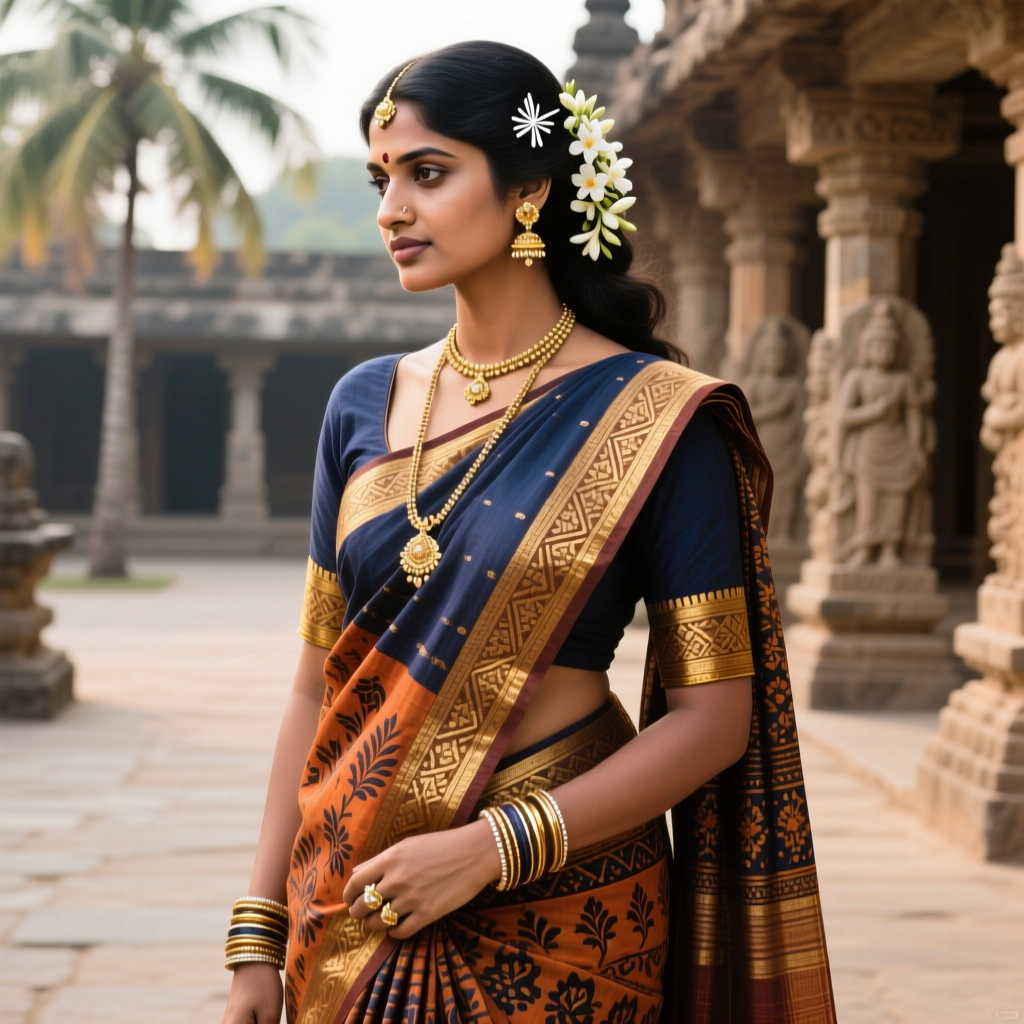
Few garments are as versatile and iconic as the saree. This unstitched length of fabric — typically ranging from five to nine yards — can be draped in over a hundred distinct regional styles. From the elegant Nivi drape of Andhra Pradesh to the structured Gujarati style with its front-facing pallu, the saree adapts to the wearer's body, mood, and occasion. Silk sarees like Kanjeevaram and Banarasi remain perennial favorites for weddings and festivals, while lightweight cotton and linen sarees work beautifully for everyday wear. Learn more about draping traditions in our saree draping guide.
The Kimono (Japan)
The Japanese kimono is a masterclass in structured elegance. Characterized by its T-shaped silhouette, wide sleeves, and obi sash, the kimono communicates formality, season, and social context through its fabric choices and motifs. Furisode kimonos with their long, flowing sleeves are worn by unmarried women at coming-of-age ceremonies, while the more subdued iromuji suits tea ceremonies and formal gatherings. Modern styling often pairs simplified kimono-inspired jackets with tailored trousers for a contemporary fusion look.
The Dirndl (Central Europe)
Originating in the Alpine regions of Austria and Bavaria, the dirndl is a three-piece ensemble consisting of a fitted bodice, full skirt, and apron. Once considered rural workwear, it has evolved into a beloved festive garment worn at Oktoberfest, weddings, and folk celebrations throughout the year. The placement of the apron bow traditionally signals the wearer's relationship status — a charming detail that adds narrative depth to this already characterful garment.
The Boubou and Kaftan (West Africa & North Africa)
The boubou (also called the grand boubou or agbada for women) is a flowing, wide-sleeved robe that exudes regal sophistication. Often made from richly dyed or embroidered fabrics like bazin, silk, or wax-printed cotton, the boubou is a statement garment worn at weddings, religious celebrations, and state occasions across West Africa. Similarly, the Moroccan kaftan — with its tailored bodice, intricate sfifa braiding, and delicate buttonwork — represents the pinnacle of North African sartorial artistry. Explore more about these magnificent garments in our African textile traditions feature.
The Huipil and Traje (Latin America)
The huipil is a hand-woven, embroidered tunic worn by Indigenous women across Mexico and Central America. Each region's huipil carries distinct symbols, colors, and weaving techniques that communicate community identity, cosmology, and personal history. In Guatemala, the complete traje — consisting of a huipil and corte (wrap skirt) — represents one of the most vibrant and symbolically rich traditional dress systems still actively worn today.
The Hanbok (Korea)
Korea's hanbok is defined by its graceful lines and vivid color palette. The women's hanbok consists of a short jacket (jeogori) and a full, high-waisted skirt (chima) that creates a beautiful bell-like silhouette. Traditionally worn during Chuseok, Seollal, and weddings, the hanbok has experienced a renaissance in recent years, with contemporary designers reimagining it in modern fabrics and shortened proportions that work for everyday occasions.
Styling Traditional Dresses for Modern Occasions
One of the most common questions women ask is how to wear traditional dress in a way that feels both authentic and contemporary. The answer lies in thoughtful styling that respects the garment's heritage while adapting it to your personal aesthetic and the occasion at hand.
Formal Events and Weddings
For formal occasions, lean into the full grandeur of your traditional garment. A heavily embroidered Banarasi silk saree paired with temple jewelry and fresh jasmine in your hair creates an unforgettable presence at a wedding. Similarly, a floor-length Moroccan kaftan with metallic sfifa detailing and matching heels commands attention at any black-tie event. The key is to let the garment be the focal point — keep accessories complementary rather than competing.
When attending multicultural events where you want to honor your heritage while fitting into a Western formal dress code, consider fusion styling. A structured kimono jacket over a sleek midi dress, or a simplified hanbok-inspired top paired with a high-waisted pencil skirt, bridges both worlds beautifully. Our fusion fashion guide offers more ideas for blending traditions.
Professional and Workplace Settings
Traditional dress absolutely belongs in professional environments. A well-tailored salwar kameez in muted tones, a streamlined cheongsam (qipao) in solid silk, or a modest African print shift dress all communicate professionalism while celebrating cultural identity. The trick is to choose structured fabrics, clean lines, and minimal embellishment for office-appropriate styling. Pair with classic pumps and a structured handbag to anchor the look in a professional context.
Casual and Everyday Wear
Many traditional garments translate beautifully into everyday wardrobes. Cotton sarees, simple dirndl skirts, African print wrap dresses, and embroidered huipil tops can all be integrated into casual outfits with ease. Pair a short kurta with jeans, style a batik sarong as a beach cover-up, or layer a kimono-inspired cardigan over a basic tee and trousers. The goal is to make traditional dress a living, breathing part of your daily life rather than reserving it solely for special occasions.
Festivals and Cultural Celebrations
When attending cultural festivals, this is the moment to embrace maximalism. Layer your traditional dress with all its intended accessories — the matching headwrap, the ceremonial jewelry, the hand-embroidered shawl. These occasions are designed for the full expression of cultural dress, and wearing your garment completely and correctly is a form of respect and celebration. If you are attending a celebration from a culture not your own, research appropriate styles and consider supporting artisans from that community when purchasing your outfit.
Accessorizing Traditional Dresses: The Finishing Touches
Accessories can elevate a traditional dress from beautiful to breathtaking — or overwhelm it entirely. The art lies in understanding which pieces complement your garment and which detract from its inherent beauty.
Jewelry Pairings
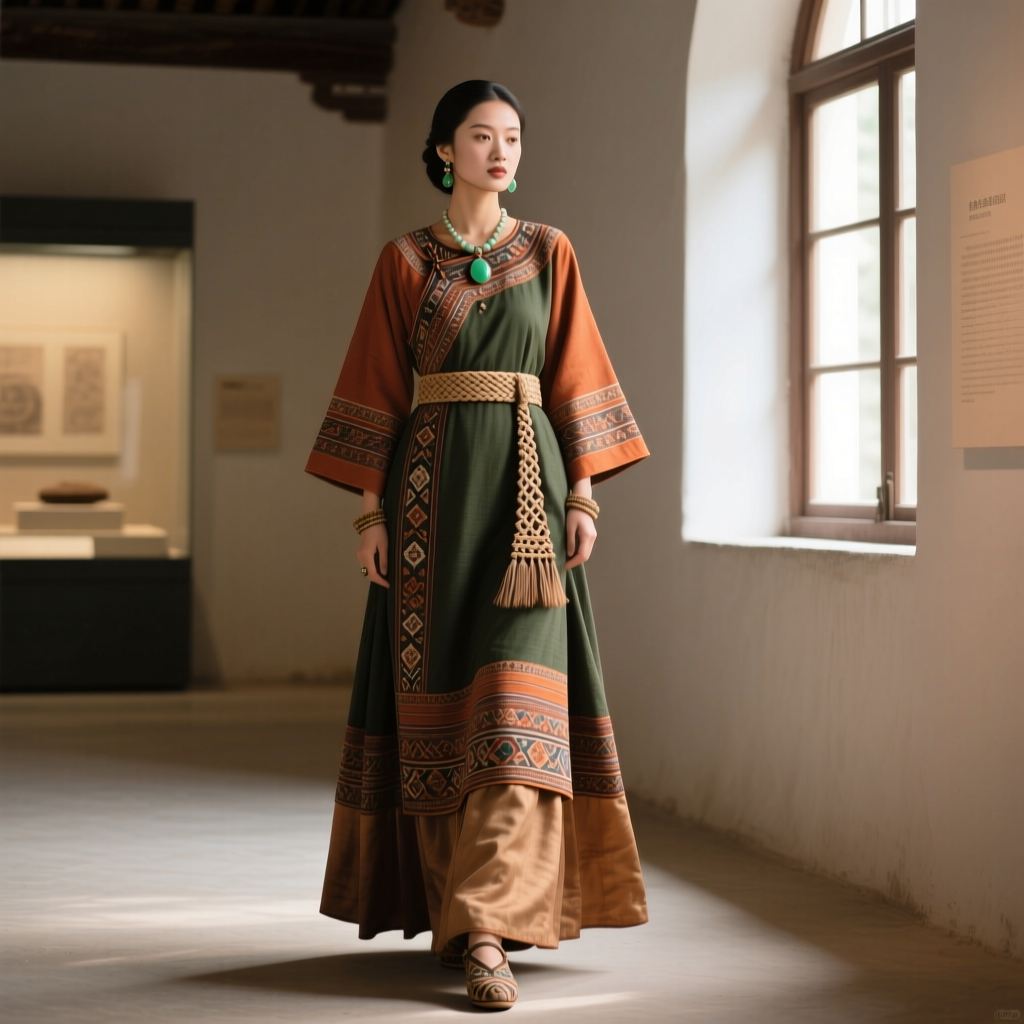
Match the weight and formality of your jewelry to your garment. Heavy silk sarees and ornate kaftans pair beautifully with substantial gold or oxidized silver jewelry — think jhumka earrings, statement necklaces, and stacked bangles. Lighter cotton garments call for more delicate pieces: thin chains, small studs, and simple bracelets. For East Asian traditional dress like the cheongsam or hanbok, jade pendants, pearl earrings, and ornamental hair pins are classic choices that honor the garment's aesthetic tradition.
Avoid mixing too many metallic tones or jewelry styles from different cultural traditions in a single outfit — this can create visual clutter and dilute the cultural coherence of your look.
Footwear Choices
Footwear can make or break a traditional outfit. Embroidered juttis and mojris are ideal companions for South Asian dress, while sleek heels or embellished sandals suit the cheongsam and kaftan. For the dirndl, traditional Haferl shoes or elegant ankle boots maintain the Alpine aesthetic. In many cases, you can also pair traditional dress with modern minimalist footwear — a clean white sneaker with a casual African print dress, for example, creates an effortlessly cool contemporary look.
Head Coverings and Hair Accessories
Many traditional dress systems include specific head coverings or hair accessories as integral components. The gele (headwrap) is essential to many Nigerian traditional outfits, while the dupatta serves both modesty and decorative functions in South Asian dress. Korean hair pins (binyeo) and Central European floral crowns complete their respective traditional ensembles. When styling your outfit, research whether a head covering or specific hairstyle is traditionally paired with your garment — including these elements demonstrates cultural awareness and adds authenticity.
Bags and Clutches
Choose bags that complement rather than compete with your traditional dress. A beaded clutch, embroidered potli bag, or structured leather handbag in a coordinating color works well for most formal traditional outfits. For everyday styling, a simple crossbody bag or woven tote keeps the look grounded and practical. Discover more accessory pairing strategies in our accessory pairing guide.
Modern Adaptations: Honoring Heritage While Embracing Innovation
Traditional dress is not static — it has always evolved alongside the cultures that create it. Today's designers and wearers continue this tradition of innovation, finding ways to make heritage garments relevant for contemporary life while preserving their essential character.
Contemporary Silhouettes
Many designers are reimagining traditional garments in modern silhouettes. Shortened hanbok skirts that hit above the knee, saree-gowns that combine draping with Western gown construction, and kaftan-inspired maxi dresses with contemporary necklines all represent thoughtful adaptations. The key to successful modernization is retaining recognizable elements — the hanbok's curved sleeve line, the saree's pallu drape, the kaftan's loose silhouette — while updating proportions and construction for modern bodies and lifestyles.
Fabric Innovation
Traditional garments were originally made from locally available natural fibers, and modern fabric technology offers exciting possibilities for updating these pieces. Performance blends that resist wrinkling, sustainable organic cottons that mimic the hand-feel of heritage textiles, and digitally printed fabrics that reproduce traditional patterns with less water waste are all emerging options. When choosing modern fabrics for traditional styles, prioritize those that maintain the drape, weight, and movement characteristics of the original material.
Cross-Cultural Fusion
Fusion styling — combining elements from different sartorial traditions — requires sensitivity and knowledge. The most successful fusion looks come from a place of genuine understanding rather than superficial borrowing. If you are drawn to a garment from a culture outside your own, take time to learn about its significance, support artisans and designers from that community, and wear the garment in contexts where it is appropriate. Our guide to cultural appreciation explores this important topic in depth.
Sustainable and Ethical Considerations
Traditional dress is inherently aligned with many principles of sustainable fashion. These garments are typically made to last, often handcrafted using techniques passed down through generations, and frequently produced by small-scale artisans rather than fast-fashion factories. When purchasing traditional dress, seek out authentic makers and cooperatives that fairly compensate artisans. Investing in a single, beautifully made traditional garment is both a style statement and an act of cultural preservation. Browse our artisan cooperative directory for vetted sources.
Buying Guide: How to Choose and Purchase Traditional Dresses
Investing in traditional dress is a meaningful decision, and making the right choice requires attention to quality, authenticity, fit, and occasion. Use this buying guide to navigate your purchase with confidence.
Assess Quality and Craftsmanship
Examine the fabric weight, weave consistency, and finishing details. Hand-embroidered pieces should show slight variations that indicate genuine handwork rather than machine replication. Seams should be clean and reinforced. For printed fabrics, check that patterns align at seam lines and that colors are vibrant and evenly distributed. Ask sellers about the origin of the garment, the techniques used, and the artisan community involved in its creation.
Understand Sizing and Fit
Traditional garments often use different sizing systems than Western ready-to-wear. Many are designed to be custom-fitted or adjusted through draping, wrapping, or tying. When purchasing online, provide accurate measurements and consult the seller's size guide carefully. For garments like the cheongsam or dirndl bodice that require precise fit, budget for professional alterations. A well-fitted traditional garment will feel comfortable and look polished — never settle for a poor fit simply because the garment is beautiful.
Set a Realistic Budget
Authentic traditional dress made by skilled artisans commands fair prices. A hand-woven silk saree, a hand-embroidered huipil, or a bespoke kaftan represents dozens or even hundreds of hours of labor. Set your budget accordingly and view your purchase as an investment in both your wardrobe and in the preservation of cultural craft. If budget is a concern, consider starting with simpler, everyday versions of traditional garments — a cotton kurta or a basic African print skirt — and building your collection over time.
Where to Buy
The best sources for authentic traditional dress include direct-from-artisan marketplaces, specialized boutiques, cultural cooperatives, and reputable online retailers with transparent sourcing practices. Avoid mass-market retailers selling poorly made imitations of traditional garments, as these often exploit cultural designs without benefiting the communities that originated them. Local cultural festivals and community markets are also excellent places to find authentic pieces while supporting makers directly. Visit our trusted retailer guide for recommended sources.
Care and Maintenance
Traditional garments often require specialized care. Silk sarees and kaftans may need dry cleaning, while hand-embroidered pieces should be gently hand-washed in cool water with mild detergent. Store traditional garments folded with acid-free tissue paper, or hung on padded hangers to maintain their shape. Keep them away from direct sunlight to prevent fading. Proper care ensures your traditional dress will last for decades and can be passed down as a cherished heirloom.
Frequently Asked Questions
Can I wear traditional dress from a culture that is not my own?
Yes, but with intentionality and respect. Research the garment's cultural significance, purchase from artisans within that community, and wear it in appropriate contexts. Attending a cultural celebration, a friend's wedding, or a community festival are generally welcoming contexts. Avoid wearing sacred or ceremonial garments without understanding their meaning, and never treat traditional dress as a costume. When in doubt, ask members of that community for guidance — most people appreciate genuine interest in their heritage.
How do I style traditional dress for a Western formal event?
Choose a traditional garment in luxurious fabric with refined embellishment, and pair it with elegant accessories that complement rather than compete. A silk saree, a beaded kaftan, or a tailored cheongsam all work beautifully at black-tie events. Keep hair and makeup polished, choose sophisticated footwear, and carry a structured clutch. The richness of traditional textiles and craftsmanship often makes these garments more striking than standard Western formalwear.
What is the best traditional dress for everyday wear?
The best everyday traditional dress depends on your climate, lifestyle, and personal comfort. Lightweight cotton sarees, simple kurta sets, African print wrap skirts, and casual kimono jackets are all excellent choices for daily wear. Look for breathable fabrics, easy-care construction, and versatile colors that integrate with your existing wardrobe. Start with one or two pieces and experiment with different styling combinations until you find what feels natural and comfortable.
How can I ensure I am buying authentic traditional dress?
Authenticity comes from sourcing. Buy directly from artisans, cooperatives, or reputable retailers who can tell you where and how the garment was made. Look for indicators of genuine handwork: slight imperfections in embroidery, hand-loomed fabric texture, and natural dye variations. Ask about the techniques used and the artisan community involved. Be wary of prices that seem too low — authentic handcrafted garments reflect the true cost of skilled labor and quality materials.
How do I care for delicate traditional garments with embroidery or beadwork?
Handle embroidered and beaded garments with extra care. Turn them inside out before washing, use cold water and a gentle detergent, and never wring or twist the fabric. Lay flat to dry away from direct sunlight. For heavily embellished pieces, professional dry cleaning is often the safest option. Store these garments flat or on wide, padded hangers to prevent beads and threads from catching or stretching. Inspect embellishments periodically and repair loose threads or beads promptly to prevent further damage.
Traditional dress represents one of the most beautiful intersections of fashion, culture, and personal identity. By choosing these garments thoughtfully, styling them with care, and wearing them with pride, you participate in a global tradition of craftsmanship and storytelling that spans centuries. Whether you are honoring your own heritage or respectfully embracing another culture's sartorial gifts, the best traditional dress for you is one that makes you feel connected, confident, and unmistakably yourself.
Continue exploring the world of heritage fashion through our style archive and discover more guides to dressing with intention, authenticity, and cultural awareness.