Kerala Traditional Dress: A Complete Guide
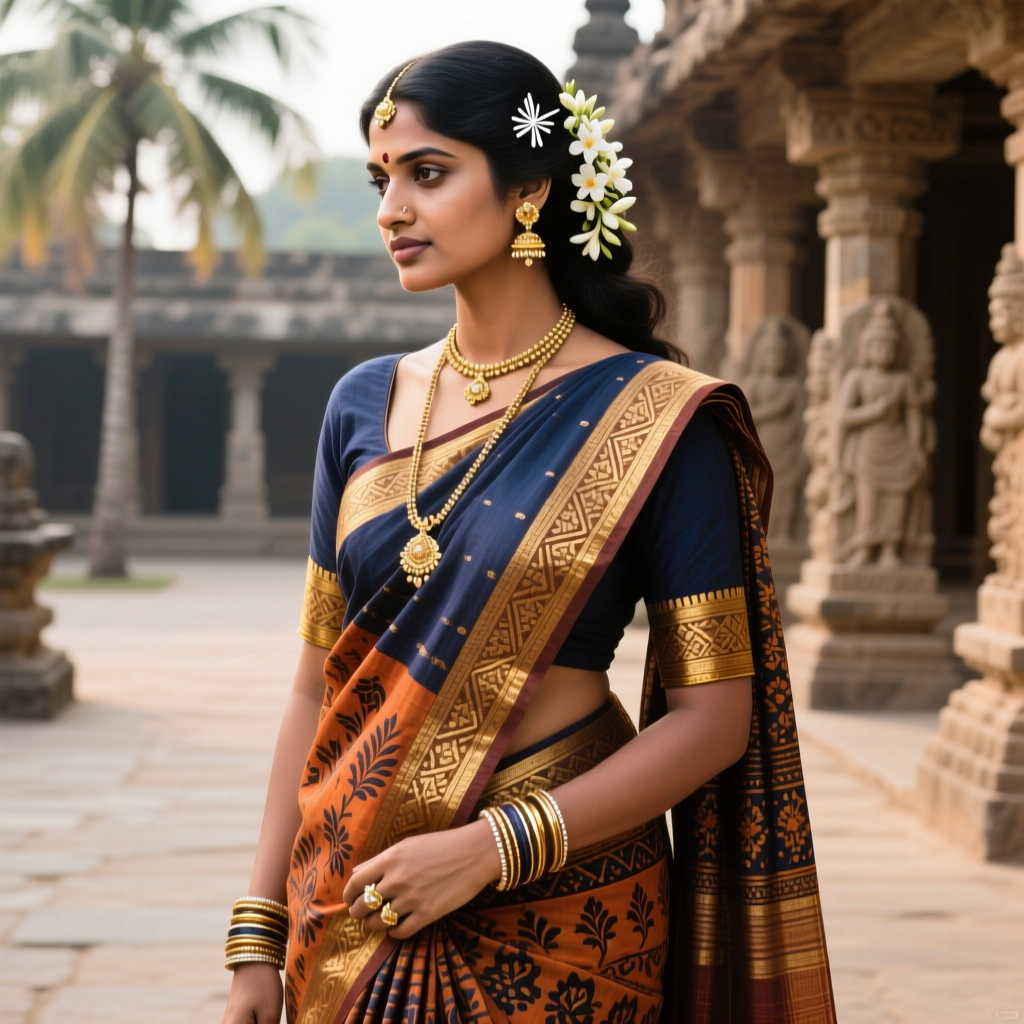
Nestled on the southwestern coast of India, Kerala is a land of lush backwaters, serene beaches, and a rich cultural tapestry. Beyond its breathtaking landscapes, the state is globally recognized for the understated yet profound elegance of its traditional clothing. Unlike the heavily embroidered and vibrantly hued garments found in other parts of the subcontinent, traditional dress wear in Kerala champions minimalism, comfort, and a deep connection to nature. The iconic cream and gold palette reflects the tropical warmth and the regal history of the region. Whether you are attending a grand wedding, participating in a harvest festival, or simply exploring South Indian textiles, understanding the nuances of Kerala's attire is essential for any fashion enthusiast. This comprehensive guide will walk you through the history, styling, and modern evolution of Kerala's traditional garments, ensuring you look impeccable while honoring centuries of heritage.
The Foundation: Understanding Kerala's Traditional Garments
To truly appreciate the styling possibilities, one must first understand the foundational garments that define the region's sartorial identity. For women, the quintessential attire is the Mundum Neriyathum, the ancient precursor to the modern saree. This two-piece garment consists of the mundu (the lower garment wrapped around the waist) and the neriyathum (the upper garment draped over the blouse and shoulder). When woven with a distinctive gold or copper-colored border known as kasavu, it becomes the celebrated Kasavu saree. The pristine white or off-white cotton base is perfectly suited for the humid, tropical climate of the Malabar coast.
For men, the traditional attire is equally grounded in simplicity and grace. The men's mundu (often referred to as a veshti or dhoti in other regions) is a rectangular piece of unstitched white cotton cloth wrapped around the waist. For formal occasions, men pair this with a mel mundu or a neriyathu draped over the shoulder, or opt for a tailored silk shirt. The beauty of these garments lies in their unstitched nature, a hallmark of ancient Indian clothing that prioritizes breathability and fluid movement. For a deeper dive into unstitched garments, explore our complete guide to saree draping styles and regional variations.
Styling Tips for the Perfect Kerala Look
Styling a Kerala saree or mundu requires a delicate balance between respecting tradition and expressing personal flair. The most critical element is the drape. The traditional Malayali drape involves pleating the lower mundu neatly at the front, allowing the kasavu border to fall straight and unbroken. The upper neriyathum is then tucked into the petticoat and draped diagonally across the torso, securing it over the left shoulder.
The choice of blouse dramatically alters the overall aesthetic. Traditionally, women paired the Kasavu saree with a matching cream or gold blouse, often featuring a subtle kasavu border on the sleeves. However, contemporary styling encourages bold contrasts. A deep emerald green, royal blue, or maroon silk blouse can create a striking visual contrast against the pale cream canvas of the saree. You can also experiment with necklines and sleeve lengths; a high-neck, sleeveless blouse offers a chic, modern silhouette, while a traditional short-sleeved blouse with a golden border maintains a classic, timeless appeal.
For men, styling the mundu involves mastering the fold. The casual fold involves hitching the lower half of the mundu up to the knees for ease of movement, while the formal drape requires the cloth to fall straight to the ankles, paired with a crisp, light-colored linen or silk shirt. Adding a traditional angavastram (shoulder cloth) with a matching gold border elevates the ensemble for ceremonial events.
Essential Accessories to Elevate Your Attire
No traditional Kerala ensemble is complete without the right accessories, which serve to highlight the minimalist beauty of the garments. Jewelry in Kerala is heavily inspired by temple architecture and nature, typically crafted in rich, matte yellow gold. The Mullamottu (jasmine bud necklace), Nagapadam (serpent hood pendant), and Elakkathali (leaf necklace) are iconic pieces that instantly authenticate a traditional look. When wearing a Kasavu saree, layering a medium-length gold necklace with matching Jhumkas (bell-shaped earrings) provides the perfect amount of opulence without overwhelming the outfit.
Hair accessories play an equally vital role. A fresh string of fragrant jasmine flowers, known locally as mulla poo, woven into a traditional bun or a long braid is non-negotiable for festive occasions. The scent of jasmine combined with the visual purity of the cream and gold attire creates a deeply sensory experience.
Footwear should remain understated. Embroidered mojaris or simple leather sandals in neutral tones like tan, brown, or gold complement the outfit beautifully. Avoid overly flashy or heavily embellished shoes, as they clash with the inherent subtlety of Kerala's traditional wear. To discover more about pairing jewelry with regional attire, visit our Indian jewelry pairing guide.
Occasions for Traditional Kerala Wear
The versatility of Kerala's traditional dress wear makes it appropriate for a wide array of events, though it truly shines during cultural and religious festivities. The most prominent occasion is Onam, the grand harvest festival. During Onam, it is customary for families to don new traditional attire, known as Onakkodi. The sight of thousands of people in pristine white and gold against the backdrop of vibrant floral carpets (pookalam) is a testament to the garment's enduring cultural significance.
Similarly, Vishu, the Malayalam New Year, calls for traditional Kasavu attire as families gather to view the Vishukkani (the auspicious first sight of the year). Weddings in Kerala also heavily feature these garments. While brides may opt for heavy Kanjeevaram silk sarees for the main ceremony, the reception and pre-wedding rituals often see the bride and groom in exquisite, heavily bordered Kasavu sets.
Temple visits are another occasion where traditional wear is not just preferred but often mandated. The strict dress codes of ancient Kerala temples require men to wear mundus (without shirts in some inner sanctums) and women to wear sarees or mundum neriyathum, ensuring a uniform atmosphere of reverence and humility. For more inspiration on dressing for cultural celebrations, browse our collection of festive Indian wear.
Modern Adaptations: Blending Heritage with Contemporary Fashion
While the traditional Mundum Neriyathum remains a cultural staple, the modern fashion landscape has embraced the Kasavu aesthetic, reimagining it for the global wardrobe. Designers and everyday fashion lovers alike are experimenting with the iconic cream and gold palette, translating it into silhouettes that suit contemporary lifestyles.
One of the most popular modern adaptations is the Kasavu lehenga. By utilizing the traditional cotton or silk fabric with the golden border, designers create flared skirts paired with crop tops and sheer dupattas, offering a youthful, festive alternative to the classic saree. Another trend is the Indo-Western fusion gown, where the structured bodice of a Western evening gown meets the flowing, kasavu-bordered drape of a saree, resulting in a garment perfect for cocktail parties and global galas.
Even everyday wear has seen a Kasavu influence. Cotton kurtas, palazzo pants, and maxi dresses featuring subtle golden borders are increasingly popular for office wear and casual outings. These adaptations ensure that the heritage of Kerala's textiles remains relevant and accessible to younger generations who seek to honor their roots without compromising on modern comfort and style. Explore more ways to blend tradition with modernity in our Indo-Western fusion styling guide.
The Ultimate Buying Guide for Kerala Traditional Wear
Investing in authentic Kerala traditional wear requires a discerning eye, especially given the influx of mass-produced imitations. When purchasing a Kasavu saree or mundu, the first step is to verify the authenticity of the zari (the metallic thread used for the border). Traditional Kerala Kasavu uses pure gold or silver zari, or high-quality tested copper zari, which has a distinct, soft luster. Imitation zari often appears overly shiny, plasticky, and may tarnish quickly.
Look for the Handloom Mark and the Geographical Indication (GI) tag, which certify that the garment was woven on a handloom in the specific regions of Kerala, such as Balaramapuram or Chendamangalam. These regions are world-renowned for their fine cotton counts and superior weaving techniques.
When considering the fabric, pay attention to the thread count. A higher thread count (such as 80s or 100s cotton) results in a softer, more breathable, and highly durable garment. For silk variants, ensure the silk is pure mulberry silk, which drapes beautifully and holds the heavy kasavu border without tearing.
Price points can vary significantly. A basic cotton Kasavu saree with imitation zari might be quite affordable, while a masterfully woven handloom saree with pure zari and intricate woven motifs (like the chakram or peacock) can be a significant investment. Always purchase from reputed cooperatives, established heritage boutiques, or verified weavers to ensure your money supports the artisan communities keeping this ancient craft alive.
Frequently Asked Questions
What is the difference between a Kasavu saree and a Mundum Neriyathum?
The Mundum Neriyathum is the traditional two-piece garment consisting of a lower wrap (mundu) and an upper drape (neriyathum). A Kasavu saree is the modern, single-piece evolution of this two-piece set, featuring the same cream base and golden border but woven as a continuous six-yard cloth. While the terms are often used interchangeably in modern retail, purists distinguish them by their structure and traditional draping methods.
Can non-Malayalis wear traditional Kerala attire?
Absolutely. Indian traditional wear is celebrated for its inclusivity. Wearing a Kasavu saree or a mundu is widely appreciated as a sign of respect for the local culture, especially if you are attending a Malayali wedding, visiting a temple in Kerala, or participating in an Onam celebration. The key is to wear it with respect and ensure the draping is modest and culturally appropriate.
How do I care for and wash my Kerala cotton and Kasavu garments?
Handloom cotton and delicate zari require gentle care. Always dry clean your Kasavu sarees and mundus to preserve the luster of the golden border and prevent the cotton from shrinking or bleeding color. If you must wash a plain cotton mundu at home, use a mild detergent, wash in cold water, and avoid wringing the fabric. Never use harsh bleach or chemical stain removers, and always dry the garments in the shade to prevent the white cotton from yellowing in direct sunlight.
What colors are traditionally paired with Kerala sarees?
Traditionally, the blouse paired with a Mundum Neriyathum or Kasavu saree matches the base color (cream or off-white) and features a matching golden border. However, in contemporary styling, rich, jewel-toned colors are highly favored. Deep reds, emerald greens, royal blues, and mustard yellows create a beautiful contrast. Black is generally avoided for religious and auspicious occasions, though it is increasingly accepted in modern, secular fashion contexts.
Is it appropriate to wear a Mundu to a formal corporate event?
In Kerala, the mundu is considered highly respectable and is frequently worn by politicians, academics, and business leaders to formal events. However, in a standard corporate environment outside of South India, it might be viewed as unconventional. If you wish to incorporate the aesthetic into a corporate setting, consider a tailored Indo-Western jacket made from Kasavu fabric, or pair a crisp, high-quality white mundu with a formal blazer and dress shoes for a distinguished, culturally rooted power-look.