Best Traditional Dress for Women Guide
Best Traditional Dress for Women Near Me: A Complete Styling & Shopping Guide
There is something profoundly powerful about wearing a garment that carries centuries of cultural heritage on its sleeves — literally. Traditional dresses for women are far more than clothing; they are living expressions of identity, artistry, and community. Whether you have recently moved to a new city and are searching for ways to reconnect with your roots, or you are simply captivated by the elegance of global fashion traditions, finding the best traditional dress for women near you can feel like both an exciting adventure and a daunting challenge.
The good news? No matter where you live, authentic traditional garments are more accessible than ever. From bustling multicultural neighborhoods to online artisan marketplaces, options abound for women who want to wear their heritage with pride — or explore a new culture with respect and admiration. This guide will walk you through everything you need to know: how to style traditional dresses for modern life, which accessories complete the look, where to shop locally, and how to honor the cultural significance behind every stitch.
If you are new to exploring cultural fashion, our guide to understanding cultural heritage clothing offers a wonderful starting point for appreciating the stories woven into traditional garments around the world.
Exploring Popular Traditional Dresses for Women Around the World
Before you begin your local search, it helps to understand the rich landscape of traditional women's clothing from various cultures. Each garment tells a unique story about geography, climate, social structure, and artistic tradition. Here are some of the most beloved and widely available traditional dresses you might find in your area.
The Saree & Salwar Kameez (South Asia)
The saree is arguably one of the most iconic traditional garments in the world — a single, unstitched length of fabric (typically five to nine yards) draped elegantly around the body. Originating from the Indian subcontinent, the saree varies enormously by region: the Banarasi silk saree from Varanasi features opulent gold brocade, while the Kanjeevaram from Tamil Nadu is known for its vibrant contrasting borders. The salwar kameez, consisting of a tunic (kameez), trousers (salwar), and scarf (dupatta), offers a more relaxed yet equally elegant alternative. Both garments are widely available in cities with South Asian communities, and our saree draping styles guide can help you master the art of wearing one.
The Qipao / Cheongsam (East Asia)
The qipao, also known as the cheongsam, is a form-fitting dress that originated in 1920s Shanghai. Characterized by its high mandarin collar, asymmetric front closure with decorative frog buttons, and knee-to-ankle length hem, the qipao is a masterclass in understated elegance. Modern versions range from short cocktail styles to full-length formal gowns, often crafted from silk, brocade, or embroidered satin. Look for Chinese cultural districts or specialty boutiques in major metropolitan areas to find authentic, well-crafted pieces.
The Dirndl (Central Europe)
Hailing from Bavaria, Austria, and surrounding Alpine regions, the dirndl is a charming ensemble consisting of a fitted bodice, blouse, full skirt, and apron. Once everyday workwear for Alpine women, it has become a celebrated symbol of Central European heritage, worn at festivals, weddings, and cultural gatherings. The way the apron bow is tied traditionally signals the wearer's marital status — a delightful detail that speaks to the garment's deep cultural roots.
The Kimono & Yukata (Japan)
The kimono is a T-shaped, full-length robe with wide sleeves, secured by an obi sash. While formal kimono are elaborate and often hand-painted or woven with intricate patterns, the yukata is a lighter, cotton version worn during summer festivals and casual occasions. Both garments emphasize grace, posture, and the beauty of seasonal motifs. Japanese cultural centers and specialty import shops are your best local resources for finding authentic kimono and yukata.
The Kaftan & Abaya (Middle East & North Africa)
The kaftan is a flowing, ankle-length robe with wide sleeves, worn across the Middle East, North Africa, and parts of Central Asia. Often made from luxurious fabrics like silk, satin, or fine cotton, kaftans feature elaborate embroidery, beadwork, or metallic thread detailing. The abaya, a long, flowing outer garment, is particularly prominent in Gulf countries and is increasingly embraced as a fashion statement worldwide. Both pieces are celebrated for their comfort, modesty, and breathtaking craftsmanship.
The Huipil & Traje (Latin America)
The huipil is a traditional blouse or tunic worn by Indigenous women across Mexico and Central America. Each huipil is handwoven on a backstrap loom and features patterns specific to the wearer's community, making every piece a unique work of art. In Guatemala, the complete traditional outfit — known as the traje — includes the huipil, a woven skirt (corte), and a sash (faja). These garments represent some of the most sophisticated textile traditions in the Americas.
For a deeper exploration of these and many more garments, visit our comprehensive garment guides library, where each piece is documented with its history, construction details, and cultural significance.
Styling Traditional Dresses for Modern Occasions
One of the most common questions women ask is: "How do I wear a traditional dress without looking like I'm wearing a costume?" The answer lies in thoughtful styling that bridges heritage and contemporary fashion. Traditional garments can absolutely be worn in everyday life, at the office, to dinner parties, and at formal events — it is all about how you style them.
For Casual & Everyday Wear
Lighter, simpler traditional garments are perfect for daily wear. A cotton salwar kameez paired with flat sandals and minimal jewelry creates a comfortable yet polished look. A yukata can be styled with modern sneakers for a playful fusion outfit. The key is to choose fabrics and patterns that feel relaxed and to keep accessories understated. A simple tote bag and stud earrings are often all you need.
For the Workplace
Traditional dresses can be beautifully appropriate for professional settings when chosen with care. A well-tailored qipao in a solid, muted color reads as sophisticated and powerful. A knee-length kaftan in structured fabric paired with a blazer creates a striking office ensemble. Avoid overly ornate embroidery or loud patterns for conservative workplaces, and opt for clean lines and refined fabrics. Our guide to professional cultural dress codes offers additional tips for navigating workplace fashion with traditional garments.
For Weddings & Formal Events
This is where traditional dresses truly shine. A heavily embroidered Banarasi saree, a floor-length beaded kaftan, or a silk kimono with hand-painted motifs are showstopping choices for weddings, galas, and formal celebrations. Pair these statement pieces with heirloom-quality jewelry, an elegant clutch, and heels that complement the garment's color palette. Do not be afraid to go maximalist — formal occasions are the perfect setting to showcase the full splendor of traditional craftsmanship.
For Cultural Festivals & Community Gatherings
When attending cultural festivals, religious ceremonies, or community events, wearing a traditional dress is not just appropriate — it is celebrated. This is the time to wear the most authentic version of the garment you can find, styled according to cultural conventions. Research the proper way to drape, tie, or accessorize the piece, and do not hesitate to ask elders or community members for guidance. Wearing a traditional garment at a cultural event is a beautiful act of participation and respect.
Accessorizing Your Traditional Dress: The Finishing Touches
Accessories are what transform a traditional dress from beautiful to breathtaking. However, the wrong accessories can clash with or diminish the garment's impact. Here is how to get it right.
Jewelry
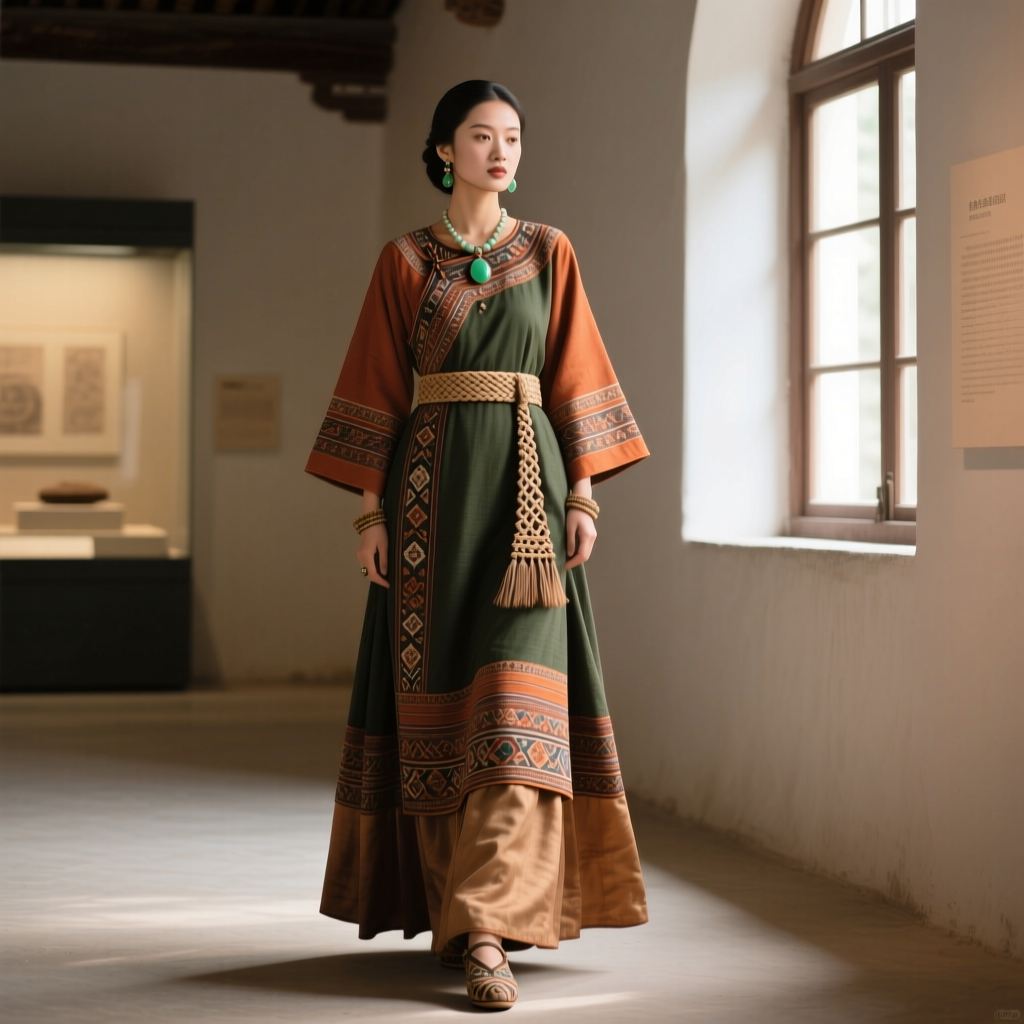
Match your jewelry to the cultural origin of your dress for the most harmonious look. South Asian garments pair beautifully with jhumka earrings, bangles, and statement necklaces in gold or oxidized silver. East Asian dresses often look best with jade pendants, pearl earrings, or delicate hair ornaments. Middle Eastern kaftans are complemented by bold gold cuffs, chandelier earrings, and layered necklaces. When in doubt, choose one statement piece and keep everything else minimal.
Footwear
Traditional footwear can elevate your outfit enormously. Juttis and mojaris (embroidered flat shoes from South Asia) pair wonderfully with sarees and salwar kameez. Getas or zori sandals are ideal with kimono and yukata. For a modern twist, strappy metallic heels or embellished flats can bridge traditional and contemporary aesthetics seamlessly. Avoid chunky or sporty footwear unless you are deliberately aiming for a fusion streetwear look.
Bags & Clutches
Opt for small, structured bags or clutches that complement rather than compete with your dress. Embroidered potli bags are perfect with South Asian outfits. Beaded or metallic minaudières suit formal kaftans and qipaos. For casual traditional wear, a simple leather crossbody or woven basket bag keeps things grounded and practical.
Hair & Makeup
Your hair and makeup should enhance, not overpower, your traditional dress. For heavily embellished garments, an elegant updo and classic makeup (a bold lip or defined eyes, but not both) create balance. For simpler traditional dresses, you can afford to be more experimental with braids, floral hair accessories, or bolder makeup looks. Cultural hairstyles — such as the Japanese shimada bun or the Indian gajra (jasmine flowers woven into a braid) — add an authentic, deeply personal touch.
For more detailed accessory pairing ideas, explore our traditional outfit accessories guide.
Modern Adaptations: When Heritage Meets Contemporary Fashion
The fashion world has embraced traditional garments with enthusiasm, and modern designers are creating stunning fusion pieces that honor cultural roots while appealing to contemporary sensibilities. These adaptations make traditional dresses more accessible to women who want to incorporate heritage elements into their everyday wardrobes.
Fusion Silhouettes
Many designers now offer Indo-Western gowns that combine saree draping with Western gown structures, modern qipao dresses with shorter hemlines and contemporary prints, and kaftan-inspired maxi dresses that work for beach vacations and brunch alike. These pieces retain the spirit of the traditional garment while offering easier wearability and care.
Contemporary Fabrics & Prints
While silk, brocade, and handwoven cotton remain the gold standard for traditional garments, modern adaptations often use jersey, crepe, georgette, and sustainable fabrics like organic cotton and bamboo blends. Prints may incorporate abstract art, geometric patterns, or minimalist designs alongside traditional motifs, creating a fresh aesthetic that appeals to younger generations.
Mix-and-Match Styling
One of the most exciting modern trends is pairing traditional separates with contemporary pieces. Imagine a beautifully embroidered dupatta draped over a plain white t-shirt and jeans, a kimono jacket worn over a little black dress, or a dirndl bodice styled with a modern midi skirt. These combinations allow you to celebrate your heritage while expressing your personal style. Our fusion fashion guide dives deeper into this creative approach.
Sustainable & Ethical Fashion
Many traditional garment-making techniques are inherently sustainable — handloom weaving, natural dyeing, and artisanal embroidery have minimal environmental impact compared to fast fashion. By choosing authentic, handmade traditional dresses, you are not only preserving cultural heritage but also supporting ethical fashion practices. Look for certifications like Fair Trade, Handloom Mark, or direct artisan partnerships when shopping.
Where to Find the Best Traditional Dresses for Women Near You
Now that you know what to look for and how to style it, the next question is: where do you actually buy these garments? Here is a practical buying guide to help you find authentic, high-quality traditional dresses in your area.
Local Cultural Neighborhoods & Districts
Most major cities have cultural neighborhoods — Chinatown, Little India, Koreatown, Little Ethiopia, the Arab Quarter, and so on — where traditional garment shops thrive. These areas are goldmines for authentic pieces, often at more reasonable prices than boutique stores. Walk the streets, pop into small shops, and do not be afraid to browse extensively before buying. Many shop owners are deeply knowledgeable and can help you choose the right garment for your needs.
Cultural Festivals & Pop-Up Markets
Annual cultural festivals, heritage months, and community markets are excellent places to find traditional dresses. Vendors at these events are often artisans or small business owners who source directly from makers in their home countries. You will find unique, one-of-a-kind pieces and have the opportunity to learn the story behind each garment. Check your local community calendars and cultural organization websites for upcoming events.
Specialty Boutiques & Tailors
Many cities have specialty boutiques that focus on specific cultural garments — a qipao tailor, a saree showroom, or a Middle Eastern fashion boutique. These establishments often offer custom tailoring, which is invaluable for achieving the perfect fit. Traditional garments are frequently made-to-measure, and a skilled tailor can adjust the garment to flatter your body type while maintaining its cultural integrity. Ask within your local cultural community for recommendations.
Online Artisan Marketplaces
If local options are limited, online platforms connect you directly with artisans and small manufacturers worldwide. Look for platforms that emphasize handmade, authentic, and ethically produced garments. Read reviews carefully, check return policies, and be prepared for longer shipping times — handmade garments take time to create. Many online sellers also offer virtual consultations to help you choose the right size, fabric, and style.
Thrift & Vintage Stores
Do not overlook thrift stores, vintage shops, and estate sales. Traditional garments made from high-quality fabrics like silk and handwoven cotton are remarkably durable, and vintage pieces often feature craftsmanship that is difficult to find today. A vintage kimono, an antique embroidered kaftan, or a handwoven huipil can become a treasured addition to your wardrobe — and a conversation starter wherever you go.
What to Look for When Buying
- Fabric quality: Natural fibers like silk, cotton, linen, and wool are hallmarks of authentic traditional garments. Feel the fabric and check for consistent weave and dye.
- Craftsmanship: Examine embroidery, stitching, and finishing closely. Hand-embroidered pieces will have slight irregularities that indicate genuine artisan work.
- Cultural authenticity: Research the garment's traditional features so you can distinguish authentic pieces from mass-produced imitations.
- Fit & comfort: Traditional garments should allow ease of movement. If buying ready-made, ensure the shoulders, bust, and length are appropriate for your body.
- Care requirements: Many traditional fabrics require special care — dry cleaning, hand washing, or flat drying. Factor this into your purchasing decision.
For more tips on evaluating garment quality, our quality identification guide is an invaluable resource.
Frequently Asked Questions
Is it appropriate to wear a traditional dress from a culture that is not my own?
This is one of the most important questions in modern fashion. The short answer is: yes, in most cases, it is appropriate — provided you do so with respect, knowledge, and genuine appreciation. Wear the garment correctly (research proper draping, tying, and styling), understand its cultural significance, and avoid wearing sacred or ceremonial garments that are reserved for specific community members. The line between appreciation and appropriation comes down to intent, respect, and willingness to learn. When in doubt, reach out to members of that culture for guidance — most people are happy to share their traditions with someone who shows genuine interest.
How do I find traditional dress shops in my local area?
Start by searching for cultural neighborhoods and community centers in your city. Use search terms like "saree shop near me," "qipao tailor near me," or "African fabric store near me" to find specific retailers. Join local cultural community groups on social media — members often share recommendations for trusted tailors and shops. Attend cultural festivals and ask vendors where their permanent storefronts are located. Finally, do not hesitate to ask for referrals within your community; word-of-mouth is often the most reliable way to find the best artisans and shops.
Can I wear a traditional dress to a non-cultural event like a cocktail party or wedding?
Absolutely. Traditional dresses are increasingly embraced at multicultural weddings, formal dinners, and social events. A well-styled qipao is stunning at a cocktail party. An embroidered kaftan is a showstopper at a garden wedding. A sleek, modern saree is appropriate for virtually any black-tie event. The key is to style the garment for the occasion — choose fabrics, colors, and accessories that match the formality level of the event. Your traditional dress will not only make you stand out beautifully but also serve as a wonderful conversation starter about culture and heritage.
How do I care for and store traditional garments properly?
Care instructions vary by fabric and embellishment, but some universal rules apply. Silk garments should be dry cleaned or gently hand washed in cold water with a mild detergent. Embroidered pieces should be turned inside out before washing to protect the needlework. Handwoven cotton and linen can typically be machine washed on a gentle cycle. Always air dry traditional garments — never use a tumble dryer. For storage, fold garments with acid-free tissue paper to prevent creasing, and store them in breathable cotton bags rather than plastic. Heavily embellished pieces should be stored flat to prevent stress on the embroidery. Cedar blocks or lavender sachets can help protect against moths without harsh chemicals.
What is the difference between handmade and mass-produced traditional dresses?
The difference is significant in terms of quality, cultural authenticity, and ethical impact. Handmade traditional dresses are crafted by skilled artisans using techniques passed down through generations — handloom weaving, hand embroidery, natural dyeing, and hand stitching. Each piece is unique, and the craftsmanship is evident in the details. Mass-produced traditional dresses are factory-made using machine embroidery, synthetic fabrics, and standardized patterns. While they are often cheaper and more readily available, they lack the soul, quality, and cultural integrity of handmade pieces. If budget is a concern, consider buying one high-quality handmade piece rather than several mass-produced ones — it will last longer, look better, and carry a story worth telling.
Whether you are searching for a saree, a qipao, a kaftan, a kimono, or any other traditional garment, the journey of finding the perfect piece is as rewarding as wearing it. Take your time, explore your local cultural communities, ask questions, and choose garments that resonate with your personal story. Traditional dresses are not relics of the past — they are vibrant, evolving expressions of identity that deserve a place in every modern woman's wardrobe.
Continue your exploration of global fashion heritage by browsing our complete collection of cultural heritage pages and garment guides, where every stitch tells a story.