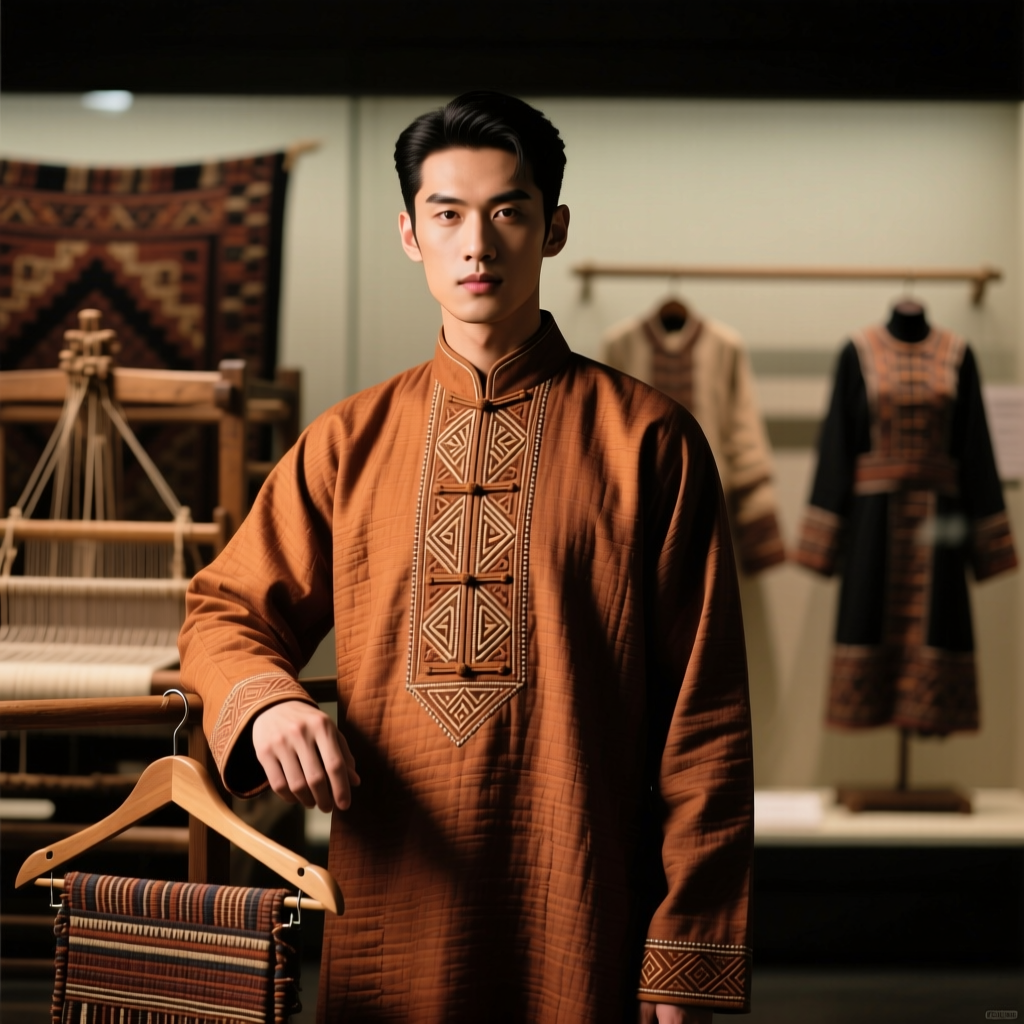
Traditional Dress Wear for Men: A Complete Style Guide

There is a quiet power in wearing clothing that carries centuries of history on its shoulders. Traditional dress wear for men represents far more than fabric and stitching — it is a living expression of identity, craftsmanship, and cultural pride. Whether you are drawn to the structured elegance of a Japanese kimono, the flowing grandeur of a West African agbada, or the refined simplicity of a South Asian kurta, traditional garments offer a depth of character that mass-produced fashion simply cannot replicate.
In an era where personal style often blends the old with the new, understanding how to wear, style, and honor traditional menswear is more relevant than ever. This guide walks you through the essential elements of traditional dress wear for men — from choosing the right pieces and pairing them with accessories to adapting heritage garments for contemporary settings. Whether you are attending a cultural celebration, a formal event, or simply want to infuse your everyday wardrobe with meaningful clothing, this article will serve as your comprehensive reference.
For a deeper look at specific garments and their histories, explore our garment guides and cultural heritage pages to enrich your understanding of the traditions behind each piece.
Understanding Traditional Menswear Across Cultures
Before diving into styling, it is essential to appreciate the breadth of traditional dress wear for men across the globe. Every culture has developed garments suited to its climate, values, social structures, and artistic traditions. Understanding these roots not only deepens your appreciation but also ensures you wear these garments with the respect they deserve.
South Asian Traditional Wear
South Asia offers one of the richest traditions in men's formal and ceremonial clothing. The kurta, a long tunic typically worn with loose trousers called pajamas or fitted churidars, is a versatile staple worn across India, Pakistan, Bangladesh, and Nepal. For more formal occasions, men turn to the sherwani — a long, coat-like garment often richly embroidered and worn over a kurta and churidar. The bandhgala, sometimes called a Jodhpuri suit, blends Indian tailoring with a Western silhouette, featuring a closed neck and structured shoulders.
East Asian Heritage Garments
In Japan, the kimono and its more formal counterpart, the montsuki, represent centuries of textile artistry. The hakama, wide pleated trousers worn over a kimono, adds a dramatic and dignified silhouette. In China, the changshan (or long shirt) and the tangzhuang (Tang-style jacket) are traditional garments that have seen modern revivals. Korea's hanbok, characterized by its vibrant colors and flowing lines, remains a powerful symbol of Korean identity, especially during festivals and ceremonies.
Middle Eastern & North African Dress
The thobe (also called dishdasha or kandura) is the cornerstone of men's dress across the Arabian Peninsula — a long, typically white robe that is both practical for desert climates and elegant in its simplicity. In Morocco and broader North Africa, the djellaba — a long, hooded robe — and the kaftan serve as both everyday wear and ceremonial garments. These pieces are often paired with a kufi or turban for a complete look.
West African Grandeur
West African traditional dress is known for its bold textiles and commanding silhouettes. The agbada (or boubou) is a flowing, wide-sleeved robe worn over a matching tunic and trousers, often made from richly embroidered or hand-woven fabrics like aso-oke or kente. The dashiki, a colorful pullover shirt with intricate embroidery around the neckline, has become a globally recognized symbol of African heritage and pride.
European & Celtic Traditions
Traditional European menswear includes the Scottish kilt, a knee-length tartan skirt worn with a sporran, hose, and ghillie brogues. In Central and Eastern Europe, embroidered shirts and woolen vests remain part of folk dress traditions. These garments are often worn during cultural festivals, weddings, and heritage celebrations.
To explore the history and construction of these garments in greater detail, visit our cultural heritage collection for in-depth articles on textile traditions from around the world.
Styling Tips: How to Wear Traditional Garments with Confidence
Wearing traditional dress is an act of storytelling. The way you style these garments communicates respect for their origins while allowing your personal aesthetic to shine. Here are practical styling principles to help you wear traditional menswear with confidence and intention.
Fit Is Everything
The single most important factor in how traditional clothing looks on you is fit. A sherwani that pulls at the shoulders or a kurta that billows excessively at the waist will undermine even the finest craftsmanship. Seek out tailors who specialize in the specific garment tradition you are investing in. A well-fitted thobe should skim the body without clinging, a hakama should sit precisely at the waist, and a kilt should hit at the middle of the knee. Do not hesitate to have ready-made pieces altered — the difference is transformative.
Understand Color Symbolism
Colors in traditional dress often carry deep cultural meaning. In South Asian traditions, ivory and gold are associated with weddings, while white may be reserved for mourning in some communities. In West African dress, specific kente patterns and color combinations convey proverbs, social status, or clan identity. In Japanese tradition, black montsuki with white family crests represent the highest formality. Research the color conventions of the tradition you are drawing from, especially if you are attending a cultural event where these meanings are actively observed.
Layer with Intention
Many traditional garments are designed to be layered, and mastering this aspect is key to a polished look. A sherwani over a kurta, a waistcoat over a thobe, or a haori jacket over a kimono — each layer adds dimension, texture, and formality. When layering, ensure that each piece complements the others in weight and proportion. A heavy, embroidered outer layer calls for a simpler inner garment, while a lightweight outer piece can be paired with a more detailed base.
Balance Tradition and Proportion
Traditional garments often feature dramatic proportions — wide sleeves, long hems, voluminous draping. The key to wearing these silhouettes well is balance. If your top is oversized and flowing, pair it with more fitted bottoms. If your lower garment is wide or pleated, choose a more structured top. This principle of visual balance ensures that your outfit feels intentional rather than overwhelming.
Grooming and Presentation
Traditional dress demands a level of grooming that matches its gravitas. Well-maintained hair, clean nails, and attention to personal presentation elevate the entire ensemble. In many traditions, specific grooming practices accompany the clothing — such as the careful tying of a turban or the precise folding of a pocket square in a bandhgala. Take the time to learn these details, as they are integral to the overall impression.
Accessories That Complete the Traditional Look
Accessories are where traditional menswear truly comes alive. They are the finishing touches that transform a garment into a complete, culturally grounded outfit. Here are the essential accessories to consider.
Headwear
Headwear is central to many traditional dress codes. The turban (pagdi, safa, or dastar) holds profound significance in South Asian and Middle Eastern cultures, with different wrapping styles indicating region, religion, and occasion. The kufi (or topi) is a small, rounded cap worn across Africa and the Muslim world. The fez, taqiyah, and various forms of embroidered caps each carry their own cultural weight. Choose headwear that aligns with the garment tradition and learn the proper way to wear it.
Footwear
Traditional footwear completes the silhouette from head to toe. South Asian mojari or jutti — handcrafted leather shoes with pointed toes and embroidery — pair beautifully with kurtas and sherwanis. Japanese zori sandals and tabi socks are essential companions to the kimono. Scottish dress calls for ghillie brogues with kilt hose and flashes. In Middle Eastern dress, polished leather sandals or na'al are the standard. Invest in authentic footwear — it makes a remarkable difference in the coherence of your outfit.
Jewelry and Adornments
Men's traditional jewelry is often understated but significant. A signet ring, a pocket watch chain draped across a sherwani, cufflinks with cultural motifs, or a brooch on a Scottish bonnet can add a refined personal touch. In some African traditions, beaded necklaces and bracelets carry symbolic meaning. The rule of thumb is restraint — let one or two statement pieces anchor your look rather than layering too many accessories at once.
Shawls, Stoles, and Sashes
A well-chosen shawl or stole can elevate a traditional outfit significantly. In South Asian formal wear, a pashmina or jamawar shawl draped over one shoulder adds luxury and warmth. In Scottish highland dress, the plaid (a long tartan cloth draped over the shoulder) is a mark of formal occasion. Sashes and cummerbunds also serve both functional and decorative roles in many traditions, cinching the waist and adding a band of contrasting color or texture.
For more guidance on pairing accessories with specific garments, browse our garment guide library for detailed styling breakdowns.
Occasions: When and Where to Wear Traditional Dress
One of the most common questions men have about traditional clothing is when it is appropriate to wear it. The answer depends on the garment, the context, and the cultural norms surrounding it. Here is a practical breakdown.
Weddings and Ceremonial Events
Weddings are perhaps the most universal occasion for traditional dress. A groom in a heavily embroidered sherwani, a father of the bride in a flowing agbada, or a groomsman in a kilt — these garments carry the emotional weight of the occasion. For weddings, opt for richer fabrics like silk, brocade, velvet, or hand-woven textiles. Embellishments such as zardozi embroidery, beadwork, or metallic thread are appropriate and expected. Coordinate with the wedding party to ensure your outfit complements the overall color palette and formality level.
Religious and Spiritual Gatherings
Many traditional garments are closely tied to religious practice. A thobe and kufi for Friday prayers, a kurta and topi for Eid celebrations, or a white kimono for certain Buddhist ceremonies — these outfits are worn as expressions of devotion and community. When dressing for religious occasions, prioritize modesty, simplicity, and cleanliness. Avoid overly flashy embellishments unless the specific tradition calls for celebratory dress.
Cultural Festivals and Heritage Celebrations
Cultural festivals — whether Diwali, Lunar New Year, Eid, Kwanzaa, Hogmanay, or regional folk festivals — are joyful occasions for traditional dress. These events often welcome more vibrant colors, bold patterns, and expressive styling. This is the ideal setting to wear heritage pieces that might feel too dramatic for everyday life, such as a fully embroidered agbada, a ceremonial hakama, or a tartan kilt with full highland accessories.
Formal and Professional Settings
Traditional dress can absolutely hold its own in formal and professional environments, provided it is tailored, well-maintained, and contextually appropriate. A crisp bandhgala can serve as an elegant alternative to a Western tuxedo at a black-tie event. A well-cut thobe with a tailored blazer works in many professional settings across the Middle East and increasingly in global business contexts. The key is to ensure that your traditional garment meets the same standards of neatness, fit, and formality that Western business attire would demand.
Everyday and Casual Wear
Not all traditional dress is reserved for grand occasions. A simple cotton kurta with jeans, a lightweight dashiki with chinos, or a casual linen thobe can serve as comfortable, stylish everyday wear. These pieces allow you to stay connected to your heritage in a way that feels natural and integrated into daily life. Start with simpler, more relaxed versions of traditional garments and build your collection as your confidence grows.
Modern Adaptations: Blending Heritage with Contemporary Style
One of the most exciting developments in men's fashion is the creative fusion of traditional garments with contemporary styling. This is not about diluting cultural identity — it is about keeping traditions alive by making them relevant to modern life.
Traditional Tops with Modern Bottoms
One of the easiest ways to incorporate traditional wear into a contemporary wardrobe is to pair a heritage top with modern bottoms. A structured bandhgala jacket worn over a plain t-shirt with tailored trousers and leather loafers creates a look that is both rooted and refreshingly modern. A kurta paired with slim-fit jeans and minimalist sneakers is a popular combination among younger men who want to honor tradition without feeling costumed. The dashiki, worn untucked with chinos or dark denim, has become a global statement piece that transcends its West African origins while honoring them.
Modern Fabrics and Cuts
Contemporary designers are reimagining traditional silhouettes in modern fabrics — technical blends, lightweight linens, organic cottons, and even performance materials. A sherwani cut from matte linen instead of heavy brocade feels entirely different and is far more practical for warm-weather events. A kimono-inspired jacket in a minimalist, unstructured cut can function as a sophisticated alternative to a blazer. These adaptations make traditional dress more accessible and wearable across a broader range of settings.
Accessorizing Traditionally in a Modern Context
Even if your outfit is largely contemporary, traditional accessories can anchor it in heritage. A turban-inspired headwrap paired with a modern suit, mojari shoes worn with cropped trousers, or a kente-cloth pocket square in a Western blazer — these touches create a dialogue between old and new that is deeply personal and visually compelling.
The Role of Designers and Brands
A growing number of designers and brands specialize in bridging the gap between traditional craftsmanship and modern aesthetics. Seek out labels that work directly with artisan communities, use authentic techniques, and approach cultural traditions with genuine respect rather than superficial appropriation. Supporting these brands helps sustain traditional textile arts and ensures that heritage garments continue to evolve rather than fade into museum archives. Explore our cultural heritage resources to learn more about the artisans and communities behind these garments.
Buying Guide: How to Choose Quality Traditional Dress Wear
Investing in traditional dress wear requires a different approach than shopping for mainstream fashion. Here is a practical buying guide to help you make informed, lasting purchases.
Prioritize Fabric Quality
The fabric is the foundation of any traditional garment. Look for natural fibers — silk, cotton, linen, wool, and blends that breathe well and drape beautifully. For formal garments, pure silk, raw silk, and brocade are excellent choices. For everyday wear, cotton and linen offer comfort and durability. Avoid synthetic fabrics that trap heat and lack the richness of natural textiles. When possible, feel the fabric in person or order swatches before committing to a purchase, especially when buying online.
Understand Construction and Craftsmanship
Examine the construction details carefully. Hand-embroidery, while more expensive, carries a depth and irregularity that machine work cannot replicate. Check seam allowances — generous seams indicate a garment that can be altered and will last longer. Look at the lining — a quality traditional garment will have a smooth, well-fitted lining that enhances comfort and structure. Buttons, clasps, and fastenings should feel substantial and secure. If you are investing in a significant piece like a wedding sherwani or a ceremonial agbada, these details matter enormously.
Know Your Measurements
Traditional garments often follow different sizing conventions than Western clothing. A kurta size, a thobe length, or a kimono measurement may not correspond to standard S/M/L sizing. Take accurate measurements of your chest, waist, shoulders, arm length, and desired garment length. Many specialist retailers provide detailed size guides — use them. When in doubt, choose the slightly larger size, as it is easier to take a garment in than to let it out.
Buy from Specialist Retailers
While mainstream retailers may carry items inspired by traditional dress, the best quality and most authentic pieces come from specialist retailers who understand the garments deeply. Look for shops — whether physical or online — that cater specifically to the cultural tradition you are shopping within. Read reviews, ask about the origin of the garments, and do not hesitate to ask questions about fabric sourcing and construction methods. Our garment guides include recommendations for trusted sources across various traditions.
Care and Maintenance
Traditional garments often require specialized care. Silk and brocade pieces typically need dry cleaning. Embroidered garments should be stored flat or on wide, padded hangers to prevent distortion. Keep traditional footwear polished and conditioned. Store headwear in a way that maintains its shape. Proper care extends the life of these garments significantly and protects your investment. Always follow the care instructions provided by the maker or retailer.
Frequently Asked Questions
Can I wear traditional dress from a culture that is not my own?
This is a thoughtful and important question. In many cases, wearing traditional dress from another culture is welcomed — particularly when you are attending a cultural event at the invitation of members of that community, such as a wedding or festival. The key is to approach it with genuine respect, make an effort to understand the garment's significance, wear it correctly, and avoid treating it as a costume or novelty. When in doubt, ask someone from that cultural community for guidance. Appreciation, when done with humility and care, is very different from appropriation.
How do I choose the right traditional outfit for my body type?
Most traditional garments are remarkably adaptable to different body types because they are designed to drape, wrap, or flow rather than cling. For leaner builds, structured garments like the bandhgala or a tailored sherwani add definition. For broader builds, flowing garments like the agbada, thobe, or kimono create a commanding, elegant silhouette. The most important factor is proper tailoring — a skilled tailor who understands the garment tradition can adjust proportions to flatter any body type. Focus on fit at the shoulders and chest, and let the rest of the garment fall naturally.
What is the best way to store traditional garments?
Storage depends on the fabric and construction. Heavy, structured garments like sherwanis and bandhgalas should be hung on wide, padded hangers in breathable garment bags. Delicate silk pieces are best stored flat, folded with acid-free tissue paper to prevent creasing. Embroidered garments should never be hung by thin hooks, as the weight of the embroidery can distort the fabric over time. Keep all traditional garments in a cool, dry place away from direct sunlight, which can fade colors and weaken fibers. For heirloom pieces, consider professional archival storage.
How much should I expect to spend on quality traditional menswear?
Prices vary enormously depending on the garment, fabric, level of craftsmanship, and whether the piece is ready-made or bespoke. A simple cotton kurta or dashiki can be found for a modest price and still offer excellent quality. A well-made sherwani or agbada with hand embroidery represents a more significant investment, often comparable to a tailored Western suit. Bespoke or custom-made pieces from master artisans command premium prices but offer unmatched fit and craftsmanship. Think of traditional garments as long-term investments — a well-made piece, properly cared for, can last decades and even be passed down through generations.
Where can I learn more about the history behind specific traditional garments?
Understanding the history and cultural context of traditional garments enriches the experience of wearing them immeasurably. Start with our cultural heritage section, which features detailed articles on textile traditions, garment histories, and the communities that keep these crafts alive. Museums with textile and costume collections, academic publications on dress history, and documentaries on traditional craftsmanship are also excellent resources. Engaging directly with cultural communities and attending heritage events provides living, firsthand knowledge that no book can fully capture.
Traditional dress wear for men is not a relic of the past — it is a vibrant, evolving expression of identity and artistry. Whether you are investing in your first heritage piece or expanding an existing collection, approach each garment with curiosity, respect, and an eye for quality. The clothes we wear tell stories — make sure yours are worth telling.