How to Wear Long Dresses: A Complete Styling Guide

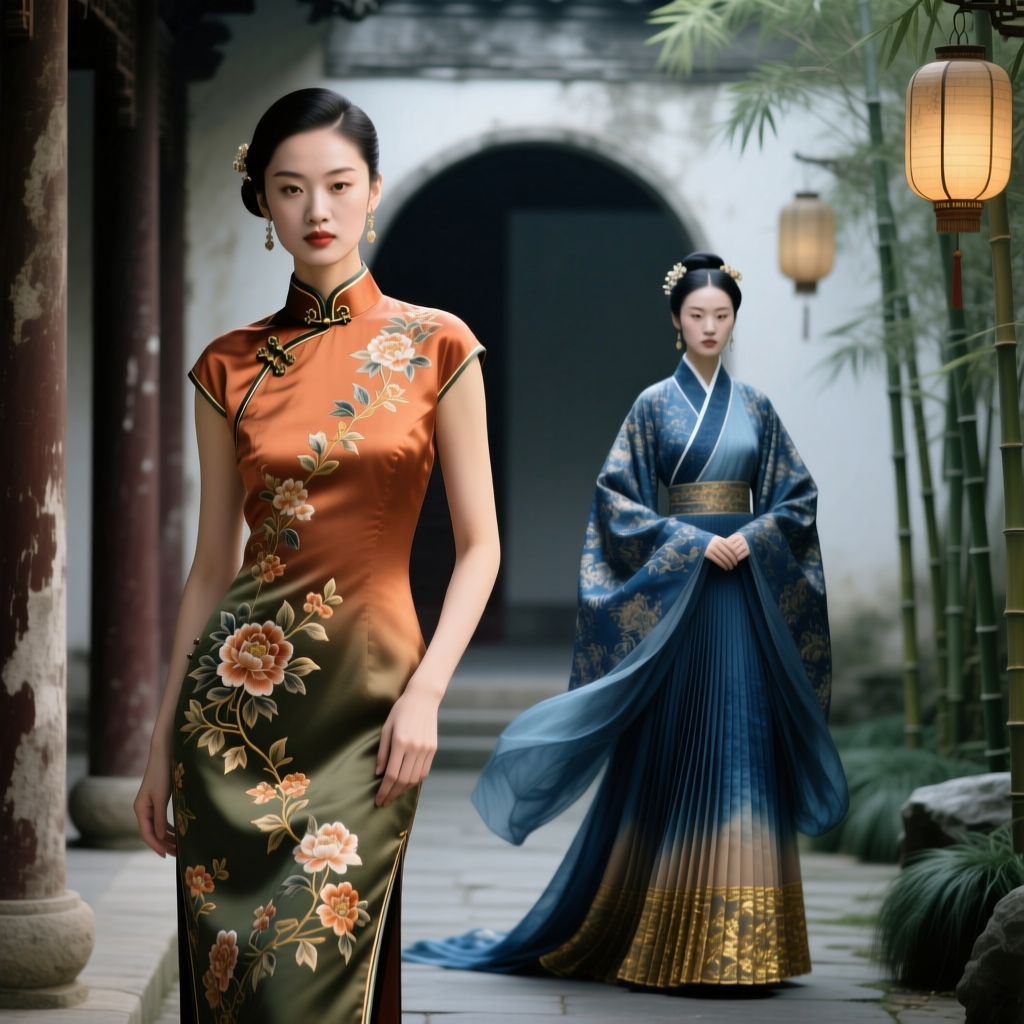
There is an undeniable power in a long dress. Whether it grazes the ankles or sweeps the floor, a maxi or floor-length silhouette carries a sense of elegance, movement, and confidence that few other garments can match. Long dresses have traversed centuries of fashion history — from the flowing robes of ancient civilizations to the bohemian maxis of the 1970s and the sleek, minimalist column gowns of contemporary runways. Yet despite their timeless appeal, many people find themselves uncertain about how to style them for modern life.
The truth is that long dresses are among the most versatile pieces you can own. They can be dressed up or down, adapted to nearly any season, and tailored to suit a wide range of body types and personal aesthetics. The key lies in understanding proportion, fabric, and the art of accessorizing. In this comprehensive guide, we will walk you through everything you need to know about wearing long dresses with confidence and intention.
If you are building a thoughtful wardrobe, exploring our garment guides can help you understand the construction and history behind the pieces you wear, making styling decisions feel more intuitive and personal.
Choosing the Right Silhouette for Your Body Type
The foundation of wearing any long dress well begins with selecting a silhouette that complements your natural proportions. Long dresses come in an extraordinary range of shapes, and understanding which ones flatter your frame will transform how you feel in them.
A-line and fit-and-flare silhouettes are universally forgiving. They cinch at the narrowest part of the torso and flow outward, creating a balanced, feminine shape that works beautifully for pear-shaped, hourglass, and rectangular body types alike. The gentle flare allows for ease of movement and creates a graceful line whether you are walking through a garden party or navigating a city sidewalk.
Column and sheath dresses offer a more streamlined, architectural look. These silhouettes follow the body's natural line without clinging too tightly, making them ideal for those who want a sophisticated, elongated effect. Taller frames tend to carry column dresses effortlessly, but petite figures can also embrace this look by choosing styles with vertical details such as seams, pleats, or subtle stripe patterns that create the illusion of added height.
Empire waist dresses, which feature a raised waistline sitting just below the bust, are particularly flattering for apple-shaped bodies and those who prefer a relaxed, romantic aesthetic. The flowing fabric below the bust drapes beautifully and provides comfort without sacrificing elegance. This silhouette also has deep roots in fashion history — you can explore more about how garment construction has evolved across cultures in our cultural heritage collection.
Wrap dresses in maxi length are a remarkably versatile option. The adjustable waist tie allows you to customize the fit, the V-neckline elongates the neck and torso, and the overlapping fabric creates a flattering diagonal line across the body. A well-made wrap dress in a long silhouette can transition seamlessly from a casual brunch to an evening dinner simply by changing your accessories.
Tiered and ruffled maxis add volume and visual interest, making them excellent choices for those who want to create the illusion of curves or simply enjoy a more dramatic, textured look. Be mindful, however, that excessive volume can overwhelm a petite frame — opt for tiers that begin lower on the body and use lighter fabrics to maintain a sense of airiness.
Mastering Proportions and Layering
One of the most common challenges when wearing long dresses is managing proportion. Because the dress itself covers so much of the body, the way you layer and accessorize becomes critical to creating a polished, intentional look rather than one that feels shapeless or overwhelming.
Define the waist. This is perhaps the single most important styling principle for long dresses. Without waist definition, a maxi dress can easily look like it is wearing you rather than the other way around. Use belts — whether thin leather, woven fabric, or statement metallic styles — to cinch the waist and create structure. If your dress already has a defined waistline, a belt can still enhance it and add a personal styling touch.
Layer strategically with outerwear. The type of jacket or layer you choose dramatically shifts the character of a long dress. A cropped denim jacket creates a casual, relaxed contrast that works beautifully for weekend outings and casual summer evenings. A tailored blazer adds polish and structure, making a maxi dress appropriate for creative workplace environments or semi-formal gatherings. A long coat or duster cardigan creates a dramatic, layered look that is perfect for cooler weather — just ensure the hemlines complement rather than compete with each other.
Play with texture contrast. If your dress is made from a soft, flowing fabric like chiffon or silk, pair it with structured accessories — a leather belt, a firm handbag, or substantial shoes — to ground the look. Conversely, if your dress is made from a heavier fabric like velvet or thick cotton, lighter accessories such as delicate jewelry or a woven bag can prevent the outfit from feeling too heavy.
Consider neckline balance. A high-neck long dress often benefits from an updo hairstyle and statement earrings, as the covered neckline draws attention upward toward the face. A plunging or open neckline, on the other hand, pairs well with layered necklaces or a simple pendant that fills the visual space without overwhelming it. Understanding these small balancing acts is what separates a good outfit from a truly great one.
Dressing Long Dresses Up and Down
One of the greatest strengths of a long dress is its chameleon-like ability to adapt to different occasions. The same dress can often serve multiple purposes in your wardrobe depending on how you style it.
Casual Daytime Styling
For a relaxed daytime look, pair a cotton or jersey maxi dress with flat sandals, espadrilles, or clean white sneakers. Add a wide-brimmed hat and a crossbody bag for a look that feels effortless yet put-together. Minimal jewelry — perhaps simple hoop earrings and a few thin bracelets — keeps the vibe easy and approachable. A long sundress styled this way is perfect for farmers' markets, seaside strolls, outdoor lunches, and travel days when you want to feel comfortable without looking unkempt.
Office-Appropriate Elegance
Long dresses can absolutely work in professional settings when styled thoughtfully. Choose dresses in solid, neutral colors or subtle prints, and opt for fabrics with some structure rather than anything too clingy or sheer. Pair with closed-toe block heels or polished loafers, a structured tote, and understated jewelry. A tailored blazer or a fine-knit cardigan adds a layer of professionalism. Shirt-dress styles in maxi length are particularly effective for office environments because the collar and button-front detailing echo traditional workwear elements.
Evening and Formal Occasions
When the occasion calls for elegance, a long dress truly shines. Floor-length gowns in silk, satin, or velvet make a commanding entrance at galas, weddings, and formal dinners. Elevate the look with heeled sandals or pumps, a clutch bag, and considered jewelry — a pair of chandelier earrings or a sculptural cuff bracelet can transform a simple gown into a statement. Pay attention to undergarments, as the drape of fine fabrics is easily disrupted by visible lines. A well-fitted slip or seamless shapewear ensures the dress falls as the designer intended.
For semi-formal events such as garden parties, cocktail receptions, or holiday gatherings, you might choose a long dress in a playful print or an unexpected fabric like lace or metallic-threaded knit. The formality of the event often hinges more on accessories and grooming than on the dress itself — polished hair, a refined bag, and intentional shoe choices elevate any long dress to meet the moment.
Seasonal Adaptations and Fabric Choices
A common misconception is that long dresses are primarily a warm-weather garment. In reality, the right long dress can be a year-round wardrobe staple when you understand how fabric and styling interact with the seasons.
Spring calls for medium-weight fabrics like cotton blends, rayon, and light linen. Floral prints and pastel tones feel seasonally appropriate, and layering with a light trench coat or a cropped cardigan provides warmth for unpredictable weather. Ankle boots or ballet flats are practical shoe choices that handle damp ground and variable temperatures gracefully.
Summer is the natural habitat of the long dress. Lightweight, breathable fabrics such as linen, cotton voile, and chiffon keep you cool while providing coverage from the sun. Sleeveless, halter, and off-the-shoulder styles allow for airflow, while lighter colors reflect heat. Straw bags, woven sandals, and sun hats complete the seasonal picture.
Autumn invites richer textures and deeper colors. Look for long dresses in jersey, ponte knit, or lightweight wool blends in shades of burgundy, forest green, burnt orange, and chocolate brown. Layering becomes more prominent — think leather jackets, suede ankle boots, and lightweight scarves. Tights or leggings worn underneath add warmth without compromising the dress's line.
Winter does not exclude long dresses; it simply demands heavier fabrics and more deliberate layering. Velvet, heavy knit, and wool-blend maxi dresses provide warmth and a luxurious texture that feels appropriate for the season. Pair with knee-high or over-the-knee boots, a long wool coat, and substantial jewelry in gold or bronze tones. A long dress styled this way is an elegant alternative to trousers and a sweater for holiday gatherings and winter dinners.
Understanding the relationship between fabric and drape is essential. Our garment guides explore how different textiles behave and how to care for them, helping you make informed choices that extend the life and beauty of your dresses.
Accessorizing Long Dresses with Intention
Accessories are the language through which a long dress speaks. The right additions communicate your personal style, the formality of the occasion, and your attention to detail. Here is how to approach accessorizing with purpose.
Footwear sets the tone for the entire outfit. Flat sandals and sneakers anchor a long dress in casual territory, while heels — whether stilettos, blocks, or wedges — elevate it instantly. For floor-length dresses, consider the heel height carefully: the hem should graze the top of your shoe without dragging on the ground or hovering awkwardly above it. If you plan to wear the dress with different shoes for different occasions, having it hemmed to work with a moderate heel is usually the most versatile choice.
Bags should be proportionate to both the dress and the occasion. A large tote or woven market bag complements a casual cotton maxi beautifully, while a structured mini bag or an elegant clutch is more appropriate for formal settings. Consider the color relationship between your bag and your dress — a contrasting color creates a focal point, while a tonal match creates a seamless, elongated look.
Jewelry should enhance rather than compete. With a dress that has significant detailing — beading, embroidery, or a bold print — keep jewelry minimal and let the garment speak. With a simple, solid-color dress, you have more freedom to layer necklaces, stack rings, or wear oversized earrings. Consider the neckline of the dress as a guide: high necklines pair well with earrings and bracelets, while open necklines invite necklaces and pendants.
Belts and waist accessories deserve special mention. A belt can completely transform the silhouette of a long dress, turning a loose, bohemian shape into a defined, structured one. Experiment with different widths, materials, and placements — a belt worn at the natural waist creates a classic hourglass effect, while a belt worn lower on the hips creates a more relaxed, 1920s-inspired silhouette.
Hats, scarves, and hair accessories add personality and can tie a look together. A wide-brimmed felt hat adds drama to an autumn maxi dress; a silk scarf tied around the neck or woven through the hair adds a touch of old-world glamour. These finishing touches are what make an outfit feel considered and complete.
Buying Guide: What to Look for When Shopping for Long Dresses
Investing in a long dress is a decision worth making carefully. Unlike a simple t-shirt or pair of jeans, a long dress uses a significant amount of fabric and often involves more complex construction, meaning quality differences are more noticeable and more consequential. Here is what to evaluate when shopping.
Fabric quality and composition. Read the care label and understand what you are buying. Natural fibers like cotton, linen, silk, and wool tend to drape better, breathe more comfortably, and age more gracefully than synthetic alternatives. However, blends that include a small percentage of elastane or polyester can offer practical benefits like stretch and wrinkle resistance. Consider how the fabric feels against your skin, how it drapes when you move, and whether it is appropriate for the climate and occasions you have in mind.
Construction and finishing. Examine the seams — they should lie flat, be evenly stitched, and show no signs of puckering. Check the hem for evenness and quality of finishing. If the dress has a lining, ensure it is properly attached and does not bunch or twist. Zippers should glide smoothly, and buttons should be securely attached with reinforced thread. These details are indicators of overall garment quality and will affect how the dress looks and lasts over time.
Fit and alterations potential. A long dress should fit well through the shoulders, bust, and waist, as these areas are the most difficult and expensive to alter. The length can usually be adjusted by a tailor, and waist definition can be added with a belt even if the dress itself is loose. When trying on, move around — sit, walk, raise your arms — to ensure the dress allows for comfortable movement. If you are between sizes, choose the larger option, as it is easier to take a garment in than to let it out.
Versatility and cost per wear. Consider how many occasions and seasons the dress can serve. A well-chosen long dress in a neutral color and classic silhouette might be worn dozens of times across multiple years, making even a higher price point a sound investment. Before purchasing, mentally style the dress in at least three different ways — if you cannot envision it working for multiple scenarios, it may not earn its place in your wardrobe.
Ethical and sustainable considerations. Increasingly, thoughtful dressers are considering the origins of their garments. Look for brands that are transparent about their supply chains, use sustainable materials, and employ fair labor practices. Investing in fewer, higher-quality pieces that are made responsibly aligns with a more sustainable approach to fashion. Our cultural heritage pages explore the deep history and craftsmanship behind garments from around the world, offering perspective on why quality and provenance matter.
Frequently Asked Questions
Can petite figures wear long dresses without looking overwhelmed?
Absolutely. The key for petite frames is to choose long dresses with vertical lines — think V-necklines, column silhouettes, and vertical pleats or seams — that elongate the body. Avoid excessive volume, oversized prints, and heavy fabrics that can swamp a smaller frame. Wearing your dress with heels, even a modest block heel, helps create a longer line from shoulder to floor. Ensure the waistline hits at your natural waist rather than dropping too low, as a properly placed waist creates the illusion of longer legs. Many brands now offer petite-specific sizing in long dresses, which adjusts not just the hem length but also the proportions of the bodice and waist placement.
How do I prevent a long dress from looking too casual or too formal?
The formality of a long dress is largely determined by three factors: fabric, color, and accessories. A jersey cotton maxi in a bright print will inherently lean casual, while a silk column gown in a deep jewel tone will read as formal. To adjust the formality level, focus on your accessories and layers. Swap sneakers for heeled sandals, replace a denim jacket with a tailored blazer, or add statement jewelry to elevate a casual dress. Conversely, a formal gown can be dressed down with flat boots, a leather jacket, and minimal jewelry. Learning to read these signals gives you remarkable control over any long dress in your wardrobe.
What undergarments should I wear with a long dress?
The right undergarments depend on the dress's fabric, cut, and color. For lightweight or clingy fabrics, seamless underwear in a nude tone that matches your skin (rather than the dress color) is usually the most invisible option. For dresses with a defined waist or structured bodice, high-waisted shaping briefs or a lightweight bodysuit can smooth the silhouette without creating visible lines. If the dress is unlined and somewhat sheer, a full-length slip in a complementary tone is essential. For backless or strapless styles, specialized undergarments like adhesive bras or built-in support are worth investing in. Always check your undergarment visibility in natural lighting before leaving home — indoor mirrors can be deceiving.
How should I care for and store long dresses to maintain their shape?
Proper care extends the life and beauty of your long dresses significantly. Always follow the care label instructions — many long dresses, particularly those in delicate fabrics like silk or viscose, benefit from hand washing or professional dry cleaning rather than machine washing. When storing, use padded or wide hangers to support the weight of the dress and prevent shoulder dimpling. Very heavy dresses, such as beaded gowns or those in dense velvet, are best stored folded in acid-free tissue paper to prevent the weight of the fabric from stretching the shoulders and bodice over time. Keep dresses in a cool, dry place away from direct sunlight, which can fade colors. For special occasion gowns, a breathable garment bag provides protection from dust while allowing air circulation.
Are long dresses appropriate for all body types and ages?
Long dresses are one of the most universally flattering garment categories when the right silhouette is chosen. Every body type — from petite to plus-size, from apple to hourglass — has long dress styles that complement and celebrate its proportions. The notion that certain garments are limited by age is increasingly recognized as an outdated convention. A well-chosen long dress is ageless; what matters is that the dress fits well, suits the occasion, and reflects the wearer's personal style. Confidence is the most important element of any outfit, and a long dress that makes you feel elegant and comfortable will always look right, regardless of age, size, or body type.