The Ultimate Guide to Traditional Wear Hair Accessories: Styling, Heritage & Modern Elegance
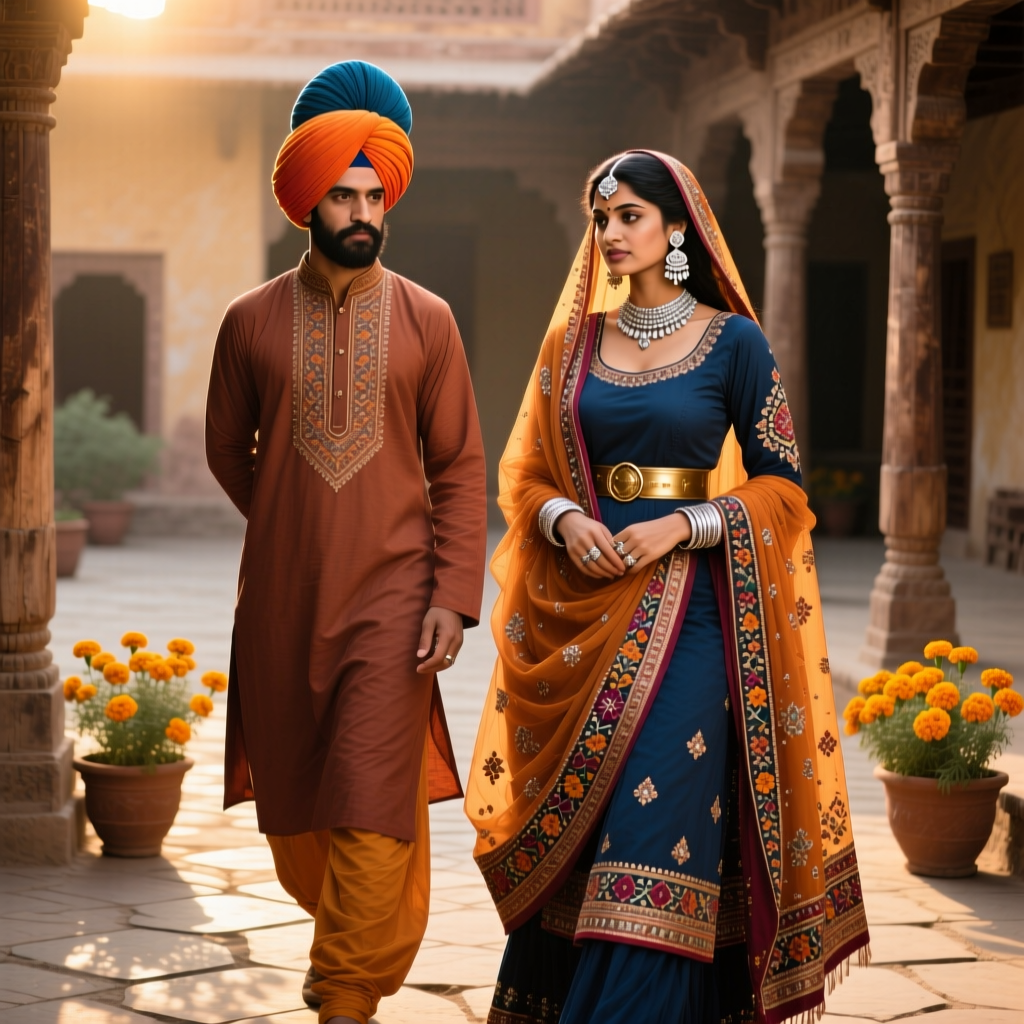
The crowning glory of any traditional ensemble lies not just in the meticulously draped fabrics or the intricate embroidery, but in the exquisite details that frame the face. Traditional wear hair accessories are far more than mere decorative afterthoughts; they are profound symbols of cultural heritage, marital status, social standing, and artistic expression. From the delicate sway of a Chinese buyao to the fragrant embrace of a South Asian gajra, ethnic hair jewelry bridges the gap between historical reverence and contemporary style.
At The Garment Atlas, we believe that understanding the roots of these adornments is just as important as knowing how to style them. Whether you are preparing for a vibrant cultural festival, a wedding, or simply looking to infuse your everyday wardrobe with a touch of global heritage, mastering the art of traditional hair styling is essential. This comprehensive guide will walk you through iconic pieces, styling techniques, occasion-based selections, and modern adaptations, ensuring your look is both authentic and breathtaking.
Iconic Traditional Hair Accessories Across Cultures
To truly appreciate traditional wear hair accessories, one must first explore the rich tapestry of global craftsmanship. Every culture has developed unique methods of adorning the hair, utilizing local materials and symbolic motifs.
South Asian Elegance: Tikkas, Passas, and Gajras
In South Asia, hair jewelry is an integral part of the traditional saree and lehenga ensembles. The maang tikka rests elegantly on the central parting of the hair, drawing attention to the third eye and symbolizing spiritual wisdom. For a more regal, asymmetric look, the jhoomar or passa cascades down the side of the head, often crafted from gold, Kundan, or Polki diamonds. On the more organic side of the spectrum is the gajra—a fragrant garland of fresh jasmine or roses woven into a tight bun, offering a sensory experience that synthetic accessories simply cannot replicate.
East Asian Mastery: Kanzashi, Binyeo, and Buyao
The rich history of the Japanese kimono is beautifully complemented by kanzashi. These intricate hair ornaments range from simple wooden pins to elaborate, dangling floral motifs crafted from folded silk. The placement and style of kanzashi traditionally indicate a geisha or maiko's status and the current season. In Korea, the binyeo is a long, ornate pin used to secure the braided hair of married women, often featuring jade or coral inlays that signify virtue and longevity, as explored in our Hanbok cultural guide. Meanwhile, the Chinese buyao, or step-shake hairpin, features dangling components that sway gently with the wearer's every movement, creating a mesmerizing visual and auditory experience.
Southeast Asian and Polynesian Floral Crowns
In many Southeast Asian and Polynesian cultures, the natural world provides the ultimate adornment. Woven vines, tropical blossoms, and fragrant frangipani are crafted into crowns and garlands. These pieces are deeply tied to hospitality, spiritual offerings, and celebrations, proving that the most breathtaking traditional wear hair accessories are often grown rather than mined.
Styling Tips for Traditional Garments
Pairing the right hair accessory with your garment requires an understanding of proportion, silhouette, and cultural context. Here is how to achieve a harmonious balance.
- The Saree Silhouette: When wearing a heavily embroidered silk saree, opt for a sleek, low bun adorned with a fresh gajra and a minimalist maang tikka. This prevents the overall look from becoming overwhelmingly busy, allowing the garment's border and pallu to shine. For a more modern drape, a high ponytail wrapped with a jeweled cuff can provide a striking, contemporary edge.
- The Lehenga and Anarkali: Voluminous garments like lehengas demand equally impactful styling. Soft, romantic curls or a braided crown interwoven with pearls and metallic threads complement the flared silhouette beautifully. If your neckline is heavily embellished, shift the visual weight to your hair with an oversized passa or a layered tikka.
- The Kimono and Yukata: Traditional Japanese styling relies on the nihongami updo or its modern, simplified equivalents. When wearing a kimono, the kanzashi should be placed on the left side of the updo, angled slightly upward. The colors of the silk flowers should either contrast beautifully with the kimono's base color or echo the hues found in the obi sash.
- The Hanbok: The graceful lines of the hanbok are best accentuated by a neat, low braided bun secured with a decorative binyeo. For younger, unmarried women, a vibrant ribbon woven into a long, single braid offers a youthful, historically accurate charm.
Always remember the golden rule of traditional styling: balance. If your garment features heavy zari work, intricate beadwork, or bold patterns, choose hair accessories that complement rather than compete. Conversely, a minimalist garment provides the perfect canvas for a show-stopping, ornate hairpiece.
Choosing the Right Accessories for Every Occasion
The context of your event dictates the weight, material, and formality of your hair accessories.
Weddings and Grand Celebrations
Bridal and wedding guest styling calls for opulence. This is the time to embrace heavy metallic ornaments, precious gemstones, and layered designs. A bridal maang tikka paired with a matha patti, a band that frames the hairline, creates a regal aura. Ensure these heavy pieces are secured with bobby pins and hair nets, as you will be dancing and moving throughout the festivities.
Cultural Festivals and Daytime Events
For daytime events like Diwali, Eid, or Lunar New Year celebrations, comfort and vibrancy are key. Swap heavy metals for lightweight lacquered wood, enamel, or fresh florals. A bright kanzashi or a simple, colorful silk ribbon woven into a braid adds a festive touch without causing fatigue during long hours of socializing.
Intimate Gatherings and Casual Heritage Wear
When wearing fusion or casual traditional wear to a dinner party or art gallery, subtlety is your greatest asset. A single, beautifully carved wooden hair stick, a vintage jade comb tucked into a French twist, or a minimalist pearl pin offers a sophisticated nod to your heritage while maintaining a sleek, modern profile.
Modern Adaptations: Blending Heritage with Contemporary Fashion
The beauty of cultural heritage lies in its ability to evolve. Today, fashion enthusiasts and designers are finding innovative ways to integrate traditional wear hair accessories into contemporary wardrobes.
One of the most popular modern adaptations is the concept of fusion styling. Imagine pairing a crisp, tailored Western blazer with a sleek chignon, accented by a single, antique gold buyao. The juxtaposition of structured, modern tailoring with ancient, intricate metalwork creates a powerful, avant-garde statement. Similarly, traditional floral garlands are no longer reserved solely for ethnic wear; they are increasingly seen adorning the messy buns and bohemian waves of summer festival-goers worldwide.
Repurposing is another fantastic way to honor vintage pieces. An ornate, heavy brooch inherited from a grandmother can be carefully attached to a hair comb base, transforming a forgotten garment accessory into a stunning hairpiece. Furthermore, many modern artisans are reimagining classic motifs using unconventional materials like acrylic, matte brass, and sustainable resins, making traditional aesthetics accessible, lightweight, and suited for everyday wear. By blending the past & present, you ensure that these cultural artifacts remain living, breathing elements of your personal style.
The Buyer’s Guide: Sourcing Authentic Traditional Hair Pieces
Investing in traditional hair jewelry is an investment in artistry. Whether you are shopping at a local artisan market, a specialized boutique, or an online heritage store, knowing what to look for ensures you acquire pieces of genuine quality and cultural respect.
- Material Authenticity: Look for natural materials. Genuine jade, freshwater pearls, real silk threads, and carved sandalwood not only look superior but also age beautifully. Avoid cheap, mass-produced plastic imitations that lack the weight and luster of authentic pieces.
- Craftsmanship and Hallmarks: Examine the metalwork closely. Hand-engraved details, secure stone settings, and smooth, rounded pin ends are hallmarks of skilled artisanship. Rough edges can snag and damage your hair, so always run your fingers along the prongs and wires before purchasing.
- Ethical Sourcing: Whenever possible, purchase directly from cooperatives, heritage brands, or independent artisans who preserve traditional techniques. Supporting these creators ensures that ancient skills like silk-thread wrapping, lacquer work, and Kundan setting continue to thrive.
- Proper Storage and Care: Traditional accessories require mindful care. Store metallic and beaded pieces in soft silk or velvet pouches to prevent scratching and tarnishing. Keep fresh floral garlands in a damp paper towel inside the refrigerator until the moment you need them. Never spray perfume or hairspray directly onto pearls or porous gemstones, as the chemicals can degrade their natural luster over time.
Frequently Asked Questions
How do I secure heavy traditional hair ornaments without damaging my hair?
The secret to securing heavy pieces like a matha patti or a large metallic kanzashi lies in creating a strong foundation. Start by teasing the crown of your hair slightly to create grip, and use a texturizing spray. Build a tight, pinned bun or braid as an anchor point. Instead of relying solely on the ornament's built-in comb or hook, use U-shaped hairpins and criss-cross bobby pins to lock the accessory directly into the hair structure. For forehead pieces, use a skin-safe spirit gum or a concealed hook attached to your hairstyle rather than relying on tight chains that can cause tension headaches and hair breakage.
Can I mix traditional hair accessories from different cultures?
Fusion fashion is deeply personal and widely celebrated, but it requires a respectful and aesthetically mindful approach. Mixing elements from different cultures can yield stunning results if you focus on cohesion through color, material, or motif. For instance, pairing a minimalist East Asian jade hair stick with a South Asian silk saree can look incredibly elegant due to the shared appreciation for natural stones and rich fabrics. However, avoid mixing highly sacred or culturally specific items in a way that dilutes their distinct cultural significance. Always prioritize appreciation and understanding over mere aesthetic appropriation.
What is the best way to clean and store vintage hair jewelry?
Vintage hair jewelry often features delicate enamel, porous stones, and soft metals that require gentle care. To clean metallic elements, use a soft, dry microfiber cloth. For intricate crevices, a soft-bristled makeup brush can gently dislodge dust. Avoid submerging vintage pieces in water or using harsh chemical cleaners, especially if they feature uncut stones, pearls, or silk thread work. Store each piece individually in an acid-free tissue paper or a soft cotton pouch to prevent the metals from reacting with one another and to keep silk threads from fraying. Include a small silica gel packet in your storage box to control humidity and prevent tarnishing.
How do I match hair accessories to my traditional outfit's color palette?
You can approach color matching in two distinct ways: harmonious blending or deliberate contrast. For a harmonious look, pick up a secondary or tertiary color from your garment's embroidery or border and match your hair accessory to that specific hue. This creates a cohesive, well-thought-out ensemble. For a striking contrast, use the color wheel. If you are wearing a deep emerald green lehenga or kimono, a hair accessory featuring ruby red or soft blush pink elements will pop beautifully. Metallic tones like gold, silver, and rose gold act as neutrals in traditional styling and will complement almost any color palette, provided the metal tone matches the other jewelry you are wearing.