Traditional Dress for Men: Shop Guide
Traditional Dress for Men: How to Find the Perfect Shop Near You & Style It with Confidence
There is a quiet power in wearing clothing that carries centuries of heritage on its sleeves — literally. Traditional dress for men is far more than a costume or a relic of the past. It is a living, breathing expression of identity, craftsmanship, & cultural pride that continues to evolve with every generation. Whether you are searching for a finely tailored sherwani, a handwoven dashiki, a meticulously pleated kilt, or an embroidered kurta, finding the right traditional dress men shop near you can transform the way you connect with your roots & present yourself to the world.
Yet the search for authentic, high-quality traditional menswear can feel overwhelming. Mass-produced imitations flood online marketplaces, while brick-and-mortar specialty shops often hide in cultural enclaves or family-run storefronts that do not always appear at the top of search results. This guide exists to change that. Below, you will find everything you need to locate a trustworthy traditional clothing shop in your area, choose garments that flatter your build, accessorize with intention, & adapt heritage pieces for modern occasions — all while honoring the traditions that make these garments so meaningful.
For a deeper exploration of how traditional garments have shaped global fashion, visit our cultural heritage guides to learn about the origins & significance of menswear traditions around the world.
How to Find the Best Traditional Dress Shop for Men Near You
Locating a reputable shop that specializes in traditional men's clothing requires a blend of digital research & community knowledge. Here is a step-by-step approach to narrowing your search & finding a store that delivers authenticity, quality, & excellent customer service.
Start with Culturally Specific Search Terms
A generic search for "traditional dress" will yield broad & often unhelpful results. Instead, use the name of the specific garment or cultural tradition you are seeking. Search for "sherwani shop near me," "Scottish kilt makers nearby," "West African agbada tailor," or "Japanese kimono store." Specificity signals to search engines exactly what you need & surfaces shops that specialize rather than generalize.
Leverage Community Recommendations
Some of the finest traditional clothing shops are small, family-run businesses that rely on word-of-mouth rather than digital marketing. Reach out to local cultural organizations, places of worship, community centers, & social media groups dedicated to your heritage. Ask for recommendations in diaspora community forums or attend cultural festivals where vendors often showcase their work. These personal referrals frequently lead to hidden gems that no search engine can surface.
Evaluate Craftsmanship Before You Buy
Once you have identified a few potential shops, visit them in person whenever possible. Examine the stitching, fabric weight, lining quality, & finishing details. A reputable traditional dress shop will happily explain the origins of their fabrics, the techniques used in embroidery or weaving, & the cultural significance of specific patterns or motifs. If a shop cannot speak knowledgeably about the garments they sell, that is a significant red flag.
Check for Custom Tailoring Services
Traditional garments are often designed to be tailored to the individual wearer. Shops that offer in-house tailoring or made-to-measure services typically demonstrate a higher level of expertise & commitment to quality. Custom tailoring ensures that your garment drapes correctly, fits your proportions, & honors the silhouette that the tradition demands. Learn more about proper fit in our traditional garment fit guide.
Styling Traditional Menswear for Every Occasion
One of the most common questions men ask when investing in traditional clothing is where & how to wear it. The beauty of heritage garments is their remarkable versatility — when styled thoughtfully, they can transition from religious ceremonies to formal galas to casual gatherings with ease.
Weddings & Formal Celebrations
Traditional dress shines brightest at weddings & milestone celebrations. A heavily embroidered sherwani in ivory or deep maroon commands attention at a South Asian wedding, while a tartan kilt paired with a Prince Charlie jacket is the gold standard for Scottish formal events. For West African celebrations, an agbada in richly woven aso-oke fabric conveys status & elegance. The key is to match the formality of the garment to the significance of the occasion — reserve your most elaborate pieces for events that warrant them.
Religious & Cultural Ceremonies
Many traditional garments carry spiritual or ceremonial significance. A thobe or jubba is appropriate for Eid prayers & Friday congregational worship. A barong Tagalog is worn with pride at Filipino cultural events & national holidays. When dressing for religious occasions, prioritize modesty, cleanliness, & respect for the traditions associated with the garment. Choose subdued colors & refined fabrics that reflect the solemnity of the setting.
Semi-Formal & Professional Settings
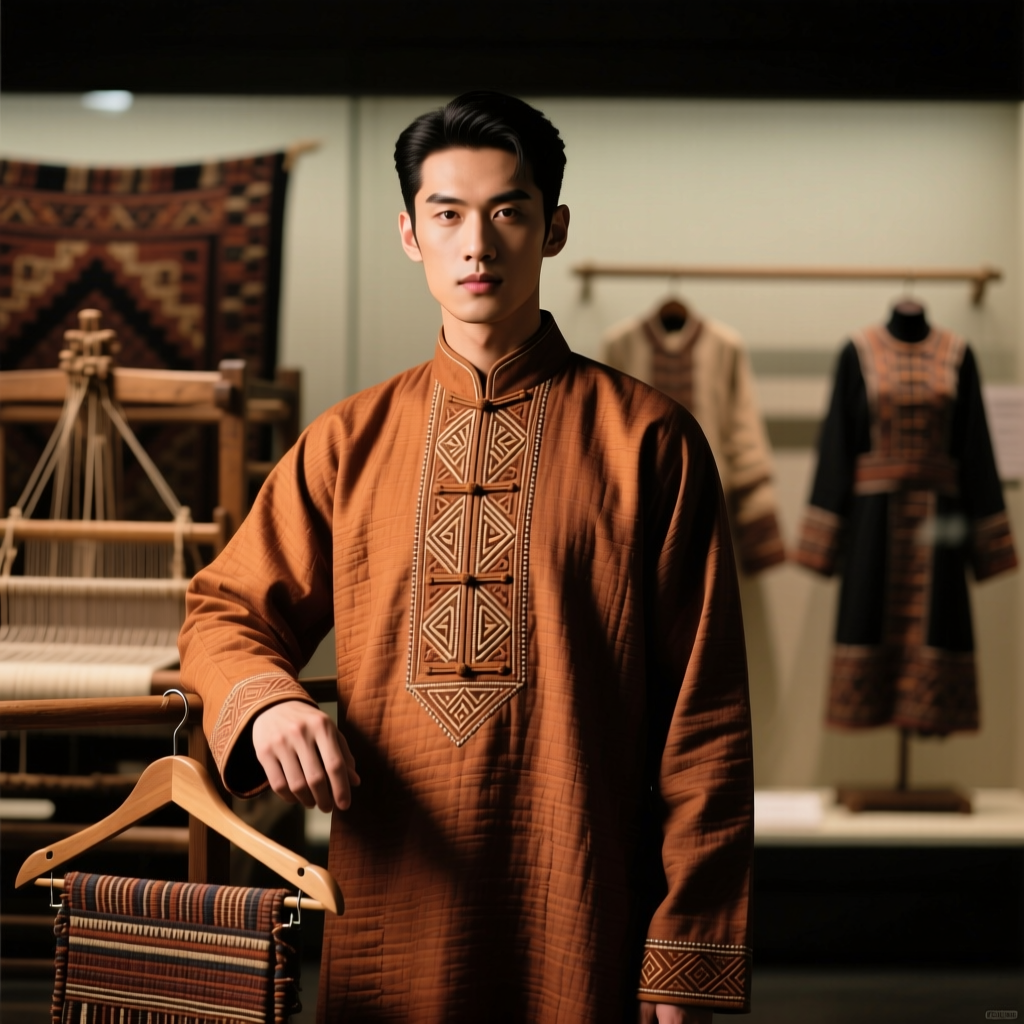
Traditional menswear can absolutely hold its own in professional or semi-formal environments. A well-tailored mandarin collar jacket paired with dark trousers bridges Eastern & Western aesthetics beautifully. A simplified kurta in a structured cotton fabric can serve as a sophisticated alternative to a dress shirt at creative industry events. The trick is to keep the silhouette clean, the colors restrained, & the accessories minimal.
Casual & Everyday Wear
Not every traditional garment is reserved for grand occasions. A simple cotton kurta, a lightweight African print shirt, or a casual linen thobe can become part of your everyday rotation. These pieces offer comfort, breathability, & a distinctive personal style that sets you apart from the sea of fast fashion. Browse our everyday traditional menswear guide for more ideas on integrating heritage pieces into daily life.
Essential Accessories That Complete Traditional Men's Outfits
No traditional outfit is complete without the right accessories. These finishing touches are not merely decorative — they often carry deep cultural meaning & can elevate a simple garment into a fully realized ensemble.
Headwear & Turbans
From the Sikh dastar to the North African fez, the Middle Eastern keffiyeh, & the South Asian pagri, headwear is one of the most recognizable elements of traditional men's dress. Each style carries specific cultural, religious, or regional significance. When selecting headwear, ensure that you understand its meaning & wear it with the respect it deserves. Many traditional dress shops near you will offer styling assistance to help you tie or position headwear correctly.
Footwear
Traditional footwear is an often-overlooked element that can make or break an outfit. Embroidered mojari or jutti shoes complement South Asian ensembles, while Ghillie brogues are essential for Highland dress. Leather sandals or handcrafted slip-ons pair beautifully with Middle Eastern & African garments. Always choose footwear that matches the formality level of your outfit & invest in quality pairs that will last for years.
Jewelry & Adornments
Men's traditional jewelry ranges from ornate brooches & kilt pins in Scottish dress to beaded necklaces & cowrie shell accessories in West African traditions. Silver or gold cufflinks, signet rings, & ornamental buttons can add subtle luxury to any heritage outfit. The rule of restraint applies here — choose one or two statement pieces rather than layering excessively.
Wraps, Sashes & Belts
Many traditional outfits incorporate sashes, cummerbunds, or woven belts as both functional & decorative elements. A silk patka or kamarband adds definition to a sherwani, while a tartan sash or fly plaid completes formal Highland attire. These pieces introduce texture, color contrast, & visual interest to your ensemble. Explore our traditional accessories guide for a comprehensive overview of heritage adornments from around the world.
Modern Adaptations: Blending Tradition with Contemporary Style
One of the most exciting developments in men's fashion is the growing movement to reinterpret traditional garments for modern contexts. Designers & everyday style enthusiasts alike are finding innovative ways to honor heritage while embracing contemporary aesthetics.
Fusion Silhouettes
Fusion wear combines elements of traditional & Western clothing to create something entirely new. Imagine a structured blazer cut from handwoven kente cloth, a denim kurta with contrast stitching, or a mandarin-collar shirt paired with tailored chinos. These hybrid pieces allow you to express cultural pride in settings where full traditional dress might feel out of place. Many forward-thinking traditional dress shops now carry fusion collections alongside their classic offerings.
Fabric Innovation
While traditional fabrics like silk, brocade, & handloom cotton remain beloved, modern adaptations often incorporate performance fabrics, lighter-weight weaves, & wrinkle-resistant materials. These innovations make traditional garments more practical for daily wear, travel, & warm climates without sacrificing their visual identity. Ask your local shop about fabric options that suit your lifestyle.
Minimalist Styling
A growing trend in traditional menswear is the move toward minimalist styling — stripping away excessive embellishment in favor of clean lines, monochromatic palettes, & architectural silhouettes. A plain black sherwani with a bandhgala collar, an unadorned white thobe in premium linen, or a solid-color agbada with subtle texture can feel strikingly modern while remaining rooted in tradition.
Layering Techniques
Layering is a powerful tool for adapting traditional garments to different seasons & settings. A lightweight kurta worn under a tailored overcoat creates a sophisticated cold-weather look. A traditional vest or waistcoat layered over a simple shirt bridges casual & formal effortlessly. Experiment with proportions & textures to find combinations that feel authentic to your personal style. Our layering traditional menswear guide offers seasonal styling strategies for every climate.
Your Complete Buying Guide: What to Look for in a Traditional Dress Shop
Investing in traditional menswear is a meaningful decision that deserves careful consideration. Use this buying guide to ensure you choose a shop — & a garment — that meets your standards for quality, authenticity, & value.
Authenticity & Provenance
Ask where the garments are made, who makes them, & where the fabrics are sourced. Authentic traditional clothing shops can trace their supply chain & explain the cultural origins of each piece. Be wary of shops that sell mass-produced garments marketed as "authentic" without any supporting information about craftsmanship or origin.
Fabric Quality
Touch the fabric before you buy. High-quality traditional garments use natural fibers like silk, cotton, linen, wool, or blends that breathe well & drape beautifully. Check the weight of the fabric — heavier fabrics generally indicate better quality & longevity. Examine the weave for consistency & look for any irregularities that might signal poor manufacturing.
Construction & Finishing
Turn the garment inside out & inspect the seams. Quality traditional clothing features clean, reinforced stitching with no loose threads. Linings should be smooth & well-attached. Embroidery should be even, tight, & free of puckering. Buttons, clasps, & fastenings should feel substantial & securely attached. These details separate garments that last decades from those that fall apart after a single wear.
Pricing Transparency
Traditional garments vary enormously in price depending on materials, craftsmanship, & origin. Hand-embroidered pieces will naturally cost more than machine-made alternatives. A reputable shop will explain why a garment is priced the way it is & will never pressure you into a purchase. Compare prices across several shops to establish a fair range for the type of garment you want.
Return & Alteration Policies
Before purchasing, clarify the shop's policies on returns, exchanges, & alterations. Traditional garments often require minor adjustments for the perfect fit, & a good shop will either offer in-house alterations or recommend a trusted tailor. Ensure you understand what is included in the price & what will cost extra.
Customer Reviews & Reputation
Search for reviews on independent platforms, community forums, & social media. Pay attention to comments about fabric quality, fit accuracy, customer service, & the longevity of garments purchased. A shop with a long-standing positive reputation in the community is generally a safer bet than a newly opened store with no track record.
Frequently Asked Questions
How do I find a traditional dress shop for men if I live outside a major cultural hub?
Living outside a major city does not mean you have to sacrifice quality or authenticity. Start by searching for cultural associations or community groups in your broader region — they often maintain lists of trusted vendors. Many reputable traditional clothing shops now offer virtual consultations & ship worldwide, allowing you to order custom-made garments remotely. Additionally, cultural festivals & pop-up markets that travel to smaller cities can be excellent opportunities to connect with artisans & shop owners in person. If you are traveling to a larger city, plan a shopping trip & schedule appointments with shops in advance to make the most of your visit.
What should I expect to pay for a high-quality traditional men's garment?
Prices vary dramatically depending on the type of garment, the fabric used, & the level of handcraftsmanship involved. A simple cotton kurta or casual thobe might range from $40 to $120, while a fully hand-embroidered sherwani or a bespoke kilt can cost anywhere from $500 to several thousand dollars. The key is to understand what drives the cost — hand embroidery, premium natural fabrics, & custom tailoring all add value. Set a budget before you shop & communicate it clearly to the store owner, who can guide you toward options within your range.
Can I wear traditional dress to a non-cultural event without it feeling out of place?
Absolutely. Traditional menswear is increasingly recognized as a legitimate & respected form of formal & semi-formal attire at multicultural events, corporate gatherings, & international celebrations. The key to wearing traditional dress confidently in any setting is ensuring impeccable fit, choosing refined fabrics, & keeping accessories tasteful. A well-tailored traditional garment often draws admiration & curiosity rather than discomfort. If you are unsure, consider a fusion approach — pairing a traditional top with Western trousers, for instance — to bridge both worlds seamlessly.
How do I care for & store traditional garments to ensure they last?
Proper care extends the life of traditional garments significantly. Always follow the care instructions provided by the shop, as different fabrics require different treatment. Silk & heavily embroidered pieces typically require dry cleaning, while cotton & linen garments can often be hand-washed or machine-washed on gentle cycles. Store traditional clothing in breathable garment bags — never plastic — & use cedar blocks or lavender sachets to protect against moths. For heavily structured garments like kilts or sherwanis, use padded hangers to maintain their shape. Air out garments after wearing & address stains immediately to prevent permanent damage.
Is it appropriate to buy traditional clothing from a culture that is not my own?
This is a thoughtful & important question. Wearing traditional clothing from another culture can be a beautiful act of appreciation when done respectfully. The key distinctions are context, intent, & respect. Attend the cultural event at the invitation of community members, purchase from artisans & shops within that culture rather than buying mass-produced imitations, & take the time to learn about the garment's significance. Avoid wearing sacred or ceremonial items that hold religious meaning unless you have been explicitly welcomed to do so. When in doubt, ask — most communities welcome genuine curiosity & are happy to share their traditions with respectful guests.
Finding the right traditional dress shop for men near you is about more than convenience — it is about connecting with artisans, communities, & heritage traditions that have shaped menswear for generations. Whether you are dressing for a wedding, a religious ceremony, or simply want to bring more cultural richness into your daily wardrobe, the perfect garment is waiting to be discovered. Start your search today, ask the right questions, & wear your heritage with pride.
Continue exploring the world of heritage menswear by browsing our complete collection of men's garment guides & cultural heritage resources at The Garment Atlas.