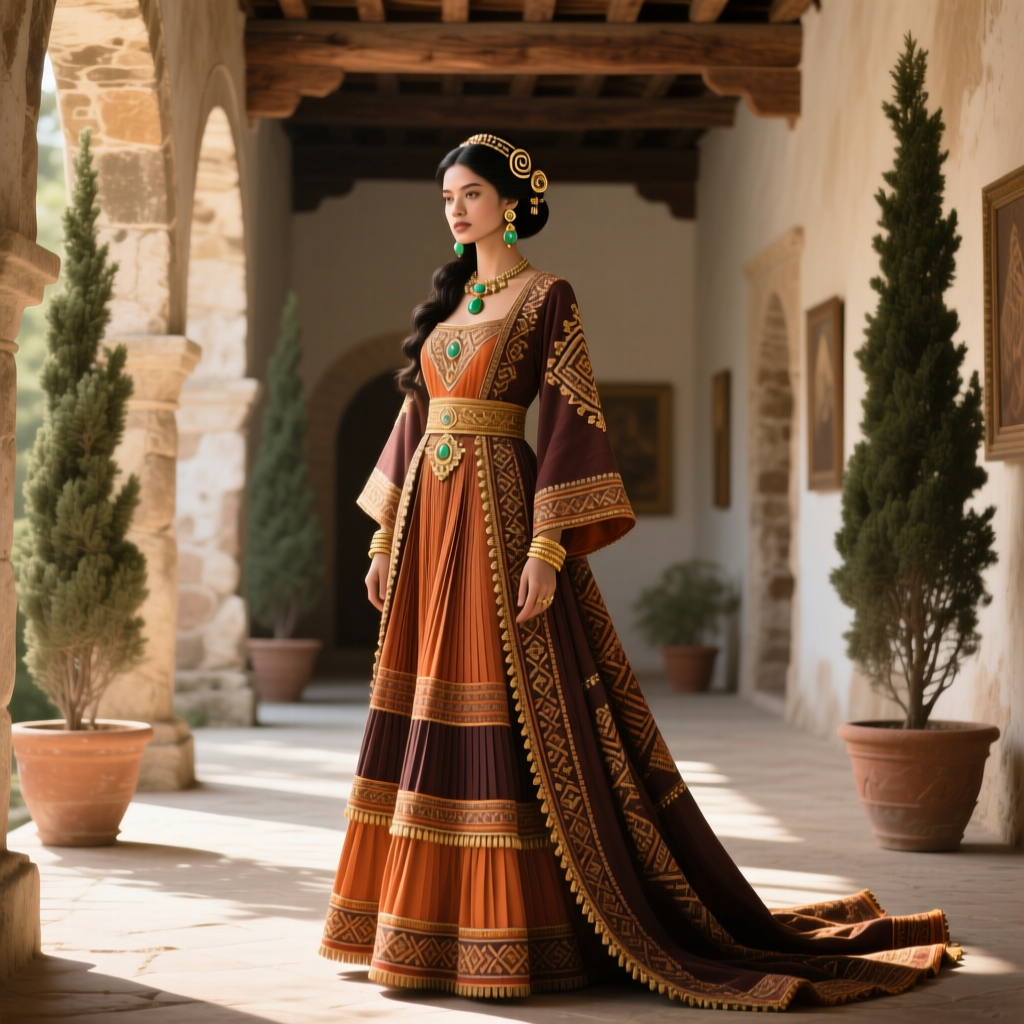
Sustainable Fashion: Eco-Conscious Style

Dressing for the Planet
Sustainable fashion isn't just a trend — it's a necessary shift in how we think about clothing. The fashion industry produces 10% of global carbon emissions and is the second-largest consumer of water worldwide.
Choosing Eco-Friendly Fabrics
Organic cotton uses 91% less water than conventional cotton. Linen (from flax) requires minimal irrigation and pesticides. Hemp grows rapidly without chemicals. Tencel (lyocell) is produced from sustainably harvested wood pulp in a closed-loop process.
Slow Fashion Principles
Buy fewer, better pieces. Choose timeless designs over fast-fashion trends. Invest in repair and alteration rather than replacement. A single high-quality garment worn 200 times has a fraction of the environmental impact of five cheap items worn 20 times each.
Second-Hand and Vintage
Pre-owned clothing extends garment lifespans and reduces demand for new production. Vintage pieces often feature superior construction and unique designs unavailable in mass-market fashion. Online platforms have made quality second-hand shopping accessible worldwide.