Traditional Occasion Dress Guide
Traditional Occasion Dress: A Complete Styling Guide for Ceremonial & Celebratory Wear
There is something profoundly moving about slipping into a garment that carries centuries of cultural meaning. Traditional occasion dress — whether it is a hand-embroidered lehenga, a meticulously draped sari, a structured cheongsam, a vibrant kente cloth ensemble, or an intricately beaded ceremonial gown — connects us to lineage, community, and identity in ways that contemporary fashion rarely can. These are not merely clothes; they are wearable archives of artistry, symbolism, and belonging.
Yet for many, navigating the world of traditional occasion dress can feel overwhelming. How do you honor the heritage embedded in a garment while making it feel personal and current? What accessories complement rather than compete? How do you adapt a family heirloom for a modern celebration without losing its soul?
This guide is your comprehensive resource for styling, wearing, and investing in traditional occasion dress. Whether you are attending a wedding, a religious ceremony, a cultural festival, or a milestone celebration, you will find practical advice rooted in respect for craftsmanship and cultural significance. For a deeper exploration of specific garments, browse our complete garment guides or explore our cultural heritage collection to understand the stories woven into every thread.
Understanding Traditional Occasion Dress: What Qualifies & Why It Matters
Traditional occasion dress refers to garments rooted in cultural, regional, or ethnic traditions that are specifically designated for celebrations, ceremonies, and significant life events. Unlike everyday traditional wear, these pieces are typically characterized by richer fabrics, more elaborate embellishments, and greater symbolic weight.
Across cultures, traditional occasion dress serves several purposes simultaneously. It marks the significance of the event, communicates the wearer's cultural identity, honors ancestors and community traditions, and often signals specific social information such as marital status, regional origin, or the particular nature of the celebration being observed.
Common Categories of Traditional Occasion Dress
Traditional occasion garments span an extraordinary range of forms, but several broad categories emerge across cultures:
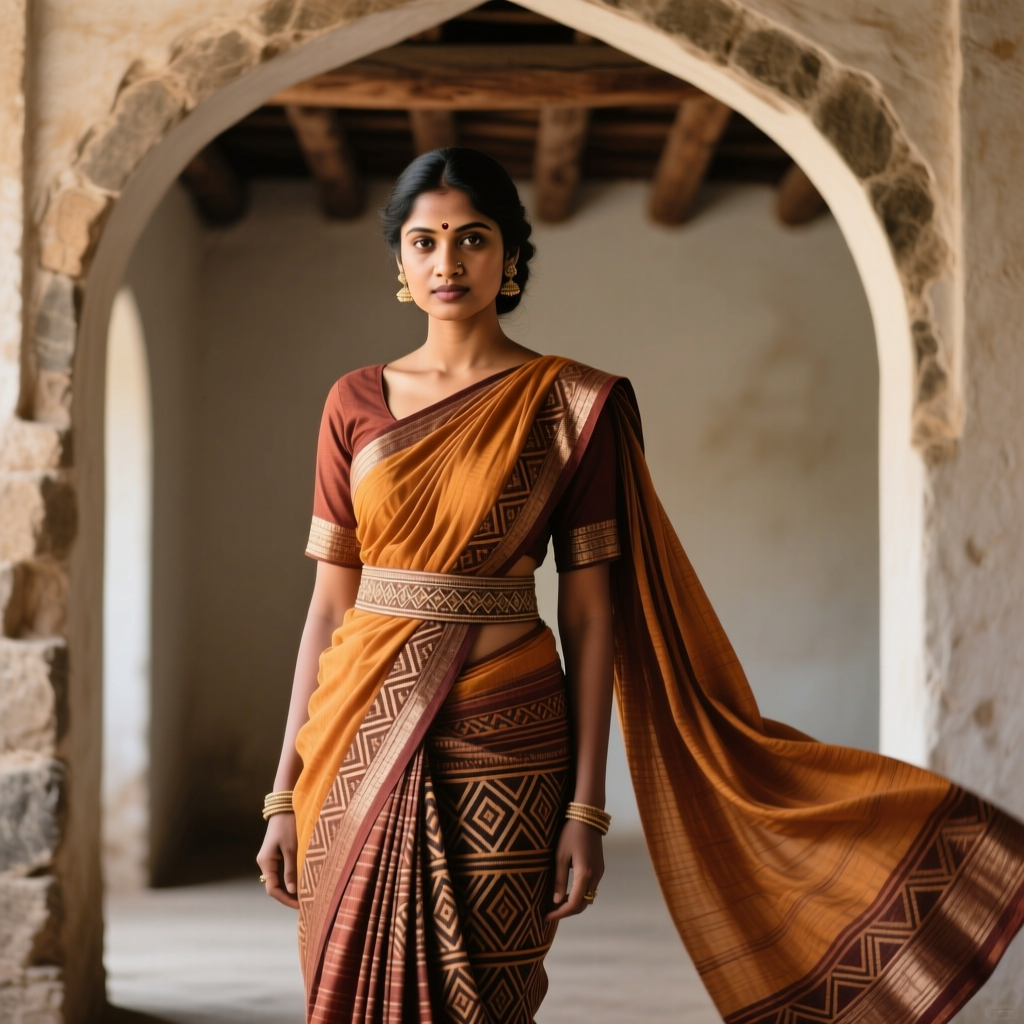
- Wrapped & Draped Garments: Saris, dhotis, kente cloth, tartans, and sarongs fall into this category. These garments rely on technique and precision of wrapping rather than tailoring, and their draping style often communicates regional or community identity.
- Tailored Ensembles: Lehengas, salwar kameez, cheongsams, hanboks, and ao dais represent structured traditional garments that combine specific silhouettes with culturally significant textile choices and embellishment patterns.
- Layered Ceremonial Sets: Japanese furisode kimono, Nigerian agbada, and Moroccan kaftan ensembles involve multiple coordinated pieces that together create a complete ceremonial look.
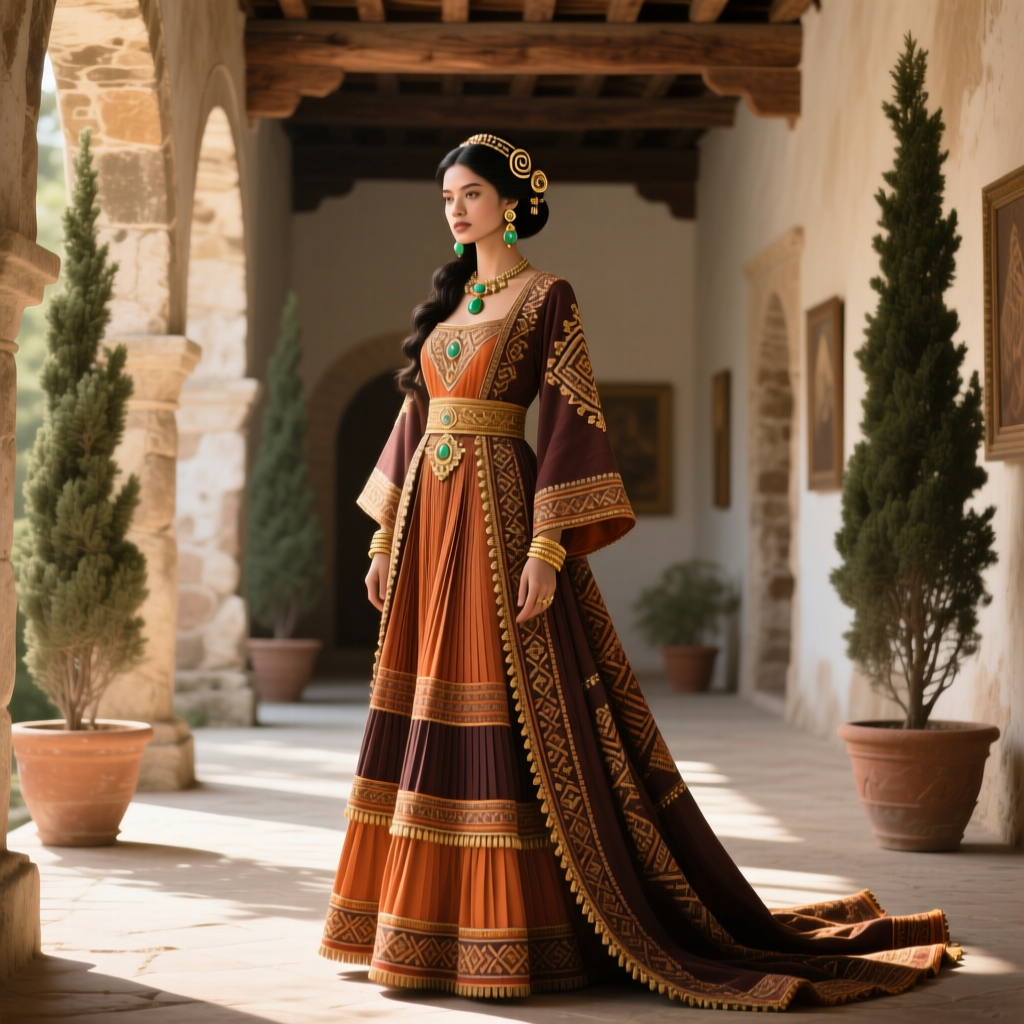
- Embroidered & Embellished Gowns: Eastern European folk dresses, Palestinian thobes, and Mexican huipiles feature region-specific embroidery that tells stories through motif and color.
Understanding which category your garment falls into helps inform styling decisions, from undergarment choices to accessory pairing. Our guide to traditional draped garments offers detailed styling advice for wrapped styles specifically.
Styling Traditional Occasion Dress for Maximum Impact
The key to styling traditional occasion dress lies in understanding the garment's inherent visual weight and building your look accordingly. A heavily embroidered lehenga demands a different styling approach than a minimalist silk cheongsam, and recognizing these differences ensures you look intentional rather than overloaded.
Let the Garment Lead
Before selecting a single accessory, study your garment carefully. Identify the dominant colors, the scale of any patterns or embellishments, the formality level suggested by the fabric, and the areas of visual interest. A sari with an elaborate pallu (decorative end piece) needs styling that keeps that element visible and celebrated, not buried under shawls or competing jewelry.
The principle is simple: the more complex the garment, the more restrained your styling should be. A heavily worked bridal lehenga may need only statement earrings and a maang tikka (forehead jewelry), while a simpler silk sari provides a canvas for bolder accessory choices.
Color Coordination Strategies
Traditional occasion dress often features rich, saturated palettes with multiple colors woven together. Rather than trying to match every color, choose one accent color from the garment's palette and echo it in your accessories, shoes, or bag. This creates cohesion without looking overly matched.
For monochromatic traditional garments — a cream Banarasi sari or an ivory hanbok, for instance — you have greater freedom to introduce color through accessories. Consider jewel-toned stones, metallic accents, or even a contrasting border or sash to add dimension.
Silhouette Considerations
Traditional garments often have distinctive silhouettes that should be preserved rather than altered. A-line lehengas, column-like cheongsams, and voluminous boubous each create a specific visual line that is part of their cultural identity. When styling, ensure your undergarments support the intended silhouette — this may mean investing in specific petticoats, shapewear, or structural layers designed for traditional dress.
For those interested in exploring how traditional silhouettes have influenced contemporary fashion, our silhouette guide traces these connections across cultures and centuries.
Accessorizing Traditional Occasion Dress: Jewelry, Footwear & Finishing Touches
Accessories are where traditional occasion dress styling becomes deeply personal. The right pieces honor the garment's heritage while expressing your individual aesthetic. The wrong pieces can feel costumey or, worse, culturally incongruent.
Heritage Jewelry Pairing
The most reliable approach to accessorizing traditional occasion dress is to select jewelry from the same cultural tradition as the garment. A Rajasthani mirror-work ghagra pairs naturally with oxidized silver jewelry from that region. A Filipino barong-tagalog ensemble is beautifully complemented by pearl or capiz shell accessories. This approach ensures visual harmony and cultural coherence.
When heritage-specific jewelry is not available, opt for pieces that share material qualities with traditional adornments: gold or gold-toned metals for South Asian and Middle Eastern garments, jade and silver for East Asian dress, beaded and cowrie-adorned pieces for West African ensembles.
Footwear That Respects the Garment
Traditional occasion dress often has specific footwear pairings that are both aesthetically appropriate and practically necessary. The hemline of many traditional garments is calculated for a particular heel height or flat shoe. Juttis and mojaris complement South Asian ensembles, while embroidered silk slippers pair with East Asian formal dress.
If you prefer modern footwear, choose styles that echo the formality and color palette of the garment. Block-heeled sandals in metallic tones work across many traditions, while pointed-toe pumps can complement more structured garments like cheongsams and kaftans. Avoid casual footwear — sneakers and flip-flops undermine the formality that traditional occasion dress inherently communicates.
Hair, Makeup & Final Details
Traditional occasion dress often calls for hair and makeup that match its formality level. Braided styles, buns adorned with fresh flowers, and polished updos complement most traditional garments. For makeup, let the garment's color palette guide your choices — warm-toned embroidery suggests warm-toned lip and eye colors, while cool-toned garments pair with berry and plum shades.
Consider also the practical aspects: if your garment involves draping over the head, plan a hairstyle that will not be disrupted. If you will be eating at a long celebration, avoid overly delicate embellishments near the neckline that could be damaged.
Occasions & Contexts: When to Wear Traditional Dress
Understanding the appropriate contexts for traditional occasion dress ensures you honor both the garment and the event. While some occasions practically demand traditional attire, others offer opportunities to introduce heritage pieces in thoughtful ways.
Weddings & Marriage Ceremonies
Weddings remain the most common context for traditional occasion dress across cultures. As a bride or groom, traditional wedding garments carry immense symbolic weight — colors, motifs, and fabrics are often prescribed by tradition and carry wishes for prosperity, fertility, and happiness. As a guest, wearing traditional occasion dress demonstrates respect for the families and the cultural significance of the ceremony.
When attending a wedding from a culture not your own, research appropriate attire choices carefully. Some colors may be reserved for the couple, and certain levels of embellishment may be inappropriate for guests. When in doubt, ask the hosts — most families appreciate the effort to participate respectfully.
Religious & Spiritual Ceremonies
Many religious ceremonies have traditional dress expectations that go beyond modesty requirements. Temple visits, religious holiday celebrations, baptism and naming ceremonies, and pilgrimage events often call for specific traditional garments that connect the spiritual practice to cultural heritage. Learn more about the intersection of dress and spiritual practice in our ceremonial dress traditions resource.
Cultural Festivals & National Celebrations
Independence days, harvest festivals, New Year celebrations according to various cultural calendars, and diaspora community events are ideal occasions for traditional occasion dress. These events celebrate cultural identity explicitly, making traditional garments not just appropriate but encouraged.
Milestone Celebrations
Significant birthdays, anniversaries, graduation ceremonies, and retirement celebrations offer opportunities to wear traditional occasion dress in contexts where it makes a meaningful statement. A 60th birthday celebration, a 25th anniversary renewal of vows, or a graduation from a culturally significant institution are all moments where heritage garments add depth and meaning to the occasion.
Modern Adaptations: Honoring Heritage While Embracing Contemporary Style
One of the most exciting developments in traditional occasion dress is the growing movement of designers and wearers who thoughtfully adapt heritage garments for contemporary contexts. This is not about diluting tradition but about ensuring its continued relevance and vitality.
Fabric & Textile Innovations
Modern textile technology has made traditional occasion dress more comfortable and practical without sacrificing visual impact. Lightweight versions of traditionally heavy brocades, wrinkle-resistant silks, and breathable blends allow wearers to enjoy heritage garments through long celebrations without discomfort. Many contemporary designers working with traditional techniques now offer garments in these updated fabrics alongside classic options.
Silhouette Remixing
Cross-pollination between traditional garment forms and contemporary silhouettes has produced stunning results. Cape-style blouses paired with traditional skirts, structured blazers worn over embroidered dresses, and dhoti-pants styled with modern crop tops all represent thoughtful adaptations that honor traditional textile arts while creating something fresh.
The key to successful silhouette remixing is maintaining respect for the cultural elements you are working with. Use authentic textiles and traditional embellishment techniques even when the cut is contemporary. This ensures the garment remains connected to its heritage rather than becoming a superficial appropriation of visual motifs.
Mixing Traditions Thoughtfully
For individuals from multicultural backgrounds or couples from different traditions, blending elements from multiple traditional dress customs can create deeply personal occasion wear. A bride might wear a sari draped in one tradition with jewelry from another, or incorporate textile elements from both families' heritages into a single custom garment.
Successful mixing requires genuine understanding of each tradition involved. Work with designers and artisans who understand the cultural significance of the elements you are combining, and approach the process as a meaningful synthesis rather than a superficial mash-up.
For more on how contemporary designers are navigating these waters, explore our contemporary heritage fashion feature.
Buying Guide: How to Invest in Traditional Occasion Dress
Traditional occasion dress represents a significant investment — financially, culturally, and emotionally. Whether you are purchasing your first heritage garment or adding to a collection, these guidelines will help you make informed decisions.
Where to Buy
The best sources for authentic traditional occasion dress include specialized boutiques in cultural districts, direct-from-artisan cooperatives, established designers who work within specific traditions, and reputable online platforms that verify the provenance of their garments. Avoid mass-market retailers selling "ethnic-inspired" pieces, as these often appropriate designs without supporting the communities that originated them.
When buying online, look for sellers who provide detailed information about the garment's origin, the artisans who made it, the materials used, and the cultural context of the design. Transparency is a strong indicator of authenticity and ethical production.
What to Look For in Quality
Assess the quality of traditional occasion dress by examining several factors:
- Fabric integrity: Natural fibers like silk, cotton, wool, and linen are traditional choices that age well. Check for even weaving, consistent dyeing, and a hand-feel that suggests quality rather than synthetic substitutes.
- Embellishment quality: Hand embroidery, hand-beading, and traditional printing techniques show slight irregularities that distinguish them from machine work. Examine the back of embroidered pieces — quality handwork looks nearly as neat on the reverse side.
- Construction: Seams should be finished cleanly, linings should be present where appropriate, and structural elements like boning or padding should be securely integrated.
- Dye fastness: Test a small hidden area with a damp white cloth to ensure colors will not bleed during wear or storage.
Budget Considerations
Authentic traditional occasion dress ranges widely in price depending on materials, technique complexity, and artisan reputation. Hand-woven silk garments with intricate embroidery represent the highest tier and can cost thousands, while machine-assisted pieces using traditional patterns offer more accessible entry points without sacrificing cultural authenticity.
Consider traditional occasion dress as a long-term investment. A quality garment, properly cared for, can last decades and be passed down through generations. This perspective makes spending more on quality justifiable, as the cost per wear decreases dramatically over the garment's lifetime.
Custom & Made-to-Order Options
For the best fit and most personal connection to your garment, consider commissioning a custom piece. Many traditional artisans and designers accept custom orders that allow you to select fabrics, colors, embellishments, and silhouette details. This process takes longer — often several weeks to months — but produces a garment that is uniquely yours while supporting traditional craftsmanship directly.
Our guide to buying vintage traditional garments is also an excellent resource if you are interested in acquiring heritage pieces with history and character.
Care & Preservation of Traditional Occasion Dress
Traditional garments often require specialized care that differs significantly from contemporary clothing maintenance. Proper care ensures your investment endures and can be worn — and eventually passed down — for generations.
Storage Best Practices
Store traditional occasion dress in breathable garment bags made of cotton or muslin, never plastic. Acid-free tissue paper should be used to stuff sleeves, bodices, and folds to prevent permanent creasing. Heavily embellished garments should be stored flat when possible to prevent stress on embroidery threads and beadwork.
Keep garments in a cool, dark, dry environment. Cedar blocks or lavender sachets can deter moths naturally without the harsh chemicals that might damage delicate fabrics and dyes.
Cleaning Considerations
Most traditional occasion dress requires professional dry cleaning from specialists experienced with heritage textiles. Some hand-woven and naturally dyed fabrics can be damaged by standard dry-cleaning chemicals, so always communicate the garment's materials and origin to your cleaner. For minor freshening between wears, air garments outdoors in shade and use a handheld steamer on low heat to release wrinkles.
Frequently Asked Questions
Can I wear traditional occasion dress from a culture that is not my own?
This question requires nuance and sensitivity. In general, wearing traditional dress from another culture is most appropriate when you have been invited to do so by members of that culture — for example, wearing a sari to an Indian wedding at the family's suggestion, or donning a kimono at a Japanese tea ceremony hosted by Japanese friends. The key factors are context, invitation, respect, and genuine appreciation rather than appropriation. Avoid wearing traditional garments as costumes, for novelty, or without understanding their cultural significance. When uncertain, ask someone from that culture for guidance — most people appreciate sincere questions far more than silent assumptions.
How do I determine the correct size for traditional occasion dress?
Traditional garments often use sizing systems different from contemporary Western sizing, and many are designed to be customized through draping, wrapping, or tying rather than precise tailoring. For draped garments like saris and dhotis, size is less critical as the wrapping technique accommodates a range of body types. For tailored garments like lehengas, cheongsams, and kaftans, take accurate measurements of your bust, waist, hips, and desired length, then compare these to the seller's specific size chart. When possible, order a size slightly larger than you think you need — it is easier to take in a garment than to let it out, especially with traditional embellishments that make alterations complex.
What undergarments should I wear with traditional occasion dress?
The correct undergarments depend entirely on the specific garment tradition. Many traditional dresses require specific foundational layers: a sari needs a well-fitted petticoat and a blouse with appropriate support; a lehenga requires a flared petticoat to maintain the skirt's volume; a cheongsam benefits from seamless undergarments that do not disrupt the clean lines. Research the specific undergarment traditions associated with your garment, or consult the seller or a knowledgeable stylist. Modern shapewear can often substitute for traditional foundational garments, but ensure it does not alter the intended silhouette in unintended ways.
How can I modernize a family heirloom garment without damaging it?
There are several non-destructive ways to update a family heirloom for contemporary wear. Pair it with modern accessories — contemporary jewelry, a structured clutch, or sleek footwear can shift the overall impression without altering the garment itself. Consider how the garment is styled: a sari can be draped in a contemporary style, a vintage kaftan can be belted for a more defined silhouette, and an heirloom embroidered jacket can be worn over a modern dress. If you want to make permanent alterations, consult a specialist in heritage textiles first. Some changes, like updating a blouse or replacing a lining, can modernize the look while preserving the most valuable elements of the original piece. Always document the garment's original state before making any changes.
What is the best way to travel with traditional occasion dress?
Traveling with traditional occasion dress requires planning to prevent wrinkles, damage, and loss. Carry the garment in your hand luggage whenever possible, using a garment bag that fits in the overhead compartment. For heavily embellished pieces, roll rather than fold to prevent beadwork and embroidery from being crushed. Place acid-free tissue paper between folds and layers. Upon arrival, unpack immediately and hang the garment in a steamy bathroom to release travel wrinkles. If the garment requires specific draping or wrapping, practice before your trip so you can dress efficiently at your destination. For destination weddings and events, consider shipping the garment ahead via insured courier and having it professionally pressed upon arrival.
Traditional occasion dress represents one of fashion's most meaningful categories — garments that transcend trend and utility to become vessels of memory, identity, and cultural continuity. Whether you are wearing a piece passed down through your family, investing in your first heritage garment, or thoughtfully incorporating traditional elements into a contemporary celebration, the care and intention you bring to styling these pieces honors the artisans, ancestors, and communities that created them.
Explore more styling insights in our style section, or dive deeper into the stories behind the garments in our cultural heritage archives.