Traditional Clothing Accessories: A Complete Styling Guide
Accessories have always been the silent storytellers of fashion. Long before contemporary trends dictated what we wear, traditional clothing accessories carried meaning, identity, and artistry across generations. From intricately embroidered shawls draped over shoulders in the highlands of Scotland to the ornate silver jewelry of Southeast Asian hill tribes, these pieces were never mere afterthoughts — they were essential components of cultural expression.
Today, there is a growing movement to reintegrate these heritage pieces into everyday wardrobes. Whether you are drawn to the craftsmanship of handwoven textiles, the symbolism behind ceremonial belts, or the timeless elegance of artisan metalwork, traditional accessories offer a depth that mass-produced fashion simply cannot replicate. This guide explores how to thoughtfully style traditional clothing accessories, honoring their origins while making them relevant to contemporary life.
If you are new to exploring global garment traditions, our global garment overview provides an excellent starting point for understanding the rich tapestry of world clothing before diving into accessorizing.
Essential Traditional Accessories & How to Style Them
Traditional clothing accessories span a remarkably diverse range of items, each rooted in specific cultural practices and aesthetic philosophies. Understanding the key categories will help you build a collection that is both meaningful and versatile.
Scarves, Shawls & Wraps
Perhaps the most universally recognized traditional accessories, scarves and shawls appear in nearly every culture worldwide. The Indian dupatta, the Scottish plaid, the Mexican rebozo, and the Palestinian keffiyeh each represent distinct weaving traditions, dyeing techniques, and symbolic languages.
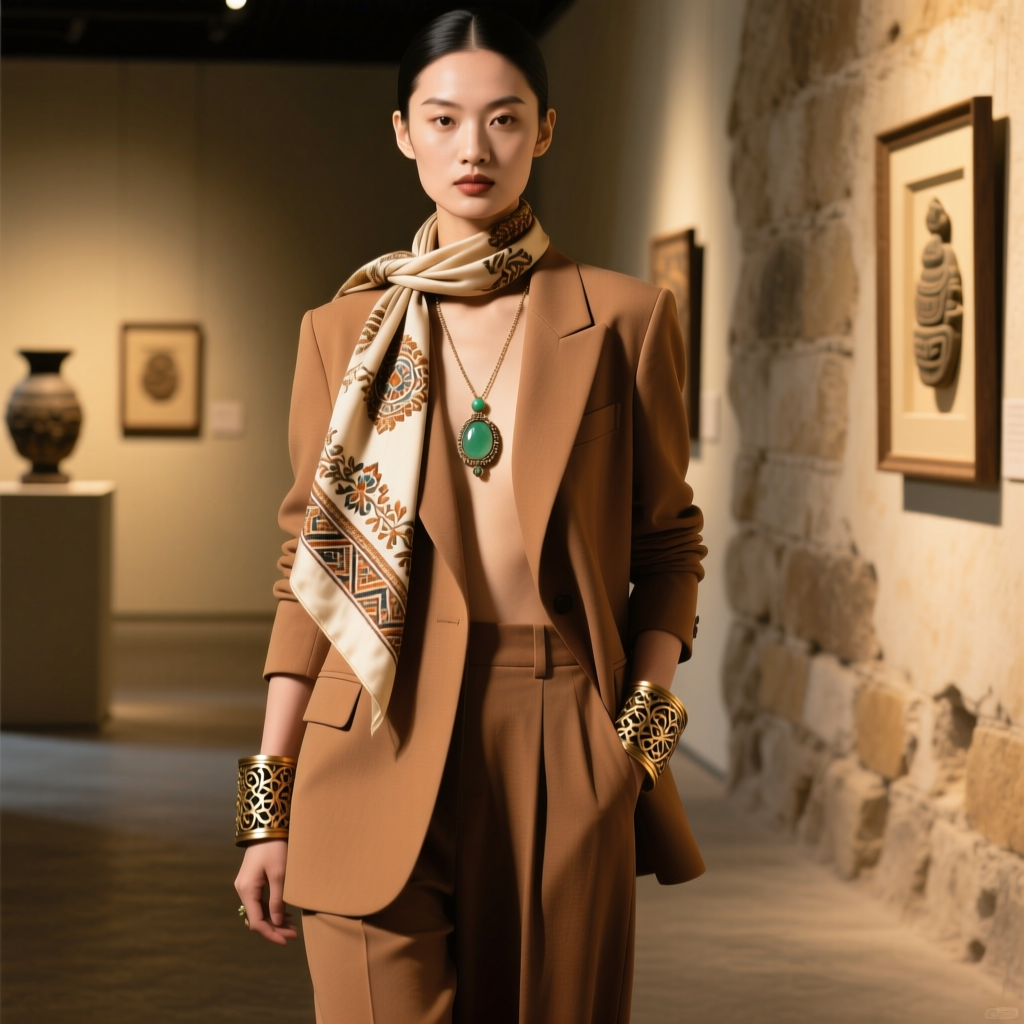
Styling tip: Drape a handwoven shawl over a tailored blazer for a sophisticated fusion look. A silk dupatta paired with a simple sheath dress creates an elegant silhouette suitable for both professional settings and evening events. Avoid overwhelming your outfit — let the textile be the focal point by keeping the rest of your ensemble relatively understated.
Belts & Sashes
From the wide obi of Japanese kimono culture to the beaded leather belts of Native American traditions, waist accessories have historically served both functional and decorative purposes. They define silhouettes, signify social status, and often carry protective symbolism.
Styling tip: A woven textile sash can transform a basic midi dress into a statement outfit. Cinch it at the natural waist to create structure. For a more subtle approach, thread a slim embroidered belt through the loops of high-waisted trousers to add a whisper of heritage craftsmanship to your daily look.
Jewelry & Metalwork
Traditional jewelry encompasses an extraordinary range — from the heavy silver coin necklaces of Central Asian nomadic tribes to the delicate filigree earrings of Mediterranean artisans, from the coral and turquoise pieces of Southwestern cultures to the gold temple jewelry of South India.
Styling tip: Pair a single bold heritage piece with minimalist modern clothing. A substantial Berber pendant necklace against a plain linen tunic creates striking visual contrast. Resist the urge to layer too many statement pieces simultaneously; traditional jewelry commands attention and deserves space to breathe. Explore our ethnic jewelry styling guide for deeper inspiration on accessorizing with artisan metalwork.
Headwear & Hair Accessories
Traditional headwear ranges from the elaborately embroidered topi caps of South Asia to the feathered fascinators of European millinery, from the woven straw hats of East African communities to the beaded hair ornaments of Indigenous American cultures.
Styling tip: A felted wool beret with subtle traditional embroidery adds character to a winter coat ensemble. Beaded hair pins inspired by East Asian traditions can elevate a simple updo for special occasions. When incorporating traditional headwear into daily life, consider scale and proportion — smaller, more refined pieces integrate more seamlessly into contemporary wardrobes.
Footwear & Leg Accessories
Handcrafted traditional footwear — such as Mexican huaraches, Indian juttis, Turkish yemeni slippers, and Japanese zori sandals — represent some of the most wearable heritage accessories available today. Many traditional shoe forms have already been adapted for modern comfort while retaining their distinctive aesthetic character.
Styling tip: Embroidered juttis pair beautifully with cropped trousers, midi skirts, and even denim. They add an unexpected artisanal touch to otherwise conventional outfits. For colder months, consider leather moccasin-style boots that draw on Indigenous North American design traditions.
Matching Accessories to Occasions
Understanding when and how to wear traditional accessories ensures that your styling choices feel appropriate, respectful, and polished. Different settings call for different approaches to heritage accessorizing.
Everyday & Casual Wear
For daily styling, choose accessories that are durable, comfortable, and relatively understated. Woven cotton scarves, simple leather belts with traditional tooling, small stud earrings inspired by heritage motifs, and canvas tote bags featuring traditional block prints all integrate effortlessly into casual wardrobes.
The key principle is subtlety. A single well-chosen traditional accessory elevates a jeans-and-tee combination without appearing costumey. Think of these pieces as conversation starters — items that invite questions about craftsmanship and origin rather than dominating your entire appearance.
Professional & Office Settings
In professional environments, lean toward refined interpretations of traditional accessories. A silk scarf tied at the neck, a slim belt with understated metalwork, or a pair of heritage-inspired leather loafers can add personality to business attire while maintaining a polished aesthetic.
Opt for accessories in a cohesive color palette that complements rather than clashes with your workwear. Neutral-toned traditional textiles — think undyed wool, natural linen, or muted vegetable-dyed cottons — tend to integrate most smoothly into professional settings.
Celebrations & Ceremonial Events
Weddings, festivals, cultural celebrations, and formal gatherings provide the perfect opportunity to showcase your most elaborate traditional accessories. This is the moment for the heavily embroidered shawl, the layered necklace set, the ornate hair comb, or the fully beaded clutch bag.
When attending cultural celebrations that are not your own, approach accessorizing with sensitivity and awareness. Research the significance of specific items, support authentic artisans rather than purchasing cheap imitations, and when in doubt, err on the side of respectful simplicity. Our cultural dress etiquette guide offers thoughtful guidance on navigating these situations with grace.
Modern Adaptations: Blending Heritage With Contemporary Fashion
The most exciting developments in traditional accessory styling occur at the intersection of heritage craftsmanship and modern design sensibility. Designers and artisans worldwide are finding innovative ways to honor traditional techniques while creating pieces that feel fresh and relevant.
Contemporary Silhouettes, Traditional Techniques
Many modern artisans apply age-old techniques — hand embroidery, natural dyeing, beadwork, metal casting — to contemporary accessory forms. You might find a structured leather handbag featuring traditional suzani embroidery, a pair of minimalist drop earrings crafted using ancient granulation methods, or a sleek wool scarf woven on heritage looms using patterns that are centuries old.
These hybrid pieces are ideal for people who want to carry cultural heritage into their daily lives without adopting a fully traditional aesthetic. They bridge worlds beautifully and often spark meaningful conversations about craft preservation.
Layering Traditional & Modern Accessories
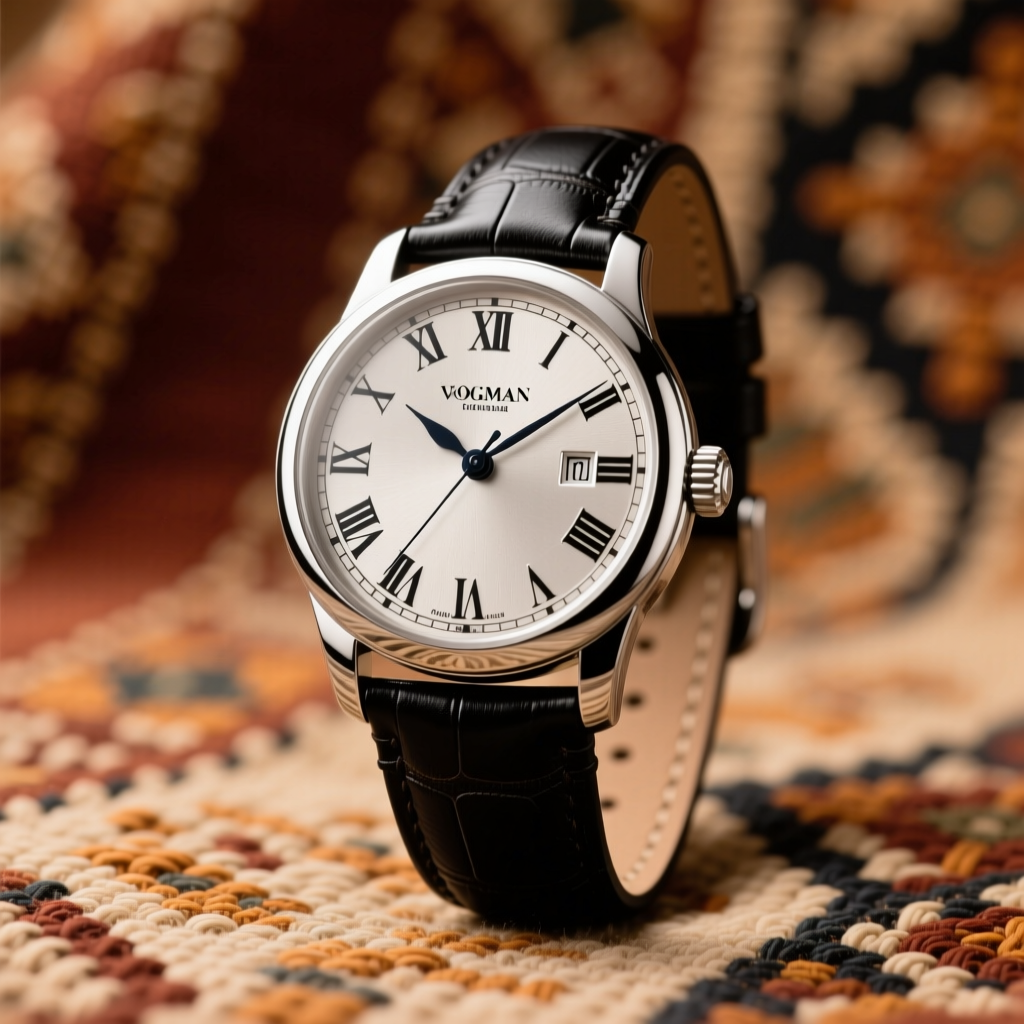
One of the most effective styling strategies involves layering traditional and contemporary accessories together. Try stacking a single hammered silver bangle alongside your modern watch. Drape a traditional printed scarf through the handles of a structured designer handbag. Wear artisan beaded sandals with a contemporary linen jumpsuit.
The tension between old and new creates visual interest and communicates a thoughtful, curated approach to personal style. The goal is dialogue between eras, not imitation of any single period.
Upcycling & Repurposing Heritage Textiles
Vintage and antique textiles can be transformed into modern accessories with the help of a skilled tailor or leatherworker. An old embroidered table runner might become a stunning clutch bag. Fragments of vintage brocade can be set into modern pendant frames. Remnants of handwoven fabric can be mounted on contemporary belt blanks.
This approach not only creates utterly unique accessories but also extends the life of heritage textiles that might otherwise deteriorate unused. Visit our vintage textile care guide for tips on preserving and working with antique fabrics.
Buying Guide: Sourcing Authentic Traditional Accessories
Building a collection of traditional clothing accessories requires knowledge, discernment, and a commitment to ethical sourcing. Here is what you need to know before making purchases.
Prioritize Authentic Artisans
The most important principle is to buy directly from artisans or from verified cooperatives whenever possible. This ensures that the people who create these pieces receive fair compensation and that the craft traditions are economically sustained. Look for sellers who provide detailed information about the makers, the techniques used, and the cultural origins of each piece.
Fair trade certifications, artisan cooperative memberships, and direct-trade relationships are all positive indicators. Be wary of vague descriptions like "ethnic-inspired" or "tribal-style" — these often signal mass-produced imitations that neither honor nor support the originating cultures.
Assess Materials & Craftsmanship
Authentic traditional accessories are typically made from natural materials: hand-spun cotton, silk, wool, linen, vegetable-tanned leather, sterling silver, natural stones, and plant-based dyes. Examine stitching, weave consistency, dye penetration, and hardware quality.
Handmade pieces will show slight variations — these are features, not flaws. Perfect uniformity often indicates machine production. Learn to appreciate the subtle irregularities that signal human hands at work. Our natural fabrics guide can help you identify quality materials.
Understand Pricing
Genuine handcrafted traditional accessories require significant time and skill to produce. If a price seems too good to be true, it probably is. A hand-embroidered shawl that took weeks to create cannot legitimately sell for the price of a factory-printed scarf. Investing in quality pieces means paying prices that reflect the artisan's expertise and labor.
That said, buying directly from source communities — whether through travel, direct online cooperatives, or reputable importers — often provides better value than purchasing through multiple layers of retail markup.
Consider Versatility
Before purchasing, think about how the accessory will integrate with your existing wardrobe. Pieces in neutral tones or classic patterns tend to offer more styling flexibility. Consider the climate you live in, the occasions you will wear the piece for, and how it coordinates with your color palette.
A well-chosen traditional accessory should feel like a natural extension of your personal style — not a costume piece that lives in the back of a drawer.
Care & Maintenance
Traditional accessories often require specific care to maintain their beauty and integrity. Hand-embroidered items may need gentle hand washing. Silver jewelry benefits from regular polishing and proper storage. Natural-dyed textiles should be kept out of prolonged direct sunlight to prevent fading.
Invest time in learning the care requirements of each piece in your collection. Proper maintenance ensures these accessories last for decades and can even be passed down as heirlooms. Check our garment care essentials for comprehensive maintenance advice.
Frequently Asked Questions
How do I wear traditional accessories without appropriating other cultures?
Cultural appreciation becomes appropriation when items are worn without understanding, respect, or regard for their significance. To wear traditional accessories thoughtfully, educate yourself about their origins and meanings. Purchase from authentic artisans rather than fast-fashion retailers. Avoid wearing sacred or ceremonial items as casual fashion statements. When invited to participate in a cultural celebration, follow the guidance of your hosts. The line between appreciation and appropriation is largely defined by respect, knowledge, and the economic relationship you have with the originating community.
Can I mix traditional accessories from different cultures in one outfit?
Yes, with thoughtfulness. Mixing heritage accessories from different traditions can create a beautifully eclectic personal style when done intentionally. The key is to treat each piece with equal respect and to avoid creating a chaotic or costumey effect. Limit yourself to one or two statement pieces from different traditions and anchor them with neutral, contemporary clothing. The goal is a curated, global aesthetic — not a pastiche that trivializes the significance of any single tradition.
Where is the best place to buy authentic traditional accessories online?
Look for platforms that specialize in fair trade and artisan-direct sales. Reputable options include certified fair trade marketplaces, artisan cooperative websites, museum gift shops that partner with craft organizations, and individual artisan studios with direct online presence. Always research the seller's relationship with the makers. Transparency about sourcing, artisan compensation, and cultural origins is a strong indicator of ethical business practices. Read our artisan communities feature to learn more about the people behind these extraordinary crafts.
How do I care for delicate handmade traditional jewelry?
Handmade traditional jewelry often uses materials and construction methods that require specialized care. Store pieces individually in soft cloth pouches to prevent scratching. Keep silver items in anti-tarnish bags. Avoid exposing beaded or threadwork jewelry to water, perfumes, or lotions. Clean metal pieces gently with a soft polishing cloth rather than harsh chemical solutions. For antique or particularly fragile pieces, consult a conservation specialist before attempting any cleaning. Regular, gentle maintenance is always preferable to aggressive restoration after damage occurs.
Are traditional accessories a sustainable fashion choice?
In many ways, yes. Traditional accessories are typically handcrafted from natural, biodegradable materials using low-energy production methods that have been refined over centuries. They are designed for longevity rather than disposability, and purchasing them directly supports small-scale artisan economies rather than industrial manufacturing. However, sustainability also depends on responsible sourcing of raw materials — ensure that leather, metals, and gemstones are obtained through ethical supply chains. When you invest in well-made traditional accessories and care for them properly, you are participating in one of the most sustainable approaches to fashion possible: buying fewer, better things that last a lifetime.
Traditional clothing accessories are more than decorative additions to an outfit — they are tangible connections to human creativity, cultural memory, and artisanal excellence. By choosing to incorporate these pieces into your wardrobe with knowledge and respect, you become part of a living tradition that bridges past and present. Start with a single meaningful piece, learn its story, and let your collection grow organically. The world of heritage accessories is vast, beautiful, and endlessly rewarding for those who approach it with curiosity and care.
Continue exploring the rich world of global fashion by browsing our style section for more guides on integrating heritage garments and accessories into your everyday wardrobe.