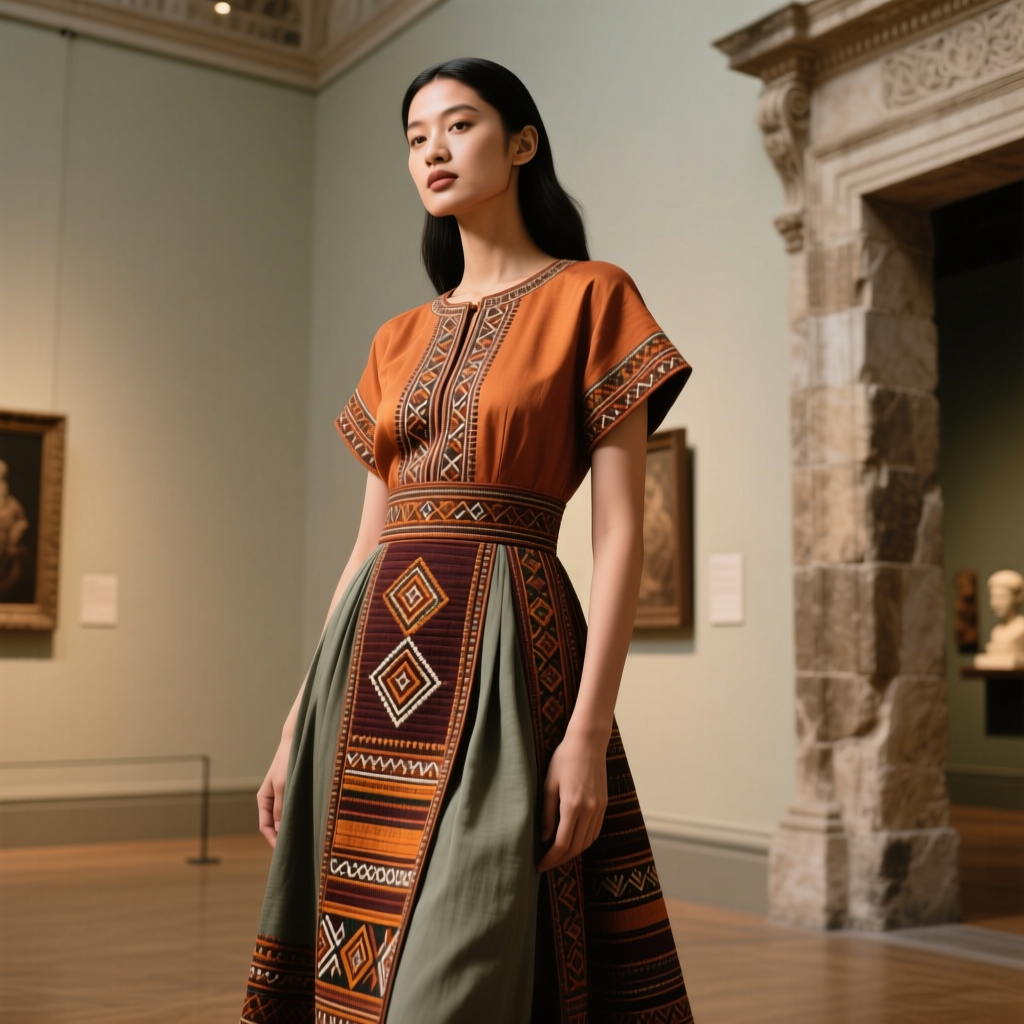
Traditional Dress Men Prompt: A Modern Styling Guide to Heritage Menswear
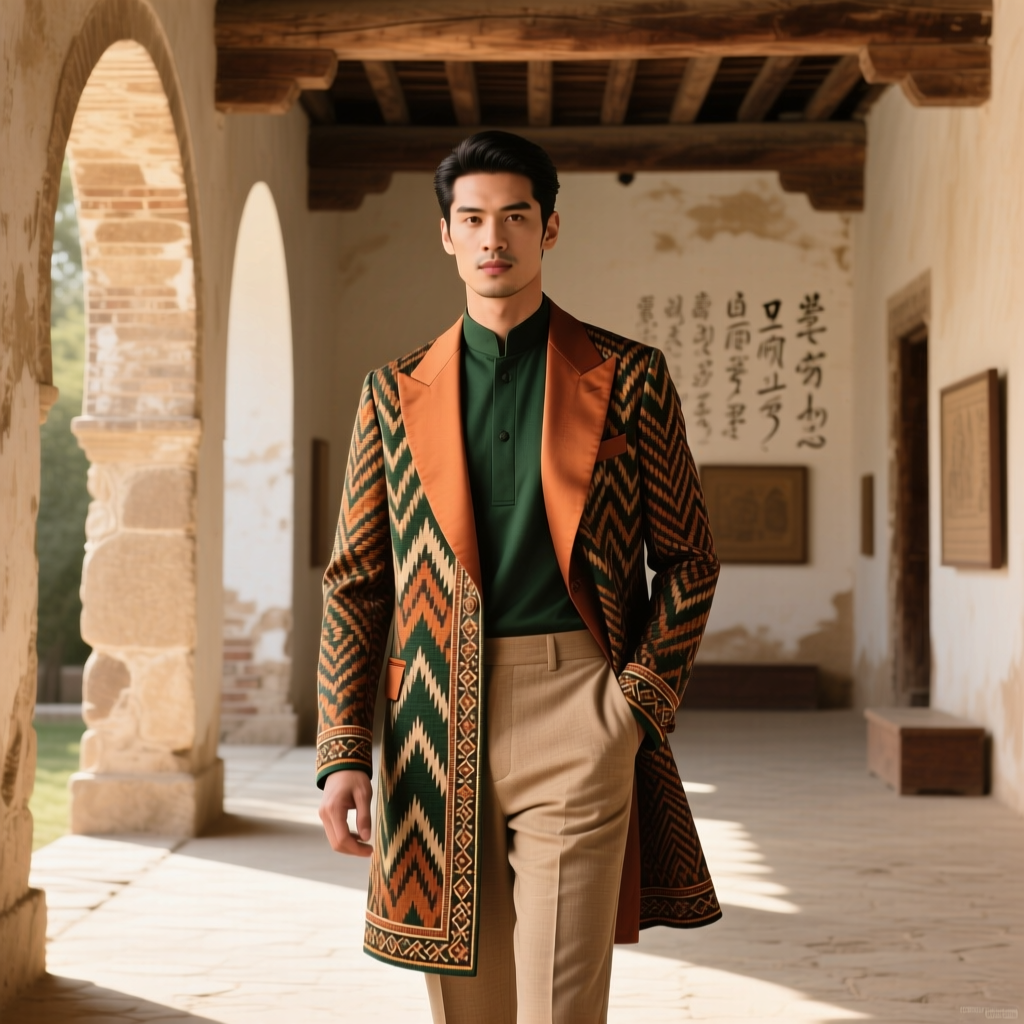
The intersection of cultural heritage and contemporary menswear offers a rich tapestry of sartorial expression. For many men, integrating traditional dress into a modern wardrobe feels daunting. This is where the concept of a "style prompt" becomes invaluable. A traditional dress men prompt is not merely a digital generation tool; it is a conceptual starting point, a thematic cue that bridges ancestral craftsmanship with modern silhouettes. Whether you are drawing inspiration from the structured elegance of East Asian garments or the vibrant drapery of West African textiles, utilizing style prompts allows you to honor cultural roots while maintaining a sharp, contemporary edge. In this comprehensive guide from The Garment Atlas, we explore how to use traditional dress prompts to elevate your wardrobe, complete with styling tips, accessory pairings, and a curated buying guide.
Decoding the Traditional Dress Style Prompt
In the realm of modern styling, a "prompt" acts as a creative directive. When applied to traditional menswear, a style prompt helps you visualize how heritage garments can be adapted for today's world. It moves you past the intimidation of cultural formality and into the realm of everyday elegance. By establishing a clear stylistic intention—such as blending rugged ancestral textiles with minimalist streetwear, or pairing ceremonial embroidery with tailored trousers—you create a cohesive look that respects the garment's origins while asserting your personal style. Exploring global textiles provides the foundational knowledge needed to build these prompts, ensuring that every outfit tells a story of craftsmanship & culture.
4 Essential Style Prompts for Heritage Menswear
To help you navigate the vast world of traditional garments, we have developed four core style prompts. Use these as blueprints for your wardrobe, adapting them to your local climate, personal aesthetic, and cultural background.
Prompt 1: The Minimalist Ancestral
The Directive: Strip away the ornate embellishments and focus on the architectural silhouettes of traditional menswear. This prompt is perfect for the man who appreciates clean lines, subtle textures, and understated elegance.
The Execution: The cornerstone of this look is the Indian Kurta or the Mandarin-collar shirt. Opt for a kurta tailored from matte linen or raw cotton, falling just below the hip. Pair it with slim-fit, tapered trousers in a complementary neutral tone. The absence of heavy embroidery allows the natural drape of the fabric and the precision of the cut to take center stage. This prompt works exceptionally well for smart-casual office environments, gallery openings, or upscale dinners where you want to project a refined, globally-minded aesthetic.
Prompt 2: The Ceremonial Fusion
The Directive: Merge the grandeur of traditional ceremonial wear with the sharp, structured foundation of Western tailoring. This prompt is designed for weddings, galas, and high-profile cultural festivals.
The Execution: Look to the West African Agbada or the Philippine Barong Tagalog for inspiration. Instead of wearing the full, voluminous traditional ensemble, isolate the statement piece. Wear a sheer, intricately embroidered Barong over a high-quality merino wool turtleneck, paired with sharply tailored tuxedo trousers. Alternatively, drape a modern, streamlined Agbada robe over a crisp white dress shirt and slim suit trousers. The fusion of delicate heritage embroidery with the rigid structure of modern tailoring creates a striking visual contrast that commands respect & admiration.
Prompt 3: The Rugged Highland
The Directive: Embrace the heavy, tactile, and weather-resistant elements of traditional garments. This prompt draws on the rugged outdoorsman, focusing on durability, layering, and rich, earthy color palettes.
The Execution: The Scottish Highland Dress is the ultimate muse here. You do not need to wear a full kilt to capture this prompt. Incorporate heavy wool tartan trousers or a thick, woven tartan overshirt. Layer this over a thermal waffle-knit henley and pair it with rugged leather lace-up boots. Accessorize with a thick leather belt featuring an antique brass buckle. This prompt is ideal for autumn & winter months, offering a masculine, textured look that feels deeply connected to the earth and ancestral resilience.
Prompt 4: The Relaxed Artisan
The Directive: Channel the effortless, flowing comfort of traditional loungewear and artisan-crafted textiles. This prompt prioritizes breathability, movement, and the beauty of natural dyes.
The Execution: Draw inspiration from the Japanese Kimono & Yukata. A modern interpretation involves wearing a lightweight, indigo-dyed cotton kimono jacket (haori) over a simple white crew-neck t-shirt and relaxed-fit linen drawstring trousers. The focus here is on the beauty of the textile—perhaps featuring subtle sashiko stitching or traditional block printing. This prompt is your go-to for weekend travel, coastal vacations, or relaxed summer evenings, offering a sophisticated alternative to standard resort wear.
From Digital Prompts to Physical Garments
In the digital age, the term "prompt" is frequently associated with AI image generators. Many modern menswear enthusiasts and bespoke tailors now use AI platforms to visualize traditional dress concepts before committing to a physical garment. By inputting detailed prompts—such as "a modern tailored suit featuring subtle West African Kente cloth lapels, worn with minimalist leather loafers, cinematic lighting"—you can generate mood boards that bridge the gap between imagination & reality. These digital traditional dress men prompts serve as excellent communication tools when working with bespoke tailors or cultural artisans, ensuring that the final physical garment perfectly aligns with your vision of heritage meeting modernity.
Accessorizing Heritage: Completing the Look
A traditional garment can easily look like a costume if the accessories are not carefully considered. The key to modernizing heritage wear is to anchor it with contemporary, high-quality accessories that ground the outfit in the present day.
- Footwear: Avoid traditional ceremonial shoes unless you are attending a strict cultural event. Instead, pair heritage garments with minimalist leather sneakers, suede Chelsea boots, or high-quality woven leather loafers. The contrast between an ancient silhouette and a modern shoe creates a deliberate, styled appearance.
- Timepieces & Jewelry: A modern mechanical watch with a leather strap pairs beautifully with almost all traditional garments. If you wish to incorporate cultural jewelry, such as a Maasai beaded bracelet or a Celtic knot ring, keep it to a single statement piece to avoid visual clutter.
- Outerwear: When the weather turns cold, layer your traditional garments with modern outerwear. A tailored wool overcoat or a sleek, minimalist bomber jacket worn over a kurta or tunic creates a striking juxtaposition of form & function.
Occasions & Modern Adaptations
Understanding where and when to wear traditional dress is crucial for pulling off the look with confidence. The concept of smart casual heritage has opened up new venues for these garments. For the modern workplace, a structured Mandarin-collar jacket or a subtle tartan blazer communicates authority and cultural pride without violating corporate dress codes. For weddings, the Ceremonial Fusion prompt allows you to stand out while respecting the formality of the event. The key to adaptation is proportion. Traditional garments were often designed with voluminous, oversized fits to accommodate different climates and historical modesty standards. By having these pieces tailored to your modern proportions—tapering the sleeves, adjusting the hemline, and slimming the torso—you ensure the garment looks intentional & contemporary.
The Garment Atlas Buying Guide
Investing in traditional menswear requires a discerning eye for quality, authenticity, and ethical sourcing. Fast fashion brands frequently appropriate cultural designs, stripping them of their meaning and producing them with subpar synthetic materials. To build an authentic wardrobe, follow these buying guidelines:
1. Prioritize Natural Fibers: Traditional garments were originally crafted from natural materials that breathe and drape beautifully. Look for pure cotton, raw silk, linen, and wool. Familiarize yourself with silk weaving techniques to identify genuine hand-loomed textiles versus mass-produced synthetic imitations.
2. Seek Out Artisan Cooperatives: Whenever possible, purchase directly from cultural artisans or verified cooperatives. This ensures that the economic benefits of the garment return to the community that originated the design. Look for certifications or brand transparency regarding the origins of the embroidery & weaving.
3. Examine the Hardware & Finishing: The hallmark of a high-quality traditional garment lies in its finishing. Check the interior seams for clean stitching. If the garment features metal clasps, buttons, or zippers, ensure they are made from durable materials like brass, horn, or mother-of-pearl, rather than cheap plastic.
4. Understand the Drape: Different cultures utilize different tailoring philosophies. Some garments rely on complex cutting, while others rely on the strategic wrapping & folding of fabric. Always test the drape of the garment on your body before purchasing, and factor in the cost of minor alterations to achieve a perfect modern fit.
Frequently Asked Questions
How do I ensure I am wearing traditional dress respectfully?
Respect begins with education. Research the cultural significance, historical context, and appropriate usage of the garment you wish to wear. Avoid mixing sacred or highly ceremonial items with casual or inappropriate settings. Furthermore, support authentic artisans rather than purchasing mass-produced, culturally appropriated knock-offs. When in doubt, consult with members of that culture or refer to dedicated heritage guides to understand the nuances of the garment.
Can I mix traditional garments with Western streetwear?
Absolutely. The juxtaposition of heritage garments with modern streetwear is one of the most exciting movements in contemporary fashion. Pairing a traditional embroidered tunic with relaxed denim and high-top sneakers, or wearing a kimono-style jacket over a graphic hoodie, creates a dynamic, personalized look. The key is to balance the proportions and ensure that the color palettes complement rather than clash with one another.
What are the best fabrics for traditional menswear in warm climates?
For warm and humid climates, breathability is paramount. Look for traditional garments crafted from lightweight linen, organic cotton, or sheer silk organza. Fabrics like Jamaican lace, Indian Khadi cotton, and lightweight tropical wool are specifically designed to promote airflow while maintaining a structured, elegant appearance. Avoid heavy synthetic blends, as they trap heat & moisture.
How should I care for delicate heritage textiles?
Delicate heritage textiles, particularly those featuring hand-embroidery, natural dyes, or intricate beadwork, require specialized care. Always avoid harsh chemical detergents and high-heat machine drying. Hand-washing in cold water with a mild, pH-neutral soap is usually the safest method. For highly structured or fragile pieces, such as silk Agbadas or heavy wool tartans, seek out a dry cleaner who specializes in vintage or cultural garments to preserve the integrity of the fibers & dyes.