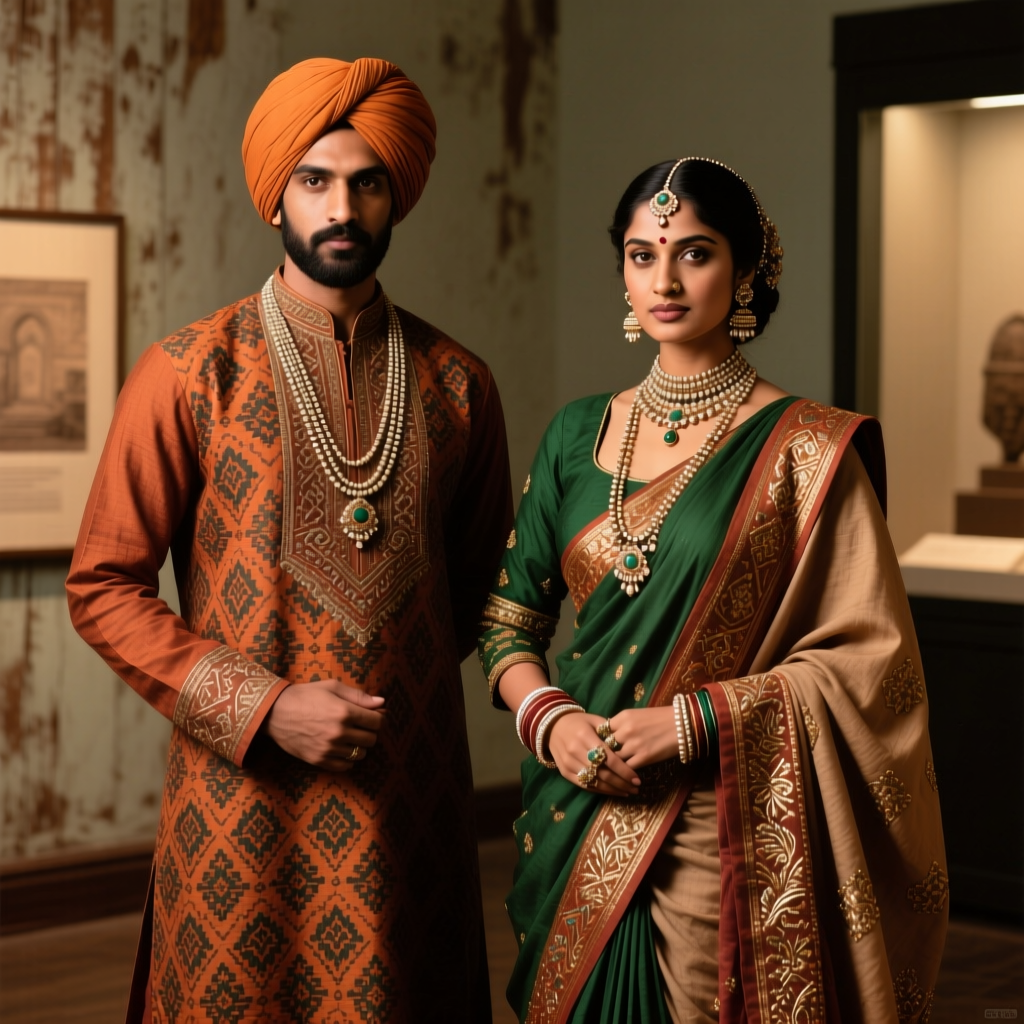
Embracing Heritage: A Styling Guide to Traditional Dress for Women in XS Sizes
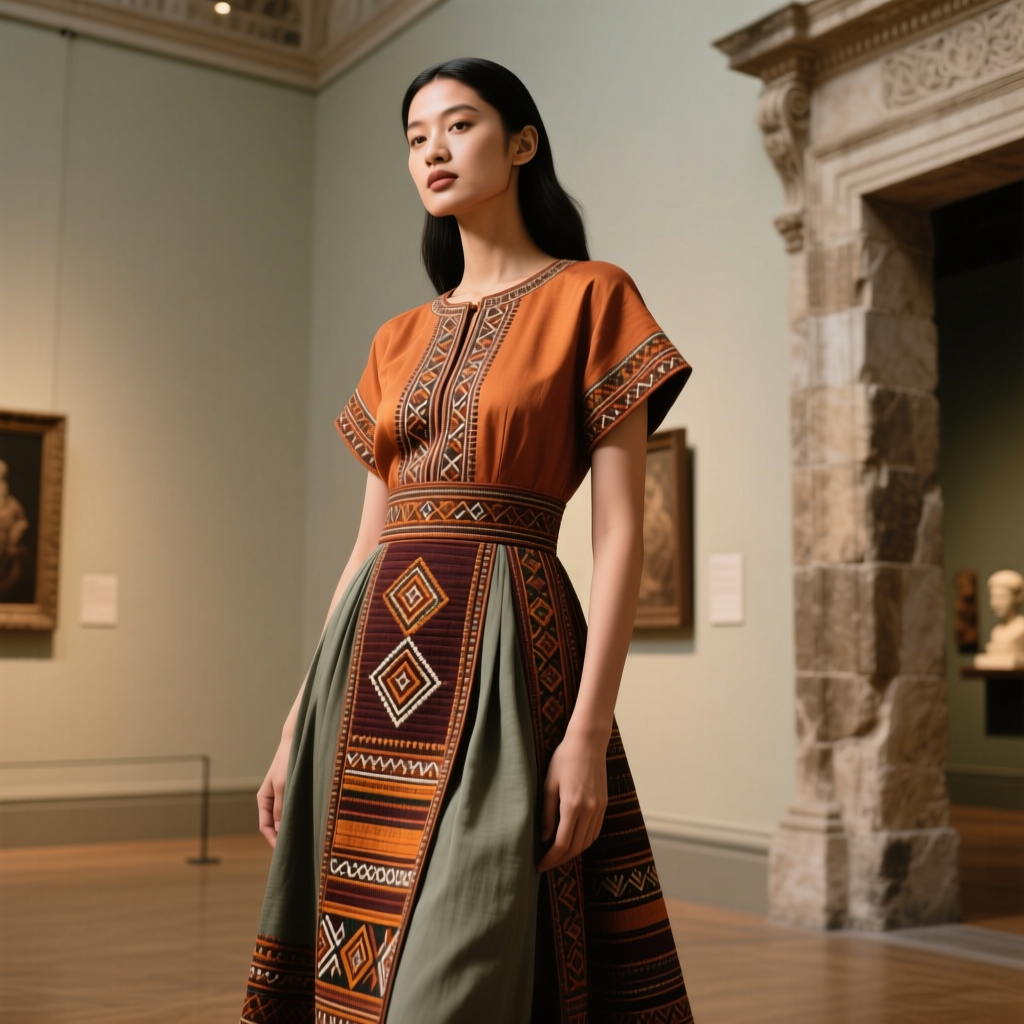
Cultural heritage is a vibrant tapestry woven with history, artistry, and identity. For many women, wearing traditional garments is a profound way to connect with their roots, celebrate festivals, and honor their ancestors. However, for women with an XS or petite frame, stepping into voluminous, heavily structured, or draped traditional attire can sometimes feel overwhelming. Standard sizing in cultural clothing often leans toward generous cuts, one-size-fits-all draping, or broad shoulder seams that can swallow a smaller frame, obscuring the wearer beneath layers of rich textile.
Yet, having a petite or XS frame should never be a barrier to wearing your cultural heritage with absolute confidence and striking elegance. The secret lies in understanding proportion, mastering the art of tailoring, and learning how to balance ornate details with your natural silhouette. Whether you are draping a silk saree, fastening the obi of a kimono, or lacing the bodice of a dirndl, this comprehensive guide will help you navigate the world of traditional dress for women in XS sizes. Discover how to honor the past while perfectly fitting the present, ensuring your heritage garments celebrate your unique stature.
Proportion & Scale: Styling Traditional Garments for Petite Frames
When exploring the rich history of global traditional garments, one quickly notices that many cultural designs rely on volume and dramatic draping. For an XS frame, the primary styling challenge is managing this visual weight so that the garment does not overpower the wearer. The key to mastering proportion is creating distinct focal points and defining your natural waistline.
Take the South Asian lehenga or the Korean hanbok, for example. Both feature full, bell-shaped skirts that can easily make a petite woman look shorter or wider. To counteract this, focus on the bodice or the top half of the ensemble. A well-fitted, structured bodice that ends precisely at your natural waist will elongate your legs and create a balanced hourglass illusion. If you are wearing a hanbok, ensure the jeogori (jacket) is tailored to hit just above the bustline, which visually raises the waist and elongates the lower body.
Similarly, when dealing with wide sleeves—such as those found in traditional Chinese hanfu or Japanese kimono—opt for fabrics with a softer, more fluid drape rather than stiff brocades. Stiff fabrics add unnecessary bulk to narrow shoulders and small busts. Soft silks and lightweight cottons will skim your frame gracefully. Additionally, do not be afraid to utilize internal ties, hidden belts, or strategic pinning to gather excess fabric at the waist or shoulders, ensuring the garment moves with you rather than engulfing you.
Accessorizing with Intent: Elevating XS Traditional Wear
Accessories are the punctuation marks of any outfit, but when wearing traditional dress for women in XS sizes, they must be chosen with careful intention. Heavy, oversized cultural jewelry can easily overwhelm a delicate neckline or a narrow wrist. Instead of avoiding statement pieces altogether, scale them to complement your proportions.
If you are wearing a heavily embroidered neckline on a qipao or a kurta, skip the heavy choker or broad collar necklace. Instead, opt for intricate, elongated pendants that draw the eye vertically, creating a lengthening effect for your torso. For earrings, choose medium-sized drops or chandbalis that frame the face without extending past the jawline, which can visually shorten the neck.
Footwear is another critical component of traditional styling. Many cultural outfits, such as the Middle Eastern kaftan or the South Asian anarkali, are designed to graze the floor. For women under 5'4", this often means the hemline drags, creating a tripping hazard and ruining the garment's silhouette. Investing in a dedicated pair of traditional wedges or block heels is essential. Not only do they provide the necessary lift to maintain the correct hemline, but they also improve your posture, allowing the fabric to fall more elegantly from the shoulders. For a deeper dive into balancing accessories, our petite styling foundations guide offers excellent universal rules that apply beautifully to heritage wear.
Occasion Dressing: Wearing Cultural Heritage with Confidence
Traditional garments are often reserved for significant life events: weddings, religious ceremonies, cultural festivals, and milestone celebrations. These occasions demand a level of formality that can sometimes feel restrictive, especially if the garment does not fit perfectly. When attending a multi-day wedding or a vibrant cultural festival, comfort and mobility are just as important as aesthetics.
For formal events like weddings, an XS frame can beautifully carry off the saree, provided the drape is adjusted for a smaller waist and shorter torso. Opt for a blouse with a slightly deeper back or a V-neckline to elongate the upper body. When pleating the saree, keep the pleats narrow and crisp; wide, bulky pleats will add unnecessary width to a small waist. Secure the pallu (the loose end of the saree) tightly at the shoulder with hidden safety pins to prevent it from slipping and swallowing your frame throughout the event.
For lively festivals like Diwali, Lunar New Year, or Oktoberfest, prioritize lightweight fabrics and secure fits. A traditional European dirndl, for instance, is inherently fantastic for XS sizes because the corseted bodice is designed to be laced tightly to the wearer's exact measurements, providing a custom fit that celebrates a smaller bust and waist. Pair it with a modest heel and delicate silver jewelry to maintain a balanced, festive look that allows you to dance and socialize without constantly adjusting your attire.
Modern Adaptations: Blending Heritage with Contemporary Fashion
One of the most exciting trends in modern fashion is the fusion of cultural heritage with contemporary streetwear and office-appropriate attire. For women with an XS frame, breaking traditional garments into separates is a brilliant styling hack that prevents the "costume" effect and allows for highly personalized, proportional styling.
Consider the Latin American huipil or the Eastern European embroidered blouse. While wearing them as intended is beautiful, pairing a cropped, intricately embroidered traditional top with high-waisted, wide-leg modern trousers creates a stunning contrast. The high waistline elongates the legs, while the cropped top highlights the narrowest part of your torso. This approach honors the textile patterns and meanings of the garment while adapting it to a modern, petite-friendly silhouette.
Similarly, the skirts of traditional ensembles can be repurposed. A heavily pleated lehenga skirt or a vibrant African wax-print wrapper can be paired with a simple, fitted modern turtleneck or a crisp white button-down shirt. By tucking the modern top into the traditional skirt and adding a slim leather belt, you define your waist and create a sophisticated, globally-inspired look that is perfectly scaled for a smaller frame. This mix-and-match approach not only makes heritage pieces more wearable for everyday life but also ensures that the garments are not relegated to the back of the closet.
The XS Buying & Tailoring Guide for Traditional Attire
Finding authentic traditional dress for women in XS sizes can be a challenge, as many heritage garments are sold in standard international sizes or as unstitched fabrics. When shopping for traditional wear, your best resource is often made-to-measure services or specialized artisans who understand the nuances of cultural tailoring.
If you are buying off-the-rack, always size for your largest measurement (usually the shoulders or bust) and plan to have the rest taken in. It is much easier for a tailor to reduce the volume of a skirt or take in a waist than it is to let out a tight shoulder seam. When dealing with wrapped garments like kimonos or sarees, look for "petite" lengths. Many modern heritage brands now offer sarees that are 5.5 meters instead of the standard 6 meters, which prevents excess fabric from pooling at the feet or bunching at the waist.
Building a relationship with a skilled tailor who understands tailoring and alterations for delicate and ornate fabrics is an investment in your wardrobe. Traditional garments often feature complex linings, delicate beadwork, or sensitive silks that require a specialist's touch. Communicate clearly with your tailor about maintaining the cultural integrity of the garment while adjusting the fit. For example, if a qipao is too loose in the bust, a tailor can add hidden darts rather than altering the iconic side-fastening frog closures, preserving the garment's historical accuracy while giving you a flawless, custom fit.
Frequently Asked Questions
Can I wear heavily embroidered traditional dresses if I am XS?
Absolutely. The key to wearing heavy embroidery on a small frame is strategic placement. Look for garments where the embroidery is concentrated along the borders, the hemline, or the neckline, rather than scattered densely across the entire bodice. This draws the eye to the edges of the garment and creates a framing effect, rather than adding visual bulk to your core. Additionally, choosing a darker base fabric, like deep emerald, navy, or charcoal, can help the intricate thread work pop without expanding your silhouette.
How do I drape a saree or wrap dress for a petite frame?
For petite and XS frames, the "seedha pallu" (straight drape) or the Gujarati style can sometimes look more structured and elongating than the traditional Nivi drape. Ensure your petticoat is tailored to your exact height with your chosen heels on. Keep the pleats narrow—about 2 to 2.5 inches wide—and stack them neatly to create a sleek, vertical line down the front of the skirt. Pin the pallu securely in tight, narrow pleats at the shoulder so it falls like a clean column of fabric rather than a wide, bulky shawl.
Should I size up in traditional clothing for comfort?
It is a common misconception that sizing up provides more comfort, especially in stiff or heavily layered traditional garments. In reality, sizing up often leads to gaping necklines, slipping shoulders, and excess fabric that restricts movement and adds unwanted weight. It is always better to buy a size that fits your shoulders and bust perfectly, and then work with a tailor to adjust the waist and hem. A properly fitted garment will move with your body, providing far more comfort and elegance than a larger, ill-fitting piece.
Where can I find authentic traditional clothing in smaller sizes?
While mainstream ethnic boutiques may lack dedicated XS sections, the rise of direct-to-consumer heritage brands has made custom sizing more accessible. Look for online artisans and boutique designers who specialize in made-to-order cultural wear, as they will cut the fabric to your exact measurements. Additionally, exploring vintage and second-hand markets can yield incredible, high-quality traditional pieces from previous decades, which often featured smaller, more tailored cuts compared to the oversized trends of modern fast-fashion ethnic wear.