Traditional Dresses Around the World: A Complete Styling Guide
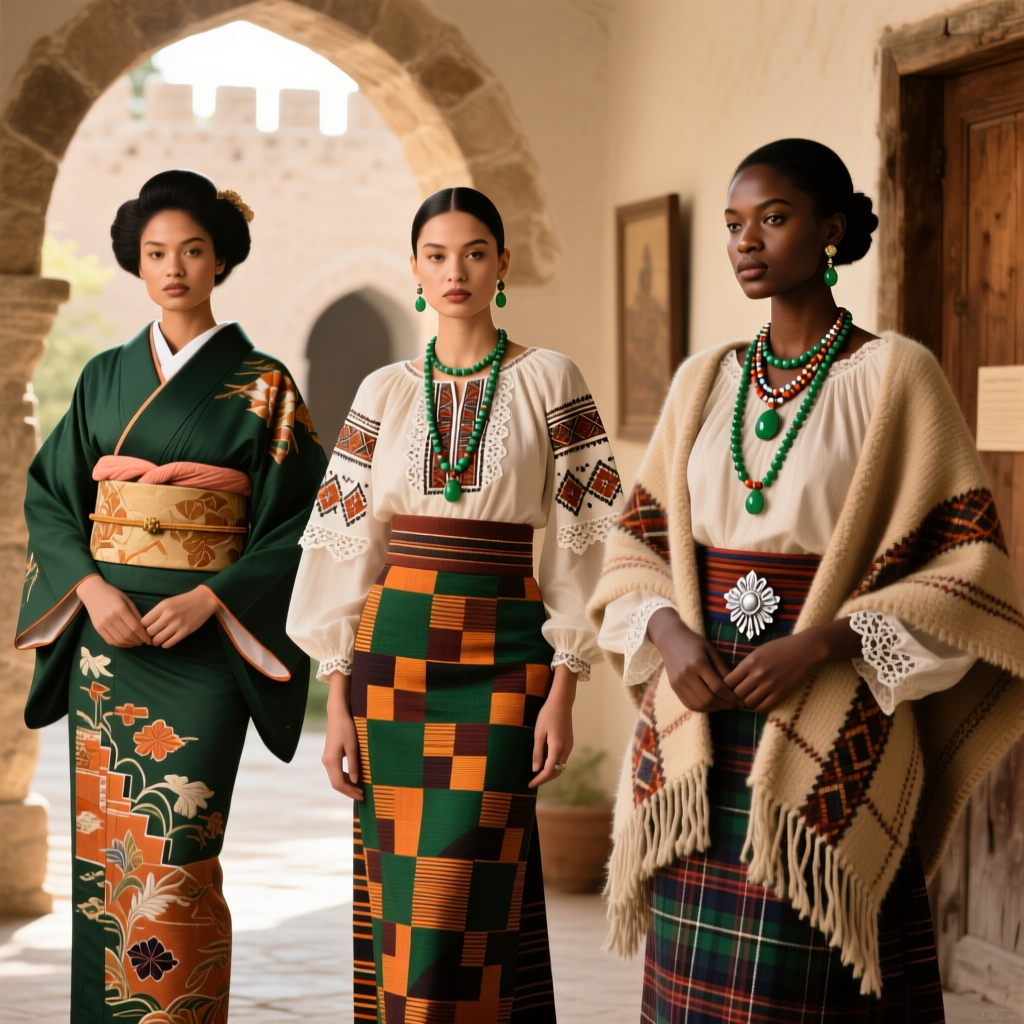
There is something profoundly moving about slipping into a garment that carries centuries of history within its threads. Traditional dresses around the world are far more than costumes or relics of the past — they are living expressions of identity, craftsmanship, and cultural pride. From the flowing silk hanfu of China to the vibrant, intricately embroidered huipil of Mexico, these garments tell stories that transcend borders and generations.
In an era where global fashion increasingly draws from diverse cultural wells, understanding how to wear, style, and honor traditional dresses has never been more relevant. Whether you are exploring your own heritage, attending a multicultural celebration, or simply seeking to expand your wardrobe with meaningful pieces, this guide will walk you through everything you need to know about traditional dresses from around the globe — with practical styling advice, accessory pairings, and tips for wearing them with confidence and respect.
Iconic Traditional Dresses & How to Style Them
Every region of the world boasts traditional garments that reflect its climate, history, social structures, and artistic traditions. Below, we explore some of the most iconic traditional dresses and offer practical advice on how to incorporate them into your wardrobe thoughtfully.
The Japanese Kimono
The kimono is perhaps one of the most recognized traditional garments worldwide. Characterized by its T-shaped silhouette, wide sleeves, and intricate patterns, the kimono has evolved over centuries from everyday wear to a symbol of Japanese artistry. Modern styling often involves pairing a simplified kimono or yukata (a lighter cotton version) with minimalist accessories. A thin obi belt can be swapped for a contemporary leather belt for a fusion look, while traditional zori sandals can be replaced with sleek flats or low heels for everyday wear. The key to styling a kimono outside of ceremonial contexts is to let the garment speak for itself — keep jewelry minimal and hair elegantly simple.
The Indian Sari
The sari is a masterclass in versatility. This unstitched length of fabric, typically ranging from five to nine yards, can be draped in over a hundred distinct styles depending on the region of India. For a contemporary look, many fashion enthusiasts pair a pre-draped sari with a crop top or structured blouse instead of the traditional choli. Statement earrings, such as jhumkas, and a sleek bun adorned with fresh flowers complete the ensemble beautifully. For those new to wearing a sari, a beginner-friendly draping guide can make the learning process enjoyable rather than intimidating.
The West African Boubou & Ankara Dress
The boubou, a flowing wide-sleeved robe worn across West Africa, exudes regal elegance. Often made from richly dyed or embroidered fabrics, the boubou is perfect for formal events and celebrations. Ankara prints — bold, colorful wax-printed cotton — have become a global fashion phenomenon. A tailored Ankara midi dress paired with simple gold hoops and strappy sandals creates a look that is both culturally rich and effortlessly modern. When styling Ankara, embrace the boldness of the print and avoid competing patterns in your accessories.
The Mexican Huipil
The huipil is a traditional embroidered tunic worn by Indigenous women across Mexico and Central America. Each region features distinct embroidery motifs that can indicate the wearer's village, marital status, and cultural beliefs. A huipil can be styled over slim-fit jeans or a long skirt for a look that honors its origins while feeling contemporary. Pair it with woven leather sandals and a simple crossbody bag. Because the embroidery is often vivid and detailed, keep the rest of your outfit understated to let the craftsmanship shine.
The Korean Hanbok
The hanbok, with its graceful lines and vibrant colors, has experienced a renaissance in recent years thanks to the global popularity of Korean culture. The traditional women's hanbok consists of a jeogori (short jacket) and a full, flowing chima (skirt). Modern adaptations often feature shortened skirts and simplified lines while retaining the characteristic silhouette. Pastel-toned hanbok-inspired dresses paired with delicate hairpins and embroidered flats make for an enchanting look at festivals, cultural events, or even garden parties.
Accessorizing Traditional Dresses: Balancing Heritage & Personal Style
Accessories can elevate a traditional dress from beautiful to breathtaking — or, if chosen poorly, they can clash with the garment's inherent artistry. The golden rule of accessorizing traditional dresses is to understand the cultural context of the piece first, then build your look outward.
Jewelry & Adornments
Many traditional dresses come with prescribed or customary jewelry pairings. For instance, a South Indian silk sari is often complemented by temple jewelry — gold pieces featuring depictions of deities and intricate stonework. A North African kaftan might be paired with heavy silver Berber jewelry featuring coral or amber stones. When you are unsure about traditional pairings, opt for simple, high-quality metals that do not compete with the garment. Gold works beautifully with warm-toned fabrics, while silver and platinum complement cooler palettes.
Footwear Considerations
Traditional footwear is an often-overlooked element that can complete or undermine your look. Japanese geta and zori, Indian juttis, Moroccan babouches, and Turkish yemeni sandals are all beautiful options that honor the garment's origins. For everyday or Western-context wear, choose footwear that echoes the formality level of the dress. Embroidered flats pair beautifully with most traditional garments, while sleek leather sandals work well with lighter, warmer-weather pieces.
Hair & Makeup
Hair and makeup should complement rather than overwhelm a traditional dress. For highly ornate garments like a bridal lehenga or a ceremonial kimono, an elaborate updo and refined makeup are appropriate. For casual or modern-adapted traditional wear, loose waves or a simple braid with minimal makeup can create a beautiful, balanced look. Consider incorporating culturally relevant hair accessories — a jade hairpin, a silk scrunchie in a coordinating print, or fresh flowers can add an authentic touch.
Occasions for Wearing Traditional Dresses
Understanding when and where to wear a traditional dress is just as important as knowing how to style it. Context matters deeply, and wearing a ceremonial garment to a casual event — or vice versa — can feel out of place.
Cultural Celebrations & Festivals
Cultural festivals, national holidays, and community celebrations are ideal occasions for wearing traditional dress. Events like Diwali, Lunar New Year, Eid, or Día de los Muertos are moments when traditional garments are not just appropriate but celebrated. These occasions are also wonderful opportunities to learn about the textile traditions behind the garments you wear and to connect with communities that hold these traditions dear.
Weddings & Formal Events
Traditional dresses make stunning choices for weddings, both for the couple and for guests. A red Chinese qipao, an embroidered Palestinian thobe, or a Ghanaian kente cloth dress can serve as meaningful and visually striking alternatives to Western formalwear. When attending a wedding from a culture different from your own, it is always wise to ask the hosts about appropriate attire to ensure your choices are respectful and welcomed.
Everyday & Casual Wear
Modern adaptations of traditional dresses have made it easier than ever to incorporate cultural garments into daily life. A simplified hanbok blouse worn with high-waisted trousers, an Ankara-print wrap dress for the office, or a cotton huipil paired with denim for weekend errands are all practical ways to keep traditional fashion alive in everyday contexts. The key is to choose pieces made from comfortable, easy-care fabrics and to style them in ways that suit your lifestyle.
Modern Adaptations: Honoring Tradition While Embracing Innovation
One of the most exciting developments in global fashion is the rise of designers who reimagine traditional dresses for contemporary audiences. These adaptations walk a fine line between innovation and respect, and the best ones succeed by deeply understanding the source material before transforming it.
Fusion Fashion
Fusion fashion blends elements of traditional dress with Western or global silhouettes. Think of a blazer cut from handwoven Guatemalan textile, a maxi dress featuring Japanese shibori dyeing techniques, or sneakers adorned with Indigenous beadwork. The best fusion pieces are created by designers from within the culture, ensuring that the adaptation comes from a place of knowledge and love rather than superficial appropriation. When shopping for fusion pieces, seek out brands that transparently credit their cultural inspirations and, ideally, employ artisans from those communities.
Sustainable & Ethical Fashion
Many traditional garment-making techniques are inherently sustainable — hand-weaving, natural dyeing, and small-batch production stand in stark contrast to fast fashion. By choosing traditionally made garments, you are often supporting handwoven textile artisans and small communities whose livelihoods depend on these crafts. Look for certifications like Fair Trade, or buy directly from artisan cooperatives and verified sellers who can tell you the story behind each piece.
Caring for Traditional Garments
Traditional dresses often require special care due to their delicate fabrics, natural dyes, and intricate embellishments. Hand-washing in cold water with a gentle detergent is generally safest for embroidered and hand-dyed pieces. Silk garments like kimonos and saris should be dry-cleaned or aired out between wears rather than washed frequently. Store traditional garments flat or on padded hangers to preserve their shape, and keep them away from direct sunlight to prevent fading. Investing time in proper care ensures these garments can be passed down through generations.
Buying Guide: Where to Find Authentic Traditional Dresses
Finding authentic, high-quality traditional dresses requires a bit more effort than shopping at a mainstream retailer, but the rewards — in terms of quality, meaning, and cultural connection — are immeasurable.
Direct from Artisans & Cooperatives
The most authentic way to purchase a traditional dress is directly from the artisans or cooperatives that make them. Many regions have established online marketplaces where weavers, embroiderers, and tailors sell directly to global customers. Organizations supporting artisan cooperatives worldwide often provide detailed information about the makers, materials, and techniques involved. This approach ensures fair compensation for artisans and gives you a garment with a genuine story.
Specialty Boutiques & Online Retailers
Specialty boutiques that focus on a particular culture's fashion can be excellent resources. Look for shops run by members of the culture in question, as they are more likely to carry authentic pieces and provide accurate information about styling and significance. Online platforms like Etsy host many legitimate artisan sellers, but always check reviews, ask about the origin of the garment, and be wary of prices that seem too low — mass-produced imitations often undercut genuine handcrafted work.
What to Look for in Quality
When evaluating a traditional dress, pay attention to the fabric, stitching, and finishing. Authentic pieces typically feature natural fibers like silk, cotton, linen, or wool. Hand-embroidered details will show slight irregularities that distinguish them from machine-made copies. Seams should be clean and secure, and any dye work should be even and colorfast. Do not hesitate to ask the seller about the garment's provenance, the techniques used, and the time required to create it — a genuine artisan will be proud to share this information.
Price Expectations
Authentic traditional dresses vary widely in price depending on the complexity of the craftsmanship, the materials used, and the reputation of the artisan. A simple cotton huipil might cost between $40 and $120, while a hand-embroidered silk sari can range from $150 to over $1,000. Ceremonial or bridal garments command higher prices due to the hundreds of hours of labor involved. Consider these purchases as investments in wearable art — pieces that, with proper care, will last a lifetime and carry stories worth telling.
Frequently Asked Questions
Is it appropriate to wear a traditional dress from a culture that is not my own?
In most cases, yes — provided you do so with respect, understanding, and genuine appreciation. The key distinction is between cultural appreciation and cultural appropriation. Appreciation involves learning about the garment's significance, purchasing from authentic sources, wearing it in appropriate contexts, and crediting the culture it comes from. Appropriation involves treating a sacred or significant garment as a costume, wearing it mockingly, or profiting from it without benefiting the source community. When in doubt, ask members of the community for guidance.
How do I know if a traditional dress is authentic or a mass-produced imitation?
Authentic traditional dresses are typically made from natural fibers, feature hand-done embroidery or dye work, and come with information about the artisan or region of origin. Mass-produced imitations often use synthetic fabrics, machine embroidery, and lack any provenance details. Price is also an indicator — if a garment that traditionally takes weeks to create is selling for a very low price, it is likely factory-made. Buying from reputable sellers, artisan cooperatives, or specialty boutiques significantly reduces the risk of purchasing an imitation.
Can traditional dresses be altered for a better fit?
Many traditional dresses can be altered, but it is important to approach alterations with care. Garments with all-over embroidery, special pleating, or ceremonial significance should be altered only by tailors experienced with that specific type of dress. For example, a sari blouse (choli) can be tailored relatively easily, but cutting into a hand-painted kimono could destroy its value and integrity. Always consult with a knowledgeable tailor and discuss the best approach before making any changes.
What is the best way to store traditional garments long-term?
Long-term storage of traditional garments requires attention to fabric type and environmental conditions. Clean garments before storing to prevent stains from setting. Use acid-free tissue paper to stuff sleeves and bodices to maintain shape, and wrap pieces in breathable cotton garment bags rather than plastic, which can trap moisture and cause mildew. Store in a cool, dark, dry place, and refold garments periodically to prevent permanent creasing. For heavily embellished pieces, flat storage in a drawer lined with acid-free paper is often the safest option.
Where can I learn more about the cultural significance of specific traditional dresses?
The best resources for learning about traditional garments include cultural museums with textile collections, academic publications on dress history, and community-led organizations dedicated to preserving textile heritage. Many artisan cooperatives also provide educational content about the symbolism, techniques, and history behind their garments. Engaging directly with community members and attending cultural events are among the most enriching ways to deepen your understanding and appreciation of traditional dress.
Traditional dresses are more than fashion statements — they are bridges to the past, expressions of identity, and testaments to human creativity. Whether you are drawn to the structured elegance of a hanbok, the flowing grandeur of a boubou, or the intricate artistry of a huipil, wearing these garments with knowledge and respect ensures that their stories continue to be told for generations to come. Explore our complete garment guides to discover even more about the world's most beautiful clothing traditions.