Traditional Dress Accessories: Complete Look Guide

Why Accessories Matter for Traditional Dress
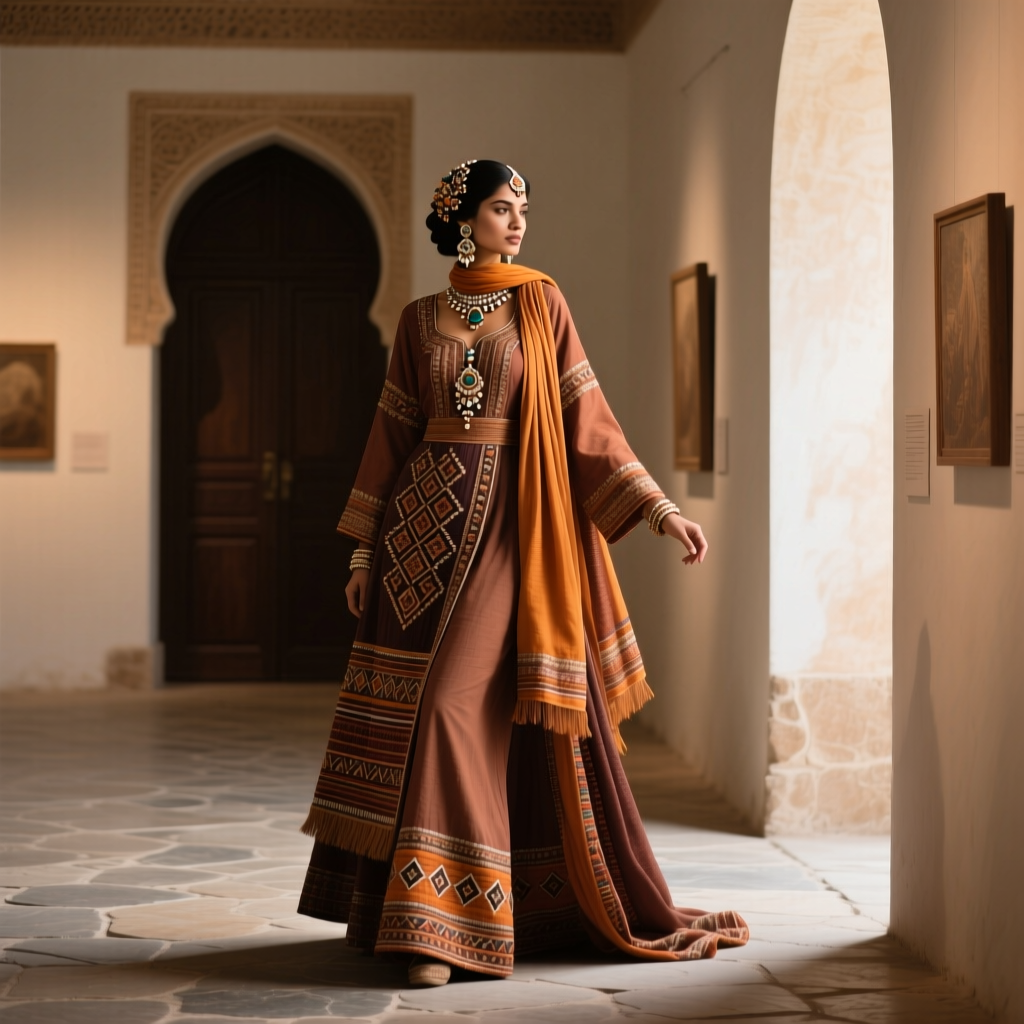
Traditional dress is never complete without its accompanying accessories. From elaborate headdresses to ceremonial jewelry, accessories carry as much cultural meaning as the garments themselves and often signify social status, marital status, and regional identity.
Headwear Across Cultures
- Indian Maang Tikka: Forehead jewelry worn at the center parting, symbolizing the third eye and spiritual wisdom
- Mexican Sombrero: Wide-brimmed hat providing sun protection, varying by region in size and decoration
- Japanese Kanzashi: Hair ornaments ranging from simple pins to elaborate floral arrangements, indicating the wearer's status
- Moroccan Tarbouche: Red felt hat with a tassel, worn by men as a symbol of national identity
Jewelry and Adornment
Traditional jewelry often serves dual purposes as adornment and investment. Berber women in North Africa wear heavy silver pieces that function as portable wealth. Indian bridal jewelry sets can weigh several kilograms and represent the family's prosperity.
Footwear Traditions
Traditional footwear ranges from Japanese geta (wooden clogs) to Turkish babouches (leather slippers), Indian jutti (embroidered flats), and Ethiopian selate (leather sandals). Each reflects local climate, materials, and aesthetic values.
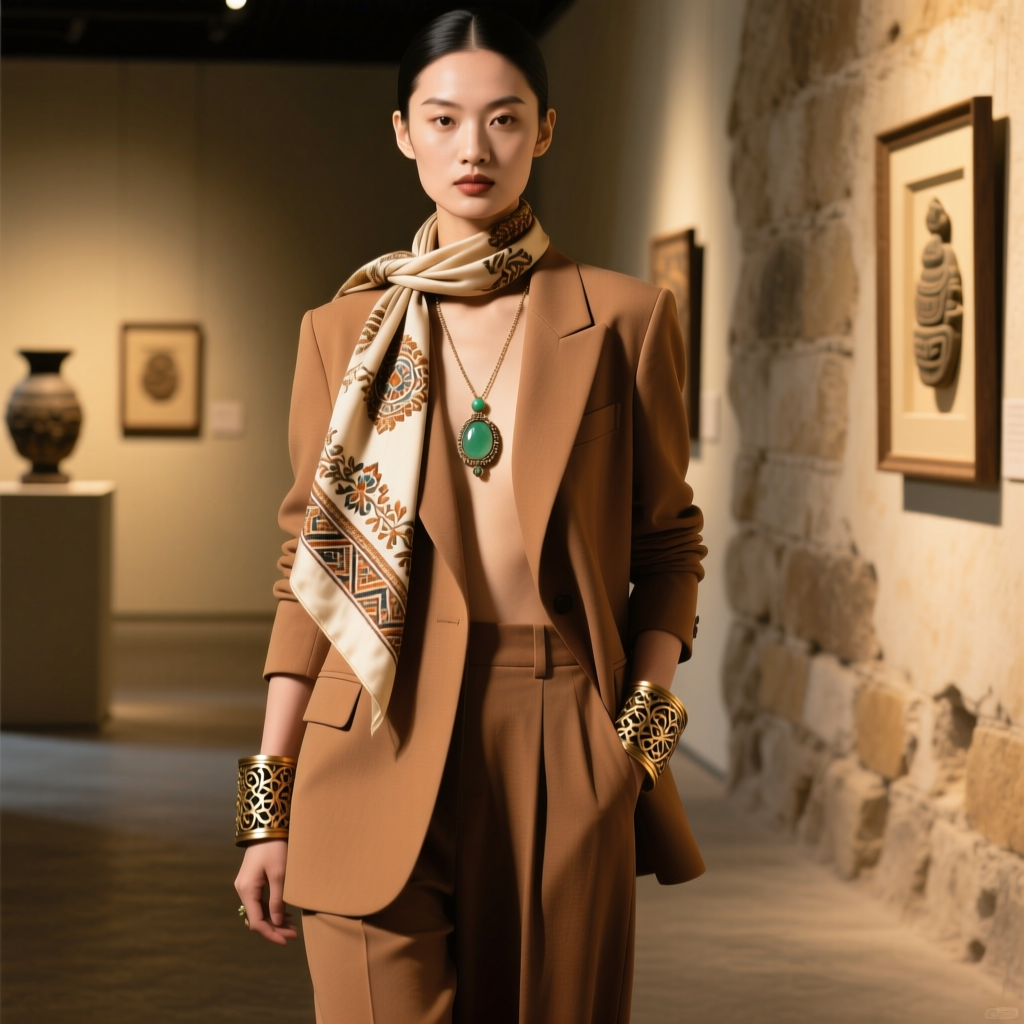
Styling Traditional Accessories Today
Modern wearers blend traditional accessories with contemporary fashion. A statement ethnic necklace can elevate a simple dress, while traditional earrings add cultural depth to everyday outfits. The key is balance — let one or two pieces stand out.