Traditional Dress Wear Captions for Instagram: The Ultimate Style Guide
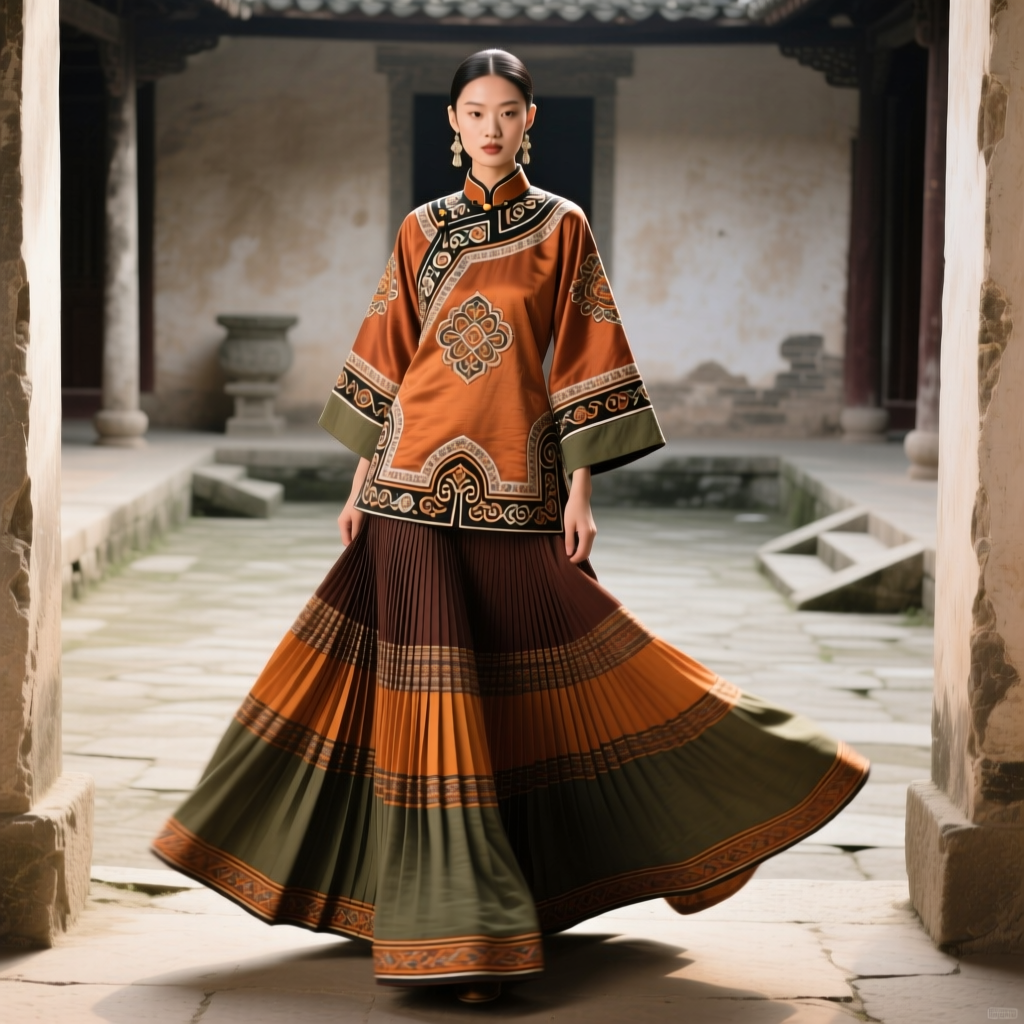
Traditional Dress Wear Captions for Instagram: The Ultimate Style Guide
There is something undeniably powerful about slipping into traditional attire. Whether it is the flowing elegance of a silk saree, the intricate embroidery of a lehenga, the regal charm of a hanbok, or the vibrant patterns of a kente cloth, traditional dress carries centuries of heritage, artistry, and identity within every thread. When you share these looks on Instagram, the right caption transforms a beautiful photo into a story — one that honors culture, celebrates craftsmanship, and inspires your followers to appreciate the depth behind what you wear.
Yet finding the perfect words to accompany your traditional outfit posts can be surprisingly challenging. You want something that feels authentic, respectful, and engaging — not generic or superficial. This comprehensive guide from The Garment Atlas walks you through everything you need to know about styling traditional dress for the camera, accessorizing for maximum impact, and crafting Instagram captions that truly resonate. Whether you are attending a wedding, celebrating a cultural festival, or simply embracing your roots in everyday life, these tips and caption ideas will help your posts stand out.
Styling Traditional Dress for Stunning Instagram Photos
Before you write a single word of your caption, the visual story matters most. Traditional garments are rich with texture, color, and detail, and photographing them well requires a thoughtful approach to styling. Here are the foundational principles that will make your traditional dress photos truly scroll-stopping.
Understand the Silhouette and Drape
Every traditional garment has a signature silhouette. A saree cascades in fluid pleats, a kimono creates structured elegance, and an anarkali flares dramatically from the waist. Understanding how your garment moves and drapes allows you to pose in ways that highlight its best features. For flowing garments, gentle movement — a turn, a walk, or a breeze catching the fabric — creates dynamic images. For structured pieces like a cheongsam or a dirndl, focus on clean lines and symmetrical poses that emphasize tailoring.
Choose the Right Background
The setting you choose should complement, not compete with, your traditional attire. Heritage sites, temples, gardens, and architectural landmarks that align with the garment's cultural origin create a cohesive narrative. For example, photographing a South Asian outfit in a Mughal-era courtyard or a Japanese kimono in a bamboo grove adds layers of meaning to your image. If you are shooting in an urban environment, look for neutral walls, minimalist interiors, or soft natural light that lets the garment take center stage. Explore our garment guides for deeper context on how different traditional pieces are meant to be worn and presented.
Work With Natural Light
Traditional fabrics — especially silks, brocades, and hand-embroidered textiles — interact beautifully with natural light. Golden hour, the period shortly after sunrise or before sunset, casts a warm glow that enhances rich colors and metallic threads. Overcast days provide soft, diffused light that prevents harsh shadows and blown-out highlights, which is ideal for capturing intricate embroidery and beadwork. Avoid harsh midday sun, which can wash out colors and create unflattering contrast.
Pay Attention to Grooming and Details
Traditional dress demands polished grooming. Neatly styled hair, well-maintained nails, and subtle makeup that complements rather than overwhelms the outfit ensure that every element of your look is camera-ready. Small details like the fall of a dupatta, the alignment of pleats, or the knot of an obi belt should be adjusted before every shot. These refinements signal respect for the garment and elevate the overall quality of your content.
Accessorizing Traditional Outfits for Maximum Impact
Accessories are where traditional styling truly comes alive. They complete the narrative, add visual interest, and often carry their own cultural significance. Here is how to approach accessorizing for both the camera and the caption.
Heritage Jewelry
Traditional jewelry is often the most photographed element of an ethnic outfit. Temple jewelry, jhumka earrings, maang tikkas, statement necklaces, and handcrafted bangles each tell a story of regional artisanship. When styling, consider the neckline and embellishment level of your garment. Heavily embroidered outfits pair best with minimal, statement jewelry — perhaps a single choker or a pair of dramatic earrings. Simpler garments provide a canvas for layered necklaces, stacked bangles, and ornate hair accessories. Mentioning the origin or craftsmanship of your jewelry in your caption adds educational value and honors the artisans behind these pieces.
Footwear That Completes the Look
Traditional footwear — from embroidered juttis and mojris to wooden geta sandals and beaded moccasins — anchors your outfit both visually and culturally. Ensure your footwear is clean and coordinates with the color palette of your ensemble. For full-length shots, footwear becomes a prominent detail, so invest in well-crafted pairs that photograph as beautifully as they wear.
Hair Accessories and Headpieces
Flowers in the hair, decorative pins, turbans, headwraps, and veils are integral to many traditional looks. A gajra (jasmine garland) woven into a braid, a beaded headpiece resting on a bridal updo, or a vibrant gele wrapped in architectural folds — these elements frame the face and draw the viewer's eye. When writing captions, referencing these accessories and their cultural roots demonstrates depth and intentionality. Dive into our cultural heritage pages to learn more about the stories behind these adornments.
Handbags, Clutches, and Props
While traditional outfits do not always call for modern handbags, embroidered potlis, beaded clutches, and woven baskets serve as both functional accessories and photographic props. Holding a small, culturally appropriate bag or a meaningful object — a brass diya, a folded fan, a string of prayer beads — adds narrative depth to your image and gives your hands a natural, graceful placement.
Occasions That Call for Traditional Dress and the Perfect Caption
Traditional attire shines brightest during specific occasions and celebrations. Each event carries its own mood, energy, and cultural weight, which should be reflected in both your styling and your captions.
Festivals and Religious Celebrations
Diwali, Eid, Lunar New Year, Christmas, Hanukkah, Navratri, Songkran — festivals are among the most photographed moments in traditional dress. These are occasions of joy, gratitude, and community. Captions for festival posts should radiate warmth and cultural pride. Consider lines that reference the significance of the celebration, the colors you have chosen and why, or the traditions you are honoring. For example: "Draped in red for prosperity and joy — celebrating Lunar New Year with family, food, and centuries of tradition woven into every thread."
Weddings and Pre-Wedding Ceremonies
Weddings are perhaps the most lavish showcase of traditional dress worldwide. From the red bridal lehengas of North India to the white shiromani of Sikh ceremonies, from the elaborate Korean wedding hanbok to the vibrant Nigerian aso-oke, wedding attire is a visual feast. Captions here can range from deeply personal — sharing the story behind a family heirloom — to celebratory and poetic. If you are a guest, focus on appreciating the craftsmanship and the couple's heritage. If you are the one getting married, your caption can weave together love, lineage, and the symbolism embedded in your outfit.
Cultural Performances and Dance
Traditional dress in motion — during a Bharatanatyam recital, a flamenco performance, a Hawaiian hula, or a West African drumming circle — creates some of the most compelling Instagram content. These garments are designed to move, and capturing that movement honors their original purpose. Captions can highlight the connection between the garment and the art form: "This skirt was made to spin. Every pleat tells a story of rhythm and resistance."
Everyday Cultural Pride
You do not need a special occasion to wear traditional dress. Increasingly, people are incorporating ethnic garments into daily life — pairing a kurta with jeans, wearing a batik shirt to the office, or styling a tartan scarf with a winter coat. Captions for everyday traditional wear can challenge the notion that cultural clothing is only for celebrations: "Heritage is not a costume for special occasions. It is a living, breathing part of who I am — every single day."
Modern Adaptations: Blending Tradition With Contemporary Style
One of the most exciting movements in fashion today is the fusion of traditional and modern aesthetics. Designers and everyday style enthusiasts alike are reimagining heritage garments for contemporary wardrobes, and Instagram is the perfect platform to showcase these creative adaptations.
Indo-Western Fusion
Pairing a heavily embroidered jacket with tailored trousers, wearing a crop-top blouse with a traditional saree drape, or combining sneakers with a salwar kameez are all examples of Indo-Western fusion that performs exceptionally well on Instagram. These looks invite captions that speak to identity, evolution, and the fluidity of culture: "Roots run deep, but branches reach in every direction. Tradition meets today."
Upcycled and Reimagined Heirlooms
Turning a grandmother's vintage saree into a lehenga, transforming an old kimono into a modern jacket, or reworking a family tartan into a contemporary dress are powerful acts of preservation and creativity. These stories resonate deeply on social media. Share the history of the original garment, the transformation process, and the emotions tied to wearing something that bridges generations. Our garment guides include tips on caring for and repurposing vintage traditional textiles.
Minimalist Traditional Styling
Not every traditional outfit needs maximalist styling. A single handwoven shawl over a simple dress, a pair of traditional silver earrings with a plain white shirt, or a block-printed scarf tied around the wrist can make a powerful statement. Minimalist traditional styling photographs beautifully against clean, modern backdrops and lends itself to captions about subtlety and intentionality: "You do not need to shout to be heard. One handwoven thread carries an entire village's story."
Sustainable and Ethical Traditional Fashion
The global conversation around sustainability naturally aligns with traditional dress, which is often handmade, locally sourced, and built to last for generations. Highlighting the sustainable aspects of your traditional outfit — handloom cotton, natural dyes, artisan-made embroidery — adds depth to your content and educates your audience. Captions can address the importance of supporting traditional craftspeople: "Slow fashion is not a trend. It is a return to how clothing was always meant to be made — with patience, purpose, and pride."
Caption Ideas and Templates for Every Traditional Outfit
Now that you have styled, accessorized, and photographed your traditional outfit, here are curated caption ideas organized by mood and theme. Mix, match, and personalize these to fit your unique voice.
Heritage and Pride Captions
- "Wearing my history on my sleeve — literally."
- "Every thread is a tribute to the hands that wove it and the culture that shaped it."
- "My ancestors dressed with intention. Today, I carry that legacy forward."
- "This outfit is older than most trends and will outlast all of them."
- "Culture is not a trend. It is the foundation."
Poetic and Reflective Captions
- "Silk whispers stories that words cannot tell."
- "In every fold, a memory. In every color, a prayer."
- "She wore her heritage like armor — soft, beautiful, and unbreakable."
- "The loom does not rush, and neither do I."
- "Dressed in the poetry of my people."
Fun and Playful Captions
- "Saree, not sorry."
- "Life is too short to wear boring clothes. Bring on the embroidery."
- "Twirl-worthy and tradition-approved."
- "Who needs a little black dress when you have a handloom masterpiece?"
- "Outfit so good, even my ancestors are impressed."
Occasion-Specific Captions
- "Festival ready from the inside out — joy, gratitude, and gold thread."
- "Bridal season: where tradition, love, and a hundred yards of fabric collide."
- "Dancing in the same outfit my grandmother wore at my age. Some things never change."
- "Sunday best, but make it ancestral."
- "Celebrating [festival name] the way it was meant to be — in full color and full heart."
Hashtags to Boost Reach
Pair your captions with relevant hashtags to connect with communities that appreciate traditional fashion. Consider a mix of broad and niche tags: #TraditionalFashion, #EthnicWear, #CulturalStyle, #HandloomLove, #HeritageFashion, #DesiFashion, #TraditionalDress, #CulturalPride, #ArtisanMade, #SlowFashion, #OOTDTraditional, and location-specific or garment-specific tags like #SareeStyle, #KimonoFashion, #AfricanPrint, or #HanbokLove. Rotate your hashtag sets to avoid shadowbanning and to reach diverse audiences.
Buying Guide: Where to Find Traditional Dress for Your Instagram Content
Building a wardrobe of traditional garments worthy of Instagram requires knowing where to shop, what to look for, and how to invest wisely. Here is a practical buying guide to help you curate a collection that photographs beautifully and carries authentic cultural value.
Prioritize Authentic Artisans and Cooperatives
The most meaningful traditional garments come directly from the artisans and cooperatives that preserve these crafts. Seek out handloom cooperatives, fair-trade fashion brands, and regional artisan marketplaces. These sources offer garments with genuine craftsmanship, and the stories behind them make for compelling caption content. When you buy directly from artisans, you also support the livelihoods of communities that have sustained these traditions for generations.
Understand Fabric Quality
Traditional garments are defined by their fabrics — silk, cotton, linen, wool, and blends each behave differently on camera and on the body. Pure silk reflects light with a natural sheen that photographs luxuriously. Handloom cotton has a matte texture that captures intricate prints and weaves beautifully. Before purchasing, research the fabric's characteristics, care requirements, and how it drapes. Our fabric and garment guides offer detailed breakdowns of traditional textiles from around the world.
Invest in Versatile Pieces
If you are building a traditional wardrobe for content creation, prioritize versatile pieces that can be styled multiple ways. A plain silk saree in a rich jewel tone can be draped in dozens of styles. A well-tailored kurta can be paired with palazzos, jeans, or skirts. A solid-colored hanbok or dashiki can be accessorized differently for each occasion. Versatility maximizes your content output without requiring an overwhelming wardrobe.
Custom Tailoring for the Perfect Fit
Traditional garments often look their best when tailored to your body. Whether it is adjusting the length of a lehenga, taking in the waist of a cheongsam, or customizing the drape of an agbada, a skilled tailor who understands traditional construction can make a significant difference in how your outfit photographs. Budget for alterations when purchasing, and communicate clearly about the silhouette you want to achieve.
Care and Preservation
Traditional garments are investments that deserve proper care. Store silk and embroidered pieces in breathable garment bags, avoid direct sunlight which can fade natural dyes, and follow specific washing or dry-cleaning instructions for each textile. Well-maintained garments not only look better in photos but also carry forward as heirlooms with their own stories to tell. Explore our cultural heritage resources for guidance on preserving traditional textiles for future generations.
Frequently Asked Questions
What makes a good Instagram caption for traditional dress?
A strong Instagram caption for traditional dress combines personal meaning, cultural context, and visual storytelling. It should go beyond describing the outfit to explain why it matters — the heritage it represents, the artisan who made it, the occasion it celebrates, or the way it makes you feel. Authenticity resonates more than clever wordplay. A caption that shares a genuine connection to the garment will always outperform a generic fashion quote. Pair your words with relevant hashtags and tag artisans or brands when possible to build community and give credit where it is due.
How do I respectfully caption traditional dress from a culture that is not my own?
When wearing traditional dress from a culture that is not your own, respect and education are essential. Use your caption to acknowledge the garment's origins, explain the context in which you were invited or encouraged to wear it, and credit the artisans or communities who created it. Avoid language that exoticizes or trivializes the culture. Instead of saying something looks "exotic," describe the specific craftsmanship, textile tradition, or cultural significance. The line between appreciation and appropriation often comes down to whether you are centering and honoring the culture or treating it as a costume. When in doubt, consult our cultural heritage pages for guidance on respectful engagement with traditional fashion.
Should I use different captions for different types of traditional garments?
Absolutely. Each traditional garment carries its own history, symbolism, and cultural context. A caption for a bridal lehenga should differ in tone and content from one for a casual batik shirt or a ceremonial Native American ribbon shirt. Tailoring your captions to the specific garment shows cultural literacy and respect. Research the garment's origins, the meaning of its colors and patterns, and the occasions it is traditionally worn. This knowledge enriches your captions and provides educational value to your followers who may be unfamiliar with the tradition.
How can I make my traditional dress content stand out on Instagram?
Differentiation in traditional dress content comes from depth, creativity, and consistency. Go beyond outfit-of-the-day posts by sharing the stories behind your garments — visit the artisans who made them, document the weaving or embroidery process, or share family photos of relatives wearing similar pieces. Create content series that explore different draping styles, regional variations, or styling challenges. Use Instagram's carousel feature to show before-and-after styling, close-up details of embroidery, or the full process of getting dressed. Consistency in your visual aesthetic — through editing style, color palette, or composition — helps build a recognizable brand around your traditional fashion content.
What are the best times to post traditional dress content on Instagram?
Traditional dress content often performs best when tied to cultural events, festivals, and celebrations. Posting during Diwali, Eid, Lunar New Year, Black History Month, Hispanic Heritage Month, or other culturally significant periods taps into heightened audience interest and trending hashtags. Beyond event-based timing, general Instagram best practices apply — post when your specific audience is most active, which you can determine through Instagram Insights. Consistently posting high-quality traditional fashion content, regardless of timing, builds a loyal following that looks forward to your cultural style inspiration. For more styling and content tips, explore the full collection of resources at The Garment Atlas.


