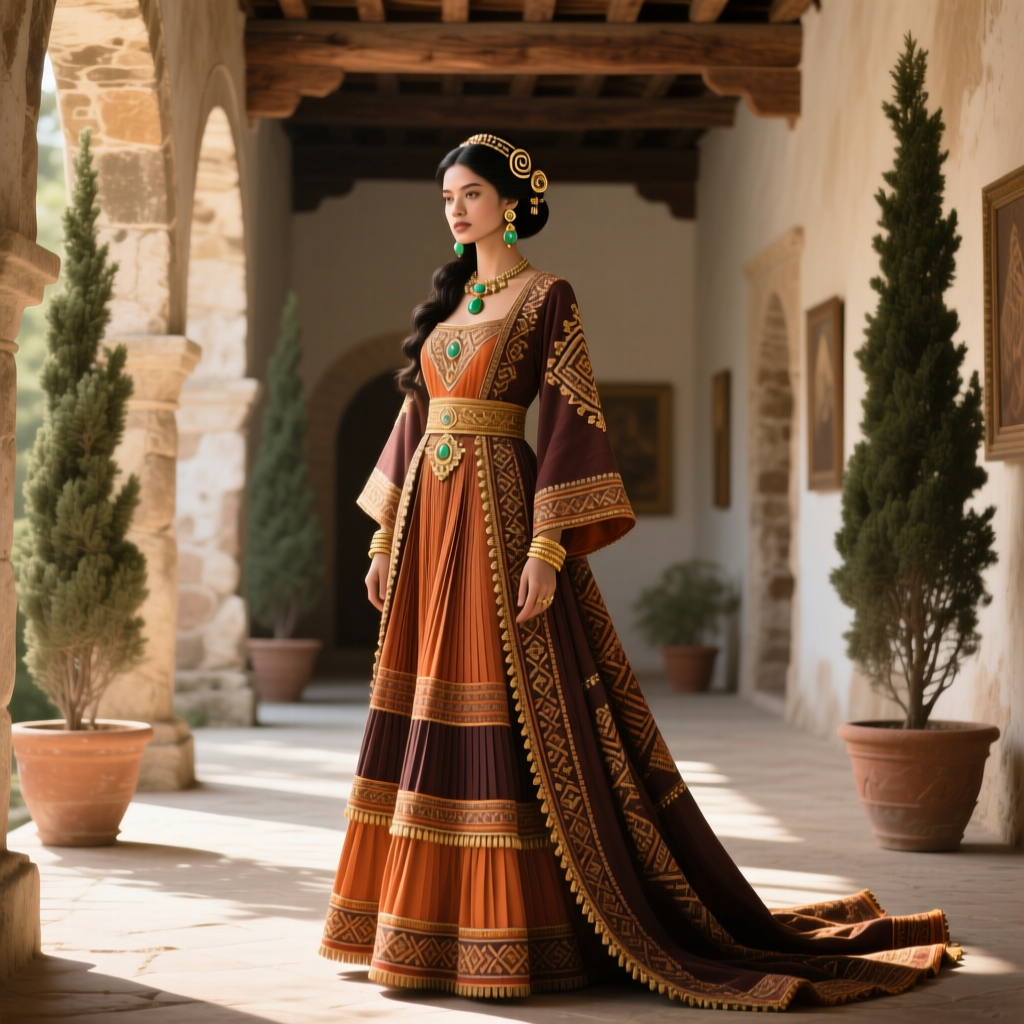
Dress Accessories: Types & Styling Guide

Every remarkable outfit tells a story, but it is the accessories that write the final chapter. A simple sheath dress transforms into a cocktail-hour showstopper with the right pair of earrings. A tailored suit gains personality from a well-chosen pocket square or silk scarf. Dress accessories are the deliberate details that bridge the gap between getting dressed and truly styling an outfit.
Yet for something so transformative, dress accessories are often misunderstood. They are not mere afterthoughts or impulse purchases made at the checkout counter. At their best, dress accessories are intentional tools of self-expression—functional art that communicates taste, occasion-awareness, and personal identity. Whether you are curating a minimalist capsule wardrobe or building an eclectic vintage collection, understanding what dress accessories are and how to wield them is essential to developing lasting style.
In this comprehensive guide, we explore the full landscape of dress accessories—from their core categories and styling principles to occasion-specific pairings and modern adaptations that keep them relevant across generations.
What Are Dress Accessories? Defining the Essentials
Dress accessories encompass any supplementary item worn or carried to complement, enhance, or complete an outfit. Unlike garments themselves—which form the structural foundation of your look—accessories serve as the finishing layer that adds polish, personality, and purpose. They span a remarkably broad range of objects, from jewelry and headwear to bags, belts, scarves, gloves, eyewear, and footwear accents.
The distinction between garment and accessory is not always rigid. A silk scarf, for instance, can function as a necktie, a headband, a belt, or even a top depending on how it is styled. This versatility is precisely what makes accessories so powerful: they are shape-shifters that adapt to your vision rather than dictating it.
Historically, dress accessories have served purposes far beyond decoration. Signet rings communicated authority and lineage. Hats denoted social rank and profession. Brooches fastened garments before buttons became widespread. Today, while many accessories lean primarily ornamental, the best ones still marry form with function—a leather belt that cinches a silhouette while anchoring your color palette, or a structured handbag that carries your essentials while reinforcing your aesthetic point of view.
Understanding dress accessories also means recognizing their cultural dimensions. Across different traditions and regions, accessories carry profound symbolic weight. From the intricate heritage jewelry traditions found in South Asian, West African, and Indigenous communities to the ceremonial headpieces worn during rites of passage worldwide, accessories have always been vessels of meaning, memory, and identity.
The Core Categories of Dress Accessories
Before you can style accessories effectively, it helps to understand the major categories and what each brings to an outfit. Think of these as your toolkit—each category offers distinct possibilities for expression.
Jewelry
Jewelry is perhaps the most universally recognized category of dress accessories. It includes necklaces, earrings, bracelets, rings, brooches, and anklets. Jewelry operates at multiple scales: a pair of delicate stud earrings whispers refinement, while a bold collar necklace commands attention. Metals, gemstones, beads, and organic materials like wood or shell each carry different visual weights and cultural associations.
Headwear & Hair Accessories
Hats, fascinators, headbands, barrettes, and hair clips all fall into this category. Headwear frames the face and can dramatically shift the tone of an outfit—a wide-brimmed felt hat lends bohemian romance, while a structured fedora adds sharp sophistication. Hair accessories, meanwhile, have experienced a significant revival, with pearl-studded clips and silk scrunchies becoming wardrobe staples once again.
Belts & Waist Accessories
Belts do far more than hold trousers in place. A well-chosen belt defines the waist, creates proportion, and introduces texture or color contrast. From slim leather chains to wide obi-style sashes, waist accessories are among the most structurally impactful tools in your styling arsenal. Explore our guide to belts and waist accessories for a deeper look at silhouettes and styling techniques.
Bags & Carried Accessories
Handbags, clutches, totes, and crossbody bags are accessories you carry rather than wear, yet they are inseparable from your overall look. The scale, shape, material, and color of your bag sends immediate signals about the occasion and your personal style. A structured leather top-handle bag reads polished and professional; a beaded minaudière signals evening glamour.
Scarves, Wraps & Neckwear
Scarves, shawls, ties, and wraps offer extraordinary versatility. A lightweight silk square can be knotted at the neck, tied around a handbag handle, woven through belt loops, or draped over the shoulders as an impromptu wrap. Neckties and bow ties, traditionally associated with menswear, have become powerful styling tools across all genders. The rich history of silk scarves reveals how these simple pieces of fabric have moved through cultures and centuries as symbols of elegance and status.
Footwear Accents & Hosiery
While shoes are sometimes classified as garments in their own right, they function as accessories in the context of styling—they complete and contextualize an outfit. Beyond shoes, hosiery (stockings, tights, socks) and shoe accessories like clips or ornamental buckles add layers of detail that elevate a look from considered to masterful.
Eyewear & Gloves
Sunglasses, optical frames, and gloves round out the accessory spectrum. Eyewear shapes how others perceive your face and can anchor an entire aesthetic—think of the iconic associations between certain frame shapes and style movements. Gloves, whether leather driving gloves or elegant opera-length pairs, add an undeniable air of intentionality to any ensemble.
Styling Dress Accessories: Principles That Always Work
Knowing what accessories exist is only the beginning. The real craft lies in combining them thoughtfully. Here are the enduring principles that guide confident accessory styling.
The Rule of Proportion
Scale matters enormously. A voluminous, flowing dress pairs beautifully with substantial jewelry—a wide cuff bracelet or large drop earrings—because the accessories match the garment's visual weight. Conversely, a sleek, tailored outfit with clean lines often benefits from more refined accessories: a slim chain necklace, a structured mini bag, pointed-toe pumps. When proportion is ignored, accessories can look either lost against a bold outfit or overwhelming beside a delicate one.
The Art of Restraint
One of the most enduring style principles is knowing when to stop. Coco Chanel famously advised removing one accessory before leaving the house. While maximalism has its place, the most elegant looks typically feature one or two focal accessories supported by quieter companions. If you are wearing statement earrings, consider skipping the necklace entirely and letting those earrings own the spotlight. Restraint creates hierarchy, and hierarchy creates visual interest.
Color & Material Harmony
Accessories should converse with your outfit, not argue with it. This does not mean everything must match perfectly—eclectic combinations can be stunning—but there should be a thread of connection. Perhaps your gold jewelry echoes the warm undertones of your camel coat, or your emerald handbag picks up a secondary color in your printed blouse. Material harmony matters too: mixing highly polished metals with rustic woven textures can create compelling tension, but it requires confidence and intention.
Texture as a Styling Tool
When your outfit is monochromatic or minimal in design, texture becomes your most powerful accessory ally. A nubby wool scarf, a crocodile-embossed belt, hammered metal earrings, or a velvet clutch each introduce tactile interest that prevents a simple outfit from reading as plain. Our fabric textures guide explores how different materials interact visually and how to layer them effectively.
Building a Signature Accessory Vocabulary
The most stylish people tend to have recurring accessory motifs—a preference for architectural jewelry, a collection of vintage scarves, an affinity for structured top-handle bags. Developing your signature accessory vocabulary takes time and experimentation, but it ultimately makes getting dressed easier and more personally meaningful. Your accessories become shorthand for your identity.
Dress Accessories for Every Occasion
Context is everything in styling. The accessories that elevate a casual weekend outfit would look out of place at a formal gala, and vice versa. Here is how to approach accessories across the occasions that define modern life.
Professional & Workplace Settings
In professional environments, accessories should enhance your credibility without becoming a distraction. Opt for refined jewelry in moderate scales—a simple pendant necklace, medium hoop earrings, or a classic watch. A structured leather tote or briefcase communicates competence and organization. Belts should be sleek and coordinate with your shoes. Avoid anything that jingles, flashes excessively, or draws attention away from your words and presence.
Casual & Everyday Wear
Daily dressing is where accessories become most personal and playful. This is the space to experiment with trends, layer necklaces of varying lengths, stack rings, or add an unexpected pop of color through a bright scarf or bold sunglasses. Casual accessories can be more relaxed in material—woven leather, canvas, wood, and enamel all feel appropriately effortless for daytime wear.
Evening & Formal Events
Formal occasions invite a more elevated accessory approach. This is where fine jewelry, metallic finishes, and luxurious materials take center stage. A clutch or minaudière replaces the daytime handbag. Consider the neckline of your garment when choosing necklaces—strapless and sweetheart necklines welcome statement necklaces, while high necklines often look best with dramatic earrings and no necklace at all. For a deeper understanding of formal garment structures, our evening wear silhouettes guide provides essential context for accessory pairing.
Weddings & Celebratory Gatherings
Wedding guest styling requires accessories that feel festive without overshadowing the occasion's principals. Elegant hair accessories, a sophisticated clutch, and jewelry that catches candlelight beautifully are all excellent choices. Be mindful of cultural context—many wedding traditions around the world have specific expectations around accessory colors and symbolism that are worth understanding before you style your outfit.
Travel & Active Pursuits
Travel accessories must balance style with practicality. A crossbody bag with secure closures, comfortable yet attractive walking shoes, a versatile scarf that doubles as a blanket or cover-up, and durable sunglasses are all accessories that earn their place through utility. The key is choosing travel accessories in neutral tones and quality materials so they integrate seamlessly with a capsule travel wardrobe.
Modern Adaptations: How Dress Accessories Are Evolving
The world of dress accessories is not static. Contemporary culture, technology, and shifting values are reshaping what accessories look like, how they are made, and who wears them.
Gender-Fluid Accessory Styling
One of the most significant modern shifts is the dissolution of rigid gender categories in accessory styling. Pearls, brooches, and handbags are no longer confined to womenswear, just as utilitarian belts and minimalist watches are not exclusive to menswear. This fluidity has expanded everyone's styling vocabulary and encouraged more authentic self-expression through accessories.
Sustainable & Ethical Accessories
Conscious consumers are increasingly seeking accessories made with ethical labor practices, recycled or responsibly sourced materials, and transparent supply chains. Vintage and secondhand accessories have surged in popularity—not only for their sustainability credentials but also for the uniqueness and quality that older pieces often possess. Investing in fewer, better-made accessories aligns with the broader movement toward sustainable wardrobe practices.
Tech-Integrated Accessories
Smartwatches, wireless earbuds designed as fashion objects, and bags with built-in charging capabilities represent the growing intersection of technology and accessory design. The challenge for style-conscious individuals is integrating these tech accessories without sacrificing aesthetic coherence. The most successful tech accessories are those designed with the same attention to material, proportion, and color as traditional ones.
Artisan & Heritage Revival
There is a growing appreciation for handcrafted accessories that preserve traditional techniques—hand-tooled leather, hand-enameling, filigree metalwork, and hand-woven textiles. This revival connects modern dressers to artisan craftsmanship traditions that might otherwise be lost, while providing accessories with a depth of story and quality that mass production cannot replicate.
Buying Guide: How to Choose Dress Accessories Wisely
Building a thoughtful accessory collection requires strategy. Here is how to make purchases you will love for years.
Start with Versatile Foundations
Your first accessory investments should be pieces that work across multiple occasions and outfits. A quality leather belt in a neutral tone, a pair of elegant stud earrings in gold or silver, a structured handbag in black, tan, or navy, and a classic watch form the backbone of a versatile accessory wardrobe. These foundational pieces should be the best quality you can afford, as they will receive the most wear.
Consider Cost Per Wear
A $300 handbag worn daily for three years costs far less per wear than a $50 bag worn twice before falling apart. Apply the cost-per-wear calculation especially to accessories you will use frequently: everyday jewelry, your primary work bag, and go-to belts and shoes. For trend-driven or occasion-specific accessories, spending less is perfectly reasonable.
Assess Material Quality
Learn to evaluate materials before purchasing. Genuine leather develops a beautiful patina over time, while synthetic alternatives often crack and peel. Sterling silver and gold vermeil offer longevity that plated base metals cannot match. For fabric accessories, natural fibers like silk, wool, and cotton tend to age more gracefully than synthetics. Examine hardware—zippers, clasps, and closures should feel solid and operate smoothly.
Build Around Your Lifestyle
Your accessory collection should reflect how you actually live. If you attend formal events regularly, investing in evening jewelry and clutches makes sense. If your days are active and outdoorsy, prioritize durable sunglasses, practical crossbody bags, and weather-resistant scarves. Resist the temptation to buy accessories for a fantasy lifestyle while neglecting the pieces you would genuinely use.
Shop with Intention
Before adding any accessory to your collection, consider how it connects to at least three items you already own. If you cannot envision multiple outfits incorporating the piece, it may not earn its place in your wardrobe. For guidance on building a cohesive collection, our wardrobe essentials checklist can help you identify gaps and avoid redundant purchases.
Frequently Asked Questions
What is the difference between dress accessories and clothing?
Clothing refers to the primary garments that cover the body—dresses, trousers, shirts, jackets, and skirts. Dress accessories are the supplementary items that complement these garments: jewelry, bags, belts, scarves, hats, gloves, and similar pieces. While clothing provides the structural foundation of an outfit, accessories provide the finishing layer that adds personality, polish, and occasion-appropriateness. The boundary can occasionally blur—items like scarves or shawls can function as either garment or accessory depending on how they are styled.
How many accessories should I wear at once?
There is no universal rule, as the answer depends on the scale and impact of each piece and the overall aesthetic you are pursuing. A helpful guideline is to choose one or two statement accessories and balance them with quieter, supporting pieces. For example, bold earrings might pair with a simple bracelet and no necklace. In minimalist styling, fewer accessories with greater individual impact tend to work best. Maximalist styling can accommodate more pieces but requires careful attention to color harmony and proportion to avoid visual chaos.
Can I mix gold and silver accessories in the same outfit?
Absolutely. The old rule against mixing metals has been thoroughly retired by modern styling. The key to mixing gold and silver successfully is intentionality—make it look deliberate rather than accidental. You might choose a piece of jewelry that incorporates both metals as a bridge, or you might distribute both metals throughout your outfit so neither dominates. Mixed metals can add richness and depth to an accessory combination that single-metal pairings sometimes lack.
How do I care for and maintain my dress accessories?
Proper care significantly extends the life of your accessories. Store jewelry in individual soft pouches or compartments to prevent scratching and tangling. Keep leather bags stuffed with tissue paper when not in use and condition the leather periodically. Silk scarves should be stored flat or rolled rather than hung to prevent stretching. Remove metal accessories before swimming, exercising, or applying lotions and perfumes. For fine jewelry and luxury accessories, professional cleaning and inspection once or twice a year helps maintain their condition and catches any issues early.
Are dress accessories important for personal style?
Dress accessories are arguably the most powerful tool in personal styling because they are where individuality lives most vividly. Two people wearing the same simple black dress will look entirely different depending on their accessory choices—one might add a string of pearls and classic pumps for timeless elegance, while another might layer chunky silver chains and ankle boots for edgy modernism. Accessories allow you to adapt a minimal wardrobe to endless moods, occasions, and expressions of self. They are the details that make an outfit unmistakably yours, and they are often the pieces that carry the most sentimental and cultural significance in our wardrobes.