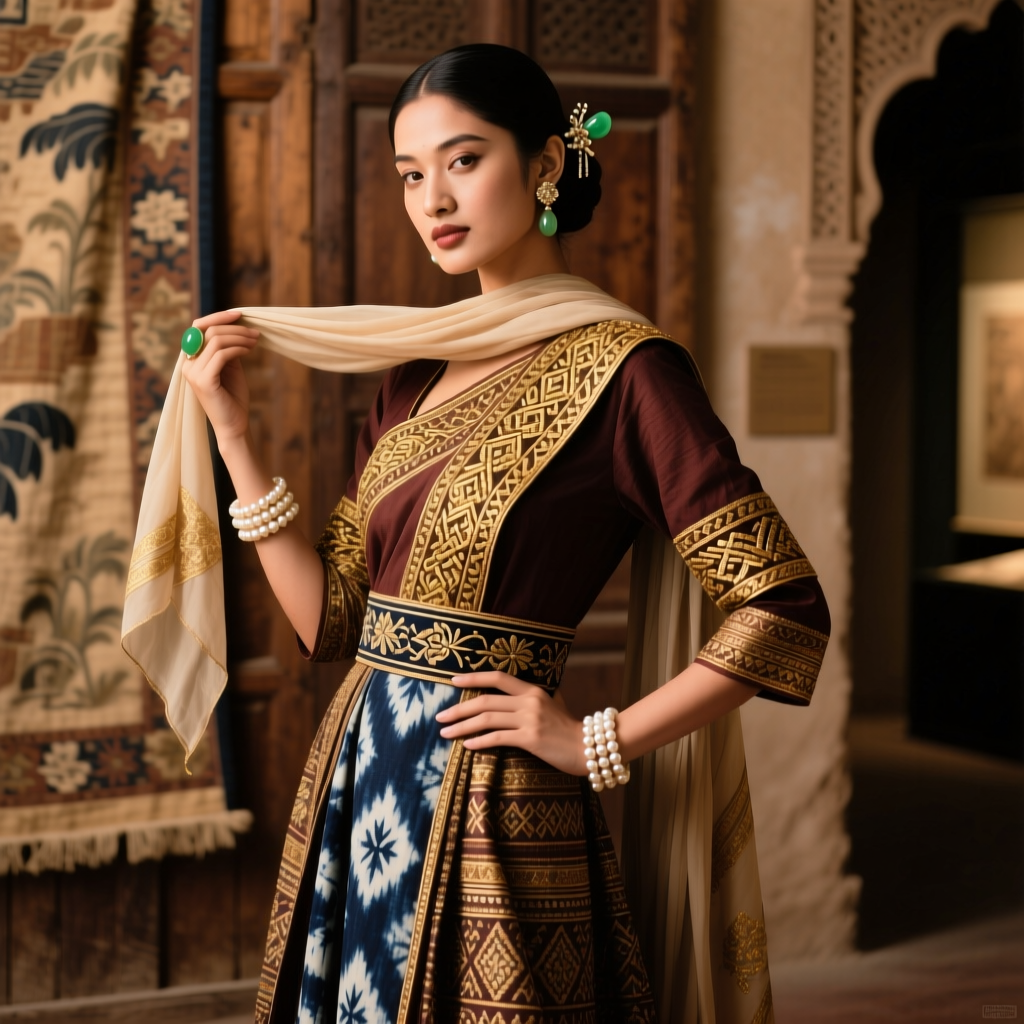
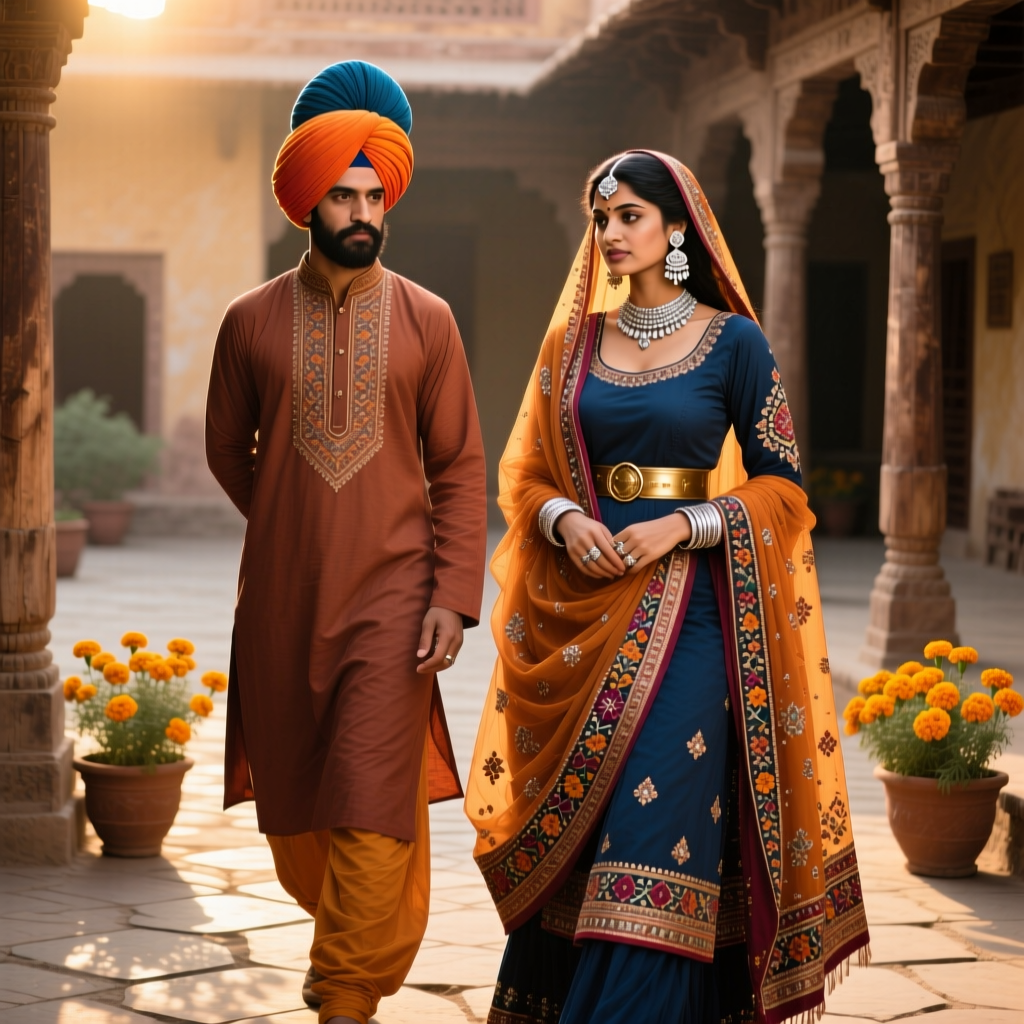
Shalom Traditional Clothes and Accessories

Shalom Traditional Clothes & Accessories: A Complete Styling & Photo Guide
There is something profoundly captivating about traditional garments that carry the weight of history, culture, and artistry within every thread. Shalom traditional clothes & accessories represent a rich tapestry of heritage fashion that continues to inspire modern wardrobes around the world. Whether you have encountered these stunning pieces in photographs, at cultural festivals, or through family heirlooms, the visual language of Shalom attire speaks to a deep appreciation for craftsmanship and identity.
This comprehensive styling guide explores the beauty of Shalom traditional garments and their accompanying accessories through a practical lens. From understanding the key silhouettes and fabric choices to mastering the art of accessorizing for different occasions, we will walk you through everything you need to know to celebrate, style, and photograph these extraordinary pieces. If you are new to exploring traditional garment styling, this guide serves as both an inspiring introduction and a practical reference you will return to again and again.
Understanding Shalom Traditional Clothing: Silhouettes, Fabrics & Visual Identity
Before diving into styling and photography tips, it is essential to understand what defines Shalom traditional clothing at its core. These garments are characterized by their distinctive silhouettes, rich textile choices, and meaningful decorative elements that have been passed down through generations.
Key Silhouettes & Cuts
Shalom traditional attire typically features flowing, layered constructions that prioritize both modesty and elegance. The foundational pieces often include:
- Wrap-style robes and tunics — These versatile garments drape beautifully across the body, creating a regal silhouette that photographs exceptionally well. The overlapping fabric layers add depth and dimension to any image.
- Structured outer garments — Heavier, more structured pieces such as embroidered coats or cloaks serve as statement layers that anchor an outfit and provide a canvas for intricate needlework and embellishment.
- Fitted underlayers — Lightweight, close-fitting garments worn beneath the outer layers provide contrast in texture and proportion, contributing to the overall visual richness of the ensemble.
- Wide-leg trousers and skirts — Bottom pieces tend to be generous in cut, allowing for graceful movement that translates beautifully in both still photography and motion.
Fabrics That Define the Aesthetic
The textiles used in Shalom traditional clothing are integral to their visual impact. Handwoven cottons, richly dyed linens, lustrous silks, and fine wool blends are common choices. Many of these fabrics feature distinctive weaving patterns or surface textures that add visual interest in photographs. For a deeper understanding of heritage textiles, explore our guide to traditional fabrics & textiles.
When photographing these fabrics, pay attention to how light interacts with different weaves. Matte cottons absorb light softly, creating gentle shadows that highlight drape and fold. Silks and satin-weave fabrics reflect light dynamically, producing highlights that can be used to dramatic effect in your styling compositions.
Color Palettes & Symbolic Motifs
Shalom traditional clothing often embraces earth-toned palettes — deep ochres, warm terracottas, rich indigos, and natural creams — alongside vibrant accent colors derived from natural dyes. Symbolic motifs woven or embroidered into the garments carry cultural significance, from geometric patterns representing unity and protection to botanical designs celebrating the natural world.
Understanding these color stories and motifs is invaluable when styling outfits for photography, as it allows you to create compositions that honor the cultural context while producing visually harmonious images. Our cultural heritage pages on textile symbolism offer further insight into these meaningful design elements.
Styling Tips: How to Wear & Photograph Shalom Traditional Garments
Styling Shalom traditional clothes for photographs requires a thoughtful balance between respecting the garment's cultural integrity and creating visually compelling compositions. Here are practical techniques that work beautifully across various settings and creative visions.
Layering for Depth & Dimension
One of the most powerful styling techniques for Shalom attire is intentional layering. Begin with a fitted base layer in a complementary neutral tone, then build outward with progressively more decorative pieces. A typical layering sequence might include:
- A lightweight, close-fitting tunic or blouse as the foundation
- A mid-weight wrap or draped garment for volume and movement
- A structured outer robe or embroidered coat as the statement piece
- A sash, belt, or woven cord to define the waist and create shape
This approach creates natural depth in photographs, as each layer reveals different textures, colors, and patterns. When shooting, encourage your subject to move naturally — walking, turning, adjusting a sleeve — so that the layers shift and reveal themselves organically.
Playing With Proportion & Silhouette
Shalom traditional garments often feature generous cuts that can be styled in multiple ways. Experiment with belting a flowing robe at different heights to create empire, natural, or dropped waistlines. Try tucking one side of a wrap garment to create asymmetry and visual interest. These small adjustments can dramatically alter the silhouette and produce a diverse portfolio of looks from a single garment.
Background & Environment Pairing
The environment in which you photograph Shalom traditional clothing plays a crucial role in the final image. Consider these pairings:
- Earthen architecture & natural landscapes — Mud-brick walls, desert terrain, and stone pathways complement the organic color palette and reinforce the cultural roots of the garments.
- Lush gardens & botanical settings — Green foliage and flowering plants create beautiful color contrast against warm-toned textiles and echo the botanical motifs often found in the embroidery.
- Minimalist studio settings — A clean, neutral backdrop allows the intricate details of the garments and accessories to take center stage, ideal for editorial-style photography.
- Urban environments — Juxtaposing traditional garments against modern architecture creates a compelling visual narrative about heritage meeting contemporary life.
For more guidance on creating the perfect setting for your garment photography, visit our styling & photography tips archive.
Essential Accessories: Completing the Look
No Shalom traditional outfit is complete without its accompanying accessories. These elements are not merely decorative — they carry deep cultural significance and serve as the finishing touches that elevate a garment from beautiful to extraordinary. Understanding how to style and photograph these accessories is key to creating authentic, impactful images.
Headwear & Hair Adornments
Headpieces in Shalom tradition range from elaborately wrapped cloths and embroidered caps to delicate metal ornaments woven into the hair. When styling headwear for photographs, consider the angle and position carefully. A slightly tilted wrap creates dynamic lines that lead the eye through the composition, while a centered, symmetrical arrangement conveys formality and regality.
For hair ornaments, ensure that the metal elements catch the light by positioning your subject near a natural light source. The glint of silver or gold against richly textured fabric creates a focal point that draws viewers into the image.
Jewelry & Metalwork
Shalom accessories frequently feature handcrafted metalwork — broad cuffs, layered necklaces, ornate rings, and anklets that produce a gentle sound with movement. When styling jewelry:
- Layer necklaces of varying lengths to create a cascading effect against the neckline of the garment
- Stack bracelets and cuffs on one or both wrists, mixing metals and textures for visual richness
- Choose statement rings that complement the color palette of the outfit without overwhelming the overall composition
- Consider the weight and scale of jewelry relative to the garment — heavily embroidered fabrics pair well with bolder pieces, while simpler garments benefit from more delicate accessories
Photograph close-up detail shots of the jewelry against the fabric to showcase the craftsmanship. These macro images are invaluable additions to any styling portfolio and help tell the complete story of the ensemble.
Belts, Sashes & Woven Cords
Waist-cinching elements are both functional and decorative in Shalom styling. Woven sashes, leather belts with metal hardware, and braided cords define the silhouette and add a horizontal design element that breaks up vertical draping. Experiment with tying techniques — a low-slung sash creates a relaxed, bohemian feel, while a high, tightly wrapped belt produces a more structured and formal appearance.
Footwear & Leg Adornments
Traditional leather sandals, embroidered slippers, and wrapped ankle coverings complete the head-to-toe styling of Shalom attire. In photographs, footwear grounds the composition and provides context. Ensure that the shoes are visible in full-length shots, and consider including them in detail sequences alongside the jewelry and textile close-ups. Learn more about traditional footwear styling in our dedicated guide.
Bags, Pouches & Carried Accessories
Small woven bags, beaded pouches, and fabric-wrapped bundles serve as practical accessories that also contribute to the visual narrative. Styled as hand-held props or attached to belts, these pieces add another layer of authenticity and interest to your photographs.
Occasions & Settings: When & Where to Style Shalom Attire
Understanding the appropriate contexts for wearing and photographing Shalom traditional clothing ensures that your styling choices are both respectful and impactful. Different occasions call for different levels of formality, accessory choices, and photographic approaches.
Cultural Celebrations & Ceremonies
Weddings, harvest festivals, naming ceremonies, and religious holidays represent the most formal contexts for Shalom attire. For these occasions, styling should be at its most elaborate — full layering, complete jewelry sets, and formal headwear are all appropriate. Photographs taken during ceremonies benefit from candid, documentary-style approaches that capture the emotion and energy of the event alongside the beauty of the garments.
Everyday Elegance & Casual Styling
Shalom garments can absolutely be incorporated into everyday wear. A single tunic paired with modern trousers, a wrap skirt styled with a simple blouse, or a lightweight robe worn as a duster coat all represent accessible ways to celebrate the tradition in daily life. Photography in everyday settings — markets, cafés, city streets — creates relatable, aspirational content that shows the versatility of these pieces.
Editorial & Creative Projects
For fashion editorials, lookbooks, and creative photography projects, Shalom traditional clothing offers extraordinary visual potential. These settings allow for more experimental styling — mixing traditional pieces with contemporary elements, playing with unconventional color combinations, or using dramatic lighting and posing to create art-forward imagery. The key is to maintain respect for the cultural origins while pushing creative boundaries.
Travel & Destination Photography
Photographing Shalom attire in travel contexts — against iconic landscapes, within historic sites, or during cultural immersion experiences — produces images that tell rich, layered stories. The garments become a bridge between the wearer and the place, creating photographs that resonate on both aesthetic and emotional levels.
Modern Adaptations: Blending Tradition With Contemporary Style
One of the most exciting aspects of Shalom traditional clothing is its adaptability. Modern designers and style enthusiasts have found innovative ways to incorporate these heritage pieces into contemporary wardrobes, creating looks that honor the past while feeling fresh and current.
Fusion Styling Techniques
Fusion styling involves pairing Shalom traditional garments with modern wardrobe staples to create hybrid looks. Consider these combinations:
- A traditionally embroidered tunic worn over slim-fit jeans and ankle boots
- A Shalom wrap skirt paired with a structured blazer and minimalist sneakers
- A heritage robe styled as a statement coat over a monochrome modern outfit
- Traditional accessories — cuffs, necklaces, belts — worn with contemporary evening wear
These fusion approaches make Shalom attire accessible to a wider audience and demonstrate the timelessness of the design principles embedded in these garments. For more inspiration on blending cultural fashion with modern aesthetics, explore our modern heritage fashion guide.
Contemporary Fabric & Color Interpretations
While traditional fabrics and dyes hold immense value, modern interpretations of Shalom clothing sometimes incorporate contemporary textiles — lightweight technical fabrics for travel-friendly pieces, sustainably produced cottons for everyday wear, or bold modern colorways that appeal to younger audiences. These adaptations keep the tradition alive and evolving, ensuring its relevance for future generations.
Accessorizing for a Modern Aesthetic
When adapting Shalom accessories for contemporary styling, consider the principle of selective emphasis. Rather than wearing the full complement of traditional jewelry, choose one or two statement pieces and let them stand alone against a modern outfit. A single bold cuff on the wrist of a tailored suit, or a heritage necklace layered with contemporary minimalist chains, creates a look that is both rooted and refined.
Buying Guide: Where & How to Source Authentic Shalom Pieces
Investing in authentic Shalom traditional clothing and accessories requires knowledge, patience, and an understanding of what constitutes quality craftsmanship. Here is a practical guide to help you build a meaningful collection.
What to Look For in Quality Garments
- Fabric integrity — Authentic pieces use natural fibers with visible weaving texture. Run your hand across the fabric; it should feel substantial and alive, not flat or synthetic.
- Hand-finished details — Look for hand-stitched hems, hand-embroidered motifs, and hand-dyed fabrics. Slight irregularities are hallmarks of genuine artisan work, not flaws.
- Construction quality — Seams should be strong and finished, linings (where present) should be neatly attached, and closures should function smoothly.
- Provenance & origin — Whenever possible, purchase from sources that can provide information about the garment's origin, the artisan or community that produced it, and the cultural context of the design.
Where to Buy
- Direct from artisan cooperatives — Many communities produce Shalom garments through cooperative structures that ensure fair compensation and cultural preservation. Buying direct supports these initiatives and often yields the highest quality pieces.
- Specialty heritage boutiques — Curated shops specializing in heritage garments often carry authenticated Shalom pieces alongside knowledgeable staff who can guide your selection.
- Cultural markets & festivals — Attending cultural events and markets provides opportunities to see garments in person, speak with makers, and purchase pieces with full context.
- Reputable online platforms — When buying online, look for sellers with detailed product photography, transparent sourcing information, and positive reviews from buyers who value authenticity.
Price Expectations & Value
Authentic, handcrafted Shalom garments represent significant investments of time and skill. Prices vary widely based on the complexity of the piece, the materials used, and the reputation of the maker. Simple tunics and skirts may be accessible entry points, while fully embroidered ceremonial robes and complete accessory sets command premium prices. View these purchases as investments in wearable art and cultural preservation rather than simple clothing transactions.
Caring for Your Collection
Proper care ensures that your Shalom garments and accessories last for generations. Store textiles in breathable cotton bags away from direct sunlight. Clean according to the specific fabric requirements — many hand-dyed and hand-woven pieces benefit from gentle hand washing or professional dry cleaning. Metal accessories should be stored separately to prevent scratching and tarnishing. For comprehensive care instructions, see our garment care & maintenance guide.
Frequently Asked Questions
What makes Shalom traditional clothing unique compared to other heritage garments?
Shalom traditional clothing is distinguished by its specific combination of silhouette, textile choice, and decorative technique. The layering tradition, the use of particular weaving methods, and the symbolic motifs embedded in the embroidery all contribute to a visual identity that is immediately recognizable. Unlike many heritage garments that have been heavily commercialized, Shalom attire often retains strong connections to its community of origin, making each piece a genuine expression of living culture rather than a mass-produced approximation.
Can I wear Shalom traditional garments if I am not part of the culture?
Wearing garments from cultures other than your own is a nuanced topic that deserves thoughtful consideration. The key principles are respect, understanding, and support. Purchase from authentic sources that benefit the originating community, educate yourself about the cultural significance of the pieces you wear, and avoid wearing items that hold specific ceremonial or sacred significance unless invited to do so. When approached with genuine appreciation and respect, cross-cultural fashion can be a beautiful form of connection and celebration.
How do I style Shalom accessories for a modern, everyday look?
The most effective approach is to choose one or two accessory pieces as focal points and build a contemporary outfit around them. A bold Shalom necklace worn over a plain linen dress, a woven belt cinching a modern coat, or traditional earrings paired with a simple blouse and trousers all create looks that feel intentional and stylish. Avoid wearing the complete traditional accessory set with modern clothing, as this can create visual confusion. Instead, let each heritage piece shine individually.
What are the best photography techniques for capturing Shalom clothing details?
Use natural, directional light whenever possible — early morning or late afternoon sun creates warm, raking light that reveals textile texture and embroidery detail. Shoot a combination of full-body compositions, three-quarter views, and extreme close-ups to tell the complete visual story. Use a moderate aperture (f/4 to f/8) for full-body shots to keep the garment in sharp focus, and a wider aperture (f/1.8 to f/2.8) for detail shots to create beautiful background separation. Always photograph the garment from multiple angles, including the back and interior construction details, which are often as beautiful as the exterior.
Where can I find more resources on traditional garment styling and cultural fashion?
Our site offers an extensive library of resources for anyone interested in traditional and heritage fashion. Start with our style section for ongoing inspiration and practical guides, explore our garment guides for in-depth articles on specific clothing traditions, and visit our cultural heritage pages to deepen your understanding of the stories behind the garments. Each resource is designed to help you appreciate, style, and celebrate traditional clothing with knowledge and respect.