Traditional Dress: Inspiring Style Examples
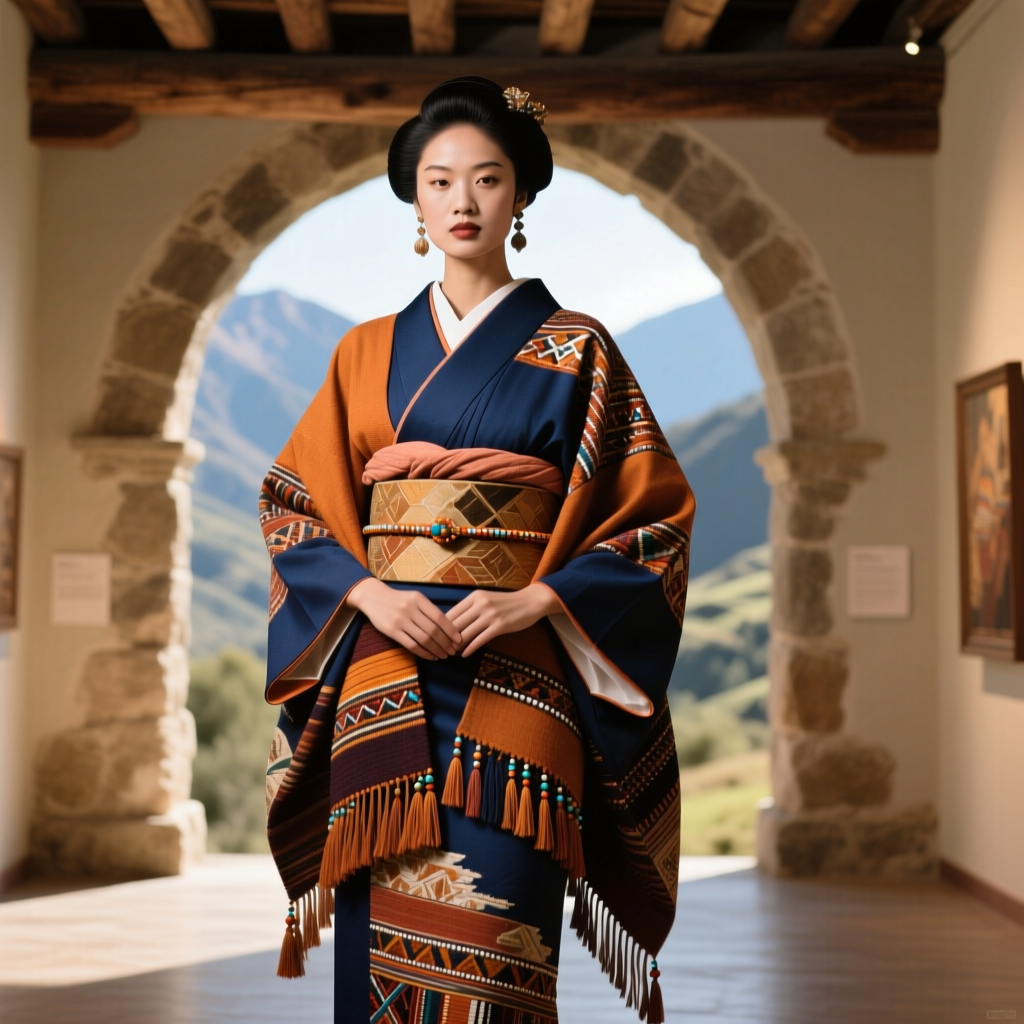
Fashion is far more than a mere covering; it is a profound expression of identity, history, and artistry. Across the globe, traditional dress serves as a wearable archive of cultural heritage, weaving together stories of ancestral craftsmanship, regional climates, and societal values. While contemporary fashion trends cycle rapidly, the enduring appeal of cultural garments remains steadfast. They offer a masterclass in color, silhouette, and textile manipulation that continues to inspire modern wardrobes.
Whether you are looking to incorporate heritage pieces into your daily rotation, seeking the perfect attire for a cultural celebration, or simply wishing to expand your sartorial knowledge, understanding the nuances of global attire is essential. In this comprehensive guide, we explore iconic examples of traditional dress, offer practical styling advice, and provide a mindful buying guide to help you celebrate global craftsmanship with respect and elegance.
Iconic Examples of Traditional Dress Around the World
To truly appreciate the art of cultural styling, one must first understand the foundational garments that have shaped global fashion history. Each piece carries distinct rules of draping, tailoring, and symbolism.
The Japanese Kimono
Perhaps one of the most globally recognized garments, the kimono is a masterwork of flat-pattern cutting and textile artistry. Traditionally crafted from silk, its T-shaped silhouette relies on intricate folding and the use of the obi (sash) to create structure. The motifs woven or dyed into the fabric often reflect the changing seasons, making the kimono a deeply poetic garment. For a deeper dive into its evolution and the strict rules of wearing it, explore our comprehensive guide to the kimono.
The South Asian Sari
The sari is an unstitched drape, typically ranging from five to nine yards in length, that exemplifies the brilliance of zero-waste design. Worn extensively across India, Bangladesh, Sri Lanka, and Nepal, the sari is paired with a tailored blouse (choli) and a petticoat. The beauty of the sari lies in its versatility; there are over a hundred documented draping styles, each native to different regions and communities. The rich history of its weaving techniques is detailed in our exploration of South Asian textile heritage.
The Korean Hanbok
Characterized by its vibrant colors, simple lines, and lack of pockets, the hanbok creates a striking, bell-like silhouette. The traditional ensemble for women consists of the jeogori (a cropped jacket) and the chima (a full, high-waisted skirt). The gentle curve of the sleeves and the voluminous skirt allow for graceful movement, historically signifying the wearer's social status and marital standing through specific color combinations. Learn more about its historical significance in our history of the hanbok.
West African Kente Cloth
Originating from the Ashanti people of Ghana, Kente is more than just a fabric; it is a visual representation of history, philosophy, and ethics. Woven in narrow strips on traditional looms, the bright, geometric patterns are stitched together to create larger garments, often draped toga-style by men or worn as wrapper skirts and blouses by women. Every color and pattern holds a specific proverb or meaning, a concept we unpack in our study of West African weaving traditions.
The Mesoamerican Huipil
The huipil is a traditional, loose-fitting tunic worn by Indigenous women across Mexico and Central America. Woven on a backstrap loom, these garments are heavily adorned with intricate embroidery that denotes the wearer's specific village, personal history, and cosmological beliefs. The heavy, textured cotton and vivid thread work make the huipil a stunning example of wearable art. Discover the intricate stitch work in our Mesoamerican garments archive.
Styling Traditional Garments for Modern Wardrobes
Integrating heritage pieces into a contemporary wardrobe requires a thoughtful approach to proportion, balance, and context. The goal is to highlight the beauty of the traditional garment without overwhelming your personal style.
Mastering Proportions: Traditional garments often feature dramatic volume. A sweeping hanbok skirt or a heavily pleated sari can dominate a silhouette. To modernize the look, balance voluminous bottom halves with structured, minimalist tops. Conversely, if you are wearing an elaborately embroidered huipil, pair it with sleek, tailored trousers or dark-wash denim to let the textile take center stage.
The Art of Layering: Layering is a fantastic way to blend cultural attire with everyday wear. A lightweight silk haori (kimono jacket) can be worn open over a simple white t-shirt and straight-leg jeans, instantly elevating a casual outfit with a touch of global elegance. Similarly, a heavily embroidered vintage jacket can be layered over a modern turtleneck for a sophisticated autumn look.
Color Blocking & Neutrals: Many traditional garments feature highly saturated, symbolic colors. If you are new to styling these pieces, anchor them with a neutral palette. Pair a vibrant Kente wrapper skirt with a crisp black bodysuit, or style a brightly dyed sari blouse with a charcoal grey blazer. This technique frames the heritage piece as a deliberate focal point rather than competing with other loud patterns.
Accessorizing Cultural Attire with Purpose
Accessories can either harmonize with your traditional dress or provide a striking, modern contrast. The key is intentionality.
- Footwear: While traditional footwear like Japanese zori or Indian juttis are beautiful, they are not always practical for modern city streets. Opt for minimalist leather sandals, sleek ankle boots, or classic loafers to bridge the gap between heritage and contemporary comfort.
- Jewelry: Match the metal and weight of your jewelry to the formality of the garment. Heavy, oxidized silver complements the rustic charm of a cotton huipil, while delicate gold or pearl accents beautifully enhance the sheen of a silk sari or kimono.
- Headwear & Hair: Traditional dress often dictates specific hairstyles or head coverings. If you are not adhering to strict traditional protocols, keep your hair styled in a clean, modern updo or sleek waves to ensure the neckline and collar details of the garment remain visible.
- Bags: Avoid novelty bags that mimic the cultural aesthetic. Instead, choose high-quality, structured leather handbags or minimalist clutches that provide a grounding, modern counterpoint to flowing fabrics.
Occasions for Wearing Traditional Dress
Understanding the appropriate context for wearing cultural garments is just as important as knowing how to style them. Different occasions call for varying levels of formality and adherence to tradition.
Cultural Festivals & Religious Ceremonies: These events are the most appropriate and celebrated occasions for wearing full, traditional ensembles. This is the time to embrace authentic draping, traditional jewelry, and culturally specific footwear. It is an opportunity to honor the heritage in its most complete form.
Weddings & Formal Galas: Traditional dress is inherently formal. A heavily embroidered lehenga, a silk kimono, or a tailored Kente suit are spectacular choices for black-tie events and weddings. Ensure the fabrics are luxurious and the tailoring is impeccable to match the formality of the occasion.
Everyday Fusion Wear: For daily life, full traditional ensembles may be impractical. This is where fusion styling shines. Wearing a single element—such as a sari blouse paired with a high-waisted maxi skirt, or a modernized hanbok top with wide-leg trousers—allows you to celebrate cultural aesthetics in a functional, office-appropriate manner.
Modern Adaptations & Fusion Fashion
The intersection of heritage and high fashion has given rise to modern adaptations that make traditional dress more accessible for daily wear. Contemporary designers are reimagining classic silhouettes by utilizing modern fabrics, altering hemlines, and introducing Western fastenings like zippers and buttons.
For example, the modern hanbok often features a shortened jeogori and a calf-length skirt made from breathable cotton or linen, making it suitable for summer strolls. Similarly, the concept of the 'sari-gown' merges the elegant drape of the sari pallu with the structured bodice of an evening gown, offering a secure, fuss-free alternative for formal events. These adaptations prove that traditional dress is not a static relic of the past, but a living, evolving art form that adapts to the needs of the modern wearer while maintaining its cultural soul.
Buying Guide: Sourcing Authentic Traditional Clothing
When purchasing traditional dress, the line between cultural appreciation and cultural appropriation is often defined by where and how you shop. Supporting authentic artisans ensures that the financial benefits of global fashion reach the communities that originated these designs.
Prioritize Artisan Cooperatives: Seek out fair-trade organizations and artisan cooperatives that work directly with weavers and embroiderers. These platforms guarantee that makers are paid a living wage and that traditional techniques, such as backstrap weaving or block printing, are preserved. Read our guide to cultural appreciation to understand the ethics of global sourcing.
Examine the Materials: Authentic traditional garments are typically made from natural, region-specific fibers like mulberry silk, hand-spun cotton, or raw linen. Be wary of mass-produced synthetic knockoffs that mimic traditional patterns but lack the breathability, drape, and longevity of natural fibers.
Look for Handcrafted Details: True heritage garments feature slight imperfections that prove they were made by human hands. Look for hand-rolled hems, irregularities in hand-loomed textiles, and the subtle variations in natural dye lots. Our embroidery techniques guide can help you distinguish between hand-stitched artistry and machine-made replicas.
Avoid Fast Fashion Imitations: Mass-market brands frequently appropriate sacred or highly symbolic patterns, printing them onto cheap polyester and cutting them into inappropriate silhouettes. By avoiding these retailers, you refuse to support the commodification of cultural heritage.
Frequently Asked Questions
Is it appropriate to wear traditional dress from another culture?
Yes, provided it is done with respect, context, and understanding. Wearing traditional attire is highly encouraged when you are invited to a cultural celebration, wedding, or festival by members of that community. The key is to avoid treating sacred or highly specific garments as casual costumes, and to always purchase from authentic sources rather than buying cheap, mass-produced imitations.
How do I properly care for delicate heritage garments?
Care instructions depend heavily on the fabric and dye. Hand-loomed silks and naturally dyed cottons should rarely be machine washed. Spot clean when possible, and rely on professional dry cleaners who specialize in vintage or delicate textiles. For comprehensive maintenance tips, refer to our silk care guide and always store heavy, embroidered pieces flat to prevent stress on the seams.
What is the difference between a cultural costume and traditional dress?
The term 'costume' often implies a theatrical, historical, or performative outfit worn for a specific role or event. 'Traditional dress' or 'cultural attire' refers to the living, everyday, or ceremonial clothing worn by a community to express their identity. Using the term 'traditional dress' or 'cultural garment' is generally more respectful and accurate than 'costume.'
How can I ensure my purchase supports authentic artisans?
Research the retailer thoroughly. Look for transparency regarding their supply chain, the names or locations of the artisan communities they work with, and certifications from fair-trade organizations. Authentic sellers will proudly share the story behind the textile, the specific weaving or embroidery technique used, and the cultural significance of the garment's motifs.