Peruvian Highland Textile Heritage

Weaving the Andes
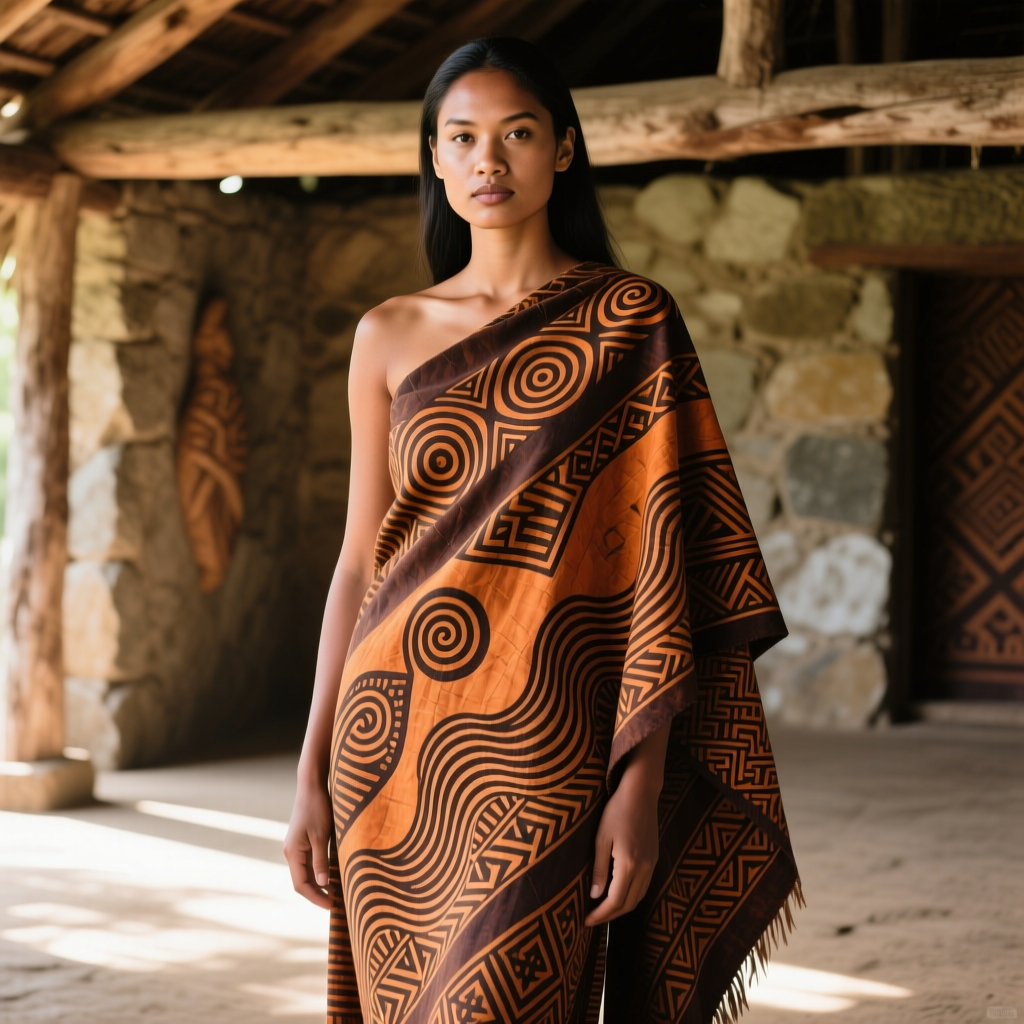
In Peru's highland communities, textile weaving is not merely a craft — it is a language. For over 4,000 years, Andean peoples have encoded cosmology, social status, and community identity in their woven garments.
Backstrap Loom Tradition
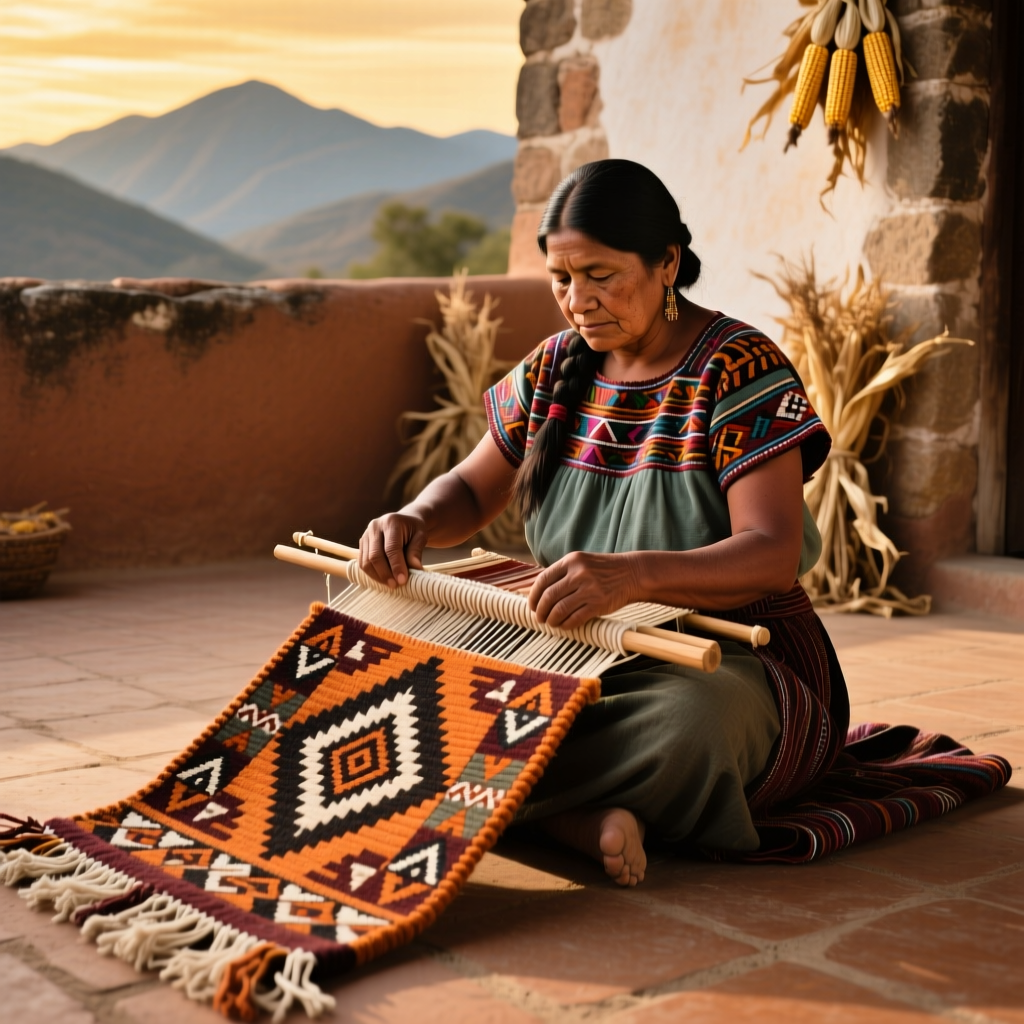
Quechua and Aymara weavers use the backstrap loom, one of humanity's oldest weaving tools. The weaver's body provides tension, creating an intimate connection between maker and textile. Alpaca and sheep wool, dyed with cochineal, indigo, and local plants, form the raw materials.
Symbolic Vocabulary
Each community maintains distinct patterns: geometric pallay motifs depicting condors, mountains, rivers, and agricultural cycles. These designs function as a visual vocabulary — a weaver's origin, marital status, and social role can all be read from her garments.
Living Heritage
Organizations like the Center for Traditional Textiles of Cusco (CTTC) work with weaving communities to preserve endangered techniques. Master weavers teach younger generations, and fair-trade initiatives ensure artisans receive fair compensation for their extraordinary skill.