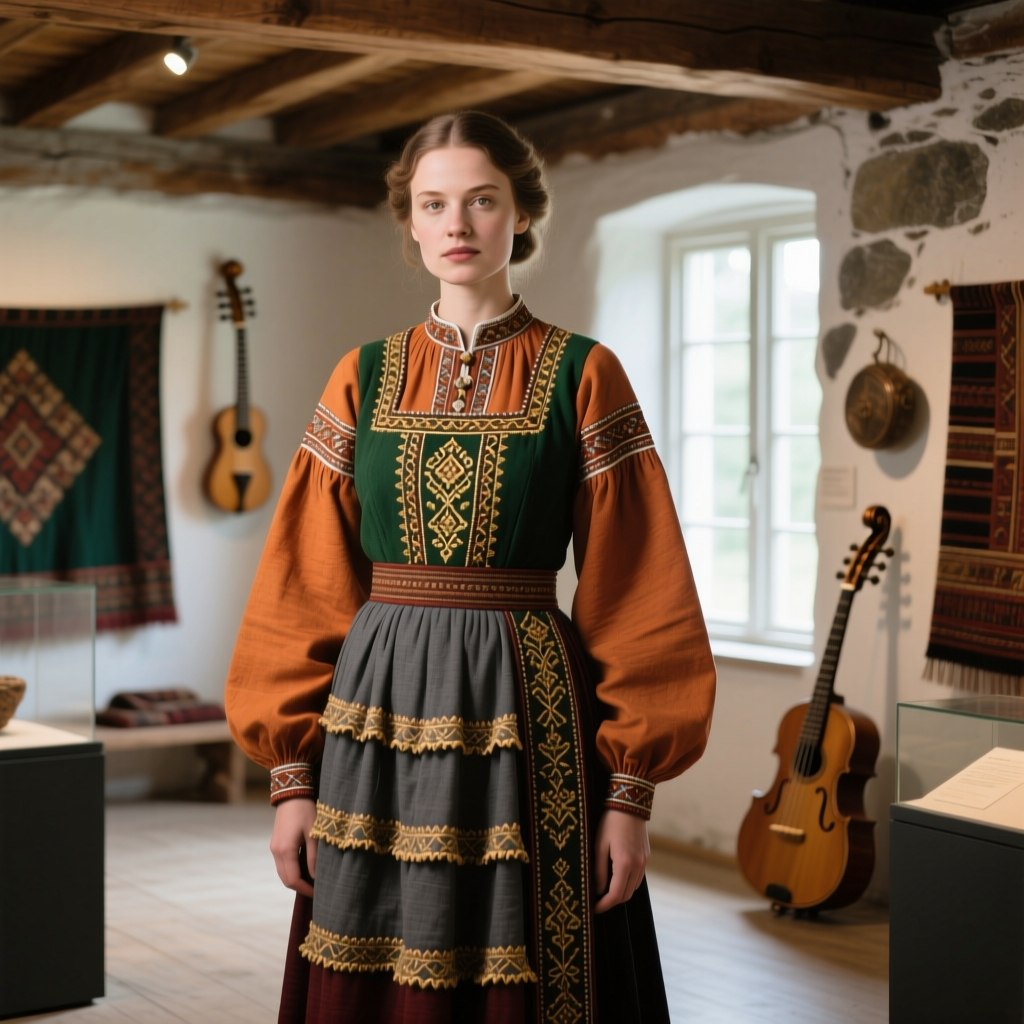
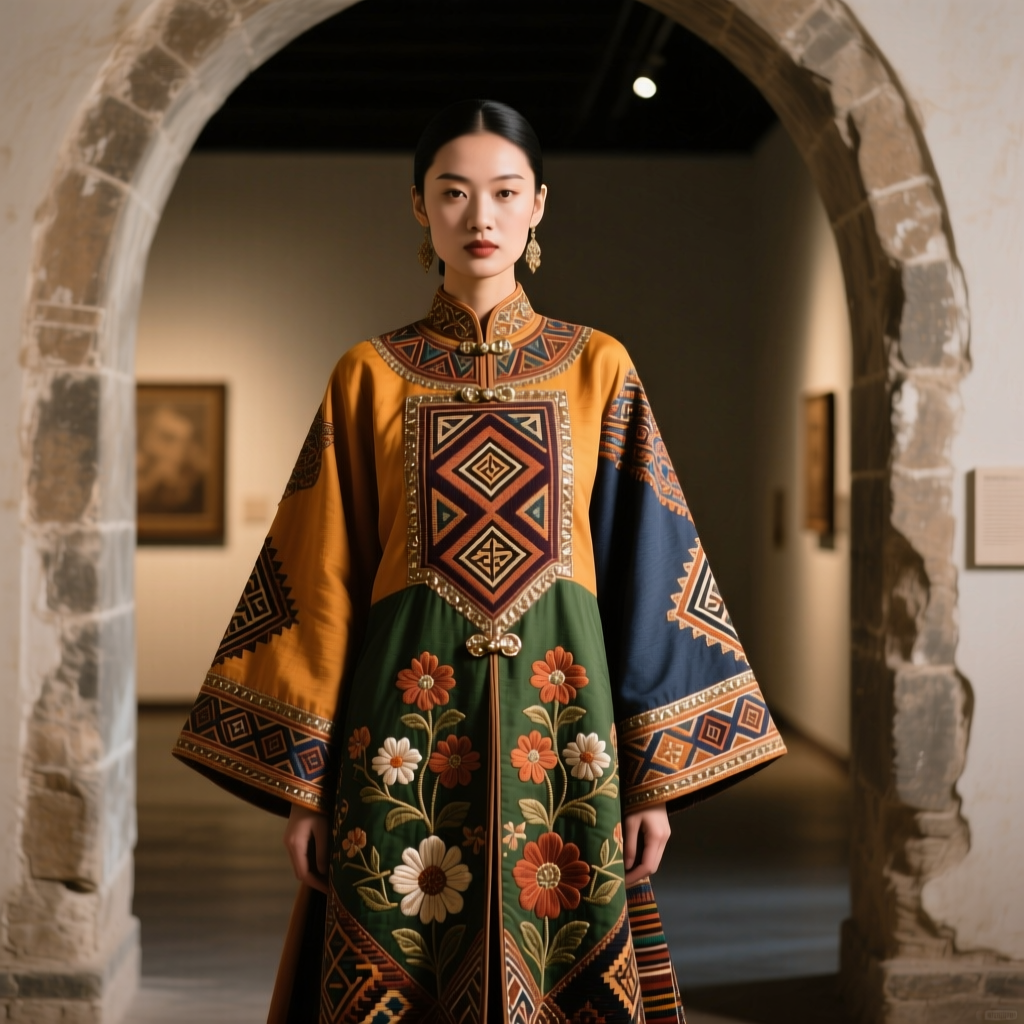
Hmong Story Cloth Embroidery: A Living Heritage of Thread, Memory & Resilience
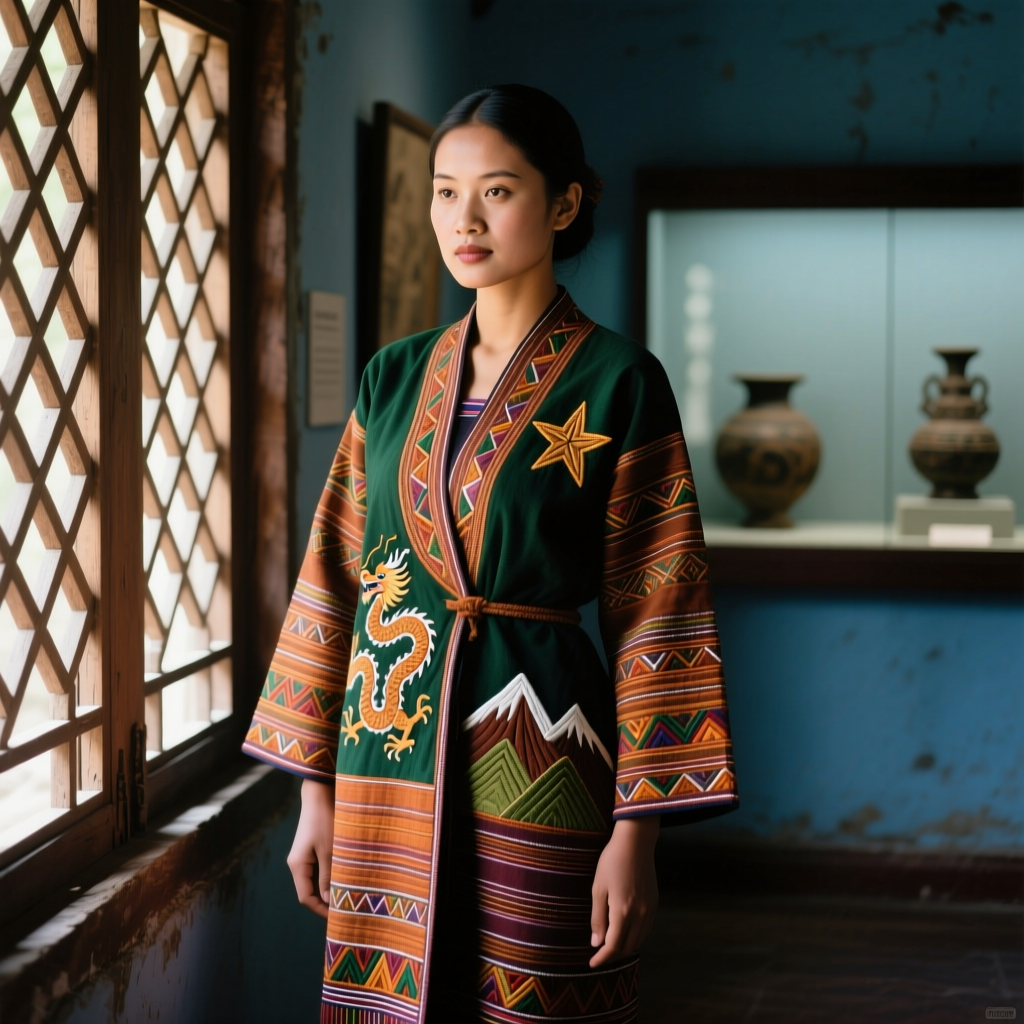
In the highlands of Southeast Asia, where mist curls around mountain ridges and villages cling to steep hillsides, the Hmong people have long spoken through thread. Long before their stories were written in books, they were stitched into fabric — vibrant, intricate, and laden with meaning. Hmong story cloth embroidery, known traditionally as Paj Ntaub (pronounced "pan dow"), is far more than decorative needlework. It is a visual language, a historical archive, and an act of cultural survival that has endured centuries of migration, conflict, and displacement.
To understand Hmong story cloth embroidery is to understand a people who refused to be erased. Each stitch carries the weight of ancestral memory, the precision of generational knowledge, and the quiet defiance of a culture that chose to preserve itself through the humble medium of cloth. From the geometric cross-stitch patterns of ancient clan identification to the sprawling narrative tapestries born in refugee camps, this textile tradition stands as one of the most remarkable examples of embroidery as cultural heritage anywhere in the world.
In this comprehensive exploration, we trace the arc of Hmong story cloth embroidery — its origins, its techniques, its regional variations, and the ongoing efforts to preserve it for future generations. Whether you are a textile collector, a fashion historian, or simply someone drawn to the intersection of art and identity, the story woven into these cloths deserves to be known.
The Origins and Historical Journey of Hmong Story Cloth Embroidery
The Hmong people trace their origins to the Yellow River region of China, where archaeological evidence suggests their ancestors cultivated hemp, wove cloth, and practiced embroidery for thousands of years. Historical records from the Han Dynasty reference the distinct clothing traditions of groups believed to be early Hmong communities — garments adorned with bold geometric patterns and vivid natural dyes that set them apart from neighboring populations.
As the Hmong migrated southward over centuries — driven by conflict, political pressure, and the search for arable land — their embroidery traditions traveled with them. Through the mountainous regions of southern China, into Laos, Vietnam, Thailand, and Myanmar, Hmong women carried needles, thread, and the accumulated visual vocabulary of their people. Embroidery was never merely ornamental; it served as a system of clan identification, a marker of social status, a component of spiritual practice, and a rite of passage for young women entering adulthood.
The most dramatic transformation of Hmong embroidery occurred during and after the Secret War in Laos during the mid-twentieth century. When the Hmong were forced to flee their homeland, hundreds of thousands ended up in refugee camps in Thailand. It was in these camps — places of uncertainty, loss, and longing — that the story cloth as we know it today was born. Women began stitching large narrative panels depicting scenes of village life, the harrowing journey across the Mekong River, and memories of the homeland they had left behind. These were not abstract patterns but literal pictorial narratives: houses, rivers, soldiers, elephants, rice paddies, and family members rendered in thread with astonishing detail and emotional power.
The story cloth thus became a new chapter in an ancient tradition. Where Paj Ntaub had historically focused on geometric abstraction — triangles, diamonds, spirals, and snail motifs encoding cosmological and clan-based meanings — the refugee-era story cloth embraced figural representation. It was both an evolution and an act of preservation: a way to document experiences that had no other record, to process collective trauma, and to communicate Hmong history to the wider world. Aid workers and resettlement agencies recognized the value of these textiles, and story cloths began to circulate internationally, bringing Hmong artistry to audiences who had never heard the Hmong name.
For those interested in how textile traditions shape broader garment history, our heritage textile archive explores similar traditions from cultures around the world, each using fabric as a vessel for identity and memory.
Cultural Significance: Embroidery as Identity, Spirituality, and Social Bond
In traditional Hmong society, embroidery is inseparable from identity. The specific patterns, colors, and techniques used in a garment can identify the wearer's clan, regional origin, marital status, and even age group. A White Hmong woman's pleated skirt, for instance, features different batik and embroidery conventions than the elaborate embroidered leggings and jacket of a Green Hmong (also called Blue Hmong) woman. These distinctions are not superficial — they encode belonging, connecting the wearer to a lineage that stretches back generations.
The spiritual dimensions of Hmong embroidery are equally profound. Many of the geometric motifs found in traditional Paj Ntaub are believed to have protective functions. The snail motif, one of the most recognizable Hmong embroidery patterns, is associated with the spirit world and is thought to guide the soul safely through the afterlife. Triangle and diamond patterns may represent mountains, ancestral territories, or the portals between the physical and spiritual realms. These motifs are not merely decorative choices; they are embedded cosmological statements, worn close to the body and present at every significant life event — birth, marriage, illness, and death.
Embroidery also functions as a powerful social bond among Hmong women. The practice of stitching together — whether in village courtyards, refugee camp shelters, or modern community centers — creates spaces for intergenerational knowledge transfer, storytelling, and mutual support. Grandmothers teach granddaughters the proper tension of a cross-stitch, the correct sequence of a reverse-appliqué pattern, and the stories behind each motif. This transmission is not formal or institutionalized; it is intimate, patient, and continuous. A woman's skill in embroidery has historically been a measure of her readiness for marriage, her dedication to her family, and her contribution to the cultural vitality of her community.
The creation of a traditional Hmong embroidered garment is a labor of extraordinary commitment. A single festival jacket or ceremonial skirt can require hundreds of hours of work — hemp cultivation, fiber processing, natural dyeing, batik application, embroidery, and assembly all performed by hand. This investment of time and skill elevates the finished garment beyond clothing into the realm of cultural artifact. To learn more about how handcrafted garments carry meaning across cultures, explore our guide to artisan garment craftsmanship.
Craftsmanship and Techniques: The Artistry Beneath Every Stitch
Hmong story cloth embroidery encompasses a remarkably diverse range of techniques, each requiring distinct skills and years of practice to master. Understanding these techniques illuminates the extraordinary artistry that underpins every finished piece.
Cross-Stitch (Paj Ntaub Counted Thread Work)
The foundation of much Hmong embroidery is counted-thread cross-stitch, worked on a grid of woven fabric. Hmong cross-stitch is distinguished by its precision and complexity — patterns are memorized rather than drawn, passed from mother to daughter as mental templates that can encompass dozens of interlocking motifs. The stitcher counts threads in the warp and weft of the base fabric to ensure perfect symmetry, creating dense fields of geometric pattern that can cover entire garment panels. Traditional cross-stitch work uses cotton or silk thread on hemp or cotton fabric, with color palettes that vary by region and clan.
Reverse Appliqué
One of the most visually striking Hmong textile techniques is reverse appliqué, in which layers of fabric are stacked and cut away to reveal contrasting colors beneath. The Hmong approach to this technique is uniquely intricate: multiple layers of fabric — sometimes three or four — are folded, cut, and stitched to create deeply layered patterns with a three-dimensional quality. The edges are secured with tiny, nearly invisible stitches, and the resulting panels feature bold, curvilinear designs that contrast with the angular geometry of cross-stitch work. Reverse appliqué is particularly associated with Green Hmong textile traditions and is often used in the creation of baby carriers, collar panels, and ceremonial garments.
Story Cloth Narrative Embroidery
The story cloth technique combines elements of traditional embroidery with figurative illustration. Unlike the abstract geometric vocabulary of clan-based Paj Ntaub, story cloths depict recognizable scenes: landscapes, human figures, animals, buildings, and events. Stitchers use a combination of satin stitch, stem stitch, and cross-stitch to create detailed pictorial compositions on panels of cotton or synthetic fabric. The finest story cloths display remarkable compositional sophistication, with foreground and background elements, perspective, and narrative sequencing that reads almost like a graphic novel rendered in thread.
Hemp Processing and Natural Dyeing
While not embroidery per se, the preparation of materials is integral to the craft. Traditional Hmong hemp processing involves harvesting, stripping, pounding, and spinning hemp fiber by hand, then weaving it on a backstrap loom to create the base fabric for embroidery. Indigo dyeing — using fermented indigo leaves to produce deep blues — is another foundational skill. The resist-dyeing technique known as batik, practiced with beeswax applied through a specialized brass tool called a tjanting, creates white-on-blue patterns that often serve as the ground for embroidered overlays. These material preparation skills are themselves endangered traditions, requiring knowledge of plant chemistry, seasonal timing, and manual dexterity that fewer young Hmong people are learning.
The convergence of these techniques in a single garment or textile piece represents a level of integrated craftsmanship that is rare in the modern world. For a broader perspective on how traditional textile techniques inform contemporary fashion, visit our traditional textile techniques guide.
Regional Variations: A Tapestry of Diverse Traditions
The Hmong diaspora spans multiple countries and continents, and embroidery traditions have evolved distinctly within different regional communities. These variations reflect not only geographic separation but also the influence of neighboring cultures, available materials, and the particular historical experiences of each group.
Hmong in China (Miao)
In China, where the Hmong are classified under the broader Miao ethnic designation, embroidery traditions are exceptionally diverse. The Miao communities of Guizhou, Hunan, and Yunnan provinces produce embroidery that ranges from the densely packed geometric cross-stitch of the "Black Miao" to the elaborate silk-threaded festival garments of the "Silver Miao." Chinese Miao embroidery often incorporates motifs from the natural world — butterflies, birds, dragons, and flowers — rendered with a fluidity that reflects centuries of interaction with Han Chinese artistic traditions. The famed "hundred-bird jacket" of Guizhou Miao communities, covered entirely in embroidered avian motifs, is considered one of the most spectacular garments in all of Asian textile heritage.
Hmong in Laos and Vietnam
Laotian and Vietnamese Hmong embroidery tends toward bolder geometric abstraction, with a strong emphasis on cross-stitch and reverse appliqué. The color palettes are vivid — hot pinks, electric greens, bright yellows, and deep indigos — reflecting both the availability of synthetic dyes in the twentieth century and a cultural preference for high-contrast visual impact. Green Hmong communities in northern Laos and Vietnam are particularly renowned for their reverse-appliqué baby carriers, which are considered masterworks of the form and are often created as gifts for a woman's first child. White Hmong communities in these regions maintain the batik-and-embroidery traditions associated with their distinctive pleated skirts.
Hmong in Thailand
Thai Hmong embroidery has been shaped by decades of interaction with Thai textile markets and tourism. While traditional clan-based patterns persist in ceremonial contexts, many Thai Hmong artisans have adapted their embroidery for commercial sale, creating smaller, more portable pieces that appeal to collectors and tourists. This commercialization has been both a lifeline — providing income for displaced communities — and a source of tension, as simplified "tourist art" versions of traditional patterns risk diluting the cultural depth of the practice. The refugee camp story cloth tradition was particularly strong in Thai camps such as Ban Vinai, and many of the most celebrated story cloths in museum collections were produced there.
Hmong Diaspora Communities
In the United States, France, Australia, and other countries where Hmong refugees resettled, embroidery traditions have continued to evolve. Diaspora communities face the dual challenge of preserving authentic techniques while adapting to new materials, new audiences, and new cultural contexts. Many Hmong-American artists have begun incorporating story cloth aesthetics into contemporary art, fashion design, and mixed-media installations, bringing the tradition into dialogue with modern artistic movements. Community organizations and cultural centers in cities with significant Hmong populations — such as Fresno, St. Paul, and Milwaukee — offer embroidery classes and exhibitions that keep the practice alive for younger generations who may have never lived in a Hmong village.
These regional variations underscore a fundamental truth about Hmong embroidery: it is not a static artifact of the past but a living, breathing tradition that continues to adapt while retaining its core identity. Discover more about how regional garment traditions shape cultural wardrobes in our regional garment styles section.
Modern Preservation: Safeguarding a Living Tradition for Future Generations
The preservation of Hmong story cloth embroidery heritage faces significant challenges in the modern era. Globalization, urbanization, and the passing of elder artisans threaten to erode the knowledge systems that sustain this tradition. Yet a growing movement of Hmong artists, scholars, community organizations, and international institutions is working to ensure that Paj Ntaub endures.
Museum Collections and Digital Archives
Major museums worldwide — including the Smithsonian Institution, the Textile Museum in Washington D.C., and the Museum of International Folk Art in Santa Fe — hold significant collections of Hmong story cloths and traditional embroidered garments. These collections serve as vital reference points for researchers, artists, and community members seeking to understand historical techniques and patterns. Digital archiving initiatives have made many of these collections accessible online, allowing Hmong diaspora communities to study and reconnect with textile heritage that may no longer be practiced in their families. Oral history projects that pair elder embroiderers with younger documentarians are capturing the stories, songs, and technical knowledge that accompany the physical textiles.
Community-Based Education and Intergenerational Transmission
Perhaps the most important preservation work happens not in museums but in living rooms, community centers, and cultural festivals. Hmong-led organizations across the diaspora have established embroidery workshops, mentorship programs, and intergenerational stitching circles that connect elder artisans with younger learners. These programs recognize that embroidery knowledge cannot be fully captured in books or videos — it must be transmitted through hands-on practice, guided by someone who learned the same way. Cultural festivals such as Hmong New Year celebrations provide platforms for embroiderers to display their work, compete in skill competitions, and demonstrate techniques to curious audiences.
Contemporary Art and Fashion Integration
A new generation of Hmong artists and designers is finding innovative ways to honor embroidery heritage while pushing it into contemporary contexts. Fashion designers incorporating Paj Ntaub motifs into modern garments, visual artists using embroidery as a medium for conceptual work, and social media creators sharing embroidery processes with global audiences are all contributing to the tradition's evolution. This creative engagement ensures that Hmong embroidery is perceived not as a relic but as a vital, contemporary art form with deep roots. Ethical fashion brands that collaborate directly with Hmong artisans — ensuring fair compensation and cultural attribution — are helping to create sustainable economic models that support continued practice.
Intellectual Property and Cultural Rights
As Hmong embroidery gains visibility in global fashion and design markets, questions of intellectual property and cultural appropriation have become increasingly urgent. Mass-produced imitations of Hmong patterns — printed on fast-fashion garments without attribution or compensation — strip the designs of their cultural meaning and economic value for Hmong communities. Advocacy efforts are underway to establish frameworks for protecting Hmong textile designs as cultural intellectual property, ensuring that the communities who created and sustained these patterns benefit from their commercial use. These efforts are part of a broader movement to recognize traditional knowledge systems as valuable, protectable, and worthy of legal respect.
The future of Hmong story cloth embroidery depends on the continued commitment of Hmong communities themselves, supported by allies who respect the tradition's depth and significance. For those interested in supporting ethical engagement with traditional textile arts, our guide to ethical fashion and heritage textiles offers practical guidance.
Frequently Asked Questions About Hmong Story Cloth Embroidery
What is the difference between Paj Ntaub and a Hmong story cloth?
Paj Ntaub is the overarching Hmong term for traditional embroidery, encompassing the geometric cross-stitch, reverse appliqué, and batik-based textile arts that have been practiced for centuries. A story cloth is a specific type of Paj Ntaub that emerged during the refugee camp era, characterized by figurative, narrative imagery depicting scenes of Hmong life, history, migration, and memory. While traditional Paj Ntaub uses abstract geometric motifs with clan-based and cosmological meanings, story cloths tell literal stories through recognizable images of people, animals, landscapes, and events. Both forms are integral to Hmong textile heritage, but they serve different communicative purposes and arose from different historical circumstances.
How long does it take to create a traditional Hmong story cloth?
The time required to create a Hmong story cloth varies enormously depending on the size, complexity, and technique used. A small, simple panel might take several weeks of daily work, while a large, intricately detailed story cloth can require six months to a year or more of dedicated stitching. Traditional ceremonial garments — which combine multiple embroidery techniques with batik, hemp processing, and hand-sewing — can represent over a year of cumulative labor. The time investment is itself a meaningful aspect of the tradition: the hours spent stitching are understood as an expression of devotion, skill, and cultural commitment, not merely as production time to be minimized.
What do the common motifs in Hmong embroidery symbolize?
Hmong embroidery motifs carry rich symbolic meanings that vary somewhat by region and clan. The snail motif represents the connection between the living and the spirit world, and is often associated with guidance for souls transitioning to the afterlife. Mountain or triangle patterns symbolize the highland homelands and ancestral territories. Diamond and cross motifs may represent the cosmos, the four directions, or portals between worlds. Butterfly and bird motifs — particularly common in Chinese Miao embroidery — symbolize transformation, freedom, and the soul's journey. Flower motifs are associated with fertility, growth, and the natural world. In story cloths, figurative elements such as rivers, houses, and human figures carry narrative rather than purely symbolic meaning, though they often incorporate traditional motifs within their compositions.
Where can I see or purchase authentic Hmong story cloths?
Authentic Hmong story cloths and embroidered textiles can be found in several contexts. Museum collections at institutions such as the Smithsonian, the Textile Museum, and various university museums hold significant historical pieces that can often be viewed online or in person. Cultural festivals in Hmong diaspora communities — particularly Hmong New Year celebrations in cities like St. Paul, Fresno, and Sacramento — frequently feature artisans selling their work directly. Ethical online marketplaces and galleries that work directly with Hmong artists and cooperatives offer another avenue for authentic purchases. When buying, look for sellers who provide information about the artisan, the community of origin, and the techniques used, and who ensure fair compensation for the work. Avoid mass-produced printed imitations that appropriate Hmong designs without attribution.
How is Hmong embroidery being preserved for future generations?
Preservation efforts operate on multiple levels. Within Hmong communities, intergenerational teaching programs, cultural festivals, and community workshops ensure that embroidery skills and knowledge continue to be transmitted from elders to younger practitioners. Academic institutions and museums contribute through documentation, oral history projects, and digital archiving of textile collections. Contemporary Hmong artists and designers are keeping the tradition culturally relevant by integrating embroidery aesthetics into modern art, fashion, and digital media. Advocacy for cultural intellectual property rights seeks to protect Hmong designs from unauthorized commercial exploitation. Together, these efforts form a multifaceted preservation ecosystem that addresses both the technical knowledge and the cultural context necessary for the tradition to thrive. The most critical factor remains the engagement of young Hmong people themselves, who carry forward the choice to learn, practice, and innovate within their textile heritage.
Hmong story cloth embroidery is, ultimately, a testament to the power of human creativity under pressure. Born from displacement and sustained by determination, these textiles remind us that heritage is not a passive inheritance but an active practice — something made and remade, stitch by stitch, generation after generation. For anyone who values the depth and diversity of global garment traditions, the story cloths of the Hmong people offer an inexhaustible source of wonder, respect, and inspiration. Explore more of the world's extraordinary textile heritage in our heritage collection and discover how clothing, at its most meaningful, becomes art, history, and identity woven into one.