Traditional Japanese Clothing: A Full Guide
Japan is a country where neon-lit skyscrapers stand shoulder-to-shoulder with serene, centuries-old shrines. This beautiful juxtaposition of the ultra-modern and the deeply traditional is perhaps most visible in the nation’s sartorial heritage. When travelers and fashion enthusiasts alike look toward the Land of the Rising Sun, a common question arises: what is traditional Japanese clothing called? While the world is most familiar with the iconic kimono, this single garment is merely the most famous representative of a vast, intricate wardrobe system that has evolved over millennia.
To truly understand the sartorial landscape of Japan, one must look beyond a single silhouette and explore the rich tapestry of garments, textiles, and cultural philosophies that dictate how these clothes are worn, crafted, and preserved. In this comprehensive guide, we will uncover the umbrella terms for Japanese dress, trace the historical origins of its most beloved garments, and explore the profound cultural significance that continues to breathe life into these ancient traditions.
The Umbrella Term: Wafuku vs. Yofuku
To answer the question directly, the overarching term for traditional Japanese clothing is Wafuku (和服). Translating literally to 'Japanese clothing,' wafuku encompasses every indigenous garment, accessory, and footwear style native to Japan. It is a broad category that includes the kimono, yukata, hakama, haori, and the intricate undergarments and sashes that complete the ensemble.
The term wafuku was actually coined during the Meiji period to distinguish native clothing from Yofuku (洋服), which means 'Western clothing.' As Japan opened its borders and began integrating Western fashion, military uniforms, and business attire into daily life, a linguistic distinction became necessary. Today, while yofuku is the standard for everyday life, business, and casual wear in Japan, wafuku remains a vital, living tradition reserved for specific cultural events, ceremonies, and seasonal celebrations.
The Iconic Kimono: Origins and Evolution
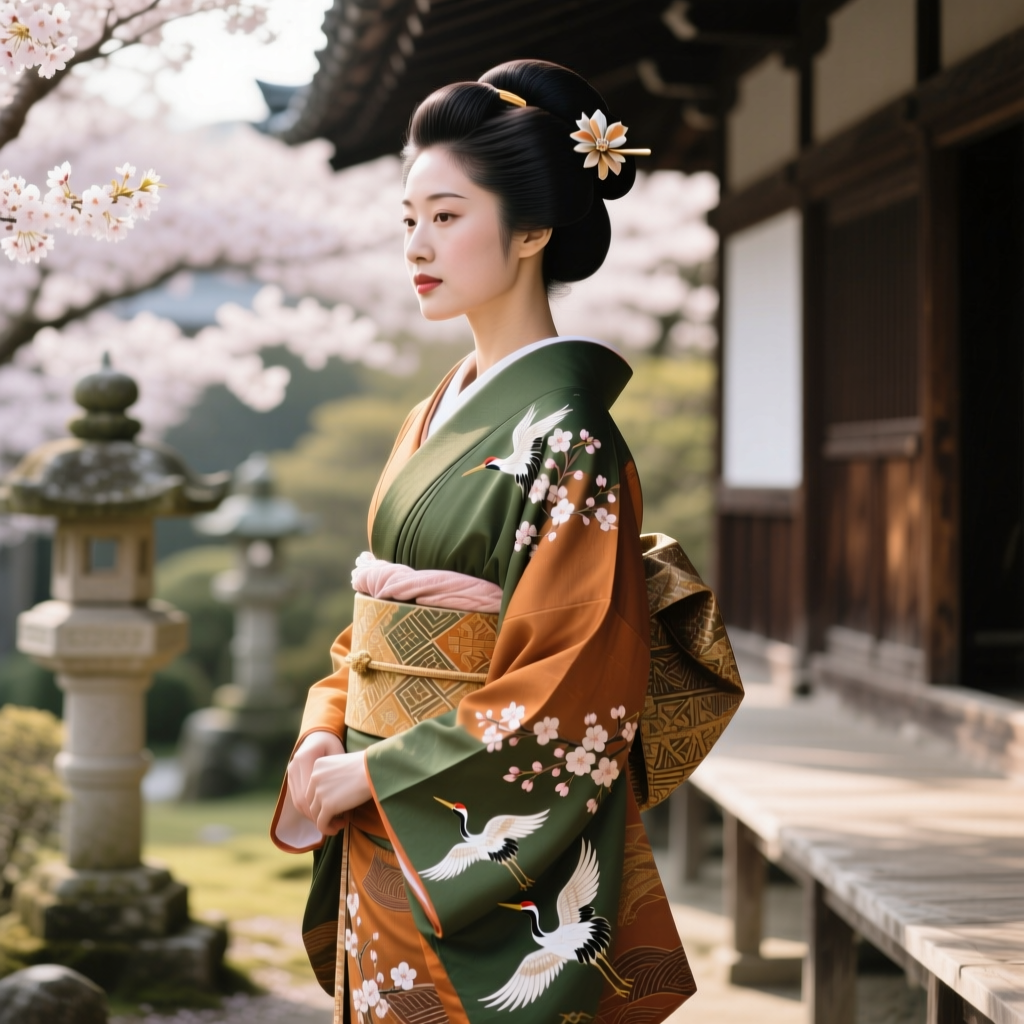
While wafuku is the collective term, the kimono (着物) is undeniably the heart of the traditional Japanese wardrobe. The word kimono simply translates to 'thing to wear' (ki meaning 'to wear' and mono meaning 'thing'). However, the garment we recognize today as the kimono has a fascinating evolutionary history.
The roots of the kimono can be traced back to the Heian period, where the aristocracy wore complex, multi-layered robes known as junihitoe. However, the direct ancestor of the modern kimono is the kosode (small sleeves), which was originally worn as an undergarment by the nobility and as outerwear by the common working classes. By the Muromachi period, the kosode had evolved into a standalone outer garment for all social classes.
It was during the Edo period that the kimono truly blossomed into an art form. With a prolonged era of peace and a booming merchant economy, artisans developed groundbreaking dyeing and weaving techniques. The restriction of lavish displays of wealth by the ruling shogunate led to the development of subtle, incredibly intricate dyeing methods like Yuzen, allowing commoners to wear breathtakingly beautiful garments that adhered to the letter, if not the spirit, of sumptuary laws. To dive deeper into the evolution of this iconic garment, explore our detailed guide on the history of the kimono.
Key Types of Traditional Japanese Garments
The world of wafuku is highly specialized, with specific garments designed for different seasons, genders, ages, and occasions. Here are the most prominent types of traditional Japanese clothing you should know.
The Yukata: Casual Summer Elegance
The yukata is a lightweight, unlined garment typically made of cotton or hemp. Originally worn by the nobility as a bathrobe, it evolved into the quintessential summer festival garment. Because it is unlined and breathable, it is perfect for Japan’s hot, humid summers. Yukata are worn to matsuri (festivals), fireworks displays, and while staying at traditional ryokan (inns). They are generally more affordable and easier to tie than formal kimonos, making them highly accessible. For a detailed comparison, read our guide on the differences between a kimono versus yukata.
The Hakama: Pleated Tradition and Martial Arts
The hakama is a traditional lower-body garment characterized by its wide, pleated silhouette. It resembles a flowing skirt but is actually a divided skirt or wide trousers. Historically worn by samurai to protect their legs while riding horses and to conceal their footwork in combat, the hakama is now a symbol of academic and martial prestige. Today, it is worn by university students at graduation ceremonies, Shinto priests, and practitioners of martial arts such as kendo, aikido, and kyudo. Women also wear hakama over kimonos for formal academic events.
The Haori: The Traditional Jacket
The haori is a hip- or thigh-length jacket worn over the kimono. Originally a practical garment for warmth and a canvas for displaying family crests (kamon) among samurai, the haori eventually became a staple of both men's and women's fashion. In modern times, haori are frequently worn open, showcasing the intricate lining or the beautiful kimono beneath. They are also increasingly popular in global fashion, worn as chic duster coats over Western clothing.
Jinbei and Samue: Workwear and Loungewear
Not all wafuku is formal. The jinbei is a casual, two-piece summer garment consisting of a short-sleeved top and shorts, often made from breathable cotton or linen. It is widely worn by men and children during summer festivals. Similarly, the samue is a two-piece workwear outfit traditionally worn by Zen Buddhist monks for physical labor and meditation. Today, its comfortable, utilitarian design has made it popular as casual loungewear or artisan workwear across Japan.
Characteristics and Anatomy of Wafuku
Unlike Western clothing, which is tailored to follow the three-dimensional curves of the human body, traditional Japanese clothing is constructed using straight lines. Kimonos and yukatas are made from bolts of fabric called tanmono, which are cut into rectangular pieces and sewn together. This T-shaped construction means that the garment is essentially one-size-fits-all, with the fit adjusted entirely through the folding and tying process.
This straight-line cutting method is deeply rooted in a philosophy of zero waste and respect for materials. When a kimono is taken apart, the fabric returns to its original rectangular state, allowing it to be re-dyed, repurposed, or passed down through generations without the loss of material. To understand the incredible fabrics used in these garments, explore our heritage page on traditional Japanese textiles.
The anatomy of a formal kimono ensemble is complex. It begins with the hadajuban (underwear) and nagajuban (an under-kimono that protects the delicate outer silk from sweat and oils). The outer kimono is then wrapped left over right (right over left is strictly reserved for dressing the deceased) and secured by the obi, a wide, stiff sash. The obi is an art form in itself, often woven with gold and silver threads, and tied in elaborate knots at the back. Learn more about the evolution and tying techniques in our guide to the history of the obi.
Occasions and Dress Codes
Wafuku operates on a strict, highly codified system of dress codes dictated by age, marital status, and the formality of the occasion. For unmarried women, the furisode is the most formal option. Recognizable by its long, swinging sleeves that nearly touch the ground, the furisode is a vibrant canvas of elaborate patterns and is traditionally worn during Seijin-shiki (Coming of Age Day).
Married women, conversely, wear the tomesode, which features shorter sleeves and patterns restricted to the lower half of the garment below the obi. The kurotomesode (black tomesode) with five family crests is the pinnacle of formality for married women, typically worn by the mothers of the bride and groom at weddings.
For men, formal wear usually consists of a solid black or dark-colored kimono paired with a matching haori and a striped silk hakama. The formality is denoted by the number and placement of the family crests. Beyond weddings and coming-of-age ceremonies, wafuku is the required attire for traditional arts, including the tea ceremony (sado), flower arranging (kado), and traditional Japanese dance.
Regional Variations and Artisan Crafts
Japan’s diverse climate and regional histories have given rise to highly specialized, localized textile crafts. These regional variations are fiercely protected and celebrated as intangible cultural heritage.
In Kyoto, the birthplace of much of Japan's high culture, Kyo-yuzen dyeing and Nishijin-ori weaving represent the pinnacle of luxury. Kyo-yuzen is famous for its pictorial, highly detailed motifs dyed directly onto the silk, while Nishijin-ori produces opulent, heavy brocades used for the most expensive obi. Discover more about these incredible techniques on our page about the artisan crafts of Kyoto.
In Kanazawa, the Kaga-yuzen style offers a stark contrast to Kyoto's flamboyance. Kaga-yuzen is characterized by its realistic, nature-inspired motifs, subtle color gradients (bokashi), and the intentional inclusion of mushi-kui (insect-eaten leaves), reflecting a wabi-sabi appreciation for the imperfection and transience of nature.
Further south, the tropical climate of Okinawa birthed Bingata, a vibrant, stencil-dyed fabric featuring bold patterns of hibiscus, palm trees, and ocean waves in striking reds, yellows, and blues. Meanwhile, the Amami Islands are renowned for Oshima Tsumugi, a complex mud-dyed silk pongee that requires dozens of meticulous steps and months of labor to produce a single, subtly patterned bolt of fabric.
The Cultural Significance of Japanese Clothing
Traditional Japanese clothing is far more than mere fabric; it is a wearable calendar, a canvas for poetry, and a vessel for cultural identity. One of the most profound aspects of wafuku is its strict adherence to seasonality. The motifs on a kimono must anticipate the season, rather than merely reflect it. Cherry blossoms are worn in late March, just before they bloom, while maple leaves are worn in late autumn. Wearing a winter motif in summer, or a summer motif in winter, is considered a significant faux pas.
Furthermore, the motifs themselves carry deep symbolic meaning. Cranes and turtles symbolize longevity; pine, bamboo, and plum (the shochikubai) represent resilience and good fortune; and flowing water signifies purity and the continuous flow of life. When a person dons a kimono, they are wrapping themselves in these auspicious wishes and poetic references.
In an era increasingly concerned with sustainability and the environmental impact of fast fashion, the philosophy of wafuku offers a powerful alternative. The practice of remaking, re-dyeing, and passing down kimonos from mother to daughter embodies a circular approach to fashion. A high-quality silk kimono is not a disposable item; it is an heirloom, a piece of wearable art meant to outlive its original wearer and carry the family’s history into the future.
Frequently Asked Questions
What is the difference between a kimono and a yukata?
The primary differences lie in the material, formality, and layering. A kimono is typically made of silk (though modern versions may use polyester or wool), is lined, and requires multiple undergarments and a complex, formal obi. A yukata is made of lightweight, unlined cotton or hemp, is worn directly over basic underwear, and is secured with a simpler, narrower sash. Yukata are strictly casual and reserved for summer events, while kimonos can be worn year-round and range from casual to highly formal.
Can foreigners wear traditional Japanese clothing?
Yes, absolutely. Japanese culture is generally very welcoming to foreigners who wish to experience wafuku. Renting a kimono or yukata to explore historic districts like Kyoto’s Higashiyama or Tokyo’s Asakusa is a highly popular and respected tourist activity. The key is to wear the garment with respect, ensuring it is wrapped correctly (left over right) and worn for appropriate, casual occasions if you are renting standard tourist attire.
How do you properly care for a silk kimono?
Silk kimonos require specialized care. They should never be washed in water or put in a washing machine. After wearing, the kimono should be aired out on a specialized kimono hanger in a shaded, well-ventilated area to allow moisture to evaporate. Stains must be treated by professional kimono cleaners who use traditional spot-cleaning techniques. When storing, kimonos are folded along their seam lines and wrapped in acid-free paper called tatoushi to protect them from moisture and light.
What footwear is worn with traditional Japanese garments?
Footwear is an essential component of wafuku. The most common types are zori and geta. Zori are flat, sandal-like shoes made of woven straw, vinyl, or brocade, worn with formal kimonos. Geta are wooden clogs with elevated 'teeth' on the bottom, typically worn with the more casual yukata. Both are worn with tabi, the traditional split-toe socks that allow the wearer to grip the thong of the sandal. To complete your ensemble, read our guide on traditional Japanese footwear.
Is traditional Japanese clothing still worn daily?
For the vast majority of Japanese people, wafuku is not part of the daily wardrobe, having been replaced by Western clothing for work, school, and casual outings. However, it remains deeply embedded in the culture for specific life milestones, seasonal festivals, and traditional arts. Furthermore, there is a growing movement among younger generations and artisans to integrate elements of wafuku, such as wearing vintage haori as jackets or pairing hakama with modern blouses, into contemporary daily fashion, ensuring the tradition continues to evolve.